
The Best Energy Storage Systems for UK Homes in 2026
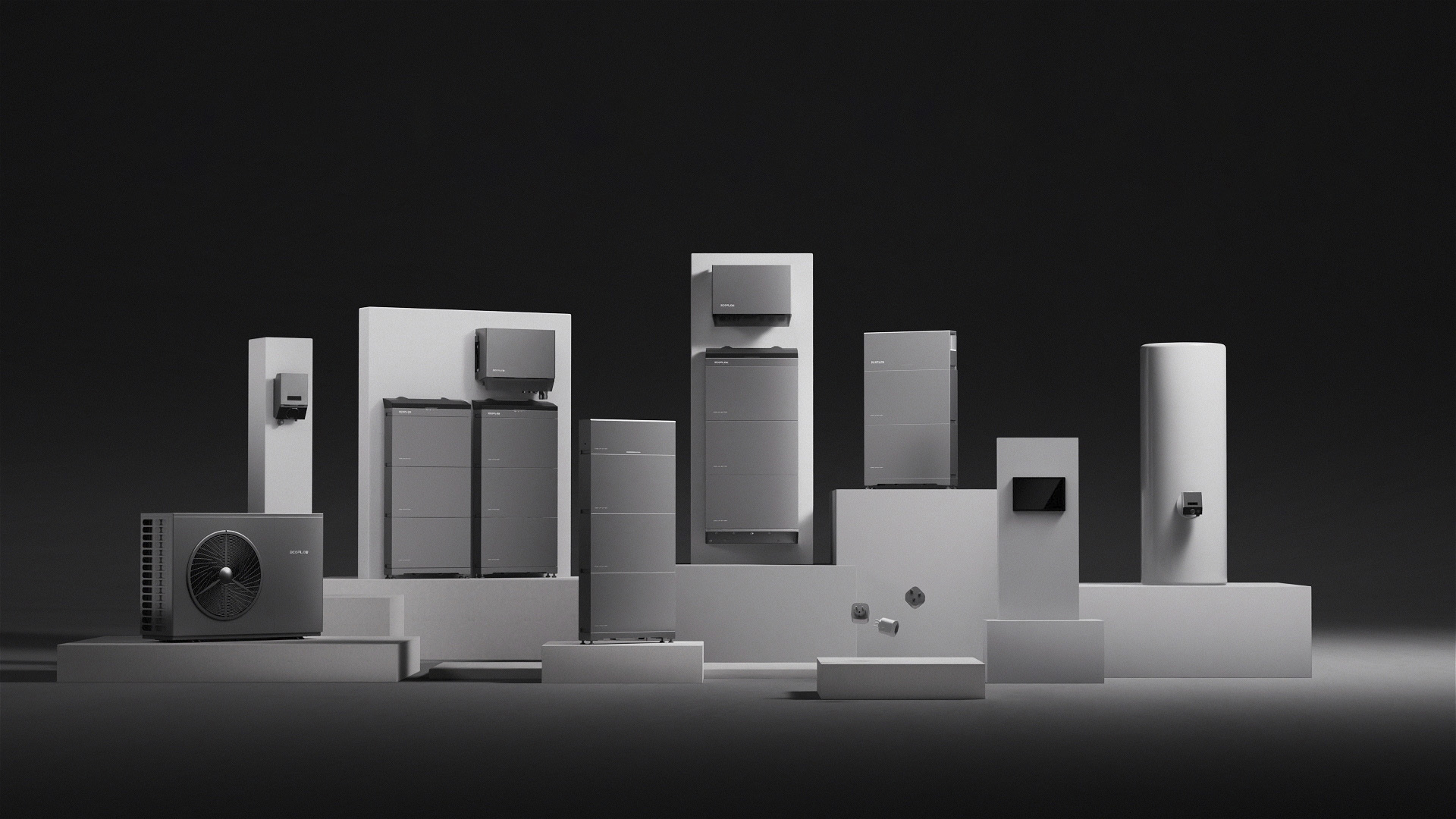
As the UK moves toward net-zero by 2050, homeowners are playing a vital role. The key is finding a reliable energy storage solution that takes in and stores energy from intermittent renewable sources. A good energy storage setup provides a steady supply of electricity no matter the weather. This guide covers why energy storage matters in 2026 and helps you find the right system.
Why Energy Storage Systems Are Growing in UK Homes
Home energy storage systems are emerging in the UK, with battery project completions increasing by 78% throughout 2025, continuing to rise in 2026.
What's driving this growth? Supportive policies like the Smart Export Guarantee (SEG) play a large part. The SEG pays you for solar energy you send back to the grid. On top of that, 0% VAT on solar-integrated storage introduced back in 2024 makes it more rewarding to go green.
For homeowners and businesses, backup power storage lets you store excess solar energy and use it when it’s needed. You can use daytime sun to power your home at night. It also helps cut bills, assists in charging EVs at home, and reduces carbon emissions.
The main challenges are upfront costs (around £5,000–£8,000), installation space, and needing an MCS-certified installer. But with octopus energy dynamic pricing and the market growing fast, energy storage is becoming a future-ready investment.
Main Types of Energy Storage Technologies
Have you ever wondered how we keep the lights on when there is no solar or wind power available? Energy storage helps capture and save extra power from renewable power sources like solar and wind. We can then use it later when we need it most.
The best technologies that can achieve this are:
Battery Energy Storage Systems (BESS)
A battery energy storage system acts like a giant rechargeable unit. Think of it as a larger, more powerful version of a portable power station designed to run your entire household. These systems storing electricity in batteries generated from your solar panels or the grid. This means you can power your home even when the sun is not shining.
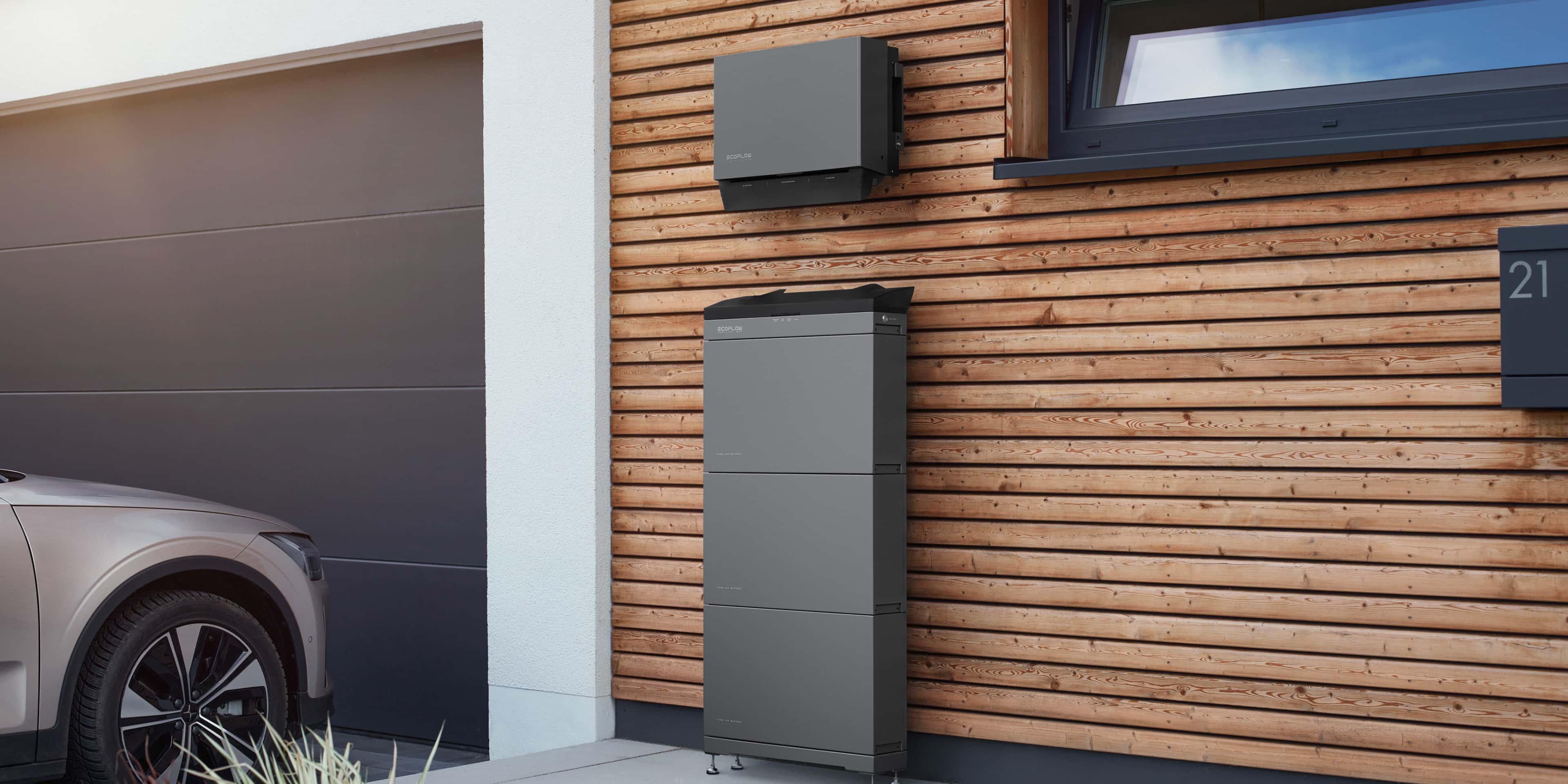
BESS is particularly common in the UK in residential homes with solar panels. Modern home battery storage solutions like EcoFlow PowerOcean use safe LFP battery tech, has fire prevention built in, and is waterproof (IP65-rated). PowerOcean also has a capacity of up to 45 kWh, and it lasts more than 6,000 charging cycles, which is ideal for future-proofing your house. You can start simple with just one 5 kWh PowerOcean power storage battery and expand whenever you need.
Hydroelectric Energy Storage (Pumped Hydro)
Hydroelectric energy storage is a process in which water is used to store energy. When there is extra electricity, it pumps water uphill. When energy is needed, the water flows back down through turbines to generate power.
It is used in large-scale UK sites like Cruachan Power Station, which can power over a million homes. Some projects combine pumped hydro with floating solar panels to improve efficiency. Pumped Hydro is aproven tech, has high efficiency (up to 80%), and high storage periods. The downside is, it needs specific landscapes, not for home use.
Thermal Storage
Thermal storage holds energy as heat or cold. Systems store excess energy in hot water tanks, molten salts, or phase-change materials (PCMs), then release it for heating or cooling when needed.
Homes use thermal storage with water heater solar panel or biomass boilers. Urban areas use it in district heating. Compact heat batteries like Sunamp are great for small spaces. This method is efficient for heating and requires low maintenance. However, it is not suitable for electricity storage and is limited to heat or cooling.
Alternative Energy Storage Solutions
While batteries are popular, there is also alternative energy storage to consider.
Compressed Air: Stores energy by compressing air underground. Pilot projects are underway in the country.
Flywheels: Spinning wheels for short bursts of power.
Liquid Air (LAES): Converts air to liquid, stores energy at a large scale. This is used by the UK’s Highview Power.
Hydrogen: Converts extra electricity into hydrogen for long-term storage. It is ideal for seasonal use.
Compressed air and flywheels are interesting technologies. They are less common for standard residential use compared to alternative energy storage solutions like thermal batteries.
Which Energy Storage System Fits Your Needs?
Choosing the right domestic energy storage depends on what you need. Whether it is powering your home, solar energy storage, or heating water, each type has its strengths.
Here's a simple comparison to help you decide:
| Type | Duration | Efficiency | Initial Costs | Best For |
|---|---|---|---|---|
| Battery (BESS) | Hours to days | 85–95% | Medium to High | Homes, EVs, solar systems |
| Pumped Hydro | 16–60 hours+ | Up to 80% | Very High | Grid-scale, long-term use |
| Thermal Storage | Hours to days | 70–90% (heat) | Low to Medium | Heating, hot water, space-limited homes |
How To Choose the Best Energy Storage Option
Not every home or business uses energy the same way. Some people want to power their whole house at night. Others just want hot water for showers or to save on heating bills. That is why the best energy storage system depends on your specific needs.
Energy Needs and Usage Patterns
Start by looking at how much energy you use and when. Do you use most of your electricity in the evening? Do your solar panels generate power during the day, and are you getting their maximum output?
A BESS is the right option if your house is powered by solar energy or you drive an electric car. It stores additional electricity so you can use it later.
On the other hand, if your main energy demand is for heating, such as using radiators, underfloor heating, or hot water, thermal storage is a good choice. It accumulates heat rather than electricity which could be utilized later in the day or sometimes days after.
Budget and Cost Considerations
A home BESS costs between £5,000 and £8,000 for around 5–10 kWh, depending on your solar panel capacity per panel and overall system size. Prices are slowly dropping, and schemes like the Smart Export Guarantee (SEG) pay you for energy you export (4–12p/kWh), helping you save.
Hydroelectric energy storage, like pumped hydro, is powerful, but not practical for homes. It can cost over £100 million and is only used by large utilities.
Space and Installation
Consider the direction the system is going to take. BESS and thermal storage can be installed in most homes. Modern systems are compact and even wall-mounted, making them perfect for small urban spaces.
Hydroelectric systems, however, need large sites with two water reservoirs, usually on hills or mountains, so they’re only for big infrastructure projects.
Scalability and Integration
Can your system grow with you? BESS is highly scalable. You can add a battery for home energy storage in the future and combine it with solar panels or PHEV chargers. Systems like EcoFlow PowerOcean make it easy to expand and integrate.
Thermal storage also fits well into heating setups like air source heat pump or biomass boilers. New technologies like hydrogen or compressed air storage are promising. However, they are mainly for large-scale projects right now and are not as flexible for homes.
Environmental Impact and Durability
Last but not least, think about the environmental impact. A battery energy storage system homeowners install today has a decent lifespan. Battery recycling is also improving.
Hydroelectric energy storage is super durable but may impact local wildlife and land if not carefully managed.
Schedule Your Free Consultation Today!
What kind of product or solution are you interested in?

Consider Energy Storage for a Clean and Sustainable Home
Energy storage systems are key to the UK's clean energy future. They help homes and businesses use solar, cut costs, and lower emissions. Whether you are comparing alternative energy storage solutions or you are ready to install a battery energy storage system for home use, EcoFlow offers flexible technology built for your needs.
Need expert advice? Choosing the right system can be complex. Speak with an EcoFlow expert to discuss your energy goals and receive a no-obligation quote for a system that fits your budget.
FAQ
Can I install an energy storage system without solar panels?
Yes! You can charge an energy storage system from the grid during off-peak periods and use the stored energy later. It still helps lower bills and reduce peak-time usage, even without solar panels. Learn more about home battery storage without solar panels.
How long does it take to charge a home battery system?
Charge time depends on the size of the battery and the source of your energy. With a smart inverter managing input from solar panels or the grid, most battery systems charge in 2 to 8 hours.
Do energy storage systems work during power cuts?
Some systems do! As an example, when your installation has some form of backup functionality, such as PowerOcean, then it is capable of supporting mandatory appliances during power cuts. Just make sure a backup is part of the installation plan.
What size home battery do I need?
It depends on your daily electricity use, solar generation, and whether you want backup power. Many UK homes start with 5 to 10 kWh, then scale up if energy needs grow over time.
Is battery storage worth it in the UK?
Yes, for many homes it can be. Battery storage helps increase self-consumption, reduce peak-time electricity use, and improve savings when paired with solar panels or off-peak tariffs.

