
The Advantages of a Solar Water Heater for Sustainable Living
Building a sustainable home starts with cutting reliance on the grid. One of the most practical ways to do this is by switching to a solar water heater. This type of solar hot water heater system uses thermal energy from the sun to heat your water supply, reducing both energy costs and carbon emissions from day one.
How a Solar Water Heater Works
Heating water accounts for a significant portion of the UK household's electrical energy consumption, used primarily for space heating and showers.
Water's high heat capacity means it demands sustained, intensive power input, which drives up spending on electricity or gas. A solar hot water heater system removes this dependency by trapping thermal energy directly from the sun, so you are not exposed to electricity prices as they continue to rise.
Its three main components are:
Solar thermal collectors: Panels mounted on the roof that absorb solar radiation to heat fluid inside them.
Heat transfer system: Pipes and a pump that move this heated fluid down into your home.
Storage tank: The fluid passes through a coil inside the solar water heater tank, transferring the captured heat to your water supply.
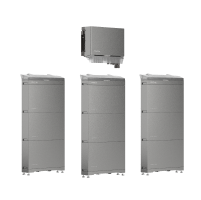
As a backup on cloudy days or in winter, a smart immersion heater thermostat can maintain your hot water supply without manual adjustments. EcoFlow PowerGlow is one such unit, and it can connect directly to a PV system or to a home battery storage system like EcoFlow PowerOcean.
Key Advantages of a Solar Hot Water Heater System
Having a solar water heater at home improves not only your overall heating system, but also your personal finances and most importantly, the environment.
Reduce Household Energy Costs
Combining your photovoltaic system with a solar water heater maximises the use of free solar energy, which cuts operational costs significantly.
A properly-sized solar hot water heater system can provide 80% to 90% of a household’s hot water needs in the summer, and 20% to 30% in winter. Over the course of a year, this averages to roughly 60% to 70% of your total hot water demand being covered for free.
While the upfront investment of a solar water heater is higher than traditional systems, it typically saves £100 to £200 annually compared to the cost of gas boilers UK.
Cut Your Carbon Footprint
Water heating is one of the largest contributors to household carbon emissions. Switching to a solar-powered water heater removes the need to burn fuel for a boiler, cutting CO2 output significantly.
A typical domestic solar water heating system in the UK reduces carbon dioxide emissions by 230kg to 510kg per year. This reduction supports both your household budget and the UK's Net Zero targets.
Reliable and Low Maintenance
Annual checks and antifreeze top-ups are crucial to retain a solar water heater’s optimal performance level. When properly installed and maintained, it can last for more than 20 years.
Integrating your system with a smart immersion heater such as PowerGlow gives you a consistent hot water supply without the need for manual adjustments.
Types of Solar Water Heaters
In the UK, two main types of solar water heaters are widely available. Choosing the right option depends on your budget and how you use hot water throughout the year.
Schedule Your Free Consultation Today!
What kind of product or solution are you interested in?
Flat-Plate Collectors
These resemble solar panels by sitting flat against the roof tiles. They consist of a dark absorber plate covered by a transparent glazing layer. Flat-plate collectors have an average upfront cost, work excellently on south-facing roofs with direct sunshine, and are best suited to areas with sunnier climates.
Evacuated Tube Collectors
These collectors tend to work best in areas with diffuse light or cooler climates. Though they come with a higher upfront cost, you are covered especially during winter.
Unlike flat-plate collectors, they work even in roofs that don’t directly face south, as the round tubes can catch sunlight at different angles. Each tube also contains a vacuum that acts as a super-insulator, preventing heat loss once it is captured.
Feature | Flat-Plate Collectors | Evacuated Tube Collectors |
|---|---|---|
Efficiency | Good standard efficiency | Higher efficiency (10–15% more) |
Cost | Lower upfront cost | Higher upfront cost |
Maintenance | Very low (self-cleaning in rain) | Low, but individual tubes may need replacing |
Best Climate | Sunny, warm summers | Cold, cloudy, or diffuse light (UK Winter) |
Aesthetics | Resembles a roof window | Distinctive "rack of tubes" look |
Solar Powered Water Heater Installation and Practical Considerations
Before installing a solar water heater, you must first schedule a professional assessment of your home by an MCS-certified installer. During this visit, the installer will check on the following factors:
Roof suitability: You typically need 3 to 5 square metres of roof space that is free from shading for the majority of the day. Your roof structure must also bear the additional weight and wind load of the panels. Orientation-wise, south-facing is ideal, though Southeast or Southwest works well.
Hot water cylinder: A twin-coil solar water heater tank is needed for this type of water heating system. One coil connects to the solar panels, and the second connects to your backup boiler or PowerGlow smart immersion unit.
Structural consideration: While most installations are considered "Permitted Development," you must check with your local council if you live in a Listed Building or a Conservation Area, as restrictions and special approvals will apply.

Solar Water Heater Tank Cost, Savings, and Payback
The total price of retrofitting a solar water heater depends on the size of your system, which is dictated by the roof area needed for panels and the volume of the hot water cylinder, and the type of your existing heating system (gas boiler or combi boiler) as this determines the additional hardware purchases that you need.
On average, the upfront investment for a solar water heater system in the UK ranges between £3,000 and £6,000. Request quotations from different installers and explore online calculators to manage your financial expectations.
To improve your return on investment, combine your system with a smart immersion heater (EcoFlow PowerGlow) and a home battery (EcoFlow PowerOcean).
PowerGlow intelligently diverts surplus solar energy to your tank, giving you a cost-free backup heating source. PowerOcean captures any remaining excess electricity in a high-capacity battery for nighttime use, removing the need to import electricity from the grid.
How to Get Started
If you think investing in a solar water heater will do you good, have your home assessed by a qualified installer immediately. This will give you an idea if your roof is suitable for this heating system.
Once confirmed, consider seeking your installer's advice on which type of system is most ideal for your home’s structure, household needs, and even financial capacity.
Track and optimise your solar output with EcoFlow's Home Energy Management System and PowerInsight 2. Both tools work together to maximise solar utilisation and reduce reliance on grid electricity.
FAQ
How many solar panels does it take to heat water with a solar water heater?
A general rule is 1m² of collector area per person. For an average 3 to 4 bedroom UK family, this typically requires 2 flat-plate collectors (approximately 5m² total) or 20 to 30 evacuated tubes to meet 60% to 70% of annual hot water demand.
Is solar water heating worth it in the UK?
Yes, especially for long-term stability. While upfront costs are high (~£3k–£6k), the current 0% VAT incentive and annual bill savings of £100 to £200 make it viable. It protects you from future gas price hikes and cuts carbon by ~400kg/year.
What is the most popular solar thermal system in the UK?
Flat-plate collectors are the most common choice due to their lower cost and skylight-like aesthetics. They are typically installed with a twin-coil cylinder, which allows a gas boiler or smart immersion heater to act as a backup.
Does a solar water heater work in winter?
Yes, though output is reduced. Evacuated tube collectors perform best in winter as each tube contains a vacuum that limits heat loss, meaning they can still capture useful energy even on overcast days. Flat-plate collectors work too, but are more dependent on direct sunlight.
A hot water tank with a twin-coil cylinder allows a backup heat source such as a boiler or smart immersion heater to top up any shortfall, so you are not left without hot water during cold spells.
Does a solar water heater need electricity?
A solar thermal water heater does not need electricity to heat water. The solar collectors, heat transfer fluid, and storage tank operate using the sun's thermal energy alone. However, most systems include a small circulation pump that moves fluid between the collector and the tank, which does draw a small amount of electricity.
For a fully self-sufficient setup, this pump can be powered by a solar PV system. You can also check whether you qualify for grants for renewable energy to offset the cost of combining solar thermal with a PV setup at home.

