
UK Solar and Battery Storage: How Home Battery Systems Cut Energy Costs
According to Octopus Energy, one of Britain's biggest energy suppliers, household energy bills are forecast to rise by around 20% over the next four years. Wholesale price volatility and rising policy costs are the main drivers, and neither is easy for households to control. A battery energy storage system combined with solar panels is one of the most effective ways to reduce your reliance on the grid and cut bills by up to £1,000 or more each year.
But there are some ways that can help you cut energy costs. One of which is the adoption of solar panels combined with solar energy storage systems. It is estimated that the use of this clean energy solution can slash reliance on the grid and cut bills by up to £1,000+ annually.
What Is a Solar and Battery Storage System?
A solar and battery energy storage system features two components combined in one:
Photovoltaic panels that capture energy from the sun during daytime.
A battery unit that stores the excess solar energy captured by the panels.
With this setup, you can easily obtain, store, and utilize solar energy more efficiently, which reduces grid reliance and drives down energy costs.
How Solar Panels Generate Free Power
PV panels use silicon cells to convert its captured sunlight directly into direct current (DC) electricity. Then, an inverter transforms this DC electricity into alternating current (AC), which is the form of electric current that powers most household appliances.
During sunny hours, solar irradiation is at the peak. The PV panels can supply all of a home’s energy needs, which allows you to provide free electricity for your appliances.
The Role of a Battery Energy Storage System
Meanwhile, a battery energy storage system or BESS, can store excess solar power that the home does not use immediately. A BESS unit often uses lithium-ion technology for longevity and reliability.
Home BESS units are typically compact, with a storage capacity between 1 and 16 kilowatt-hours (kWh). Larger, scalable battery systems used in commercial or industrial settings can range from 5 to 1,000 kWh or more, built to handle the higher energy demands of large-scale operations.
How Solar and Battery Storage Work Together
Once these two components are integrated in a single setup, they operate together to maximize solar energy utilization and storage.
When sunlight hits the photovoltaic panels, the panels and inverters perform DC-AC conversion. Then, the system first supplies electricity directly to household loads.
Then, if the panels generate more electricity than the home requires, the surplus charges the battery instead of flowing to the grid. This stored energy becomes available after sunset or during periods of low solar production, which enables the household to use more of its own solar power and reduce grid consumption during expensive peak hours.
How Do Home Battery Storage Systems Cut Your Energy Costs?
With a home battery storage system, you can control when and how to use electricity for your household. With its seamless power management and storage mechanism, you can cut energy costs significantly.
Maximise Self-Consumption
Batteries let you utilize a much larger share of solar energy generation directly for household demand, instead of exporting the excess to the grid at a lower rate.
In the United Kingdom, households with solar panels only typically achieve 30 to 40% battery backup self-consumption. Adding a battery can push this to around 70%, meaning most of the solar power generated stays onsite to run your appliances and heat your water.
Avoid Peak-Time Prices
Electricity prices tend to spike during evening hours when demand peaks. Charging your battery from the grid overnight when rates are low, or from your solar panels to power a home during the day, means you can discharge stored energy during the most expensive periods. To see how tariff choices can affect your costs, it is worth reviewing leading time of use tariffs 2026.
Access Time-of-Use Tariffs and Smart Export Guarantees
Most solar energy batteries have built-in systems that are integrated to tariffs that reflect real-time market prices. With this feature, you can schedule battery charging and discharging to capitalize on price fluctuations. In general, you must buy electricity when it is cheap and export your stored solar power when rates climb.
Note as well of Smart Export Guarantee (SEG) schemes that can pay you for exporting surplus back to the grid. With this approach, you can deliver extra income whenever your battery is in stand by or needed for home use.
Backup Power During Outages
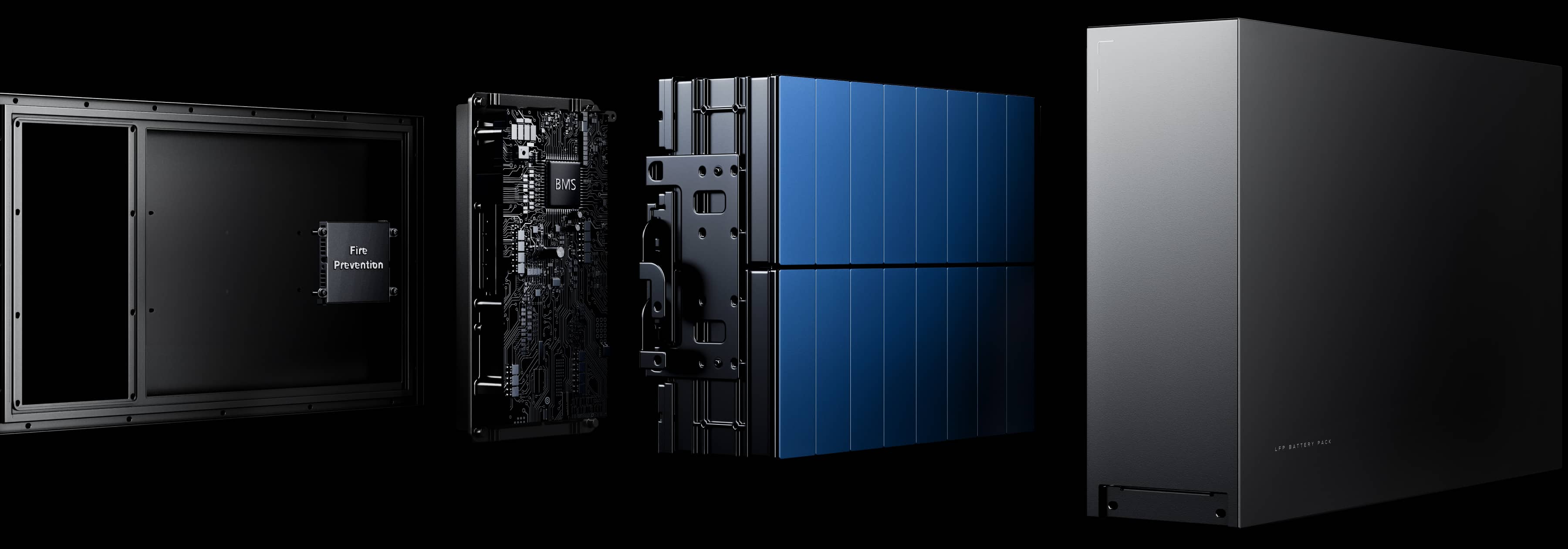
Battery storage systems can provide reliable backup during power outages (due to weather disturbances or electric faults) as they can easily discharge their stored energy for immediate use. This safeguards you from the costs associated with the adverse impacts of power loss, such as food spoilage or production disruptions.
Hedge Against Future Energy Price Rises
A battery storage system lets you store and use your own electricity. This reduces your exposure to future price rises. The less you draw from the grid, the more you shield yourself from sudden market changes and long-term energy inflation.
Costs and Typical Savings
Solar panels alone can save a typical semi-detached UK household around £600 to £1,000 per year. Over 25 years, total savings can reach up to £38,000. Adding a home battery can boost annual savings by a further £200 to £400, with lifetime savings potentially exceeding £50,000. For a detailed breakdown, see the typical cost of solar panels and battery to understand what the full investment looks like.
Schedule Your Free Consultation Today!
What kind of product or solution are you interested in?
Home Battery Storage UK Trends to Consider
Energy cost rises look set to continue through 2026 and beyond. A solar and battery storage system offers clear, measurable cost benefits by capturing and storing solar energy to reduce your grid reliance and lower household bills. The domestic energy storage market in the UK is growing quickly, and more homeowners are locking in savings before costs climb further.
EcoFlow offers a range of home battery storage solutions built for UK households. EcoFlow PowerOcean is an advanced battery storage system that connects to PV systems and offers up to 6,000 charging cycles, anti-overcharging technology, and built-in heating pads for consistent performance. Its capacity starts at 5 kWh per pack and is expandable to up to 45 kWh.
To learn more about the latest solar and battery storage technologies, get a free consultation with EcoFlow.
FAQ
Is it worth getting battery storage with solar panels?
Yes, it is worth it to invest in battery storage with solar panels, as it stores excess PV energy generated during the day for use during peak times or at night. This enhances energy independence and can lead to savings on electricity bills.
How long can solar power be stored in a battery?
Solar power can typically be stored in a battery for at least 8 hours to a few days, depending on the battery's capacity. Under normal usage conditions, lithium-ion batteries can maintain their charge efficiency for up to several days.
Can a solar battery last all night?
Most solar batteries can last all night in an average household. A typical solar battery system is designed to last between 8 to 14 hours, but it still depends on how many appliances it will be powering through the night.
How much does a home battery energy storage system cost in the UK?
The cost of solar batteries for home use in the UK typically ranges from £2,000 to £10,000 depending on the capacity and brand. When combined with solar panels, total system costs can vary widely. A full breakdown of what to expect is covered in our guide on the typical cost of solar panels and battery.
What is the average electric bill in the UK, and how much can a battery system reduce it?
The average electric bill uk for a typical household currently sits at around £100 to £140 per month, depending on household size and usage. A solar and battery storage system can reduce this meaningfully by cutting how much electricity you buy from the grid during peak hours.

