
Adding Batteries to an Existing Solar System in the UK
Yes, you can add a battery to an existing solar PV system in the UK. The most straightforward route is an AC‑coupled battery, it sits alongside your current setup and doesn’t require replacing your existing string inverter. Alternatively, if your inverter is getting on a bit or due for an upgrade, you can swap it out for a hybrid (DC‑coupled) model.
This guide covers everything British homeowners need to know about retrofitting home battery storage from AC versus DC coupling and DNO paperwork, right through to sizing, costs, and realistic returns.
Key Takeaways
No Need to Start Over: Retrofitting doesn't mean ripping out your solar panels. An AC‑coupled system wires straight into your home's consumer unit.
0% VAT Relief: Standalone and retrofit residential battery installations in the UK qualify for 0% VAT, which takes a decent chunk off your upfront costs.
Grid Permissions Matter: Adding battery storage can change the grid-connection requirements for an existing solar system. Depending on the combined system configuration, your installer may need to notify the DNO or obtain approval under the applicable G98/G99 process.
Smart Tariffs Multiply Value: Pair your battery with a time‑of‑use tariff like Octopus Agile or Intelligent Octopus, and you can charge from ultra‑cheap overnight grid rates during those cloudy winter months.
Can You Add a Battery to an Existing Solar System?
Adding a battery to an existing solar system is usually possible, but the best option depends on your current inverter, solar system size, and how much electricity your home uses.
Add an AC-Coupled Battery Without Replacing Your Inverter
An AC‑coupled battery is the standard retrofit choice for UK homes. Here's how it works: your solar panels keep feeding DC electricity into your existing string inverter, which converts it to 230V AC power for your home. Then, instead of sending unused solar back to the grid, a separate battery inverter captures that surplus AC, converts it back to DC, and tucks it away in the battery pack.
Best for: systems where your existing solar inverter is still fairly new, in good nick, and covered by its manufacturer warranty.
Key advantage: it doesn't touch your existing rooftop wiring or mess with your solar panel warranty.
Add a DC-Coupled Battery by Upgrading or Replacing the Inverter
If your solar array was put in 8 to 12 years ago, your original string inverter may be close to the end of its working life. In that case, swapping it out for a modern hybrid inverter gives you a DC‑coupled storage setup.
In a DC‑coupled system, raw DC electricity from your panels goes straight into the hybrid inverter, which charges the battery directly – with minimal conversion losses along the way.
Best for: older solar arrays that are due for an inverter replacement, or homes planning a major solar expansion.
Key advantage: better round‑trip electrical efficiency, because the power avoids multiple DC‑to‑AC‑to‑DC conversion cycles.
DNO Approval & G98/G99 Regulations:
When connecting storage to the grid, your certified MCS installer needs to notify or get permission from your local Distribution Network Operator – that could be UK Power Networks, National Grid Electricity Distribution, SP Energy Networks, or whichever one covers your area.
Here's how it breaks down:
G98 – For small battery inverters up to 3.68kW (16A on single‑phase), your installer simply submits a "commission and notify" form within 28 days of installation.
G99 – For battery inverters over 3.68kW, you need prior written DNO approval before the system can be energised.
AC-Coupled vs DC-Coupled Retrofit Comparison
| Feature | AC-Coupled Retrofit | DC-Coupled (Hybrid Inverter) |
|---|---|---|
| Existing Inverter | Kept in place | Replaced with a hybrid inverter |
| Installation Complexity | Low (wires directly to consumer unit) | Medium (rewires DC array strings) |
| Round-Trip Efficiency | Slightly lower due to extra conversion steps | Generally higher because solar energy can charge the battery directly |
| Disruption to Solar Setup | None | Requires taking the solar system offline during swap |
| Ideal Household Profile | Inverter is under 5–7 years old | Inverter is 8+ years old or out of warranty |
How Do You Choose the Right Battery for an Existing Solar System?
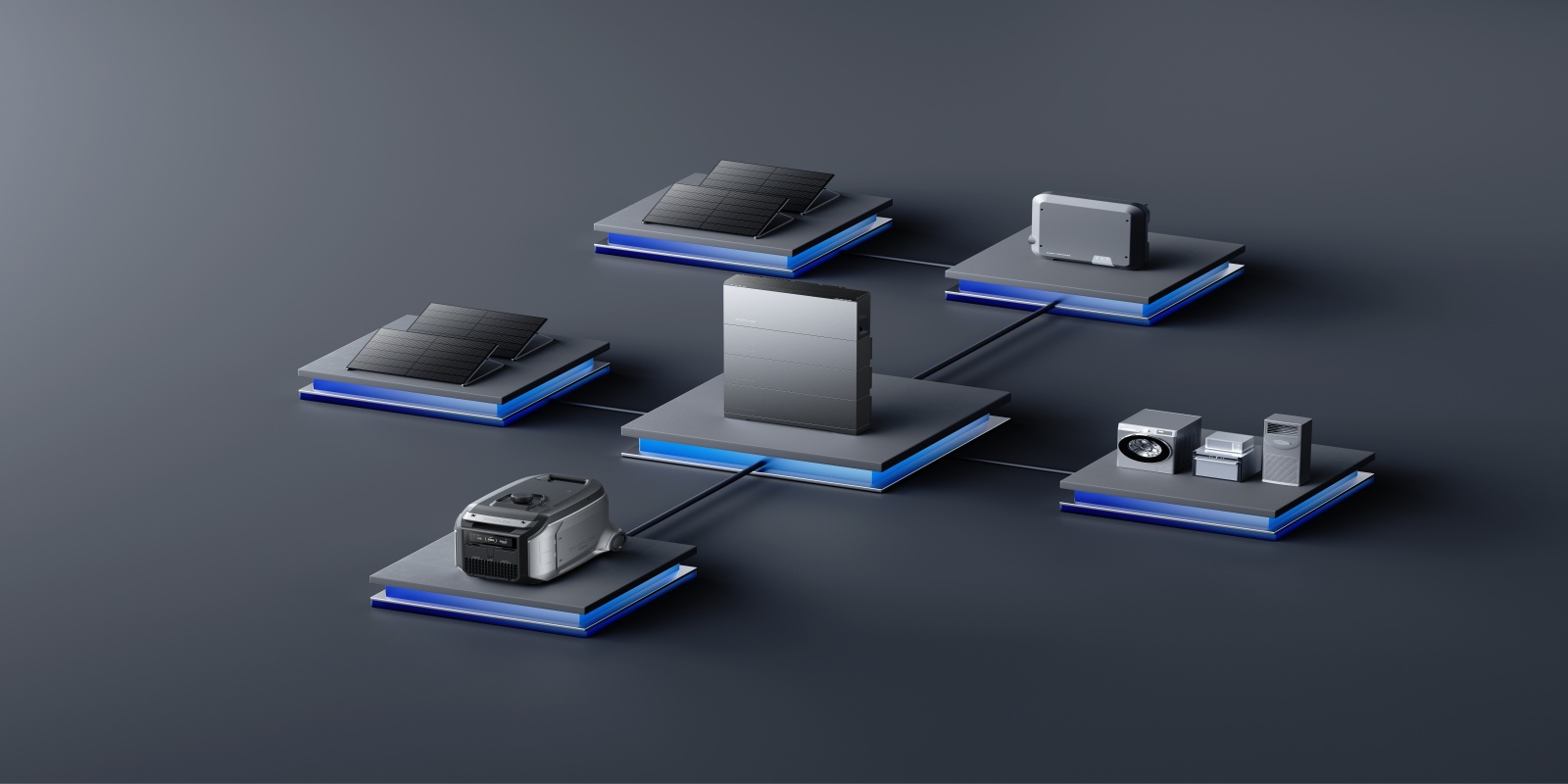
A larger battery is not always better. The key is choosing a size that matches your daily electricity use and the amount of solar energy your panels can realistically produce.
Review Your Current Solar Generation and Export
Before choosing a storage size, check your smart meter data or generation monitor across different seasons. A 4kWp solar array in the Midlands might generate 20–25 kWh on a clear June day but drop to 2–4 kWh on an overcast January afternoon.
If your household uses 12 kWh per day and exports 8 kWh during summer days, a usable capacity between 5 kWh and 10 kWh will capture that surplus without sitting half-empty for months. Understanding how many kWh your house uses each day is essential when choosing a battery size, as storage capacity should match your typical household demand rather than simply maximise available capacity.
Match Battery Capacity to Your Solar Surplus and Energy Demand
Below is a practical sizing reference based on typical UK domestic properties and daily consumption habits:
The examples below are indicative only. Battery capacity should ultimately be based on the home's measured solar surplus, consumption profile and intended use rather than property size alone.
| Household Size | Typical Solar Array | Daily Electricity Use | Illustrative Battery Capacity Range |
|---|---|---|---|
| 1–2 Bedroom Flat / Terrace | 2.0 – 3.0 kWp | 6 – 8 kWh | 3.5 – 5.0 kWh |
| 3–4 Bedroom Semi-Detached | 3.5 – 4.5 kWp | 10 – 14 kWh | 5.0 – 10.0 kWh |
| 4–5 Bedroom Detached (High Tech) | 5.0 – 8.0 kWp | 15 – 22 kWh | 10.0 – 15.0 kWh |
| Home with EV & Heat Pump | 6.0 – 10.0+ kWp | 25 – 40+ kWh | 15.0 – 25.0+ kWh |
Choose a Modular System for Future Expansion
Household energy demands rarely stay static. Choosing the right EcoFlow Solar Battery solution can help homeowners adapt their storage capacity as they add electric vehicles, heat pumps, or other energy-intensive appliances over the coming years.
Choosing a stackable, modular storage architecture saves you from scrapping and replacing expensive equipment later on. For instance, the EcoFlow OCEAN 2 Plus Single Phase system uses a modular setup starting with a 5 kWh battery unit. It can scale up incrementally to a massive 60 kWh as your household’s energy needs grow, allowing you to invest in what you need today while keeping future upgrade paths completely open.
How Much Does It Cost to Add a Battery to Existing Solar Panels?
Retrofit costs vary according to battery chemistry (predominantly Lithium Iron Phosphate / LiFePO4), brand, capacity, and the existing electrical wiring in your home.
Typical UK Retrofit Budget: £3,500 – £8,500 (Installed, 0% VAT)
Battery and Installation Costs
| Battery Capacity | Typical Installed Cost (UK) | Suitable For |
|---|---|---|
| 3.5–5 kWh | £2,500–£4,200 | Smaller homes or households with lower electricity usage |
| 8–10 kWh | £4,500–£6,800 | The most common choice for typical UK family homes |
| 12–15+ kWh | £7,000–£10,000+ | Larger homes, EV owners, or households planning future energy upgrades |
Note: Since February 2024, standalone and retrofit residential battery storage units installed by VAT-registered tradespeople qualify for 0% VAT in the UK, saving homeowners a standard 20% on both hardware and labour.
Inverter or Electrical Upgrade Costs
If you are upgrading to a DC-coupled system, a high-quality 3.68kW to 6kW hybrid inverter will add roughly £1,000 to £1,800 to the bill.
Other potential minor expenses include:
Consumer Unit Upgrades: £250 – £500 (if an older fuse box lacks adequate RCD protection or spare ways).
Cable Runs / External Conduit: £150 – £350 (if siting the battery in a detached garage or utility outbuilding).
DNO G99 Application Fee: £0 – £350 (some regional network operators charge nominal assessment fees for larger discharge capacities).
How Can You Get More Value From a Battery Added to Existing Solar?
A battery can do more than store daytime solar power. With a smart tariff, it can also charge when electricity prices are low and reduce your reliance on the grid during expensive periods.
Use Stored Solar When Household Demand Is Higher
Most UK households experience peak electricity usage between 4:30 PM and 8:30 PM, just as lighting, ovens, induction hobs, TVs, and kettles turn on. By discharging stored solar during this exact window, you bypass standard peak grid rates (often 24p–30p/kWh).
Automate Charging and Discharging With Smart Controls
British winters bring short days and frequent cloud cover, meaning your solar panels will generate significantly less energy between November and February.
Combined with a Home Energy Ecosystem, smart off-peak tariffs (such as Octopus Go or British Gas Electric Driver) allow you to automate battery charging during cheaper periods and use stored energy when electricity prices are higher. When you wake up, your home runs off low-cost stored energy throughout the morning peak.
Monitor Solar Generation, Battery Storage and Home Consumption
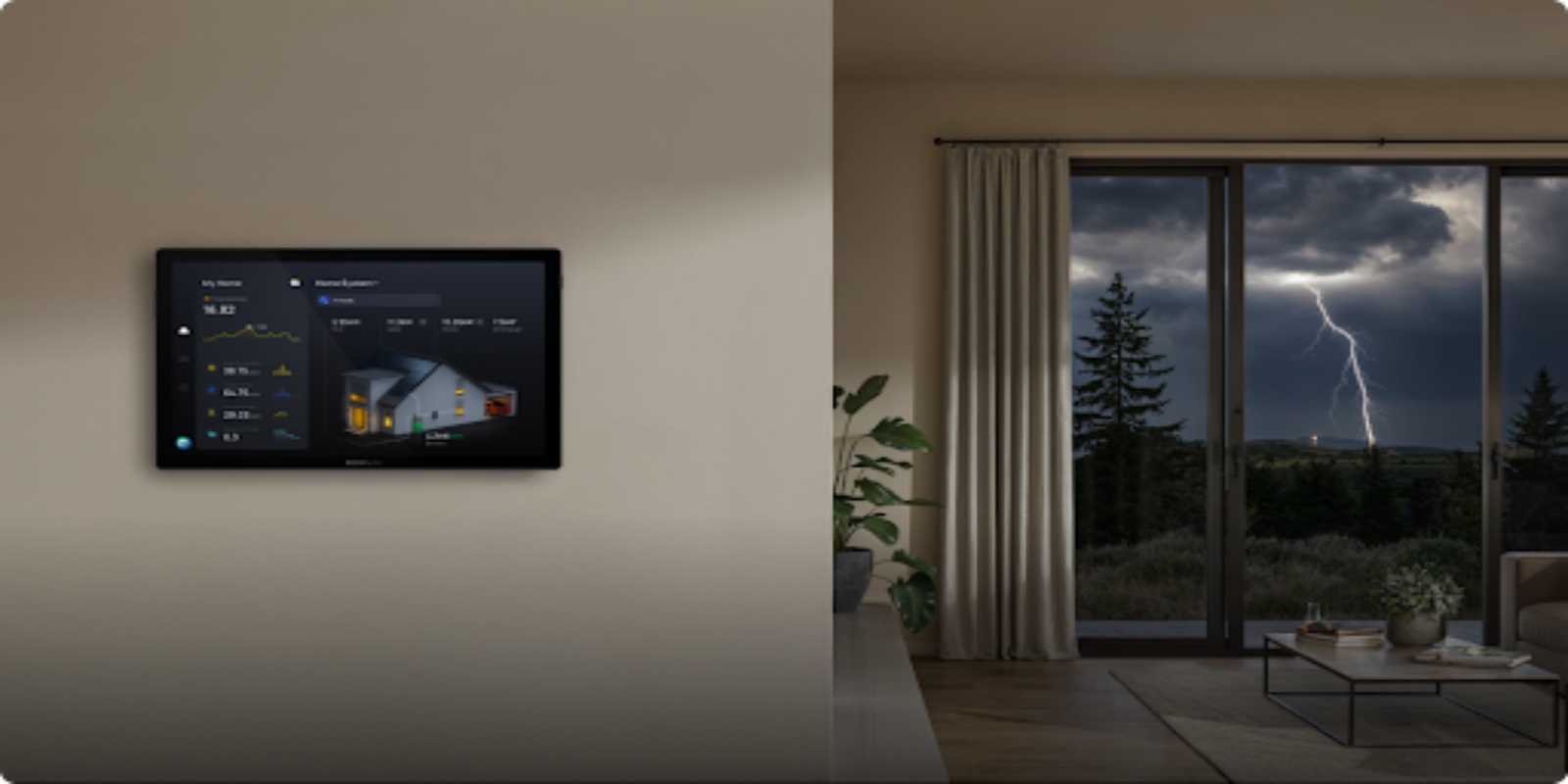
Accurate visibility into power flows ensures you are not accidentally exporting solar or drawing grid power during expensive periods.
An intuitive central control interface simplifies this considerably. The EcoFlow PowerInsight 2, featuring a bright 11-inch touchscreen display, consolidates your solar production, battery state of charge, and total household demand into a real-time visual dashboard. Having clear, live energy data at a glance makes it easy to spot consumption spikes, schedule heavy appliances, and fine-tune your storage habits for maximum self-sufficiency.
Is Adding a Battery to an Existing Solar System Worth It?
Whether a battery makes financial sense comes down to the gap between what your energy supplier pays you to export power versus what they charge you to import it. Tracking changes in how much electricity costs per kWh also helps homeowners estimate potential savings from storing solar energy instead of importing electricity during expensive periods.
Grid Import Price (e.g. 26p) - Smart Export Guarantee (e.g. 5p) = 21p/kWh Value Spread
Compare Your Current Solar Export Tariff vs. Grid Import Price
Under the Smart Export Guarantee (SEG), energy suppliers pay you for surplus energy exported to the grid. Typical flat SEG rates sit between 4p and 15p per kWh.
Meanwhile, standard domestic grid import tariffs average 24p to 28p per kWh. Using that unit of electricity inside your own home saves you around 26p, whereas exporting it only earns you 5p–12p. Retaining that electricity on-site preserves its full retail value.
Calculate Your Payback Period and Return on Investment
How long it takes to pay back a battery depends on how much solar you can actually store and use, plus your electricity tariff. A well‑sized battery can push your solar self‑consumption from around 30%–40% up to roughly 75%–85%, which for many UK households translates to several hundred pounds off their annual bill. That said, the actual savings and payback period (often in the 7‑to‑10‑year ballpark) vary quite a bit. It comes down to battery size, electricity prices, export rates, how you charge it, and your household’s overall energy use.
Schedule Your Free Consultation Today!
What kind of product or solution are you interested in?

Conclusion
Adding a battery to an existing solar setup lets you use more of the power your panels generate, rather than shipping it back to the grid. Solar panels do their best work during the day, but most households don’t really ramp up their usage until the evening and a battery helps bridge that gap.
Whether you go with an AC‑coupled battery that works alongside your existing inverter, or upgrade to a DC‑coupled hybrid system, the right setup can trim your electricity bills and give your home more wriggle room as your energy needs evolve.
FAQs
Will I lose my feed‑in tariff payments if I retrofit a battery?
No. Installing a battery won’t affect your FiT generation payments, those are based on the total electricity your panels produce, not what you export. However, if you switch from deemed export payments to a smart meter with measured export, your deemed 50% export payments will stop. You’ll then be paid based on what you actually export through a suitable export tariff.
Can I install my own solar battery system?
DIY installation isn’t recommended in the UK. Battery retrofits involve electrical work, Part P compliance, MCS certification, and DNO notification or approval under G98 or G99 requirements. It’s not a weekend job.
Can solar batteries be installed outdoors in the UK?
Yes, many batteries are designed for outdoor installation with proper weather protection and temperature management. That said, cold conditions can knock lithium battery performance, so sheltered spots like garages or utility areas are often a better bet. And just to note: UK fire safety guidance advises against installing batteries in lofts or escape routes.
(Note: Under UK installation guidelines and PAS 63100 safety standards, domestic lithium batteries should never be installed in lofts or within designated escape routes due to extreme seasonal temperatures and fire safety regulations).
Is it better to have more solar panels or more batteries?
It is almost always better to maximise your rooftop solar capacity first if roof space and budget allow. Solar panels generate the raw energy, whereas batteries only store what is made available to them; having a large battery pack is of little use if your solar array cannot produce enough excess generation to fill it through the shoulder months.

