
How Many kWh Does a House Use? A Guide to UK Energy Consumption
Whether you’ve just opened a shockingly high bill from Octopus or British Gas, or you’re just curious how your lifestyle stacks up against the average UK household, getting your head around your electricity use is the first step to taking back control. So, how many kWh does a house use? The answer varies, but understanding where you sit on the scale makes all the difference. Energy prices have been on a bit of a rollercoaster lately, which is why “kWh” (kilowatt-hour) has become a household word. This guide walks you through typical usage patterns, shows you how to work out your own footprint, and points out the smartest ways to cut the waste from your monthly energy bill.
.png)
How Many Kwh Does a Typical House Use Per Day?
Getting a handle on your daily burn rate helps you spot problems before they turn into expensive surprises.
Average Daily Usage For Standard Households
According to Ofgem, the average UK household gets through roughly 2,700 to 2,900 kWh of electricity a year. Break that down, and you’re looking at about 7.5 to 8 kWh per day. That said, it’s a broad average – a single professional in a London flat won’t look anything like a family of five in a Cotswolds farmhouse.
Electricity Consumption By House Size
Size plays a part, but who lives there matters more. Generally, the more rooms and people you have, the higher your baseline sits.
| House Size | Annual Usage (Approx.) | Daily Usage (Approx.) |
|---|---|---|
| 1-2 Bed Flat | 1,800 kWh | 4.9 kWh |
| 3-Bed Semi-Detached | 2,700 kWh | 7.4 kWh |
| 4-5 Bed Detached | 4,100 kWh | 11.2 kWh |
Key Factors Affecting Your Daily Power
Beyond square footage, your habits dictate the digits on the meter. Things like working from home (the dreaded “always-on” kettle), planning to install an EV home charger, or having a penchant for long, hot power showers can easily double your daily average.
Impact of Seasonal Weather Changes
During the dark, damp winter months, we see a significant spike in kWh as lights stay on longer and tumble dryers work overtime to combat the British rain.
How Can You Calculate Your Own Home Usage?
You don’t need a degree in electrical engineering to figure out your home’s pulse; you just need the right tools. While manual checks are a good start, many modern households are upgrading to a home energy management system to handle the tracking and optimisation automatically.
Read Your Digital Smart Meter Display
If you have a second-generation smart meter (SMETS2), your In-Home Display (IHD) is your best friend. It provides a real-time “speedometer” of your electricity use. Take a peek when the kettle is on versus when the house is “sleeping” to see your base load.
Analyze Your Monthly Utility Billing History
Your bill contains a wealth of data. Look for the “Comparison” section, which most UK suppliers provide to show how your current month compares to the same period last year. This helps filter out seasonal noise.
Simple Way to Calculate Appliance Costs
To find the cost of a specific device, use this simple formula:
Wattage × Hours used ÷ 1,000 = kWh.
For example, a 2,400W heater run for one hour uses 2.4 kWh. At current price caps, that’s a significant chunk of change.
Try Online Energy Consumption Calculators
Many UK-based charities like the Energy Saving Trust offer free online calculators. You input your appliance list, and they’ll estimate your annual footprint, often suggesting “quick wins” for savings.
Which Appliances Eat up the Most Electricity?
Your LED bulbs might only sip a few pence worth of power, but some household essentials are absolute gulpers – they can send your daily kWh count through the roof. Knowing which devices demand the most energy is key to tracking down the real culprits on your monthly bill.
Energy Demand For Heating And Cooling
Most UK homes run on gas for heating, but electric space heaters and portable AC units are notorious energy hogs. If you’re relying on plug-in warmth, that’s likely where most of your kWh is going.
Power Consumption Of Electric Water Heaters
Got an immersion heater or an electric shower? You’re basically boiling water on demand. A 10-minute electric shower can use upwards of 1.5 kWh – nearly 20% of a small home’s daily budget in one go.
Impact Of Kitchen And Laundry Appliances
The big three – oven, dishwasher and tumble dryer – are your kitchen’s heavy hitters. Modern A+++ rated appliances help, but the tumble dryer remains one of the most expensive things to run during a British winter.
Daily Power Needs For Electric Vehicles
Charging an EV at home is like adding another small house to your bill. When you look at how many kWh to charge a car, a typical home charger will pull 7 kWh for every hour it’s plugged in. That’s why smart charging overnight is so essential.

Where Can You Cut the Most Electricity at Home?
Once you know where the power is going, it’s time to stop the leaks. Here is how to modernise your approach to energy.
Store Electricity Using Home Battery Systems
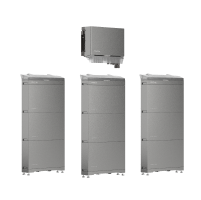
In the current climate of high UK energy prices, installing a whole-home storage system like the EcoFlow PowerOcean is a total game-changer. Since many UK suppliers (like Octopus Energy) now offer dynamic “Time of Use” tariffs, this system uses its smart dashboard to automatically sync with 24-hour real-time prices. It can “fill up” on incredibly cheap green energy during the dead of night and power your home during the expensive evening peak. Plus, it’s built for our miserable weather—with IP65 water resistance and internal heating pads, the batteries stay efficient even in a freezing, damp British winter.
Monitor Real-Time Household Energy Usage
Effective saving starts with precision. By installing the EcoFlow PowerInsight 2, you can turn those confusing utility bills into clear, actionable data on an 11-inch HD screen. In UK homes where “vampire power” (standby energy) is a hidden drain, you can see exactly where every watt is going. It supports Matter 1.4, allowing you to flick off unnecessary appliances with one tap. It even plays nice with UK heating favourites like Tado or Google Nest, letting you balance your heat and power in one place.
Improve Insulation to Reduce Heat Loss
It sounds old-school, but loft insulation and draught-proofing are the most cost-effective ways to lower energy needs. If your home stays warm, your electric heaters don’t have to work as hard.
Shift Appliance Use to Off-Peak Hours
If you don’t have a battery yet, you can still save by load shifting. Running your washing machine or dishwasher at 2 AM (if you have an Economy 7 or smart tariff) can be significantly cheaper than running it at 6 PM.
What's a Good Kwh Target for Your Home?
Setting a goal turns saving energy into a win rather than a chore.
Benchmarks For Energy-Efficient Modern Homes
A highly efficient new-build Passive House in the UK might use as little as 3 to 5 kWh per day. That’s a tough ask for a Victorian terrace, but it shows what’s possible with decent tech and good insulation.
Setting Realistic Monthly Reduction Goals
Don’t try to halve your bill overnight. Aim for a 10% cut first – tackle the vampire loads and use smart monitoring. Once you’ve hit that, look at bigger upgrades like solar or storage.
Switch To Solar For Zero-Cost Power
The end goal for many UK homeowners is energy independence. By combining solar panels with a reliable home battery storage setup, you can effectively bring your grid-bought kWh down to near zero during the sunnier months.
Schedule Your Free Consultation Today!
What kind of product or solution are you interested in?

Conclusion
Understanding how many kWh your house uses is how you have the freedom to run your home without that sinking feeling when the bill lands. Combine a few simple habit changes – like shifting your laundry to off-peak times – with decent tech such as the EcoFlow PowerOcean, and you can shield your wallet from the ups and downs of UK energy prices. Start keeping an eye on your usage today. You’ll probably find that saving money is a lot easier than you thought.
FAQ
1. Is 10 kWh a Day a Lot in the UK?
10 kWh per day is slightly above the national average for a medium-sized home. While not “high” for a large family or someone charging an EV, a typical 3-bed household usually aims for around 7.5 to 8 kWh.
2. How to Tell if Your Smart Meter Is Overcharging?
The most reliable way is to perform a “creep test” by turning off all appliances and checking if the meter still advances. If the display continues to climb when everything is unplugged, you should contact your supplier for a formal meter accuracy test.
3. Is It Still Cheaper to Use Electricity at Night?
Yes, but only if you are on a specific “Time of Use” or “Economy 7” tariff. Most standard variable tariffs charge the same flat rate 24/7, so check your plan before you start doing laundry at midnight.
4. Do You Actually Save Money with a Smart Meter?
A smart meter doesn’t save money automatically, but the visibility it provides usually leads to lower bills. By seeing the real-time cost of boiling a kettle or using a tumble dryer, most users naturally adjust their habits to save.
5. Does Unplugging a Washer and Dryer Save Electricity?
Yes, it eliminates “vampire power,” though the savings are usually quite small. Modern appliances have very low standby draws, but across a whole house, unplugging unused electronics can save the average UK home about £40–£60 a year.

