
Home vs Portable Electric Car Charger: Top factors to consider
Queuing at public charging stations and paying as much as £0.79/kWh while your neighbour charges overnight for £3.50 is a valid reason to invest in your own home or portable electric car charger. This guide covers the key factors to consider so you can choose the right option for your EV and lifestyle in 2026.
Basics of a Portable Electric Car Charger
A portable electric car charger is a compact, plug-in unit for standard 3-pin sockets, useful not only at home but even while travelling.
Level 1 charger: Often referred to as a “slow charger” which draws approximately 2.3kW. It plugs into a standard UK 13A domestic socket (BS 1363).
Level 2 charger: Drawing up to 7.4kW, this is the faster unit (often matching the speed of a fixed wallbox). It requires a dedicated blue industrial socket (IEC 60309).
Choose between a tethered unit (with a built-in cable) and an untethered unit (separate cable for flexibility).
Why Choose a Home or Portable Electric Car Charger Instead of a Public One?
Learning how to save energy at home is just one of the numerous benefits of investing in a home or portable electric car charger.
Portable Charger for Electric Car: Ready to Use Straight Away
You can use this EV charger upon purchase, especially if yours is a 3kW to 7kW model which can be plugged into any 13A socket. If you’re renting a property, living in a flat, or sharing a driveway with others, this is best suited for you.
Convenience and Flexibility
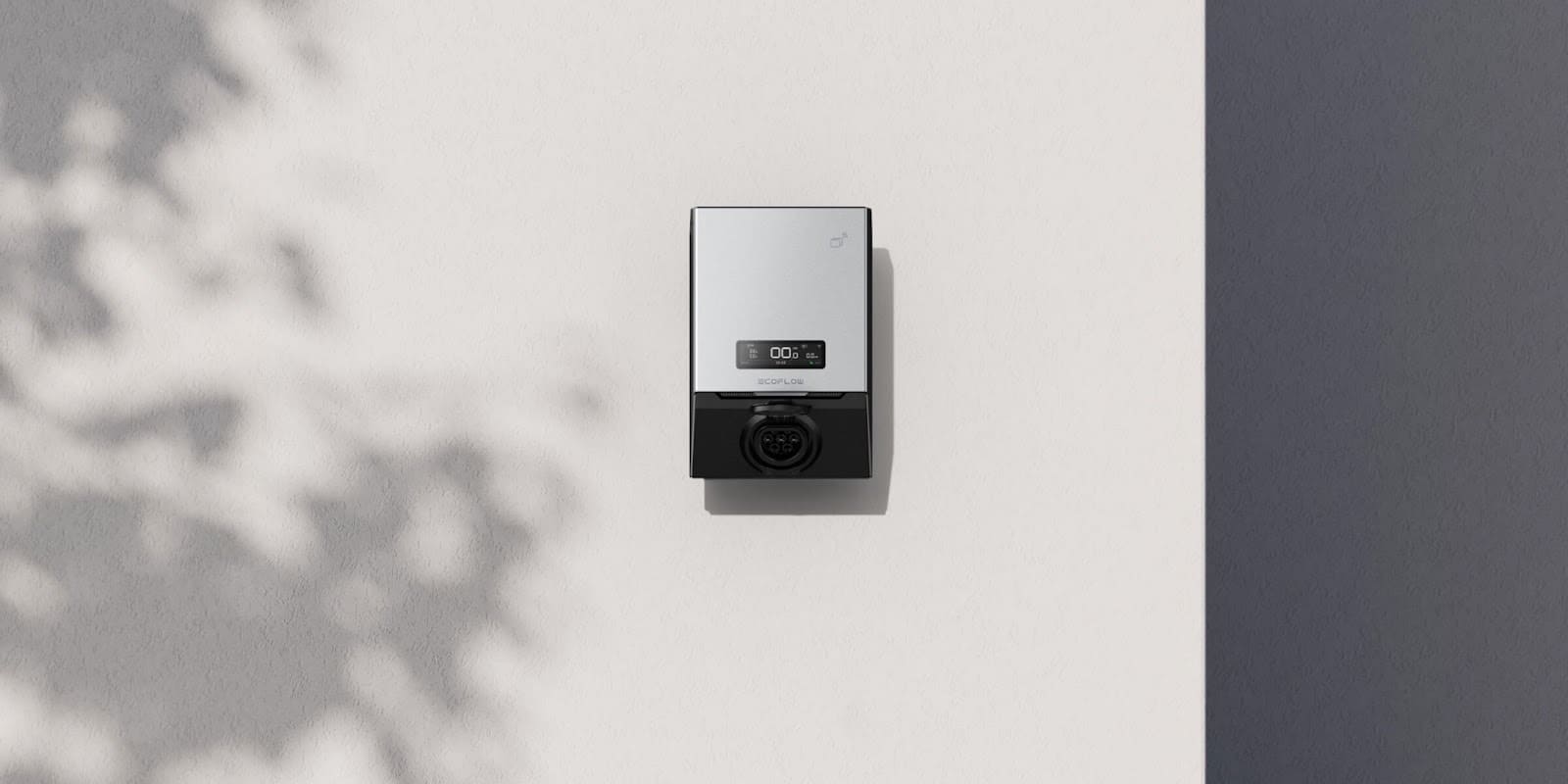
Models like EcoFlow PowerPulse 2 weigh less than 4 kilograms making it compact and boot-friendly. It makes it easy for you to install and use at the convenience of your own garage. The EcoFlow PowerPulse 2 weighs less than 4 kilograms, making it compact and boot-friendly. It also supports dynamic tariff pricing to help you cut charging costs further.
Portable EV Car Charger Cost Savings
Charging at home can cost as little as £3 to £5 for a full charge compared to around £30 at a public rapid charger. A portable EV car charger also costs between £100 and £400 upfront, far less than a fixed wallbox installation.
Factors to Consider When Choosing Your Portable and Electric Car Home Charger
Weighing below factors will help you choose the most worthwhile charger.
Output and Charging Speed for Your Portable Charger Electric Vehicle
If you live in a property with outdated wiring, best to choose a charger with adjustable amperage (6A to 32A) to prevent overheating. A good start is to aim for a 7.4kW (32A) max power to match UK home supplies, which adds around 20 to 30 miles per hour.
For home EV chargers, the PowerPulse 2 delivers 22 kW three-phase output, meaning fast and clean charging on private property. You can also charge using solar energy and set priority rules to draw from solar whenever it is available.
Compatibility with Your EV
Most modern EVs use Type 2 connectors, but always verify by checking your vehicle manual or trusted online sources. Battery size also matters. While Plug-in Hybrids (PHEVs) with smaller batteries benefit from a "slow" charger, full Battery Electric Vehicles (BEVs) with large 60kWh+ batteries might need a faster unit.
Cable Length and Portability
Standard cable lengths today are 5-meters or an 8-meters cable. Measure the ideal length by considering the distance between the socket and your charging port. If you use your electric vehicle often, opt for a charger that’s lightweight.
Smart Features and Connectivity
Smart functionalities to consider include app control, real-time monitoring, smart home integration, and OTA (over-the-air) updates. Prevent blowing your home fuse by looking for a portable electric car charger with dynamic load management.
For home EV chargers, you can monitor and track your charging with intelligent management systems. For instance, the PowerPulse 2 connects to a home energy management system UK that gives you full visibility and control over your charging schedule. Homeowners can also track and manage charging through EcoFlow PowerInsight 2, a home energy monitor hub that works across your full home setup.
Safety Features
To minimize risks like cable damage, choose a charger compliant with BS EN 61851. Other features to look out for are:
Overcurrent/overheat protection
Weatherproofing
Auto-shutoff
The PowerPulse 2, for example, features an outdoor-ready installation with its IP55 rating.
Cost and Warranty
Beyond the upfront price, also factor in hidden costs, OZEV grant eligibility, and long-term savings. Consider warranty duration (ideally minimum of 2 years) and efficiency of UK-based customer service and replacement parts availability.
Electric Car Home Charger Installation and Setup Tips
Take note of the crucial steps to avoid delays or accidents that are otherwise avoidable.
Schedule Your Free Consultation Today!
What kind of product or solution are you interested in?

DIY vs. Professional
Most portable EV car chargers plug straight in, so you don’t have to hire a qualified installer anymore. However, ensure that your fuse box can handle 13A capacity. In the case of faster models (e.g., 32A), you might need a professional as these necessitate a dedicated circuit. Installation fees range from £200 to £500.
UK Regulations and Incentives
Check eligibility for the OZEV grant, which can reduce your upfront costs by £350. For long-term savings, consider off-peak tariffs like Octopus Go, which can bring your per-unit cost down to around 7p/kWh.
A step-by-step setup guide for UK homeowners:
Ensure your fuse box has spare capacity (100A main fuse is ideal).
Route the cable properly to prevent trip hazards.
Pair with an app to enable smart scheduling for off-peak tariffs.
How To Know If a Portable Charger for Electric Vehicles Is Right for You
Undecided between sticking to public charging and investing in your own EV charger? These might help.
Questions to Ask
If your answer to the following questions is yes, then a portable electric car charger is for you.
Rent or live in a flat? A portable charger avoids needing landlord approval.
Have a daily mileage under 100 miles? A standard portable charge easily covers the average UK commute overnight.
Have a standard 13A socket within 5–8m of your parking spot? You can plug straight in without extra installation.
Travel or visit family often? Pack the charger in the boot to top up at any holiday cottage or relative's house.
On a strict budget or awaiting OZEV approval? A £200 (or less) portable unit pays for itself and lets you charge while you wait.
When to Upgrade to a Fixed Charger
On the other hand, consider a fixed wallbox if:
Your daily mileage exceeds 150 miles.
You have multiple EVs. Charging two cars at once can overload your main fuse. The PowerPulse 2's dynamic load balancing prevents this by distributing power across circuits automatically.
You want full solar integration. A smart charger such as PowerPulse 2 does the job with its dedicated "Solar Mode," automatically diverting surplus energy from your roof straight into your EV.
Buying Your Own Electric Car Charger Is a Long-Term Investment
Portable electric car chargers give UK drivers flexibility, mobility, and lower charging costs without complex installations. For renters and commuters covering under 100 miles a day, they are a practical way to avoid expensive public charging rates.
By prioritizing smart features and safety, you secure a reliable, "plug-and-play" solution that fits your lifestyle today.
FAQ
Is it OK to leave a car battery charger on overnight?
Modern EVs and portable chargers have built-in management systems that cut power once the battery is full to prevent overcharging. This prevents overcharging and is the best way to use cheap overnight off-peak rates.
Is it better to charge to 80% or 100%?
For daily driving needs, charging to 80% is best for most batteries (NMC) to maximise lifespan. Reserve 100% for long trips. The main exception is LFP batteries (in many MGs/Teslas), which should be charged to 100% at least once a week.
What are the disadvantages of portable EV chargers?
The main trade-off is speed; standard 3-pin units take longer, making them perfect for overnight charging rather than rapid fills. While they require a healthy socket, they offer unmatched flexibility at a low cost.
How long does it take to charge an electric car at home?
Electric car charging time at home depends on your charger type and battery size. A Level 1 unit drawing 2.3kW can take 20 to 30 hours for a full charge on a 60kWh battery. A Level 2 unit at 7.4kW cuts that to around 8 to 10 hours, which suits most overnight charging routines. PHEVs with smaller batteries typically charge fully in 2 to 4 hours on a Level 2 unit.
Can you charge an electric car with a standard home socket?
Yes. A standard 13A UK socket works with most portable chargers for electric cars, giving you a Level 1 charge at around 2.3kW. This is the slowest option but is perfectly fine for overnight charging if your daily mileage is under 100 miles. For faster ev home charging, a dedicated socket or wallbox running at 7.4kW is recommended, adding 20 to 30 miles per hour of charge.

