
Why you should solarize energy and sell power back to the grid in 2026
Generating energy from renewable sources will allow you to earn and save for the long term. When you solarize energy, you have a way to power your home while also selling electricity back to the grid for a profit. With the right setup, selling solar power back to the grid can turn your roof into a source of income.
Why you should solarize energy in 2026
The use of PV systems in the UK and Europe has experienced a surge in recent years. In 2025, the number of new installations in the UK grew by 35%. This growth is expected to continue into 2026 as more households look to sell solar back to the grid and lower their energy costs.There is now a growing push from the UK government and the EU to use more renewable sources for greater responsibility. Households continue moving toward self-generation because when you solarize energy, you decrease your carbon footprint, and can sell surplus generated energy to your grid.
Smart meters are needed when planning to export electricity, as they measure the energy you sell and send the data to suppliers.
Benefits of selling electricity back to the grid
There are clear benefits of selling electricity back to the grid when you solarize energy. The main benefit is reducing your bills. It also supports grid decarbonisation and helps your local energy network become more sustainable.
Savings from self-consumption
High self-consumption using your own solar-generated energy can yield the highest savings. Exporting energy may be better in the short term, but consuming your PV-generated solar energy allows for more long-term gains. These gains are amplified with solar battery storage. You can handle Time-of-Use tariffs better by not being reliant on the grid during peak hours.
Battery storage and smart export strategies in 2026
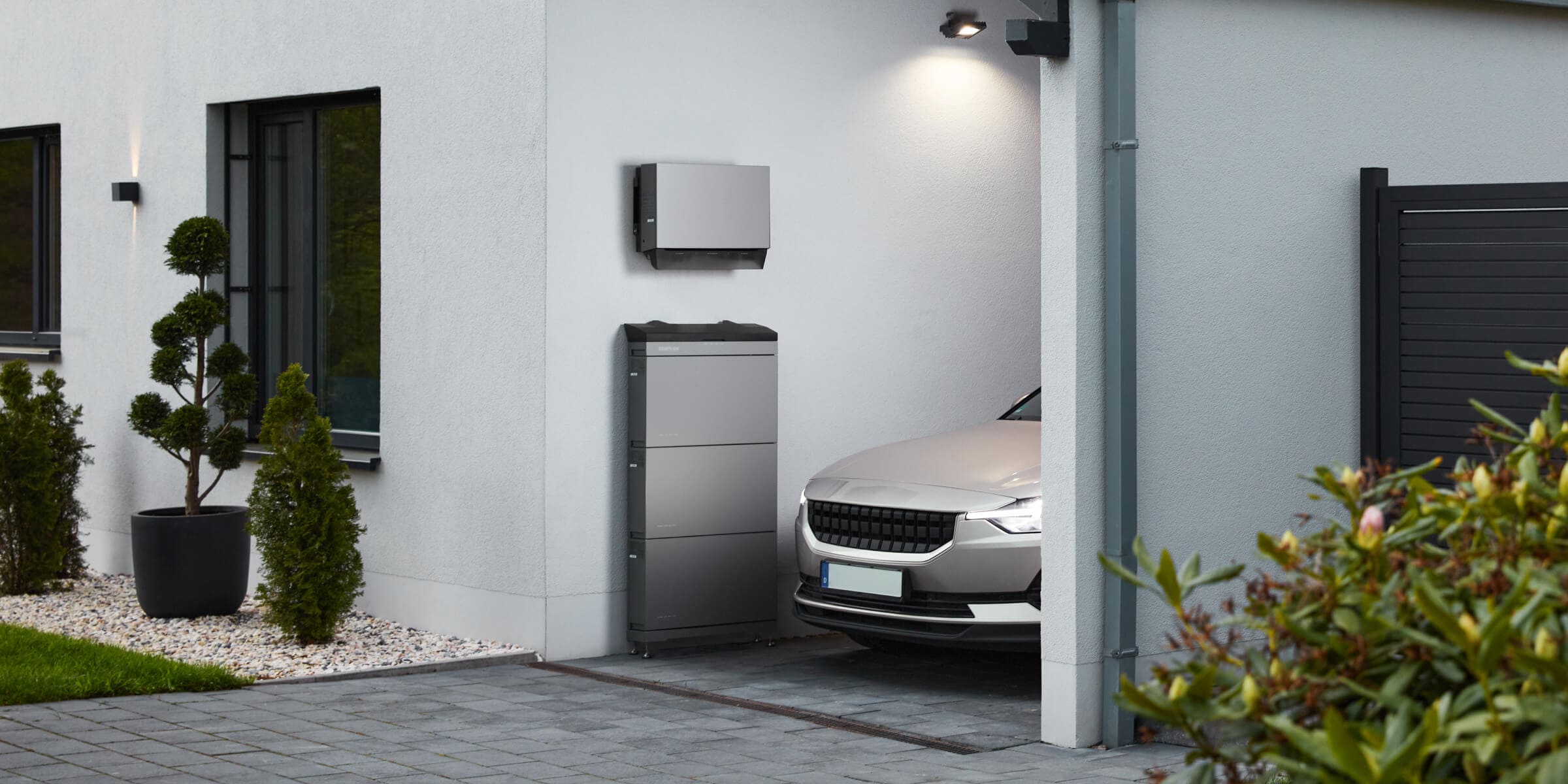
Battery storage gives homeowners greater self-consumption since it stores surplus energy generated by your PV system. However, your storage must be compatible with your PV system. Storage systems like EcoFlow PowerOcean offer modern solutions that let you use stored energy during peak grid hours or during outages.
With the help of the EcoFlow HEMS app and PowerInsight 2, an all-in-one energy monitor, you can automate load switching protocols. This lets you save money during peak grid hours. The less time you buy imported electricity during peak hours, the lower your monthly energy bill will be, leading to more savings.
These savings can shorten the payback period of your installed home battery and solar system. You may also become eligible for grants and schemes that incentivise storage use. Smart storage strategies in 2026 can lower your carbon footprint and help with maximising solar power generation.
Renewable energy buyback scheme in 2026: SEG vs FiT vs PPA
Scenarios | SEG (Smart Export Guarantee) | FiT (Feed-in Tariff) | PPA (Power Purchase Agreement) |
|---|---|---|---|
Currently used for | Ongoing mechanism for most homes in the UK. | This is the new scheme that was used from 2010 to 2019. New installations cannot avail of this scheme anymore. | For businesses with higher solar energy generation. |
Will you be paid for using generated energy? | No | Yes | Depends on agreement with the supplier. |
Will you be paid for exporting energy into the grid? | Yes | Yes | Yes |
How long are rates locked? | No, rates can change yearly, and they can vary depending on your provider. | Rates are locked for 20 to 25 years. | Yes, rates are fixed, and depending on your agreement with your supplier, it can last for 10 to 25 years. |
You can switch from the feed in tariff UK scheme to the SEG for free. However, FiT payments are fixed, and SEG rates can change yearly. PPA rates are also fixed for 10 to 25 years, depending on the agreement you signed with your supplier.
FiT is already closed for new applicants.
The Smart Export Guarantee (SEG) is the current scheme and will only pay for surplus energy exported.
PPA is for large-scale solar energy generators.
How does the renewable energy buyback scheme work?
The SEG (Smart Export Guarantee) was established in 2020 and has replaced FiT as the primary UK renewable energy buyback scheme. The SEG rate is market-based and is not a government grant like the FiT. It is the main route for homeowners selling power back to the grid. To qualify for the SEG, you’ll need specific equipment, which should meet the criteria set by Ofgem.
Your renewable energy source (solar, wind, or hydro) must have a capacity of up to 5 MW. Micro-CHP systems must have a capacity of up to 50 kW.
Your PV installation should have an MCS certification.
A smart meter should be installed that has been approved by your supplier.
The location of the system should be in the UK.
The SEG is the scheme used for small-scale renewable sources found in homes. For larger systems and businesses, the PPA allows them to set rates depending on their agreement with the buyer.
How to start selling solar power back to the grid
To start selling solar power back to the grid, there are numerous steps that you have to undertake. Following these steps will allow you to earn money for the energy your PV systems have generated.
The first step is to confirm your PV system certification. This means your installer should be MCS-certified.
Then, you can now install a smart or export meter that has been approved by your supplier.
Then, depending on the size of your system, select an SEG tariff or PPA provider. Be aware of the agreed-upon rates and that SEG tariffs can change yearly.
Next, consider your battery sizing. This determines how much surplus solar energy you can store for your own consumption.
You can apply for grants and support programs to speed up the equipment payback and get your ROI sooner rather than later.
Lastly, make sure that the company making your installation has certifications and are reputable.
Schedule Your Free Consultation Today!
What kind of product or solution are you interested in?
Key takeaways for 2026
Exporting power when you solarize energy can help you financially and environmentally. The best results come from incorporating battery storage into your solar system. Review tariffs regularly, as policy changes can affect your returns. Early planning provides better long-term value.
Request a consultation with EcoFlow today and get our experts’ opinions on home storage solutions.
FAQ
1. Is solar power worth it in the UK?
Yes, solar power is worth it in the UK. You can be eligible for grants that reduce the upfront cost of installation. You can also earn money by selling surplus energy your system has generated.
2. Can I sell my excess solar energy in the UK?
Yes, you can sell your surplus solar energy in the UK. When planning to do so, make sure you are eligible and pick a scheme that fits the size of your PV system. For small systems found in homes, go for the SEG scheme and PPA for larger systems.
3. How to sell excess solar power?
Check your eligibility and make sure your installer is MCS-certified. Then, install a smart meter that has been approved by your supplier. Next, select a scheme, either SEG or PPA, depending on the size of your PV system.
4. What can I do with my excess solar power?
You have the option to sell your excess solar power to your supplier or store it using a storage connected to your PV system. Selling generated energy will allow you to get paid, but using a storage can help with better long-term savings.
5. Do you get money back from using solar energy?
Yes, by selling surplus generated energy, you can earn money depending on the export rate agreed with your supplier. Battery storage allows for better long-term savings and higher self-consumption.

