
Why Storage Is Essential for a Complete Solar House in 2026
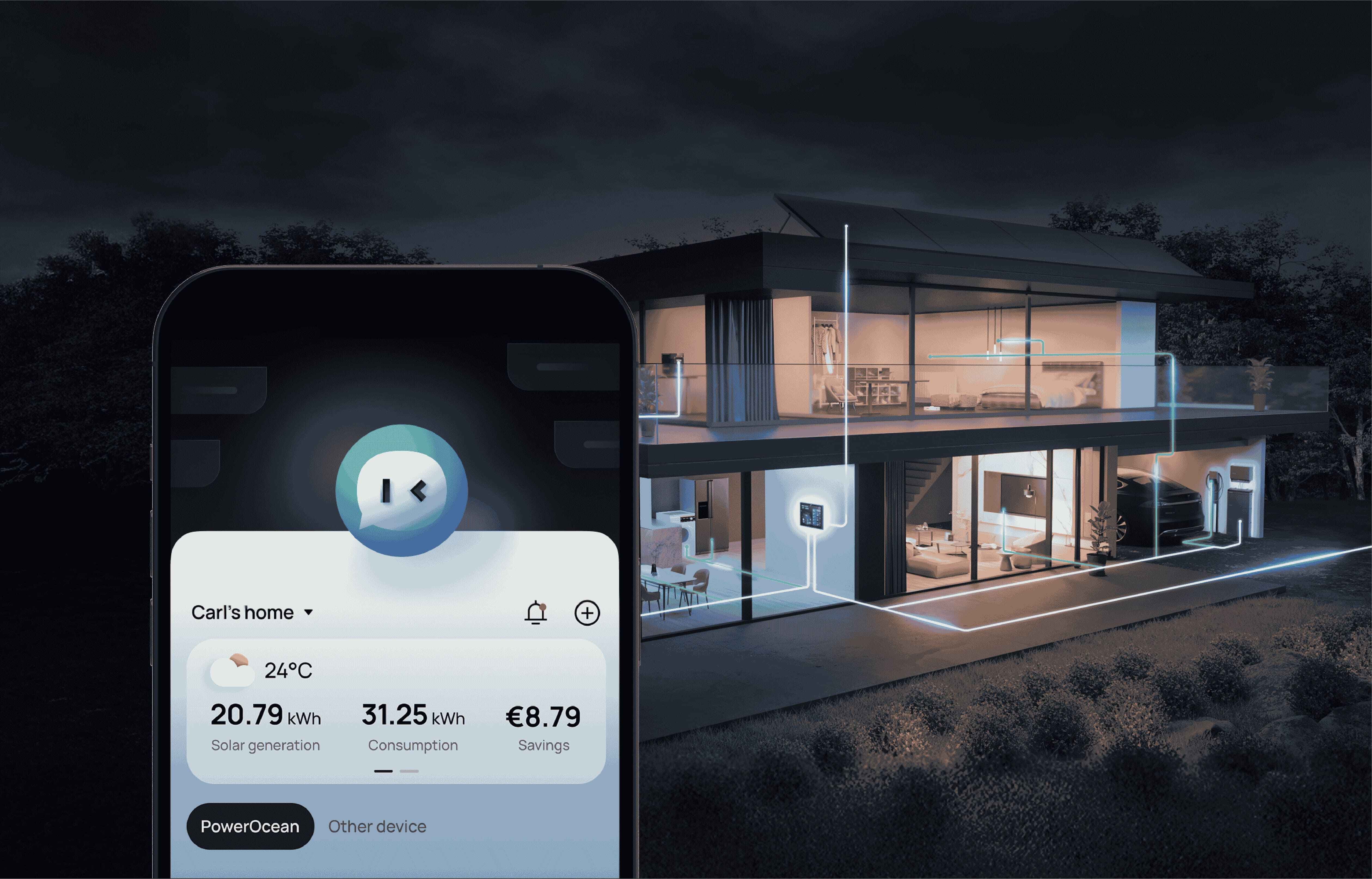
A true solar house is more than just a roof fitted with solar panels - it is a complete energy ecosystem. Without battery storage, even the best solar setup cannot reach its full potential. As energy prices continue to rise across the UK and solar incentives expand, understanding how solar energy work and how to store it at home is crucial for maximising savings in 2026.
What Is a Solar House? Key Components Explained
A solar house generates a significant portion of its own electricity from sunlight. It is one of the most effective ways of storing solar power at home. They incorporate an integrated system of solar panels, battery storage, and smart controls to maximize efficiency and self-consumption.
The solar house “trend” saw a record surge in recent years, when UK rooftop solar installations almost hit 190,000—the highest in over a decade. Today, the UK government is encouraging more installations with incentives like 0% VAT on solar panels and home batteries, which is currently set to run until March 2027.
How Much Does Solar Power Save With and Without Battery Storage?
One reason solar homes have become popular is the significant amount of money they help homeowners save. For context, the average 3-4 person UK household uses 8 to 10kWh of electricity daily or up to 3,600kWh annually. With a solar PV system, you can generate between 50 to 70% of your needs. For every kWh you don’t import, you save up to 30 pence.
The typical solar self-consumption percentage without a battery in the UK often sits between just 20% and 40%. This means the rest is sold back to the grid at lower rates. By learning how to store solar energyeffectively, you can boost self-consumption up to nearly 90%.
Why Is Solar Energy Good for Your Home?
While solar panels can significantly reduce electricity bills, introducing home battery storage will make your solar house even more self-reliant. Here are a few other reasons why you should consider adding home storage.
Boosting Self-Consumption
The ultimate goal of home storage solutions like EcoFlow PowerOcean is to help you store excess solar generation for use when you need it most. By using stored solar energy in the evening, you avoid pulling from the grid.
With a dynamic time-of-use tariff, you can program your system to charge or discharge in sync with fluctuating prices. Some tariffs pay a premium (about 30p per kWh between 4 and 7pm) for electricity exported during the early evening peak.
Maximising Your Solar Panel ROI With Home Battery Storage
Going solar comes with significant upfront costs, but how much grid electricity you can avoid buying will determine how quickly your solar panels pay for themselves and how much you save overall. In terms of solar panel ROI, a 3 kW AC output from 12 solar panels has a solar payback of about 6 years, but it will also give you an average annual savings of £950.
With a home battery like PowerOcean, more of your solar generation directly replaces expensive electricity because you aren’t exporting most of it. With the UK’s 0% VAT policy, you immediately save 5% of the system cost. When you consider the total cost of solar panels and battery storage, payback can take as little as 7 years.
Storing Solar Energy at Home for Greater Energy Independence
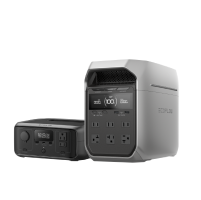
If you live in an area prone to power cuts, investing in home storage works like a permanent portable power station for your entire house, giving you the peace of mind you need. Batteries, often paired with hybrid inverters, isolate your home from the grid and power your home as usual.
During Europe’s energy crisis, homes equipped with battery storage were better protected against bill shock, something worth considering if you live in a more rural area.
But how can home solar battery storage support households with irregular routines or work patterns? Simply by capturing energy during peak sunlight hours and using solar energy battery storage to power your home whenever you return. LiFePO4 batteries like PowerOcean ensure you lessen grid dependence regardless of your schedule
Supporting the Energy Transition
While solar and wind are powerful, they’re unpredictable. Thus, the ability to store the energy you create keeps your home functioning steadily. According to the UK’s Smart Systems and Flexibility plan, solar batteries are the key to turning your home into a mini power hub that can help strengthen the national grid while saving money.
Schedule Your Free Consultation Today!
What kind of product or solution are you interested in?
How Does Solar Energy Storage Work in a Solar House?
Solar panels generate electricity during the day, with batteries storing excess energy for later use. How your battery “communicates” with the panels is through AC and DC coupling.
AC coupled battery storage systems convert solar energy to AC for your home, and back to DC for storage. With DC-coupled systems, energy doesn’t undergo conversion, which is best for new installations. On the other hand, a hybrid inverter converts DC power into AC for home use, routes extra DC energy into the battery, and handles power back to the grid when necessary.
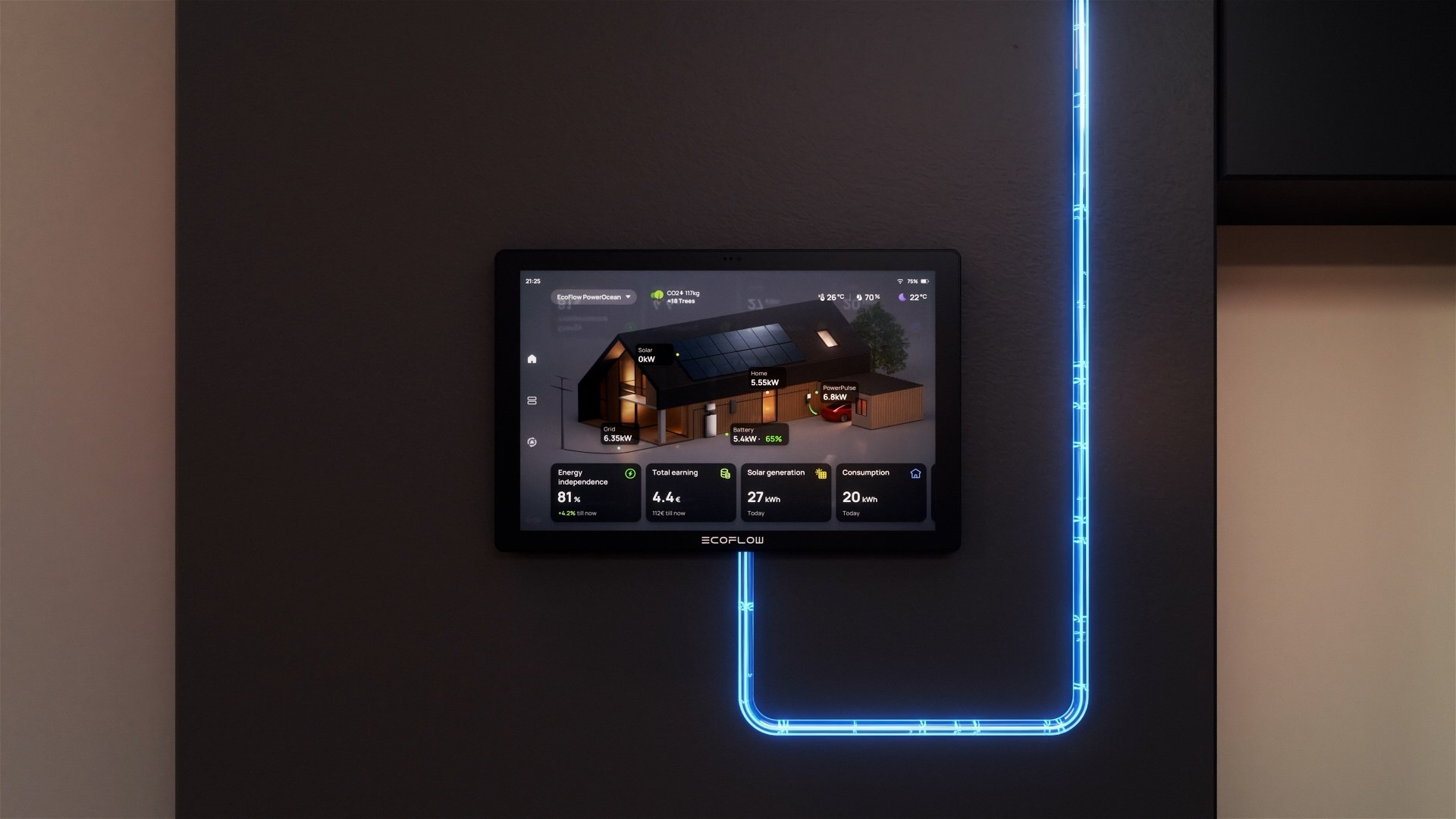
Finally, the mind behind a solar house is a smart home ecosystem managed by a home energy management system (HEMS). EcoFlow’s AI-powered HEMS can optimize and monitor your energy use automatically, and fully integrates with PowerOcean as well.
When it comes to comparing a home battery energy storage system, focus on the key specifications below:
Capacity (kWh): How much energy the battery stores
Power (kW): How fast the battery can deliver energy
Depth of Discharge (DoD): How much of the battery you can use (for example, modern lithium batteries allow between 90 and 100% total use)
Round-trip efficiency: How much energy is returned after charging and discharging
Lifespan (cycles): How long the battery lasts
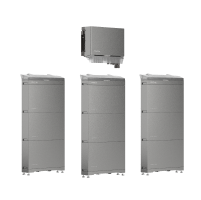
In context, PowerOcean (Three-phase) has a 95% DoD and a 4.8 kWh usable capacity from a single 5 kWh battery pack. It’s also fireproof and weatherproof, with an average lifespan of 6000 cycles. Featuring a modular system, you can also easily expand your storage capacity to 45kWh with PowerOcean.
UK Solar Incentives & Economic Outlook for 2026
This 2026, home storage is the essential puzzle piece needed to push a high-renewables future. The EU’s Renewable Energy Directive is urging member states to remove barriers to solar production and meet climate targets through these initiatives.
Smart Export Guarantee (SEG)
The Smart Export Guarantee (SEG) is a UK policy that compensates homeowners for sending excess solar energy back into the grid. Rates are set by energy suppliers, ranging between 5p and 15p per kWh. With a home battery, you can store energy and time your exports for better prices.
Zero VAT on Batteries (UK)
As part of government efforts to lower the cost of green home improvements, VAT went from 5% to 0% on installations for solar panels, home batteries, and other energy-saving equipment. This VAT incentive supports residential solar and storage equity by reducing upfront costs for most installs until March 31, 2027.
EU Perspective
The EU’s push for home storage focuses on flexibility, decentralization, and resilience. It’s empowering homeowners to become both producers and consumers of energy. UK residents own millions of small-scale batteries that balance supply and demand more effectively than the centralized grid.
Building Your Complete Solar House Ecosystem
Imagine this. Your system acts as a whole-home solar generator: panels capture sunlight, turning it into electricity, while extra power flows into a battery like PowerOceanfor later use. A home energy management system, like EcoFlow HEMS, manages solar output, battery level, and grid electricity prices to determine where your kilowatts should be allocated.
And with EcoFlow PowerInsight 2, you can fully monitor and optimize the energy controls of your home. You can manage your energy flow, predict usage patterns, and respond to time-of-use tariffs.
Key Takeaways: Why is Solar Energy Good for UK Homes?
Solar energy is inherently “good” for obvious reasons. You save money while lowering your carbon footprint. But the benefits run deeper than just contributing your fair share to the environment.
First, you’re getting round-the-clock clean power and maximizing your self-consumption. You’ll also be less vulnerable to energy price fluctuations and supply issues. Add home storage, and you ensure that none of your clean energy goes to waste. With everything working together, your solar home becomes completely energy efficient.
FAQs
How much can a solar battery save on energy bills?
A solar battery can boost a typical solar home’s self-consumption from 40% to roughly 80% or more. By storing and selling energy when prices are high, households can enjoy hundreds of pounds in annual savings and double their bill reduction.
Do solar panels work during a power cut?
Standard grid-tied solar systems will shut off during a power cut for safety reasons, but batteries with an appropriate inverter and backup system ensure that your solar panels can continue to power essential loads, such as lights and appliances.
Is solar battery storage worth it in the UK?
Yes, solar battery storage is a worthy investment for UK households, as they can capture more value from their solar panels and ensure they’re distributing energy appropriately. It shortens the payback period and even has lower upfront costs. If you’re deciding which is better solar or generator, solar battery storage is often the better long-term investment in the UK.
Can I add battery storage to an existing solar panel system?
Yes. Many UK homeowners can retrofit battery storage to an existing solar setup. The best option depends on your inverter, current system design, and whether AC or DC coupling is more suitable.
How long does a home solar battery typically last?
Most modern home batteries last for many years, depending on usage, chemistry, and cycle life. Systems using LiFePO4 batteries are especially valued for their long lifespan and reliable performance.

