Is Solar Worth it in Australia? Evaluating Costs and Savings in 2026
Electricity bills are climbing fast across Australia in 2026. If you own a home, you have probably looked at your latest power bill and asked yourself, is solar worth it? This is a great question. It is a big investment, and you want to be sure it pays off.
We want to give you a clear, honest answer. In this complete guide, we will look at the real costs of installing solar systems today. We will explore the financial benefits and the latest government rebates. We will also break down how long it takes to pay off your system. Finally, we will explain how adding a home energy storage setup can lock in your long-term savings. Let's break down everything you need to know.
Why use solar power in Australia?
Australia is in a very unique position. It is one of the sunniest continents on earth. This makes it an absolutely perfect environment for generating your own solar energy. Think of your roof as an empty power plant just waiting to be turned on.
At the same time, the cost of buying electricity from the main power grid keeps going up. Everyday things like running the air conditioner, using the washing machine, or heating your water are becoming much more expensive. Because of these rising costs, producing your own power is one of the best ways to protect your family's budget. It is a strong hedge against inflation. So, is solar power worth it today? Absolutely.
When you generate your own power, you do not have to worry as much when utility companies announce their annual price hikes. If you are wondering if solar electricity is worth it for the average household, the answer starts with independence. By shifting away from the public grid, modern homes are upgrading to a complete home solar battery solution. This gives you control over how much you spend on energy every single month.
Average cost of solar installations in 2026
Before you can figure out your savings, you need to know the upfront costs. The price of a solar system depends on a few different things. The main factor is the size of the system, which is measured in kilowatts (kW).
For a standard Australian home, a 6.6kW system is the most popular choice. In 2026, you can expect to pay between $4,000 and $6,000 for a good-quality 6.6kW setup. If you have a larger home with a swimming pool or ducted air conditioning, you might need a 10kW system. A 10kW system usually costs between $8,000 and $11,000.
These prices generally include three main parts. First, you are paying for the solar panels themselves. Second, you are paying for the solar inverter. The inverter is the box that turns the raw solar energy into usable electricity for your house. Third, you are paying for the professional installation.
Keep in mind that prices can vary depending on where you live. For example, a home in a remote part of Western Australia might pay slightly more for installation than a home in the middle of Sydney. The shape and material of your roof can also change the final price.
Financial benefits: Is getting solar power worth it?
To see the real financial benefits, you have to look at how a solar system actually saves you money. The main way you save money is called "self-consumption." This simply means using the electricity your panels make, instead of buying electricity from the grid.
Let's look at a real-world example. Imagine electricity costs 30 cents per kilowatt-hour (kWh) from your power company. If your panels generate 15kWh of energy during the day, and you use all of it, you just saved $4.50 that day. Over a full year, that adds up to over $1,600 in pure savings.
You might also be thinking about feed-in tariffs (FiTs). A feed-in tariff is the money your energy company pays you for sending your leftover solar power back into the public grid. In the past, these payments were quite high. Today, feed-in tariffs are dropping rapidly across Australia. They often pay less than 5 cents per kWh.
This brings us to the core question: Is getting solar power worth it if the tariffs are so low? Yes, absolutely. The secret is no longer about selling power back to the grid. The secret is using as much of your own free power as possible. The savings from simply not buying grid power during peak daylight hours are still incredibly high.
Maximizing ROI: Adding a home solar battery
Because feed-in tariffs are dropping, the rules of the game have changed. Sending your extra power to the grid is basically giving it away for pennies. Then, when the sun goes down, you have to buy power back from the grid at full price to run your lights, TV, and cooking appliances.
To truly get the best return on investment (ROI), homeowners need a way to store their excess daytime energy. This is where solar battery storage changes everything. By storing your power, you can use it at night when grid rates are at their highest.
Outage protection and nighttime power
A major secondary benefit of adding a battery is blackout protection. Australia is known for severe weather. Summer storms, heavy winds, and heatwaves can easily knock out the power grid. When the grid goes down, standard solar panels automatically turn off for safety reasons.
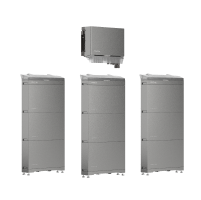
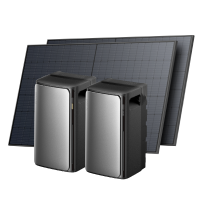
However, with a good battery, your house stays bright. For example, reliable systems like the EcoFlow PowerOcean Single-phase Battery are built to handle the tough, rainy Aussie climate. They are also flexible, letting you start with a small 5kWh setup and add more power (up to 15kWh in one inverter) later as your family grows. Backed by a 15-year warranty, a system like this ensures your fridge and Wi-Fi keep running smoothly during any grid failure.

Unsure how a battery impacts your solar payback period or which capacity fits your household? Get a solar battery quote today to explore a tailored energy solution for your home.
Schedule Your Free Consultation Today!
What kind of product or solution are you interested in?

Boosting self-consumption with smart tech
Having a battery is great, but managing it smartly is even better. Today, smart energy management allows households to completely automate their savings. You do not have to flip switches or check weather reports yourself.
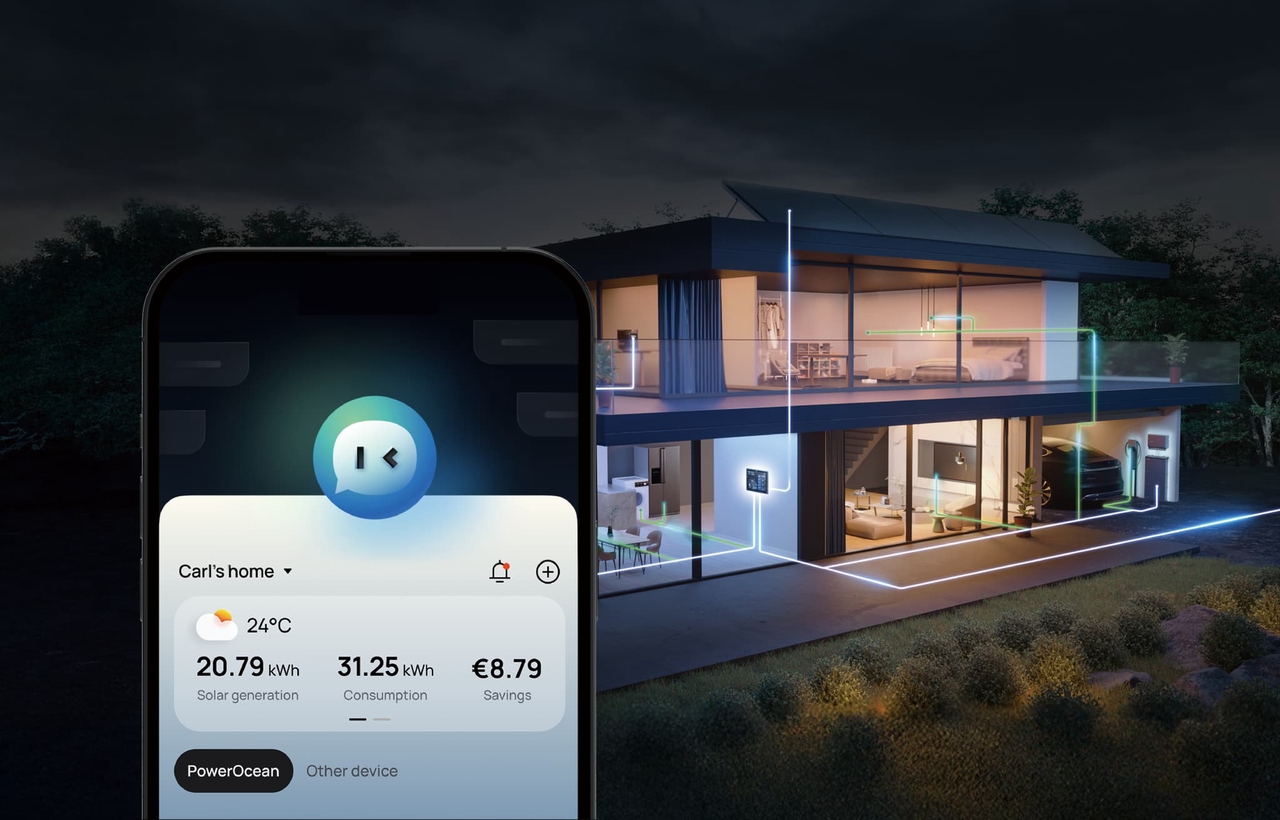
Intelligent software, like the EcoFlow App acting as a Home Energy Management System (HEMS), does the heavy lifting. It tracks local weather forecasts and learns your family's unique electricity habits. If it knows a cloudy day is coming, it will adjust how it stores and uses power. This ensures not a single drop of your generated solar power goes to waste, drastically improving how fast the system pays for itself. You can also read more about how to calculate your solar battery size to match these smart tools.
Australian solar rebates and incentives
One of the best reasons to switch to solar right now is the financial help available from the government. Australia has several rebates and incentives in 2026 that lower the upfront barrier to entry.
The biggest nationwide incentive is the Federal Small-scale Technology Certificates (STCs) program. You do not have to fill out complex tax forms for this. The STC program acts as a direct upfront discount applied by your solar installer. Depending on the size of your system, this can knock thousands of dollars off the final price tag.
Beyond the federal level, many individual states offer their own bonuses. For example, Victoria, New South Wales, and South Australia often run specific battery rebate programs or interest-free loans. There are also Virtual Power Plant (VPP) incentives. A VPP program pays you extra money if you allow the grid operator to use a tiny bit of your stored battery power during extreme energy shortages.
When you combine the federal discount, state rebates, and VPP payments, the total cost drops significantly. This overwhelming financial support is a massive reason why solar power is worth it for everyday families looking to cut costs.
Payback periods: Are solar panels worth installing?
When making a big purchase, everyone wants to know the "payback period." The payback period is simply the amount of time it takes for your energy savings to equal the total cost of installing the system. Once you pass that time frame, every dollar you save is pure profit.
For most standard Australian homes, a typical solar system pays for itself in roughly 3 to 6 years. This timeline depends on a few things. It depends on the size of your system, your local electricity rates, and your daily energy habits.
Your daytime energy usage heavily influences this timeline. If you run your pool pump, dishwasher, and washing machine during the middle of the day while the sun is shining, your payback period will be much shorter. You are actively avoiding the most expensive grid power.
So, are solar panels worth installing? Look at it this way. A good quality solar panel system is designed to last 25 years or more. If your payback period is 5 years, you will enjoy 20 solid years of practically free daytime electricity. The long-term return on your investment far outweighs the initial few years of paying it off. You might also be wondering, is it worth it to get solar panels just to boost your property value? The real estate market gives a clear yes, because buyers are happy to pay extra for a house that already makes its own power.
Conclusion
Taking control of your home's energy is a big step, but the math speaks for itself. Going solar is still a highly profitable investment in Australia in 2026. The combination of abundant sunshine, federal rebates, and high grid prices makes it a very smart financial move.
The strategy has evolved, however. To get the absolute maximum value out of your roof, combining panels with a reliable storage system is the new standard. By storing your power, you protect yourself from low feed-in tariffs and unexpected blackouts.
If you are still wondering if it is worth getting solar panels, the answer for the vast majority of Aussie homeowners is a resounding yes. It lowers your monthly bills, increases your independence, and adds long-term value to your property.
FAQs
1. Is solar worth it without a battery?
Yes, but you save less. Without a battery, you only save money while the sun shines. Adding a home battery fixes this. It lets you skip expensive evening grid rates. This helps your setup pay for itself much faster.
2. How long do solar panels last in Australia?
Good panels last 25 to 30 years. They do lose a bit of power as they age. Even so, they make free energy way past their payback period. You can easily boost this value by adding a reliable battery like the EcoFlow PowerOcean.
3. How much can I save with a 6.6kW solar system?
A standard 6.6kW setup can save you $1,200 to $2,000 a year. The exact number depends on a few things. It matters where you live and what your local tariffs pay. Your savings also grow if you use most of your power during the day.
4. Do solar panels work on cloudy days?
Yes, solar panels still work on cloudy days using daylight, though output is lower. Pairing them with a smart battery like the EcoFlow PowerOcean lets you store excess sunny-day power to easily cover your home during those overcast periods.
5. Can I go off-grid with solar power?
Yes, but the off-grid system requires a very large solar array, a heavy-duty inverter, and a massive battery storage system to guarantee power during long periods of bad weather. Staying connected to the grid with a battery backup is usually cheaper and more reliable for most homes.