What Size Solar Battery Do I Need in Australia: 2026 Guide
Electricity prices are rising across Australia in 2026. At the same time, solar feed-in tariffs are dropping. This means selling your extra power back to the grid is no longer a great deal. Because of this, many homeowners want to keep their own power. They want to store the energy they make during the day and use it at night. This simple change can save you thousands of dollars a year.
But taking that step brings up a very important question. Every homeowner eventually asks: What size solar battery do I need?
Getting the right fit is very important. If you buy a battery that is too small, you will still pay high grid prices at night. If you buy one that is too big, you will spend money on storage space you never use.
This guide will clear up the confusion. We will explain the difference between capacity and output in simple terms. We will also walk you through a simple method to calculate the exact solar battery size you need. Finally, we will show you how smart, modular systems like EcoFlow Home Battery can future-proof your home.
What is a solar battery size? Capacity vs. output
Before you start doing any math, you need to understand two basic terms. When people talk about solar battery sizes, they are usually talking about two different measurements. These are Capacity and Power Output.
Capacity (kWh)
Think of battery capacity like a large water tank. Capacity is measured in kilowatt-hours (kWh). This number tells you the total amount of energy the battery can store inside. For example, a 10kWh battery holds 10 units of electricity. The larger the capacity, the longer you can run your appliances before the battery runs out of power.
Power output (kW)
Now, think of power output like the water hose connected to that tank. Output is measured in kilowatts (kW). This number tells you how much energy the battery can push out at one time. If you have a high power output, you can run heavy appliances all at once. For example, you could run your oven, air conditioner, and pool pump at the same time. If your output is too low, the system might trip and turn off.
When you look for solar battery storage, you need to balance both numbers. You need a big enough tank to last the night. You also need a wide enough hose to power your specific household routine.
Key factors to consider for your solar battery size
Every home in Australia is different. A retired couple in Tasmania will use power very differently from a large family in Queensland. Because of this, you cannot just guess what size battery I need for my house. You have to look at your daily habits. Here are the top three factors to consider.
Evening energy usage
Most households use the bulk of their power between 5 PM and 8 AM. The sun goes down, but the family comes home. You turn on the lights, start cooking dinner, and run the dishwasher. You might also run the heater or air conditioner. The total amount of energy you use during these evening and overnight hours is the main factor in your decision. Your battery must be large enough to cover this specific block of time.
Solar panel array size
Your solar panels and your battery work as a team. You need a battery size that matches your roof's generation power. A massive battery is useless if your solar panel sizes are too small to fill it up during the day. During the short days of an Aussie winter, your panels will produce less power. You want a system that is perfectly balanced.
Blackout protection needs
Australia has harsh weather. Summer storms and heat waves can knock out the power grid. When figuring out what size battery I need for my house, think about blackouts. Do you just want to keep the fridge cold and the Wi-Fi on? Or do you want to run the whole house, including the air conditioning, during a blackout? If you want a full-home backup, you will need a larger battery with a high output rating. You also need to look closely at solar battery safety features to ensure the system can safely handle heavy electrical loads.
How to calculate: What size solar battery do I need for my house?
You do not need to be an engineer to find the right number. You can figure out what size solar battery do I need for my house with a simple calculation. Grab your latest quarterly electricity bill and a calculator.
Step 1: Find your daily average usage
Grab your latest power bill and turn to the second page. Look for a section labeled "Average Daily Usage" in kWh. For this example, let's say your family uses 20kWh every day.
Step 2: Estimate your night usage
Most standard households use about 60% of their daily power after the sun goes down. If your daily total is 20kWh, then 60% of that is 12kWh. This means you need around 12kWh of energy to get through the night without pulling from the grid.
Step 3: Factor in Depth of Discharge (DoD)
In the past, you could not drain a battery all the way to zero without damaging it. This was called the Depth of Discharge limit. For example, you might buy a 10kWh battery but only be allowed to use 8kWh. Thankfully, top-tier LFP batteries in 2026 offer 100% DoD. This means you get access to the full usable capacity without doing complex math. If you buy a 10kWh battery, you get to use all 10kWh.
So, based on the math above, a home using 12kWh at night would perfectly match a 10kWh to 15kWh battery setup.
If you are still unsure about your system capacity or how much you could save on your 2026 energy bills, request a consultation today and choose the best setup for your home.
Schedule Your Free Consultation Today!
What kind of product or solution are you interested in?

Factors to consider when choosing a home solar battery
Knowing the exact number is only half the battle. When you go shopping, you will see many different brands and styles. You want a system that is easy to live with and lasts a long time. Here are the core factors to look for beyond just the solar battery size.
Modularity
Life changes. You might buy an electric vehicle next year. You might add a pool or build a granny flat. Your energy needs will grow. This is why modularity is the best feature to look for. Modular systems let you buy a small battery today and stack more units on top of it later. A great example of this is the EcoFlow Home Battery. It uses a stackable design. You do not have to stress about getting the math perfectly right on day one. You can start small and expand your system as your family grows.
Battery chemistry & lifespan
Not all batteries are built the same. The best chemistry for home storage in 2026 is Lithium Iron Phosphate (LFP). LFP batteries last much longer than older lithium-ion types. They can handle daily charging and discharging for well over a decade without losing much of their storage space.
Safety features
Safety is a top priority, especially in the hot Australian climate. LFP chemistry is naturally resistant to high heat and will not easily catch fire. Modern batteries also have built-in heating systems for cold winter nights. Furthermore, a standard battery module takes up very little space. They typically measure around 27 inches (68 cm) tall and weigh roughly 130 lbs (59 kg), making them safe and sturdy when mounted against a wall.
System compatibility
If you already have solar panels on your roof, you want a battery that plays nicely with them. Look for AC-coupled battery systems. These connect directly to your home's switchboard. They can work with any existing solar inverter. You will not have to rip out your old equipment to install the new battery.
Warranty
A solar battery is a long-term investment. You should expect it to work hard for you every single day. Look for a manufacturer that offers a solid 15-year warranty. This gives you peace of mind that your investment is protected against early failure.
Sample solar battery sizes for common Australian households
You now know how modular systems work. Let's look at some real-world examples. We will set clear benchmarks using stackable increments. This makes it much easier to picture the answer to your main question: What size solar battery do I need?
Small households (1-2 people)
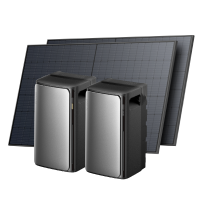
If you live in a smaller home, an apartment, or just have very low energy needs, a 5kWh battery is a great starting point. This size is perfect for running the lights, a television, laptops, and the fridge overnight. An excellent option for this setup is the EcoFlow PowerOcean Single-Phase Battery. You can start with just one 5kWh module. It takes up very little space and quietly powers your basic evening routine.
Medium households (3-4 people)
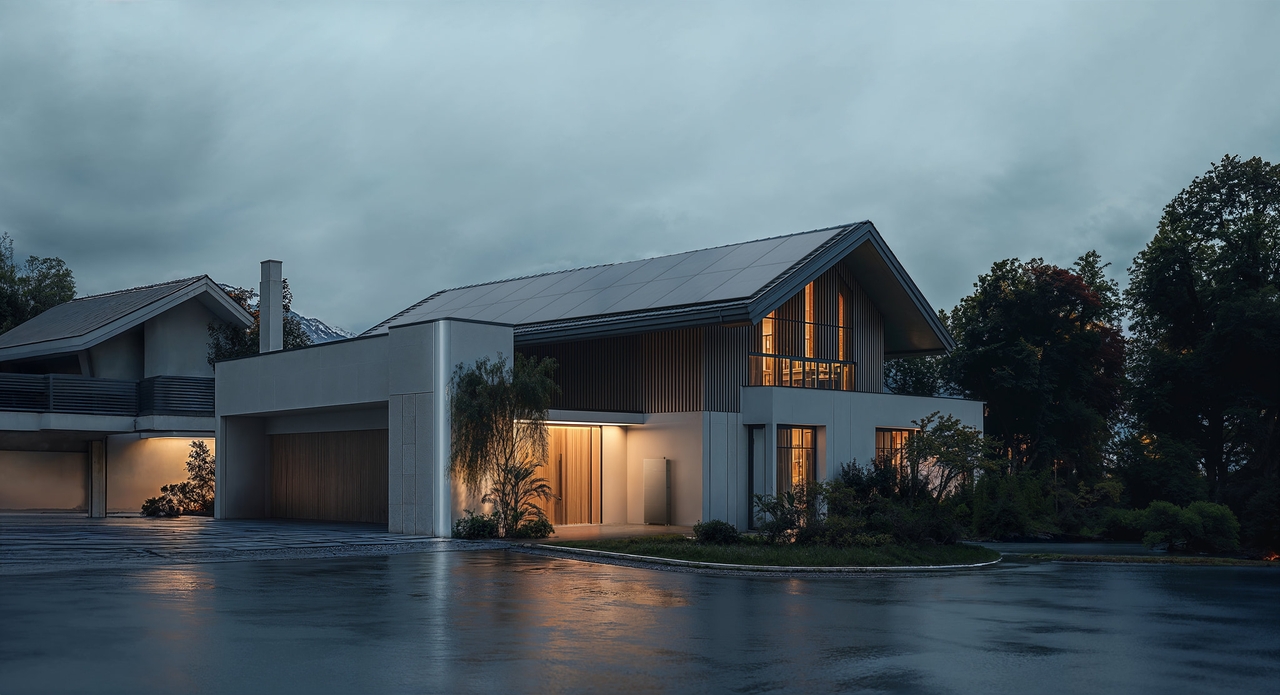
This is the most common home size in Australia. A family of four usually hits the sweet spot with a 10kWh system. This usually involves stacking two 5kWh battery modules together. Ten kilowatt-hours give you enough power to cook dinner on an electric stove, run the dishwasher, watch movies, and keep the baseline power going until sunrise.
Large/high-demand homes (5+ people)
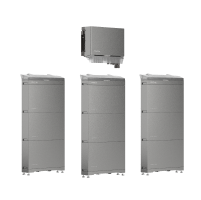
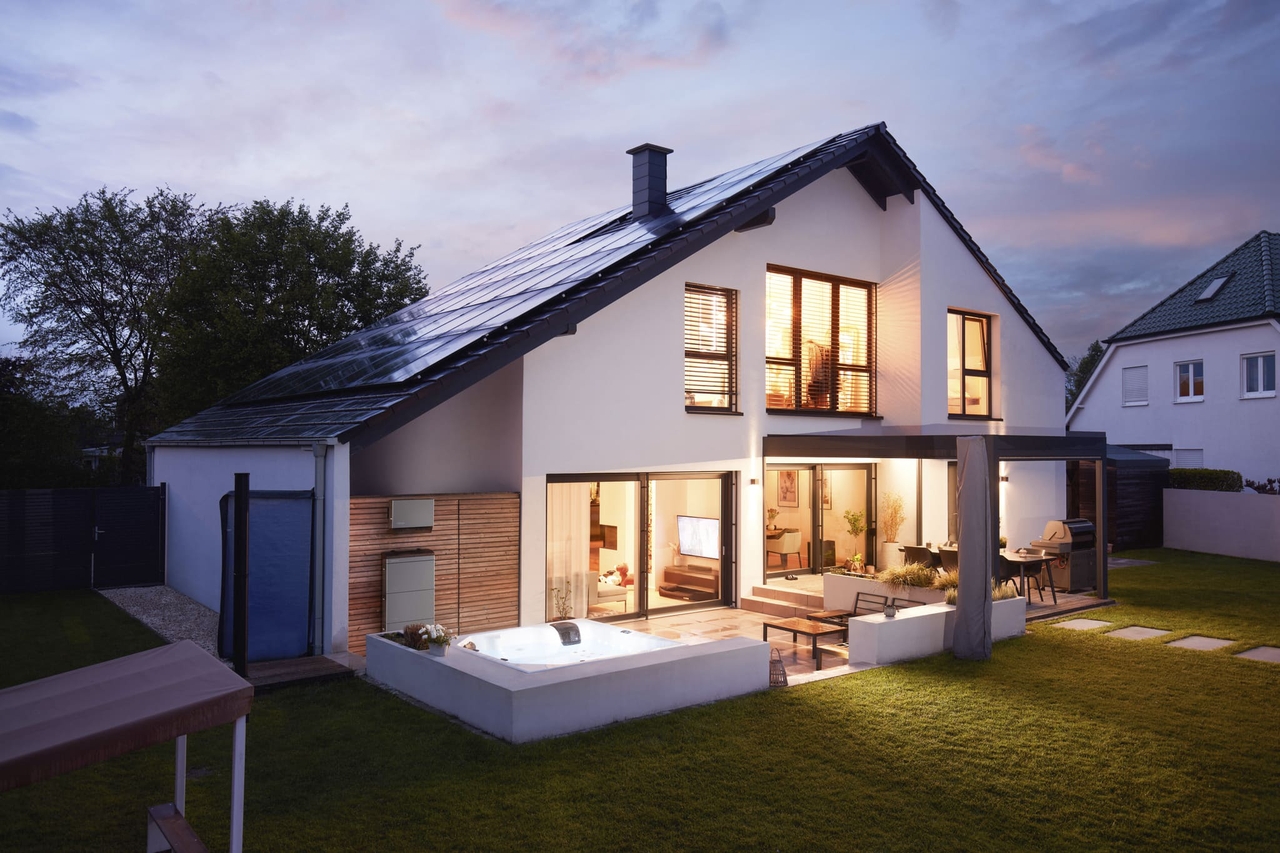
Large homes use a lot of power, especially those using a three-phase electricity supply. If you have five or more people, a swimming pool, ducted air conditioning, or an electric vehicle, you need serious storage. These homes often need 15kWh to 20kWh or more. This means stacking three or four modules together. For these massive energy needs, the EcoFlow PowerOcean Three-Phase Battery is ideal. It can scale up to meet heavy demands.
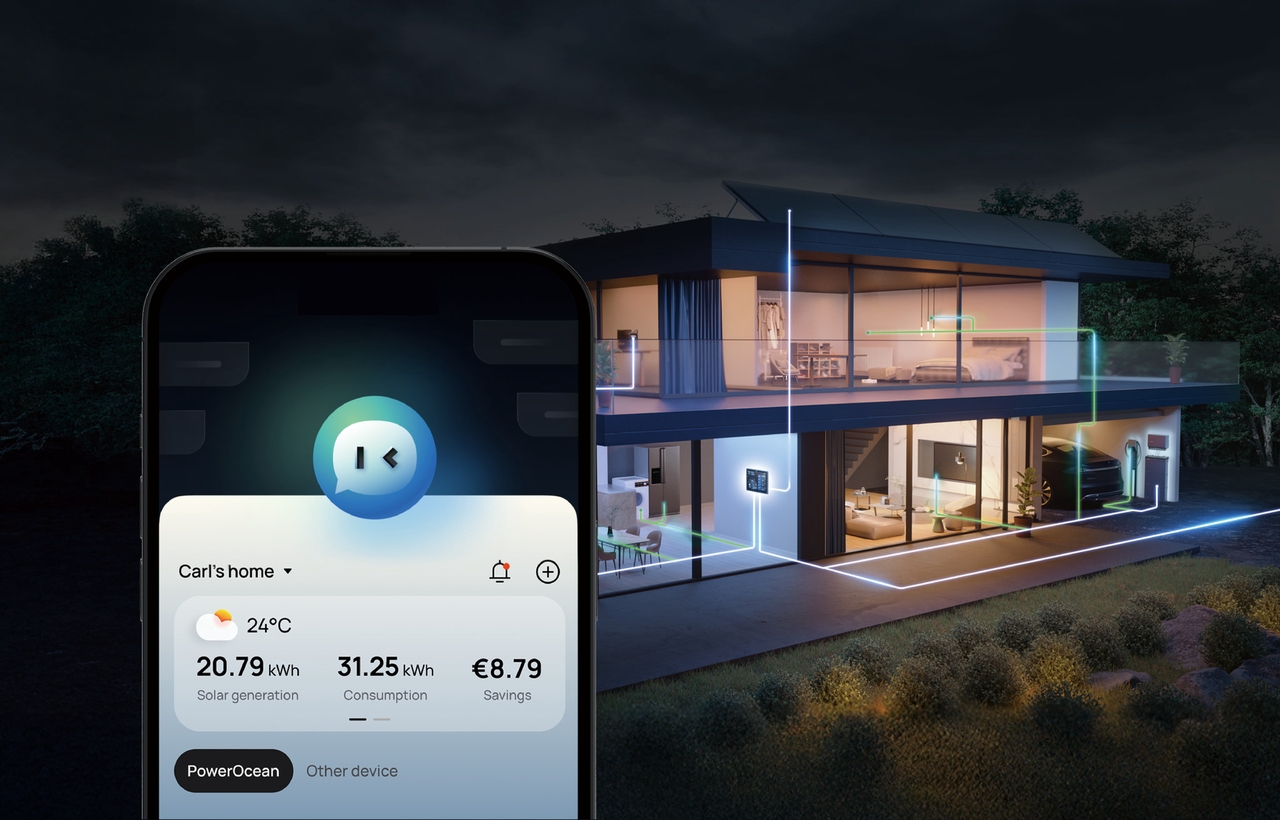
To manage all this power, you can use the EcoFlow APP. This smart software tracks your weather and usage. It makes sure none of your generated solar energy is wasted.
Conclusion
Figuring out what size solar battery I need for my house does not have to be stressful. It all comes down to a simple balance. You need to match your overnight energy usage with the amount of solar power your roof makes during the day. By looking at your electricity bill, you can easily calculate your daily average. More importantly, you do not have to guess perfectly. By choosing a scalable, modular system, you remove all the risk. You can start with a size that fits your budget today and add more capacity tomorrow. This smart approach ensures long-term energy independence and protects you from rising grid prices for years to come.
FAQs
1. What is the most common solar battery size for a house?
A 10kWh battery is the most common size for Australian homes. It easily covers the evening energy needs of a standard three-to-four-person household. This includes running the TV, fridge, lights, and cooking appliances until the sun comes up.
2. Can a 10kWh battery run a house overnight?
Yes, it holds plenty of energy for a medium home to run overnight. A 10kWh battery keeps your baseline appliances going, like the fridge and Wi-Fi. It also covers your evening TV time. Just be careful with heavy loads, such as ducted air conditioning.
3. Is a 5kW solar battery enough?
A 5kWh battery is an excellent choice for smaller homes or one-to-two-person households. It easily handles low evening usage. The best part is that if you choose a modular system, you can easily add another 5kWh unit later if your needs grow.
For a small house with one or two people, a 5kWh battery works great. It handles low evening energy usage perfectly. What if your power needs change later? By picking a modular system such as EcoFlow PowerOcean, you can easily stack on a second 5kWh unit down the road.
4. How do I match my solar panels to my battery size?
A good rule of thumb is to have 1kW of solar panel capacity for every 1kWh to 1.5kWh of battery storage. This ratio ensures your panels can fully charge the battery during the day, even during the shorter sunlight hours of the winter season.
5. Does a larger battery save more money?
A larger battery only saves you more money if you generate enough excess solar to fill it and consume enough evening power to drain it. Otherwise, a smaller, smart-managed modular battery offers a much better return on your initial investment.