LiFePO4 Battery Life in 2026: A Complete Guide
Right now, Lithium Iron Phosphate (LFP) is the leading chemistry on the market. It is widely considered the safest and most reliable option available. But before making a big investment, you likely have one major question in your mind. How long do these systems actually last?
This guide covers everything you need to know about LiFePO4 battery life. First, we explain what this technology actually is. Then, we look at its real-world lifespan in typical Australian conditions. We also cover the environmental factors that impact its performance. Finally, we share actionable tips to help you maximize your investment. These simple steps will keep your home powered for years to come.
What is a LiFePO4 battery?
Let us start with the basics. LiFePO4 stands for Lithium Iron Phosphate. This is a specific type of lithium-ion battery chemistry. It is designed to store electrical energy efficiently and safely. Over the last few years, it has become the top choice for residential solar setups.
To understand why it is so popular, we have to look at the older options. For decades, lead-acid batteries were the standard. They were cheap, but they were also incredibly heavy. Worse, they typically only lasted three to five years before needing a replacement.
Then came standard lithium-ion batteries. These are often called NMC (Nickel Manganese Cobalt) batteries. You will find them on your smartphone or laptop. They are much lighter and hold more power. However, they can overheat easily. In extreme cases, they can even catch fire.
Lithium Iron Phosphate actually solves these problems. It features an exceptional thermal stability profile. Simply put, it stays cool and safe even when the system is working hard. Plus, it completely avoids rare and toxic metals like cobalt. Thanks to its tough chemical structure, it resists heat incredibly well. This naturally makes it the perfect standard for modern residential storage, especially in our hot Australian climate. Ultimately, building a smart home energy ecosystem relies heavily on this stable and safe chemistry.
How long is a typical LiFePO4 battery life?
When you invest your hard-earned money into home upgrades, you want them to last. So, let us answer the main question directly. How long does a typical system actually survive?
Under normal daily use, a high-quality system will offer a reliable LiFePO4 battery life of 10 to 15 years. This is a massive improvement over older technologies. In many cases, these units outlast the solar inverter they are connected to.
The LiFePO4 battery's long lifespan is exactly what makes it the most cost-effective choice for Aussie households. Think about long-term math. If a cheaper lead-acid option dies in four years, you have to buy it three times just to match one LFP unit. That means more installation fees, more disposal costs, and more headaches.
By choosing LFP, you lock in a decade or more of reliable energy storage. Over that 10 to 15-year period, the system easily pays for itself through daily electricity savings. The durability is simply unmatched. This is why high-quality home solar batteries almost always use LiFePO4 battery technology.
Real-life LiFePO4 battery usage in Australia
Technical specifications are great, but how do these units perform in the real world? Let us discuss the practical, everyday applications of these batteries. Seeing how they fit into standard Australian homes helps ground technical jargon in reality.
Home solar battery storage
The long LiFePO4 battery life is why this technology is so widely used for daily solar storage. During a sunny Australian day, your rooftop panels generate a massive amount of free electricity. However, most families are at work or school during these hours. If you do not have a home battery, that excess power gets sent back to the power grid. Usually, your energy provider pays you a tiny feed-in tariff for it.
Then, evening arrives. The sun goes down, but your family comes home. The lights turn on, the oven heats up, and the air conditioning starts blasting. This is when electricity networks charge their highest Time-of-Use (ToU) peak rates.
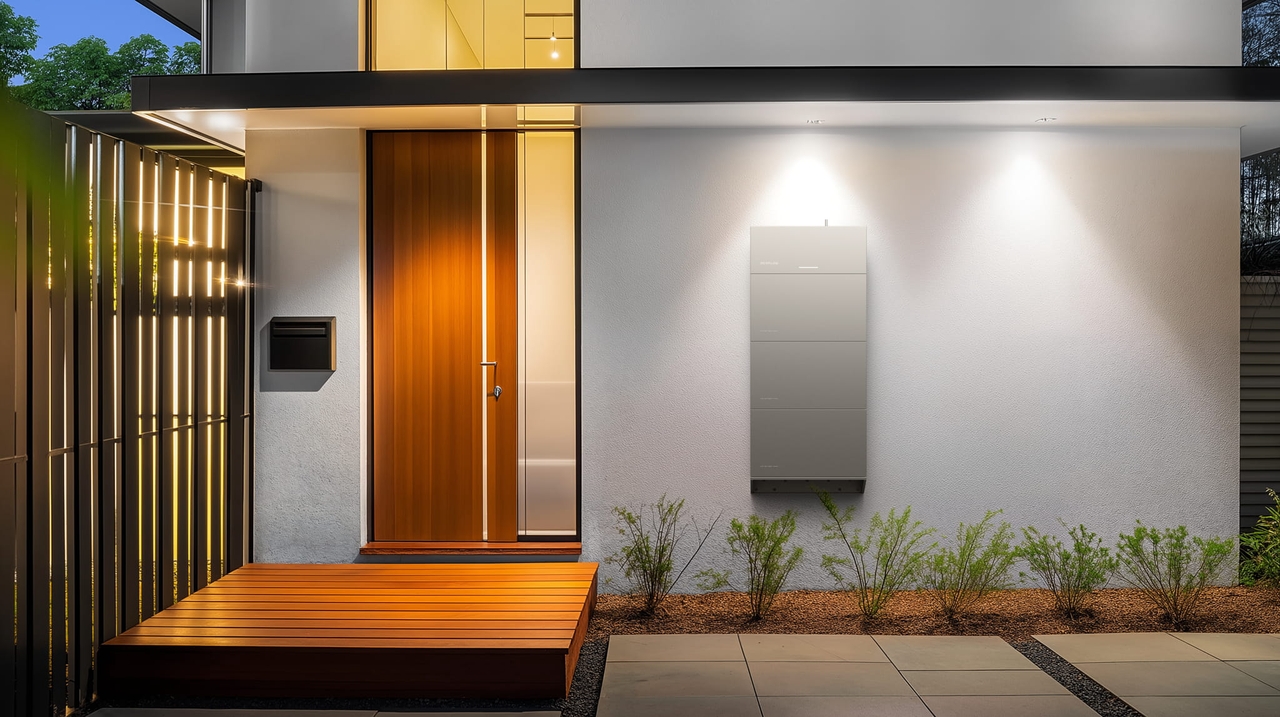
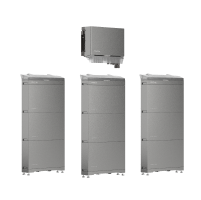
A high-quality system changes this cycle completely. It captures that excess daytime solar energy and stores it for you. When the expensive evening peak hits, your house simply runs on the stored free solar power. You avoid drawing expensive energy from the grid. This simple daily cycle is where the biggest financial savings happen. For instance, the EcoFlow PowerOcean Single-Phase Battery uses premium LFP technology to handle this daily charging and discharging with ease.
Unsure which system size is right to maximize your home's energy savings? Speak with an expert today to get a solar battery quote and receive a tailored recommendation.
Schedule Your Free Consultation Today!
What kind of product or solution are you interested in?
Reliable backup power
Australia is known for extreme weather. Severe summer storms, heatwaves, and bushfire seasons often cause unexpected grid outages. Being left in the dark is frustrating and potentially dangerous.
LFP units play a crucial role in providing reliable backup power during these emergencies. When the grid goes down, a robust system detects the drop instantly. It immediately switches your home over to battery power. This keeps your essential appliances running seamlessly. Your refrigerator stays cold, preventing food from spoiling. Your internet router stays online, keeping you connected to emergency updates. Best of all, your lights stay on, keeping your family safe and calm.
Electric Vehicles & Marine
Australians love the outdoors. Whether it is taking a caravan across the Outback or a boat out on the coast, we need power on the go. LFP batteries are dominating the electric vehicle and marine sectors.
Because they are lightweight, they are perfect for mobile applications. Travel brings constant bumps and vibrations. Thankfully, these batteries handle the rough ride without taking any internal damage. Traditional batteries often leak or break under these tough conditions. LFP, however, remains completely stable. It delivers consistent power for your camp fridges, marine radios, and off-grid lighting setups.
Industrial Power
Beyond the home, this technology is powering heavy industry. Australian farms, remote mining sites, and off-grid businesses rely heavily on massive LFP banks. These locations are often entirely disconnected from the main power grid. They need a power source that will not fail, even under heavy daily loads. The long LiFePO4 battery life ensures that industrial operations can keep running without constant, expensive maintenance checks.
What affects your LiFePO4 battery life?
While a 10 to 15-year lifespan is the standard, it is not a rigid guarantee. Batteries are chemical devices. Their longevity depends heavily on how they are treated. Let us detail the primary environmental and usage factors that dictate how long your unit will function at peak capacity.
Temperature and climate
Temperature is the single biggest factor affecting battery health. Harsh climates with scorching summer heat and freezing winter nights can be tough on equipment. Direct exposure to these extremes will slowly degrade internal chemistry over time.
If a battery gets too hot, the chemical reactions inside speed up. This can cause the internal components to break down prematurely. If it gets too cold, the battery struggles to accept a charge efficiently.
Because of this, the installation location is critical. You should never install your unit in direct sunlight. Emphasize finding a shaded, well-ventilated space. A garage or a covered carport is usually the perfect spot. Keeping the physical unit at a stable, moderate temperature is the easiest way to protect it.
Depth of Discharge (DoD)
Depth of Discharge (DoD) sounds complicated, but it is a simple concept. It simply refers to how much of the battery's total capacity you use before recharging it.
Think of it like a water tank. If you drain the whole tank until it is completely bone dry, that is a 100% Depth of Discharge. Unlike older lead-acid options, LFP chemistry handles deep discharges very well. You can safely use up to 100% of the stored power.
That said, just because you can do this doesn't mean you should do it every day. Draining the unit to 0% and leaving it empty causes real issues. It puts unnecessary strain on the system. If you constantly run the battery completely flat, it will take a toll. Over the years, your overall LiFePO4 battery life might actually shorten slightly.
Tips to extend your LiFePO4 battery life
Now that we know what hurts the battery, let us focus on what helps it. Taking a proactive approach will ensure your system lasts well past a decade. Here is some actionable, highly practical advice to help you get the absolute most out of your home setup.
Optimize daily charging routines
The way you charge and discharge matters greatly. Try to keep the unit charged within optimal ranges whenever possible. A happy LFP battery generally likes to operate between 10% and 90% capacity.
You do not need to micromanage this constantly. However, you should definitely avoid leaving the unit completely empty for extended periods. If a severe storm drains your backup power to 0%, try to ensure it gets recharged by the solar panels or the grid as soon as possible. Letting an empty battery sit unused for weeks is a fast way to damage its internal cells.
Utilize smart energy management
We live in a busy world. No one has the time to stand in the garage and manually switch their power usage on and off. The best way to protect your system is to automate it.
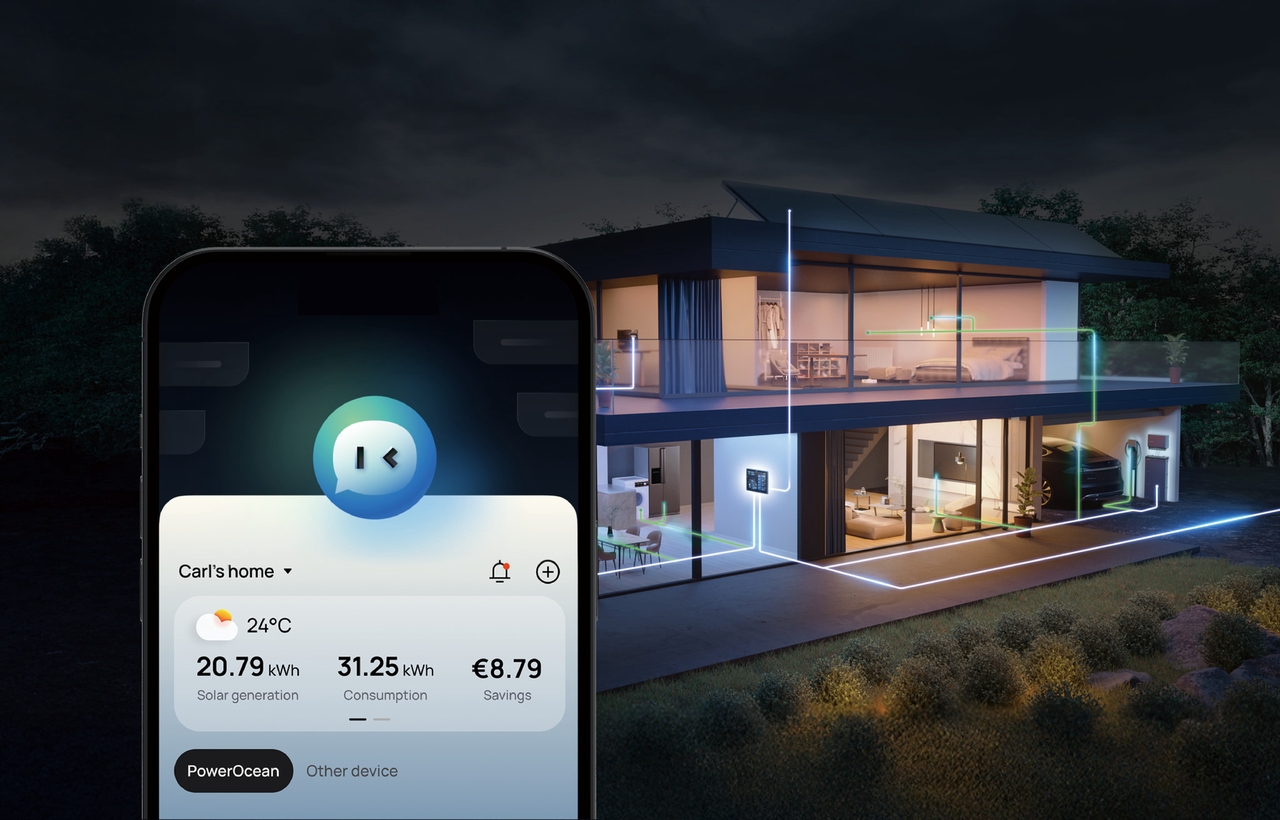
We highly advise homeowners to use smart tech to automate their daily energy usage. Utilizing a system like the EcoFlow Intelligent HEMS along with your EcoFlow home battery takes all the guesswork out of the process. This software acts as a brain for your home. It can track upcoming weather patterns and learn your family's unique energy habits.
If it knows a cloudy day is coming, it might hold onto more stored power. If it knows you use heavy appliances at 6 PM, it prepares accordingly. By optimizing the charge and discharge cycles automatically, it drastically reduces unnecessary strain on the hardware. You can monitor all of this easily through the EcoFlow App.
Choose reliable, self-regulating systems
Not all products are created equal. When shopping for storage, do not just look at the price tag. Look at the built-in technology.
You should always advise choosing units equipped with an advanced Battery Management System (BMS). A BMS acts as a security guard for the internal cells. It actively balances the charge, prevents overcharging, and stops the unit from draining too deeply.
Also, make sure to look for active thermal protections. The EcoFlow PowerOcean series is a great example. It includes integrated auto-heating and advanced safety protocols. Let's say the temperature drops too low on a freezing winter morning. The unit actually warms itself up safely before accepting a charge. These self-regulating features make a massive difference. They allow the product to thrive in extreme Australian conditions without degrading prematurely.
Conclusion
Investing in home energy storage is a brilliant move for combating rising electricity prices in 2026. However, making sure that the investment lasts requires a little bit of knowledge.
Maximizing your LiFePO4 battery life comes down to three simple steps. First, you must choose the right high-quality product. Second, you must ensure it is installed correctly in a cool, shaded environment. Third, you must manage it smartly through automated technology and sensible charging habits.
Follow these simple guidelines to get a highly reliable 10 to 15-year lifespan from your system. That is a full decade and a half of lower power bills. Plus, your Australian home gains uninterrupted backup power and true energy independence.
FAQs
1. How many years does a 10kWh LiFePO4 battery last?
With normal daily use, a high-quality 10kWh LiFePO4 system reliably lasts 10 to 15 years. Want to push this lifespan to the absolute limit? Just install it in a cool, shaded spot and use smart energy management software like the EcoFlow Intelligent HEMS.
2. Can a LiFePO4 battery sit fully charged?
Yes, but this is not ideal for long-term storage. Planning to leave the system unused for a few months? It is actually much better to store it at roughly 50% capacity. This simple trick reduces chemical stress and protects overall battery health.
3. Does extreme heat ruin LiFePO4 battery life?
Yes, it does. Constant extreme heat speeds up chemical breakdown. This will quickly shorten the battery's overall lifespan. Because of the harsh Australian sun, always install your unit in a well-ventilated, shaded area like a garage.
4. How low can you safely discharge a LiFePO4 battery?
You can safely discharge these units to 0% (100% Depth of Discharge) without immediate failure. However, frequently draining it completely flat and leaving it empty places strain on the cells. It is best practice to keep a small reserve of 5% to 10%.
5. Are LiFePO4 solar batteries worth the investment in Australia?
Absolutely. With electricity prices rising, storing your own daytime solar energy saves thousands over 10 to 15 years. Plus, reliable solar batteries like the EcoFlow home battery give you crucial backup power during grid outages.
6. Is the LiFePO4 battery better than lithium?
LiFePO4 is a specific type of lithium battery. However, it is a huge step up from standard lithium-ion (NMC) batteries for home storage. First, it is much safer and will not easily overheat. It also delivers a significantly longer operational lifespan. Because of these clear benefits, it is the top choice on the market today.