Virtual Power Plant: How It Works & Is It Worth It in 2026?
The Australian energy landscape is changing fast. In 2026, joining a virtual power plant is the best way to fight rising electricity bills. Many homeowners feel trapped by high power prices and low feed-in tariffs. If you have a solar battery, you are sitting on a gold mine that can help the grid while earning you extra cash. It is time to turn your passive storage into an active income stream for your household.
What is a virtual power plant?
A virtual power plant is a group of distributed resources, such as solar panels and smart appliances. The resources are coordinated by software to function as a single power plant. In essence, the VPP meaning refers to how these resources optimize energy generation and consumption in real time.
In 2026, virtual power plants will transform the energy landscape in Australia. With an increase in rooftop solar and home battery adoption, virtual power plants will help balance energy supply and demand. They reduce strain on the energy grid and help integrate renewable energy. Virtual power stations can empower households and businesses and create a strong and sustainable energy network.
How does a VPP work?
It's easier than you think. Your home battery joins a smart team that helps the grid when it's needed most—and pays you for help. Here's the simple flow in four steps.
Step 1: Collection
Your solar panels capture sunlight, storing energy in your home battery throughout the day. This is how virtual power plants begin.
Using a solar battery, like the EcoFlow PowerOcean Single-phase Battery, ensures you have plenty of VPP solar power stored. It's a modular system with tough LFP chemistry for safety and long life. Start with 5kWh and expand up to 15kWh in one inverter. This system hoards a surplus of clean energy, ready to assist the grid when usage surges. You'll receive compensation when demand climbs.

Step 2: Communication
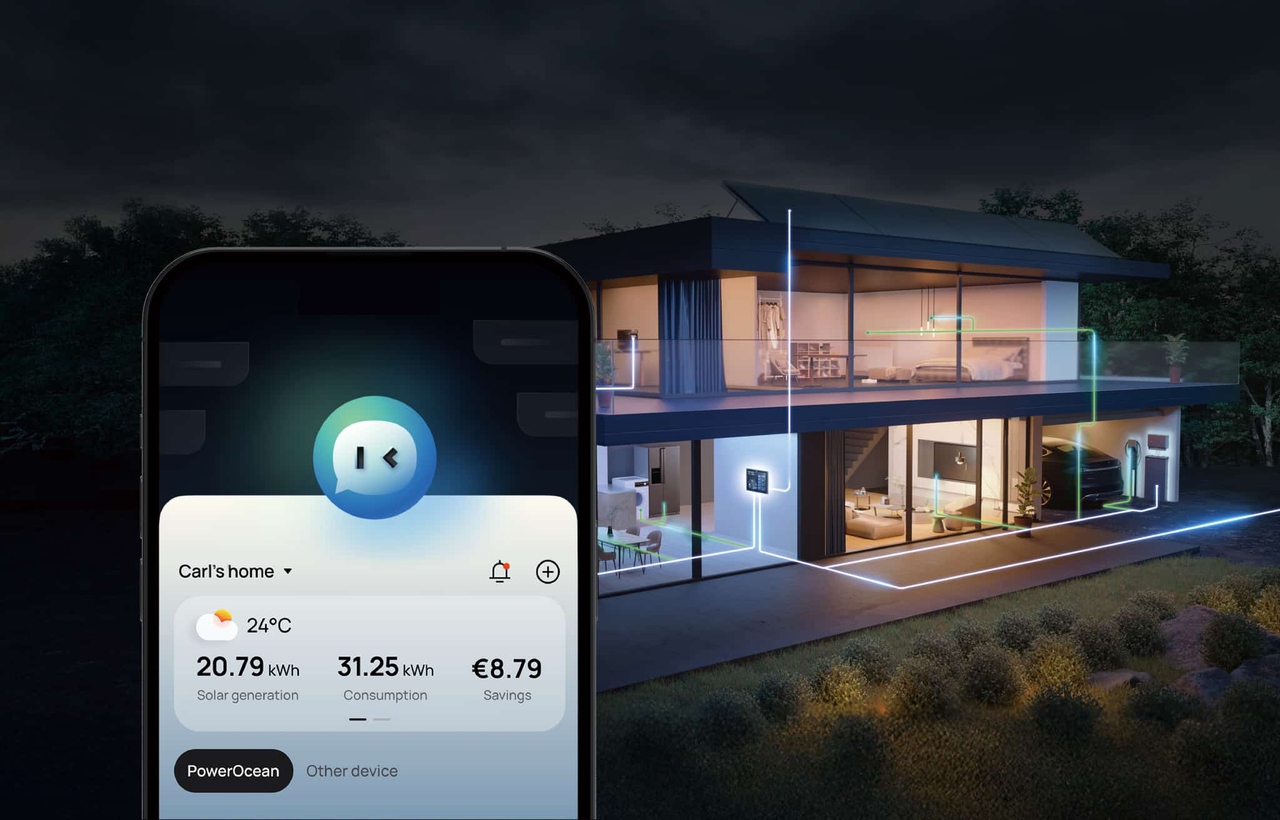
Smart software constantly monitors everything. It knows exactly when the VPP power market needs extra supply or when prices spike high. EcoFlow HEMS acts as the brain for the system.
It is a home energy management system that connects your solar, battery, and appliances. It predicts peak times, optimizes usage, and talks directly to the VPP operator. This tech spots exactly when your stored VPP solar energy is most valuable to the Australian grid—helping you earn more without extra effort.
Step 3: Action (The "Event")
During peak stress—hot evenings or sudden demand—the VPP operator sends a signal. They draw a small amount of your stored energy to help stabilize the grid. This is the key moment where your battery supports the whole system.
Step 4: Reward
You earn money for sharing. Most programs give bill credits or boosted feed-in tariffs. Some events pay over $1.00/kWh for the exported VPP energy. It turns your battery from a cost into an income source.
Stop letting your extra power sit idle and start generating real revenue today. Ready to maximize your savings? Book a consultation to get your solar quote today and join the energy future.
Schedule Your Free Consultation Today!
What kind of product or solution are you interested in?

Pros and cons of virtual power plants
Joining a VPP has real upsides, especially for solar battery owners in Australia. But there are trade-offs too. Here's the honest breakdown.
Pros
Financial incentives
You can get upfront discounts on batteries through the battery rebate. Using a CEC-approved EcoFlow PowerOcean solar battery helps you qualify for these higher feed-in tariffs or quarterly credits before the rebate expires on May 1.
Monetize storage
This converts your passive battery storage into an income-generating asset. You make money by selling stored energy during high-demand periods when prices are highest.
Grid stability & green energy
Your home supports the entire grid. This reduces our reliance on old fossil fuels and keeps the energy supply clean and steady.
Backup protection
Most programs maintain a minimum battery reserve. This ensures you still have plenty of power for your own home during unexpected blackouts.
Cons
Reduced control
The VPP operator decides when your battery charges or discharges. This might not match your normal routine—like running the air-conditioner on a hot day.
Battery degradation
Extra cycling wears the battery faster. More charge-discharge cycles can shorten its life and affect warranties. Choose high-quality options, like the EcoFlow PowerOcean with 6,000 cycles rated.
Contract restrictions
Many programs require you to switch retailers. Expect 5-year lock-ins or penalties if you want to leave early. Always read the fine print before signing up.
Is joining a virtual power plant worth it in 2026?
The short answer is a resounding yes. As we navigate 2026, the energy landscape has shifted, making VPPs more profitable than ever for the average household.
Rising electricity demand and grid stress
The growth of data centers, electric vehicles, and extreme weather conditions requires assistance to keep the energy network stable. By participating in a VPP, you are not just a customer; you are part of the solution to prevent blackouts in your area.
Increasing value of distributed energy resources
In 2026, "distributed energy" like your home battery is a high-value asset. New market reforms now allow VPPs to compete directly with coal and gas plants. This means your battery is no longer just a backup—it is a "prosumer" tool that helps balance the national grid in real-time.
Financial benefits for solar battery owners
The financial rewards have reached a new peak this year:
Wholesale payouts: On some plans, you can sell your power for over $1.00/kWh during rare price spikes.
Annual credits: Typical participants earn between $200 and $500 in yearly bill credits.
Stacked rebates: In states like NSW, joining a VPP unlocks extra incentives on top of the federal battery rebate.
Improving your solar ROI
For many households, a VPP is the final piece of the puzzle for a fast return on investment. While a standard battery might take 7–9 years to pay for itself, a VPP-integrated system like the EcoFlow PowerOcean can slash that payback period to just 5–6 years.
Conclusion
Virtual power plants are redefining what it means to own a home energy system in 2026. By joining a network, you transform your solar battery from a passive backup device into an active financial asset. This shift turns your power bills into a revenue stream. Instead of just saving on bills, your VPP power works for you. It earns credits and high payouts. These rewards help pay off your system much faster. The future of energy is digital and profitable. With the right hardware, your home becomes a mini-power station. You support your community while padding your wallet.
FAQs
1. Which states offer the best VPP rebates or incentives in 2026?
Currently, NSW leads with its Peak Demand Reduction Scheme (PDRS). This offers an incentive ranging from $550 to $1,100. Victoria and South Australia also provide strong local credits. These states allow you to stack state bonuses on top of the federal battery rebate for maximum savings on your initial investment.
2. Do VPPs affect blackout protection?
Usually, no. Most VPP operators let you set a "backup reserve" limit. If the power goes off, you will automatically disconnect from the grid, and your lights will stay on using the energy you set aside in the battery for emergencies.
3. Do I need a specific type of solar battery to join?
Yes, your battery must be smart and VPP-ready. It needs specialized software to communicate with the grid operator. The EcoFlow PowerOcean is a top choice because it is CEC-approved and fully compatible. Always check if your battery is on the approved list for your chosen VPP provider.
4. Can I leave a VPP if I'm not happy with it?
It all depends on your contract. Some plans have "no lock-in" terms that let you leave whenever you want. Some people might require a commitment of 12 months or 2 years. Always look for "rebate clawback" clauses or exit fees. These might apply if you got a discount for joining the network up front.
5. How much can I actually earn from a VPP in 2026?
This will depend on the size of your battery, your electricity retailer, and the frequency of events. Some families make a few hundred dollars a year from credits or tariffs. When there is a lot of demand, exported energy may get extra payments, sometimes more than $1 per kWh.