How Long Does a Solar Battery Last? 2026 Lifespan Guide for Homeowners
Power bills keep climbing, and many Aussie households want solar batteries that last. Most good home solar batteries can realistically give a long, reliable working life. Newer lithium iron phosphate batteries are built for long life and solid daily use. Real lifespan depends on battery type, temperature, depth of discharge, and daily cycling.
A clear understanding of how long solar batteries last helps avoid nasty surprises. Knowing this makes it easier to decide if a battery suits your home. This guide explains real lifespans, key factors, and how to keep batteries healthy.
Solar Battery Lifespan at a Glance
Battery lifespan is how long a solar battery stays useful before it wears out. It shows you how many years of value you get from your investment. A clear idea of lifespan helps you plan future costs and upgrades calmly.
It also helps you compare different battery options in a fair, simple way. Knowing battery lifespan gives homeowners confidence when deciding if a battery suits their home.
How Long Can a Bome Battery Last?
Aussie homes can expect a good solar battery to last around 5 to 15 years. Actual lifespan changes with how often you use it and your local climate. A well-installed and well-cared-for battery usually sits toward the higher end. Understanding how long a battery lasts helps you plan costs and upgrades.
Calendar Life, Cycle Life, and End‑of‑life Capacity
Battery life is knowing about daily usage patterns rather than just counting years. Both age and how often you charge and discharge the battery slowly reduce its strength. Now, look at the table below for a simple view of these key ideas:
Term | Explanation | Why it Matters for Homeowners |
Calendar Life | How long does the battery last on the wall as it gets older? | Helps you understand roughly how many years the battery can stay useful. |
Cycle Life | How many times can you charge and discharge the battery before wear shows? | Shows how daily use slowly drains the battery's capacity. |
End‑of‑life Capacity | The point at which the battery still works but holds much less energy. | Explains why older batteries run shorter and may need replacing soon. |
In real‑world use, many batteries are called "finished" once they store only about 60 to 70% of their original energy.
Typical Solar Battery Lifespan by Battery Type
Typical home solar batteries in Australia come in a few main types, each with a different lifespan. Each type has its own usual working years, price point, and care level. For users asking, how long does a solar battery last, let's look at the typical type of batteries.
Lead‑Acid Solar Batteries
This older battery style is often picked because the upfront price looks lower. It needs regular care and does not handle deep, frequent discharges very well. In daily usage, many lead‑acid solar batteries last around 3 to 5 years.
Lithium‑Ion (NMC and Similar) Solar Batteries
Lithium‑Ion batteries are lighter, more compact, and suitable for regular cycling in busy homes. It handles deeper discharges and gives more usable energy from the same battery size. These batteries usually cost more than lead‑acid but give smoother, quieter performance. In daily usage, many lithium‑ion solar batteries can last up to 8 years.
LiFePO4 (LFP) Solar Batteries
These LFP batteries are a newer lithium type built for long, steady home use. They stay stable under daily cycling and handle regular charging without much drama or stress. Many Aussies choose this style when they want a low‑maintenance, long‑lasting home battery.
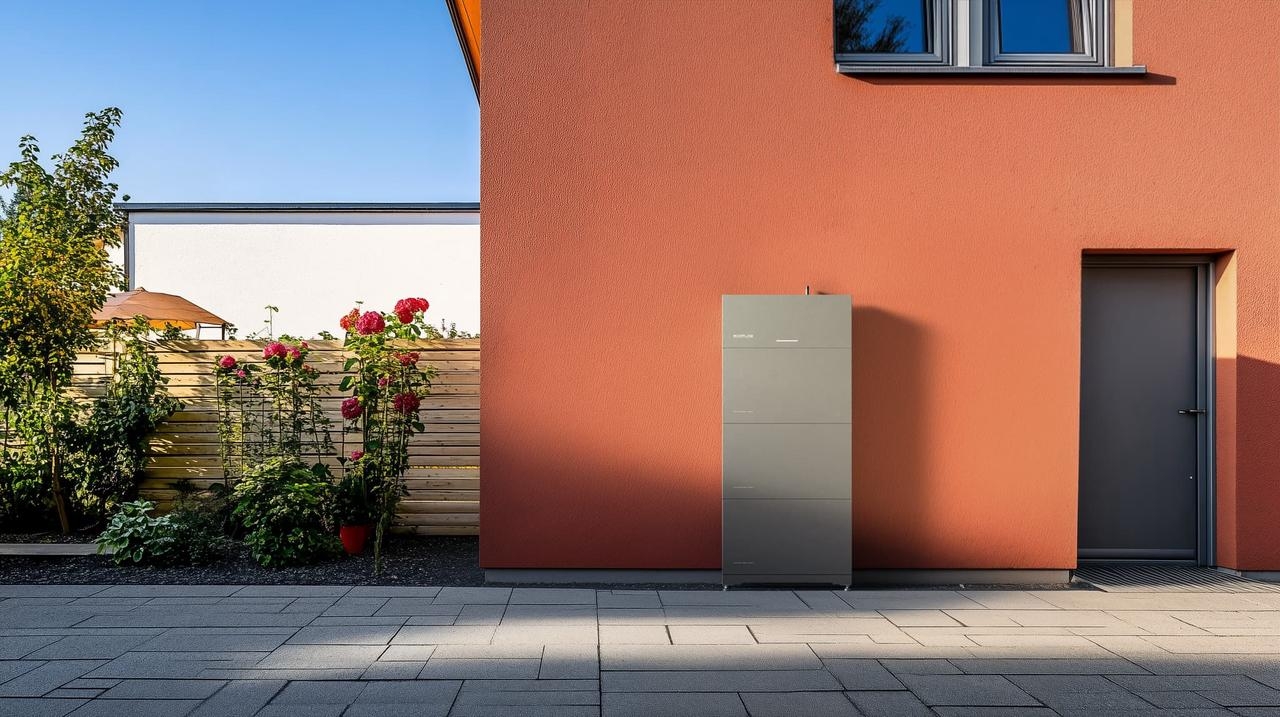
For example, the EcoFlow PowerOcean Single‑phase Battery suits single-phase homes in Australia. Its flexible modular setup and smart controls make adding capacity and checking performance very simple. They also claim a 15‑year warranty, which shows strong confidence in the battery's lifespan.
Solar Battery Warranties: What They Really Promise
A battery warranty is a written promise about performance when used correctly. It tells you how long the maker expects normal operation under standard household conditions. Understanding this promise helps you judge the real solar battery lifespan of solar batteries at home.
What a Battery Warranty Usually Covers
Now, let's look at what most solar battery warranties actually cover clearly.
Years of coverage for defects, often around 10 years for home systems.
A promised minimum capacity remaining after the stated warranty period ends.
Limits on how many times you can safely charge and discharge the battery.
Conditions that require correct installation and use by licensed, qualified installers only.
What a Battery Warranty Does Not Guarantee
Once we have an idea of coverage, we shall examine what warranties fail to cover.
The warranty does not state that the battery will fail exactly when it runs out.
Damage from misuse, such as flooding and major impacts.
A lot of warranties do not cover problems with overheating, improper ventilation, or direct sunlight.
Faults from unapproved inverters, wiring changes, or unlicensed work are usually outside normal warranty support.
Useful Life vs Warranty Period
A warranty period is the maker's formal promise, not the battery's full working lifetime. Many batteries keep running beyond warranty, just with lower usable storage each day. A useful life is how long the battery continues to meet your needs, even after the warranty.
Key Factors That Impact Solar Battery Life Expectancy
Different things at home can add years or take years off solar battery life expectancy. The way you use the battery on a daily basis is as important as the brand. At this point, we are going to discuss the key variables that influence the long battery duration.
Battery Type
Battery chemistry affects how many years of solid use you can expect at home. LiFePO4 batteries usually last longer than standard lithium‑ion and older lead‑acid battery types.
Avoiding Full Drains
Taking a battery all the way to empty puts heavy strain on the cells. Avoiding regular 100% discharges helps protect the battery and slow down wear.
Daily Usage Patterns
Heavy daily cycling with big loads makes a battery wear out much faster. Lighter, steady usage puts less stress on the battery and extends working life.
Charging and Discharge Speed
Very fast charging and high-power discharge can heat the battery and damage parts. Gentler charging and smoother power draw extend the battery lifespan.
Ventilation and Temperature
Hot spaces and poor ventilation can damage batteries and shorten their lifespan. A shaded area keeps temperatures stable and protects the battery.
Installation Setup
Enclosed cupboards or sun‑exposed spots make batteries run hotter and less efficiently. A safe, open location out of direct sun supports better airflow and performance.
Battery Management System (BMS) Quality
A good Battery Management System watches voltage and temperature to protect battery health. For example, the EcoFlow home battery includes an advanced BMS. This smarter BMS design can deliver around 20% longer lifespan in controlled testing conditions. Internal results also show roughly 50% lower battery pack failure rates over time.
Signs Your Solar Battery Is Near the End of Its Life
Every battery slowly loses capacity over time. Let's link some warning signs to questions about how long a battery lasts:
Normal Capacity Fade: Your battery may store less energy than when new. A gradual change in backup time usually is not a big problem.
Shorter Runtime Than Before: The battery now runs out much earlier than it did a few months ago. Your home needs grid power sooner at night, even on sunny charging days.
Sudden Performance Drop: You see a drastic difference, such as losing hours of backup practically overnight. Such an abrupt change is indicative of a malady, rather than aging as time passes.
Error Codes: Signs of a new fault, a warning message, or repeating error messages suddenly show up on the app or inverter. These warnings indicate cell issues and system problems that require expert intervention in the near future.
Unusual Heat: The battery feels hotter than usual and shuts down under normal household loads. Strange behavior with other signs is a sign to call an installer.
How to Maximize Your Solar Battery's Lifespan
A few simple habits can improve your solar battery lifespan and performance. We will discuss the easy steps to keep your home battery running well.
Install Battery in Shaded Area
Keep the battery in a cool place with good airflow in its surroundings. This step will stop overheating and keep the system safer in daily use.
Avoid Full Discharge
Try to avoid discharging the battery fully during normal everyday use at home. It will keep some charge left to reduce stress and slow down battery wear.
Right System Size
Select a battery size according to power usage. This initiative will avoid overloading and maintain better battery performance.
Use Smart Tools
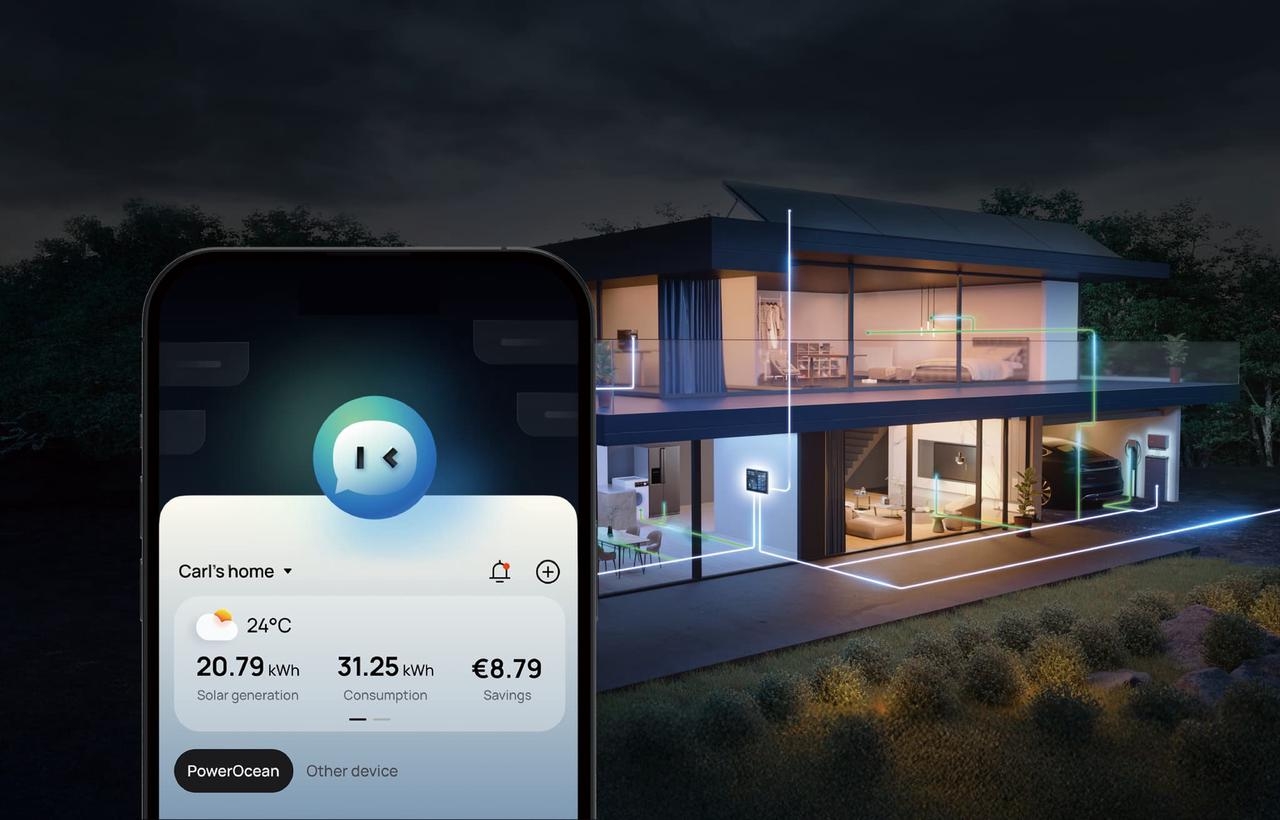
Smart tools help cut bills and ease battery strain. For example, EcoFlow Intelligent HEMS here uses smart control to time charging and usage for better savings. This app helps you optimize your home energy.
Regular Firmware Updates
Update the system firmware and apps whenever new versions become available. Fresh updates can improve charging and system behavior.
Check Battery Health
Check the app or screen regularly for warnings and error messages. Spotting problems early makes repairs easier and supports safe running with home battery storage.
Should You Repair, Reconfigure, or Replace Your Battery?
When your system plays up, you might wonder whether to repair or replace it. Think about the repair costs and how long a solar battery lasts. If problems keep coming back, a simple repair might only delay the next breakdown. Asking a local installer for advice can help you choose the most sensible option.
If you are upgrading anyway, moving to an LFP modular system can be smart. An EcoFlow home battery offers strong safety, long life, and easy future expansion. To learn what suits your home and budget, you can get a Solar battery quote today.
Schedule Your Free Consultation Today!
What kind of product or solution are you interested in?
Conclusion
To conclude, understanding the lifespan of solar batteries helps Australians make smarter choices about home power. Knowing how long solar batteries last makes upkeep and replacement timing much clearer. Households can then choose smart habits and systems that protect performance for many years. As energy costs rise, EcoFlow helps families maximize battery life with LFP chemistry, smart management, and strong warranties.
FAQs
Is it worth getting a battery with solar panels?
Solar batteries let you store solar energy from the day and use it later when needed. This can cut electricity bills and keep essentials running during grid outages.
Do solar batteries work at night?
Yes, they work at night by using energy stored from your daytime solar production. The panels stop at night, but the battery keeps running selected lights and appliances.
How often should solar batteries be replaced?
Most modern home batteries last many years before replacement, compared to quality LFP systems. Actual solar battery lifespan depends on usage, climate, depth of discharge, and maintenance.
How long will a 400W solar panel take to charge a 100Ah battery?
In the strong sun, a 400W panel may need several hours to fully charge. Weather conditions and the current state of charge of the battery will affect charging time.
How long will a 10kW solar battery last?
A 10kW system can power key loads for hours based on usage and efficiency. Systems like EcoFlow home batteries can stretch runtime by smartly managing and prioritizing critical appliances.