LFP Battery: Benefits, Lifespan and How It Powers Your Home
Why has the residential storage market shifted so decisively toward LFP (Lithium Iron Phosphate) technology? The answer is simple: safety and longevity. In a climate like Australia’s, where extreme summer heat is the norm, the thermal runaway risk associated with traditional lithium chemistries has always been a major concern for homeowners. LFP, by contrast, is naturally “heat-resistant”
In this guide, we’ll break down exactly what makes LFP chemistry a “set-and-forget” solution for modern homes. We’ll explore the technical edge of its thermal stability, compare its decade-plus lifespan against older NMC alternatives, and show you how to integrate smart storage to finally outsmart rising electricity prices.
What Is an LFP Battery and How Does It Work?
In simple terms, it’s a type of lithium battery designed for stability, long lifespan, and reliable performance that make it especially suitable for home energy storage systems.
Definition of Lithium Iron Phosphate Battery
An LFP battery is a type of lithium-ion battery that uses Lithium Iron Phosphate (LiFePO4) as the cathode material. Unlike the batteries in your old phone or laptop, these are designed specifically for high-stress, long-term applications like storing solar energy for your house.
Key Components of an LFP Battery
At its core, an LFP battery consists of four main parts: the cathode (the LiFePO4), the anode (usually carbon), an electrolyte, and a separator. These components work together in a sealed cell to move ions back and forth safely.
How LFP Battery Technology Stores and Releases Energy
When your solar panels are generating electricity during the day, ions move from the cathode to the anode to store energy. When you turn on household appliances at night, those ions flow back, releasing a steady stream of electricity to power your appliances.
What Are the Key Benefits of LFP Batteries?
LFP batteries have rapidly gained popularity in the residential energy storage market. It focuses on keeping the lights on while improving both efficiency and safety.
Exceptional Safety and Thermal Stability
Australia gets hot—really hot. LFP batteries have exceptional thermal stability, meaning they can tolerate higher temperatures without breaking down or catching fire. Research from Australia’s Commonwealth Scientific and Industrial Research Organisation (CSIRO) also highlights LFP batteries’ strong thermal stability in high-temperature environments, which makes the chemistry particularly suitable for regions with hot climates. As a result, solar batteries utilizing LFP chemistry are far less prone to thermal runaway, making them one of the safest choices for residential energy storage.
Long Cycle Life and Durability
While some batteries start to lose their puff after a few years, LFP batteries are marathon runners. Most LFP batteries deliver between 3,000 and 6,000 cycles, according to industry data from the International Energy Agency (IEA). For a typical home, that could mean 10 to 15 years of reliable service.
Lower Long-Term Energy Costs
They might cost a bit more upfront than a lead-acid setup, but because they last so much longer and require zero maintenance, the levelized cost of energy (LCOE) is much lower. You aren’t replacing them every five years, which is a win for your wallet.
Environmentally Friendly Materials
Unlike other lithium batteries that rely on cobalt or nickel—which have some pretty messy ethical and environmental mining issues—LFP uses iron and phosphate. These are abundant, non-toxic, and much easier to recycle.

How Long Do LFP Batteries Last?
Longevity is the name of the game when you’re investing in home infrastructure. You want something that’s going to be there for the long haul.
Typical Lifespan of LFP Batteries
In a typical home energy storage system, an LFP battery can last between 10 and 20 years. Most will still hold about 80% of their original capacity even after a decade of daily use.
Factors That Affect Battery Longevity
Even the toughest batteries have their limits. Extreme temperatures (though LFP handles heat well, freezing cold is tricky), discharge depth, and charging speeds all play a role. If you constantly drain it to 0%, it’ll tire out faster.
Tips to Extend LFP Battery Life
To get the most out of your investment, keep the battery in a shaded, ventilated area. Modern systems usually have a Battery Management System (BMS) that handles the heavy lifting, ensuring the cells stay balanced and don’t overheat.
LFP vs NMC Batteries: What’s the Difference?
If you’re shopping around, you’ll see NMC (Nickel Manganese Cobalt) batteries. They’re common, but are they right for your home?
| Feature | LFP (LiFePO4) | NMC (Nickel Manganese Cobalt) |
|---|---|---|
| Safety | Exceptional (High thermal stability) | Moderate (Higher risk of thermal runaway) |
| Cycle Life | 3,000 – 6,000+ cycles | 1,000 – 2,000 cycles |
| Lifespan | 10 – 15+ years | 5 – 8 years |
| Energy Density | Lower (Heavier/Larger) | High (Compact/Lightweight) |
| Environmental Impact | Eco-friendly (Cobalt-free) | Higher (Contains Cobalt/Nickel) |
Safety and Thermal Stability
LFP wins hands down here. NMC batteries have a higher energy density (they are smaller), but they are more prone to overheating. In the Australian climate, the safety profile of LFP is a massive advantage.
Lifespan and Cycle Count
LFP generally offers double or even triple the cycle life of NMC. While NMC might be great for a sleek electric car where space is tight, for a house where space isn’t as much of an issue, the longevity of LFP makes more sense.
Cost and Material Sustainability
LFP is cheaper to produce and more sustainable. By ditching cobalt, LFP avoids the “blood battery” controversy and keeps the price point more stable as raw material costs fluctuate.
Which Battery Type Is Better for Home Energy Storage?
For home use, LFP is the clear winner. It’s safer, lasts longer, and is better for the planet. NMC is great for your phone or a high-performance EV, but for the “set and forget” reliability a home needs, LFP is the way to go.
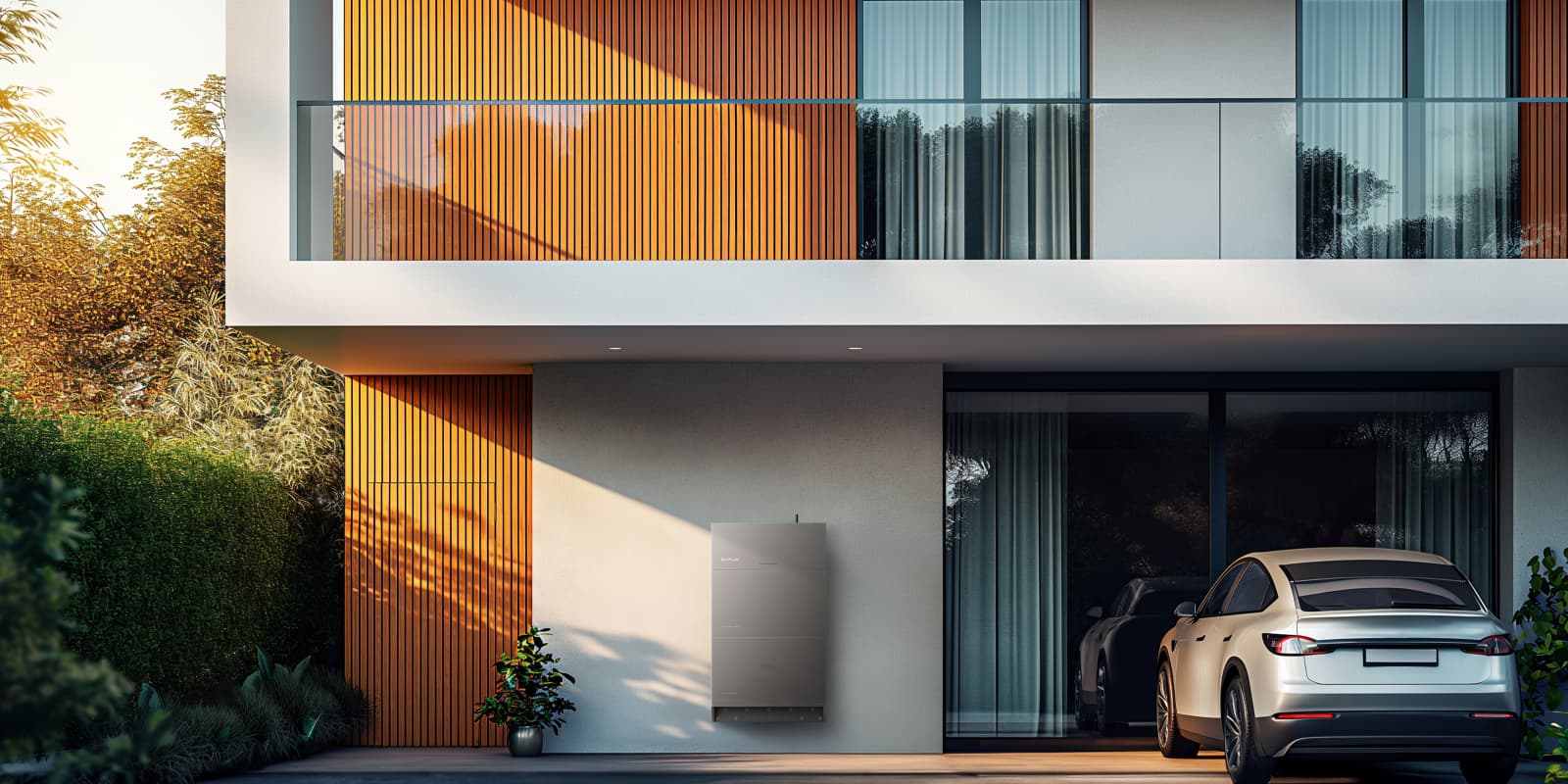
How LFP Batteries Power Your Home
So, how does this chemistry actually translate into a cold beer and a running aircon? It’s all about smart integration.
Solar Energy Storage for Day and Night Use
In many Australian homes, solar panels generate the most electricity around midday when most people are at work or school. Without a battery, much of that energy is exported to the grid for a relatively low feed-in tariff. An LFP battery stores that midday “sun juice” so you can use it to run the dishwasher and the TV once the sun goes down.
Backup Power During Grid Outages
When the grid goes down—be it a summer storm or a bushfire risk—LFP technology provides the foundation for a reliable backup. However, raw battery chemistry needs a smart “brain” to be truly effective. This is where a system like the EcoFlow PowerOcean shines. It combines LFP battery safety with a modular design, allowing homeowners to expand capacity gradually without complex installation. You can stack modules like Lego bricks to get exactly the capacity you need, and during a blackout, it offers a “seamless switchover” so fast you won’t even have to reset your oven clock.
Reducing Electricity Bills with Energy Storage
To truly beat the rising cost of living, you need to see where your power is going. It’s one thing to store energy; it’s another to use it intelligently. By pairing your LFP storage with a tool like the EcoFlow PowerInsight 2, you turn invisible electricity into a clear dashboard of savings. It monitors your generation and usage in real-time, helping you dodge “peak hour” prices by using your stored LFP power when the grid is most expensive. It’s the difference between just having a battery and having a smart energy strategy.
Supporting Smart Home Energy Management
With the right setup, your battery becomes part of a wider ecosystem. You can automate your home to pre-cool the house using solar power or charge your EV only when the battery is full, making your home a self-sustaining powerhouse. This high level of automation is the hallmark of a modern home energy management system, turning basic hardware into a truly intelligent energy hub.
How to Choose the Right LFP Battery for Your Home
Before you go out and grab the first shiny unit you see, there are a few things you’ve gotta tick off to make sure you’re not wasting your hard-earned cash.
Determine the Right Battery Capacity
Grab your latest power bill and look for your daily kWh usage. You’re aiming for a battery that’ll cover you from sunset to sunrise, with a bit of extra “just in case” juice for when the clouds decide to settle in for the day.
Quick Calculation Tip: If your home’s average “night-time” load (fridge, lights, TV) is 0.5 kW and you need it to run for 10 hours until the sun comes up, you need at least 5 kWh of usable capacity. Adding a 20% safety buffer for cloudy days means a 6 kWh to 10 kWh system is the perfect starting point for most Aussie homes.
Check Compatibility
There’s nothing worse than buying a battery and finding out it doesn’t play nice with your current inverter. Check if you need an “all-in-one” AC-coupled system or if you need to swap to a hybrid inverter.
Look for Safety Certifications and Warranty
In Australia, you want to see the AS/NZS 5139 certification. Also, don’t settle for anything less than a 10-year warranty—if the manufacturer won’t back their tech for a decade, neither should you. Look for the AS/NZS 5139 certification to ensure it meets Australian safety standards for battery installation. Additionally, don’t forget to check for local state rebates. Depending on whether you’re in Victoria (Solar Homes Program) or NSW (Peak Demand Reduction Scheme), you could save thousands on your upfront installation costs.
Consider Expandability
You might start small, but what happens when you finally buy that EV or install a pool heater? Go for a modular system. It’s way cheaper to stack another module on later than it is to rip the whole thing out and start from scratch.
Schedule Your Free Consultation Today!
What kind of product or solution are you interested in?
Conclusion
LFP batteries just make sense for how we live in Australia. They’re tough enough for the heat, they won’t pack it in after a few years, and they’re a lot kinder to the planet too. When you back that tech up with a smart setup that actually lets you see where your power’s going, you’re doing more than just sticking a box on the wall—you’re finally taking the power back from the big energy companies. It’s about peace of mind, plain and simple.
FAQs
1. Which is safer, LiFePO4 or lithium-ion?
LFP is significantly safer than traditional NMC (Nickel Manganese Cobalt) batteries. It has much higher thermal and chemical stability, which means it has a much higher “runaway” temperature. In simple terms, it is far less likely to catch fire or explode even if the battery is physically damaged or overcharged.
2. What is the downside of an LFP battery?
The main trade-off is energy density. LFP batteries are typically heavier and bulkier than NMC batteries for the same amount of power. However, for a home storage system where the battery is bolted to a wall or floor, this extra weight usually isn’t an issue compared to the safety and longevity benefits.
3. Which EV cars use LFP batteries?
Many major manufacturers use LFP for their high-volume models. This includes the Tesla Model 3 and Model Y (Rear-Wheel Drive versions), as well as most models from BYD and MG. They choose LFP because it can be charged to 100% more frequently without rapid degradation.
4. Should I charge my LFP battery to 100% every day?
While LFP is tougher than other chemistries, the best practice is to charge it to 100% at least once a week. This allows the Battery Management System (BMS) to calibrate and accurately show your remaining charge. For daily use, keeping it between 20% and 90% can help stretch its already long lifespan even further.
5. Can solar panels still charge batteries during a blackout?
Yes, but it depends on your inverter, not just the battery. To keep charging while the grid is down, you need a Hybrid Inverter with “black start” capability. Standard grid-tie inverters automatically shut down during a blackout for safety. If you have the right setup, your LFP battery will keep the house running and soak up sun juice the next morning, even if the rest of the street is in the dark.