Battery Deep Discharge – What It Is and How It Affects Your Battery
It's tempting to think you're getting the most value by running your solar battery down to zero. That "empty tank" practice—known as battery deep discharge—might be doing a slow burn on your system. For Australian homeowners relying on solar power, understanding what deep discharge is and how it impacts your battery is essential. This guide explains battery deep discharge, the role of DoD (Depth of Discharge), and how to protect your home battery. With newer technology, such as LFP batteries, you can use your power more deeply without the usual drawbacks.
What is deep discharge?
Deep discharge (or battery deep discharge) simply means using nearly all the energy stored in your battery before charging it again. It's like running your phone right down to 1% almost every day. To measure this, we use a metric called DoD (DoD meaning Depth of Discharge). This is a percentage that shows how much of the battery's total capacity you have used.
0% DoD: The battery is completely full.
100% DoD: The battery is completely empty.
DoD is the ultimate "health meter" for your home storage. Every battery chemistry has a sweet spot. If you consistently push past that limit, the internal parts start to wear out much faster than they should.
Example of a home battery scenario
Imagine a solar-powered home with a 10 kWh battery storing excess solar energy generated during the day. In the evening, the household runs appliances, lighting, and electronics using stored energy.
If the home consumes 5 kWh overnight, the battery reaches 50% DoD.
If the household uses 9 kWh, the battery reaches 90% DoD.
How deep discharge affects battery life
Running your battery to empty isn't just a matter of running out of power. Frequent battery deep discharge puts stress on the internal chemical structure of the battery. Here is why deep discharges can be so damaging:
Accelerated cell degradation
Draining a battery too far puts massive mechanical and chemical stress on its internal components. This process damages the electrode structures over time. As these structures deteriorate, the battery's efficiency decreases, which can lead to a faster drop in performance after repeated deep discharge cycles.
Reduced cycle count
Every battery has a finite number of "lives" known as charge cycles. Deeper discharges consume these cycles much faster than shallow ones. For example, a lithium-ion battery might last 3,000 cycles at 40% DoD. However, if you consistently drain it to 100%, that lifespan could drop to just 600 cycles.
Capacity fade
Repeated deep discharges lead to progressive and permanent loss of usable energy. This is known as capacity fade. Over time, the battery may still operate normally but deliver less energy than when it was new, reducing overall system efficiency.
Voltage collapse risk
Draining a battery past its critical limit can make internal reactions unstable. This leads to a "voltage collapse" where the battery can't hold a charge anymore. Once this happens, the affected cells often suffer permanent damage. In the worst cases, your battery becomes a total loss and cannot be recovered.
Chemical stress and lattice strain
High-depletion cycles cause physical changes to the battery's internal lattice structure. As ions move out during a deep discharge, the physical framework of the battery can warp or crack at a microscopic level. This strain makes it harder for the battery to accept a charge during the next solar cycle.
Temperature compounding factor
Australia's climate makes deep discharge even more dangerous. When temperatures climb over 30°C, chemical degradation speeds up. The heat and the stress of a deep discharge work together to age your battery twice as fast, making smart management essential for homes in the hotter northern regions.
Does deep discharge affect all batteries the same way?
No, deep discharge does not affect all batteries the same way. The impact of Deep Discharge (DoD) varies significantly depending on battery chemistry. Here's how the main types compare.
Lead-Acid Batteries
Lead-acid batteries are the most sensitive to deep discharge. You generally shouldn't use more than 50% of their capacity. They are common in older off-grid setups and some rural Australian properties. If you regularly drop below 50% state of charge, the internal plates corrode quickly. This causes the active material to deplete. Once that happens, the battery's lifespan is cut significantly short.
Lithium-Ion (NMC) Batteries
Lithium-Ion (NMC) batteries handle battery discharge better than lead-acid types. They usually have a recommended DoD of around 80%. This gives you more usable power without damaging the unit. However, consistently draining them past 95% can still hurt internal parts. This increases resistance and reduces long-term reliability. Many Australian home batteries still use this chemistry today.
Lithium Iron Phosphate (LFP) Batteries
LFP batteries are the toughest choice for deep-cycle home storage. They can safely handle 95–100% DoD. They suffer far less degradation per cycle than other types. Their thermal stability is a massive plus in Australia's warmer climate. Some LFP batteries are even rated for 6,000 to 8,000 cycles at 95% DoD.
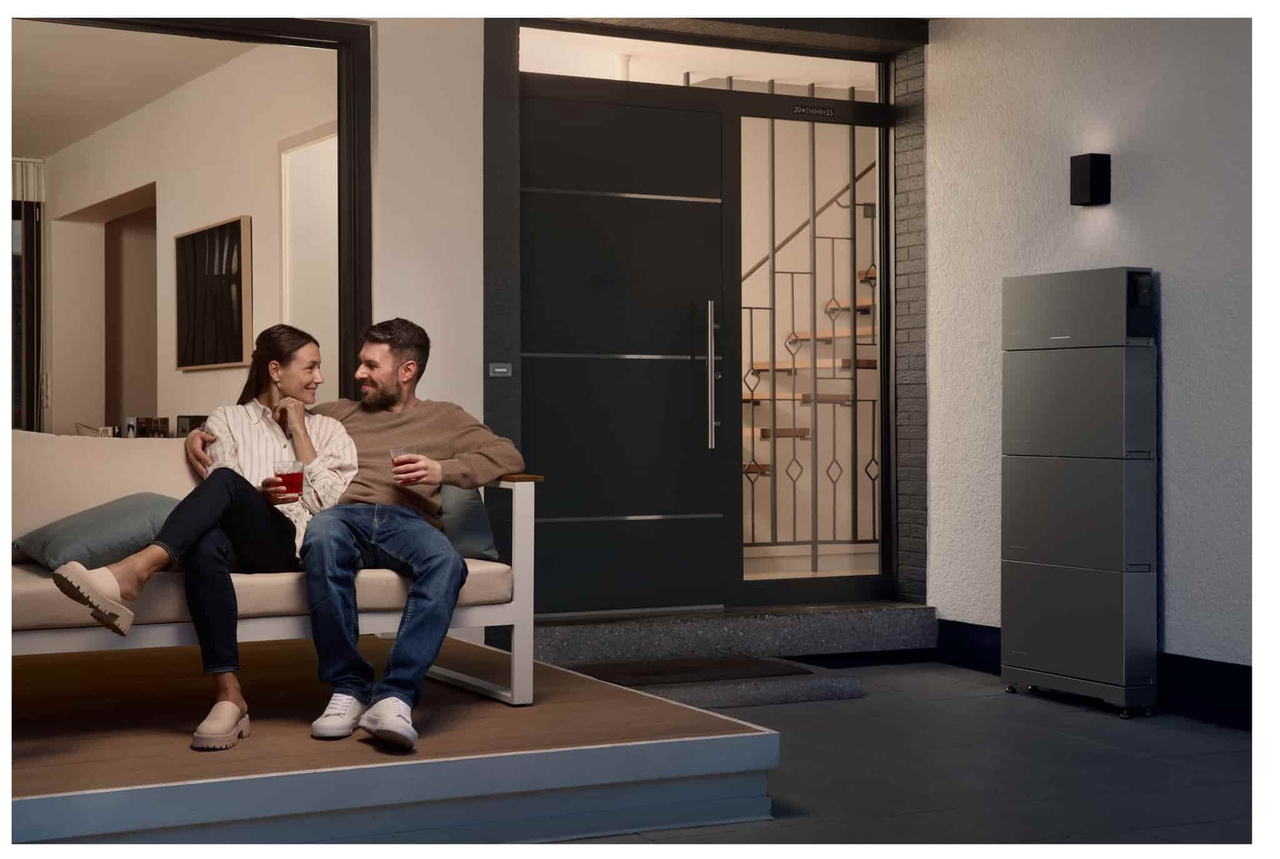
Take the EcoFlow PowerOcean Single-Phase Battery as a prime example. It stands out with its industrial-grade LFP chemistry. It is rated for 6,000 cycles while maintaining 80% of its original capacity. For most Australian households, that translates to roughly 15 years of daily use. This high cycle count is possible even with a high daily depth of discharge, making it a long-term winner for home energy storage.
How to prevent battery deep discharge: Practical tips for homeowners
Preventing battery deep discharge is one of the best ways to extend the lifespan of your solar storage system. By managing battery discharge levels and monitoring Depth of Discharge (DoD), homeowners can significantly reduce battery wear.
Monitor battery SoC (State of Charge)
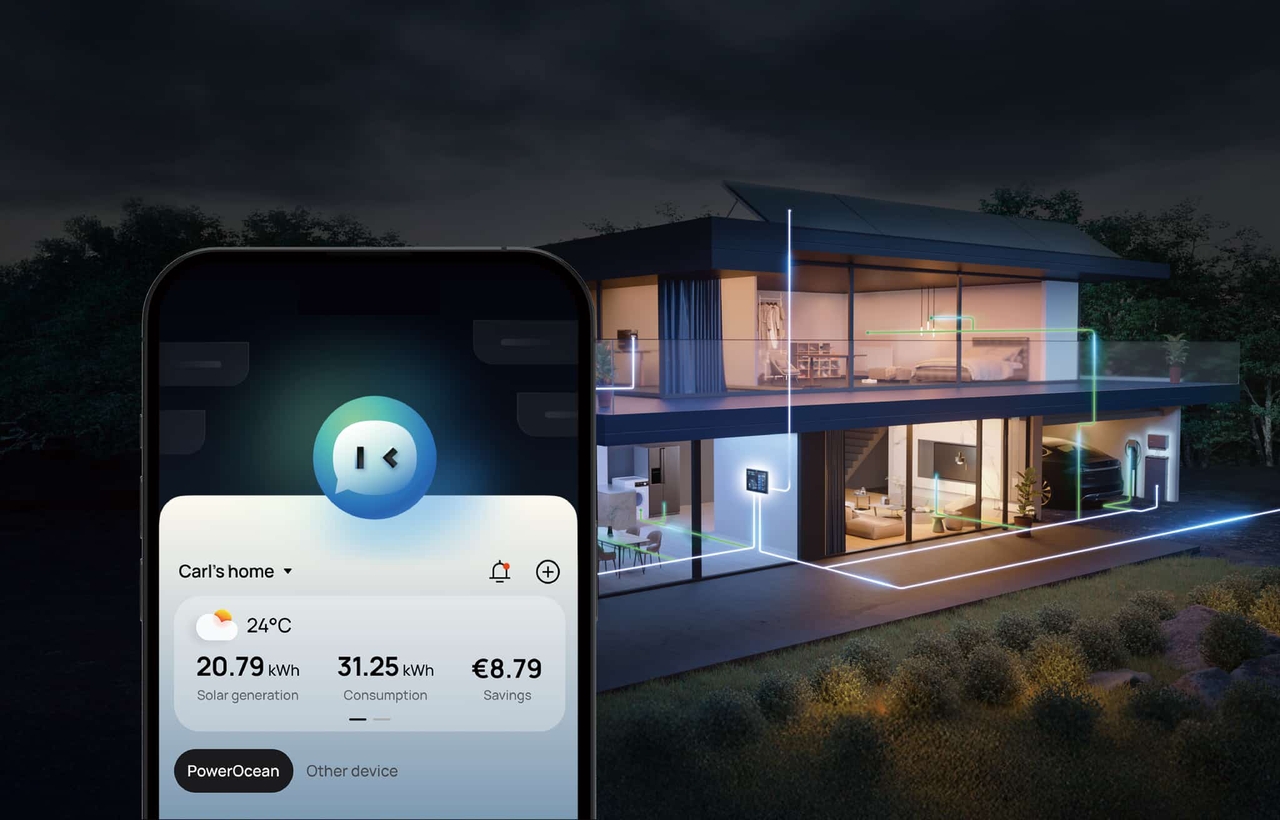
Your State of Charge (SoC) is like a fuel gauge. Keep an eye on how much charge your battery has throughout the day. Most modern systems make this easy. Smart options, like the EcoFlow Intelligent HEMS, give you a live dashboard of your battery state, solar input, and household usage all in one place.
Set minimum charge limits
Most home battery systems let you set a floor — a minimum charge level the battery won't drop below. Set it somewhere between 10–20%, and your system stops drawing power before things get dangerous. It's one of the simplest settings you can configure, and it makes a real difference over time.
Optimise solar charging
Shift your heaviest energy use to the middle of the day when solar generation peaks. Run the dishwasher, washing machine, or EV charger while the sun's doing the work. The more you top up during daylight hours, the less your battery needs to carry overnight — and the shallower your daily discharge stays.
Use battery management systems (BMS)
A built-in BMS is your best defence against over-discharge. EcoFlow PowerOcean LFP batteries include an advanced BMS module in every pack. This system continuously monitors voltage, temperature, and overall health. It automatically prevents over-discharge and overheating. When paired with the EcoFlow Intelligent HEMS, the system smartly manages your backup reserves. It prioritises essential loads and even charges ahead of bad weather. This gives you maximum usable energy each day.
Talk to an EcoFlow expert today to find the right LFP battery solution for your home. Protect your investment with advanced BMS technology, reliable performance, and long-term energy security.
Schedule Your Free Consultation Today!
What kind of product or solution are you interested in?
Conclusion
Understanding battery deep discharge and DoD meaning (Depth of Discharge) can help you get the most out of your home battery system. This helps you avoid damage and keep your solar system running efficiently. You can protect your investment and get reliable power by picking the right battery technology, using smart monitoring tools, and following simple habits to keep your batteries safe. Choosing advanced options like EcoFlow PowerOcean LFP batteries makes this easy. Their built-in BMS provides maximum usable energy while guarding your battery's health for thousands of cycles.
FAQs
1. What is a deep battery discharge?
A battery deep discharge occurs when a battery is drained to a very low level of its total capacity before being recharged. This usually means using up most of the battery's power in one cycle. Over time, that leads to permanent capacity loss, fewer usable cycles, and in serious cases, irreversible cell damage.
2. What is a safe depth of discharge for a home battery in Australia?
It depends on the chemistry. Lead-acid batteries should stay above 50% charge. Lithium-ion (NMC) batteries are generally safe to around 80% DoD. LFP batteries are the most resilient — many handle 95–100% DoD daily without significant damage. For Australian conditions, LFP is the safest choice given the added stress of heat.
3. How can I prevent deep discharge damage?
Configure the battery system settings to establish a minimum charge threshold. Periodically monitor the State of Charge via the battery app or display. Run high-demand appliances during the day when solar power is at its highest. Furthermore, ensure your battery (like the EcoFlow Home Battery) is equipped with a built-in Battery Management System; this automatically prevents harmful battery deep discharge.
4. Can a deeply discharged battery be revived?
Sometimes — but not always. If a battery discharge goes past the critical voltage threshold, the damage is often permanent. Some BMS systems can attempt a slow recovery charge, but full capacity is rarely restored. Prevention is always the better path. Once a cell is gone, no amount of recharging will bring it fully back.
5. What triggers unintentional deep discharge?
Sudden blackouts with high evening loads, poor system settings, forgetting to check the battery level, or extreme hot weather that increases self-discharge. Heavy use during cloudy days or before storms can also push it too far without warning.