Commercial Solar Australia 2026: Costs, Sizes, and System Returns
Running a business in Australia becomes more expensive every year, with 2026 electricity prices hitting record highs. These bills eat into your profits, but you can fight back by generating your own clean power.
Upgrading to commercial solar is a critical move. It protects you from rising grid prices and gives you control over your cash flow. You stop renting power and start owning it. This guide breaks down everything you need to know, from 2026 market data and system sizing to installation costs and government rebates.
What are commercial solar systems?
You might already have solar panels on your house. Business setups work the same way, just on a much larger scale. Commercial solar systems handle heavy, non-stop daily power needs without taking a break.
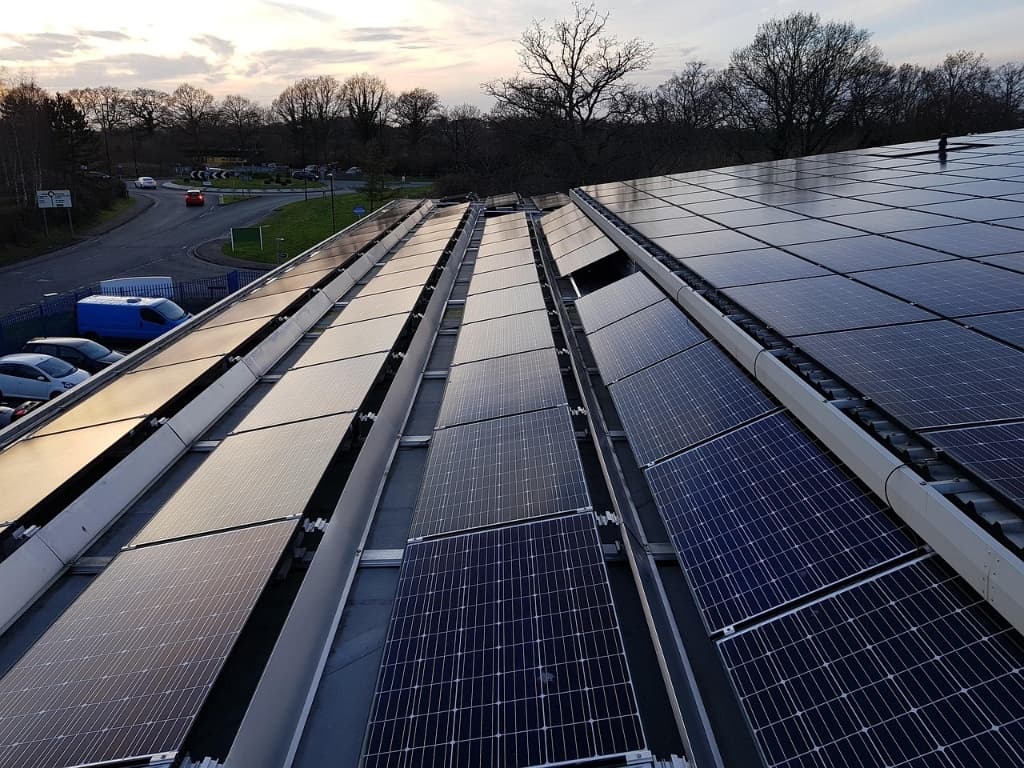
A standard home system just runs a fridge, some lights, and an air conditioner. A business setup is completely different. It must power heavy factory machines, large server rooms, or massive warehouse heaters. To do this safely, they use heavy-duty inverters and high-yield commercial PV panels.
These commercial panels are physically larger and tougher than home panels. They capture more sunlight and produce a much higher wattage output. They are built to easily survive harsh Australian storms and intense summer heat.
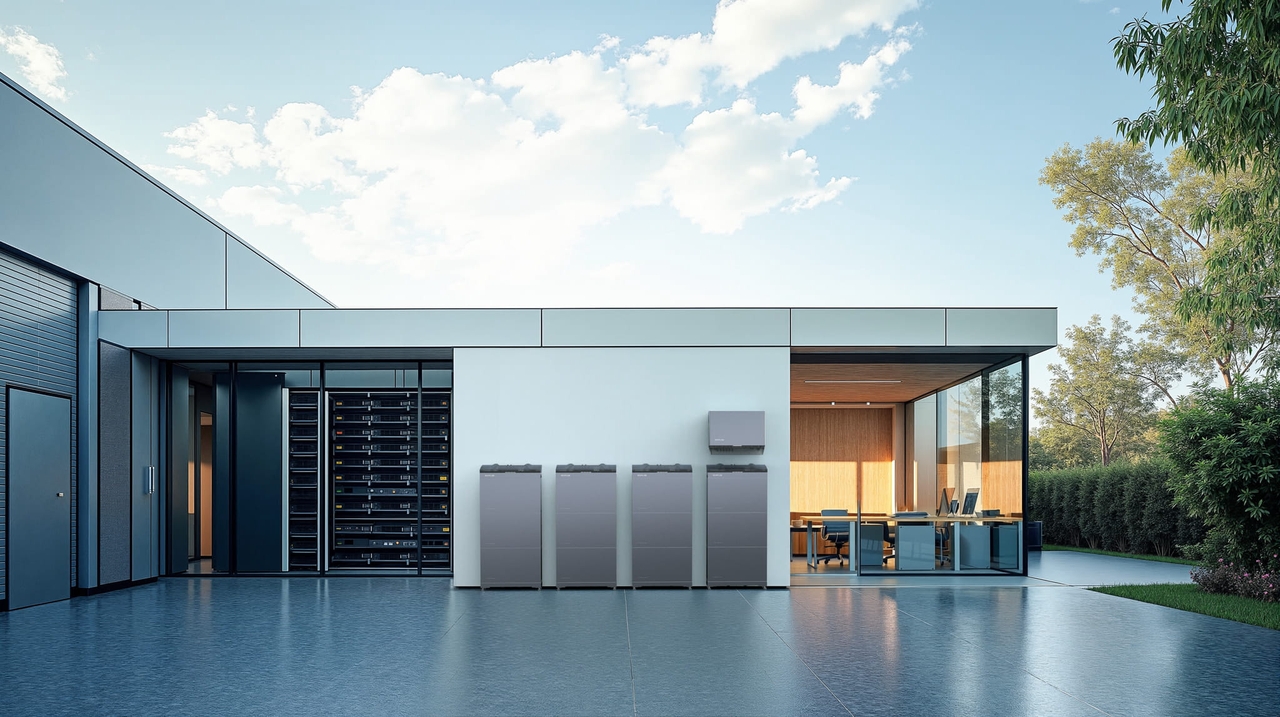
The scale is the biggest difference here. A regular house might have 20 panels on the roof. A business could easily have hundreds of panels spreading across a giant factory roof. The way you store the energy also scales up to match this huge size. A basic home solar battery solution is great for a house. However, a commercial property needs much larger, stackable storage units. This ensures the system handles massive energy spikes safely during your busiest work shifts.
Why invest in commercial solar power?
Putting panels on your roof offers huge benefits. The main reason is simple: it saves you a lot of money every month. It is one of the best financial moves your company can make.
Look at the business electricity rates in Australia right now. Commercial properties pay huge amounts compared to regular houses. Think about your daily routine. Most businesses operate heavily during the day. The sun also shines perfectly during the day. This is a perfect match. When you use solar power for commercial properties, you use energy exactly when it is made. This drastically cuts down how much power you buy from the grid. You completely avoid paying peak daytime electricity rates.
There are other great benefits to commercial solar energy. Customers care about the environment and support green businesses. Using solar boosts your green credentials and shows your community you care. It also helps larger companies easily meet their Environmental, Social, and Governance (ESG) targets. Finally, adding a high-quality solar system increases the value of your commercial property. It is a big win for your budget and your brand image.
Typical sizes for commercial solar panels
Every business uses energy in its own unique way. A small cafe does not need the same system as a giant warehouse. This is exactly why solar panels for commercial buildings come in many different sizes. You must size the system accurately. It needs to match your unique daily load profile perfectly. This ensures you do not waste money on a system that is too big.
Let us look at standard sizes for different businesses. If you run a local retail shop or a small clinic, you might only need a 10kW to 30kW array. A single commercial solar panel array of this size does a great job. It easily covers computers, lights, and a standard air conditioner. It keeps your daily operations running smoothly. These smaller arrays pair nicely with a compact, modular battery setup.
Medium businesses need a lot more power. A local supermarket, a medium school, or a busy restaurant usually looks at 30kW to 50kW systems. These setups easily handle large commercial fridges. They run multiple cooking ovens and constant overhead lighting. They generate enough power to keep medium operations running smoothly. They do this without pulling heavy power from the grid.
Large industrial operations need massive power generation. Factories, cold storage warehouses, and large farming operations use heavy machinery all day. They require massive 100kW+ commercial solar power systems. These are huge engineering projects that cover massive roof spaces. They generate huge amounts of clean power to offset massive industrial power bills.
2026 Costs and payback for commercial solar
Many business owners worry about the upfront price. It is true that robust commercial solar electric systems require an initial investment. However, you should not view this as a sunk cost. It is a highly valuable asset that pays you back quickly.
In 2026, the cost of solar hardware has actually dropped. At the same time, grid electricity prices have gone straight up. This makes the math look incredible for business owners. For example, a quality 30kW system might cost between $20,000 and $30,000. This is the price after government rebates are applied.
Electricity is very expensive right now. Because of this, that 30kW system saves you thousands of dollars every single month. The money you save pays off the initial cost very quickly. Today, the average payback period for commercial solar in Australia sits around 3 to 5 years. This is a very fast return on your investment.
Once the system pays for itself, the power it makes is basically free. If your system lasts 20 years, that is 15 years of free electricity flowing into your business. Finding ways to store this power will only speed up these savings. Adding a battery helps you avoid evening grid charges entirely. A commercial solar power system gives you one of the safest returns on investment in the business world today.
Australian rebates: STCs and LGCs
The Australian government really wants businesses to go green. They offer excellent financial incentives to help you do it. These federal rebates make commercial solar solutions highly affordable in 2026. You should take advantage of them right now. They might change or disappear in the future.
The first program is for systems under 100kW. This covers most small to medium businesses across the country. It uses Small-scale Technology Certificates. These are called STCs for short. Think of an STC as a huge point-of-sale discount. The government calculates how much clean power your system will make over its lifetime. They give you certificates for that power upfront. Your installer trades these certificates for cash. They lower your final bill immediately. It is a simple, instant discount that saves you thousands.
The second program is for huge systems over 100kW. This uses Large-scale Generation Certificates. These are called LGCs. LGCs work a bit differently. Instead of an upfront discount, you earn LGCs every single year. You earn them based on the exact amount of power your massive commercial solar PV panels actually generate.
You can sell these LGCs on an open market. You sell them to large polluters who need to offset their carbon emissions. This creates an ongoing, yearly revenue stream for your business. Both programs make investing in a commercial solar PV setup a very smart financial move.
When and what businesses need to add a solar battery?
Having panels on your roof is a great start. But the sun always goes down every evening. If your business is only open from 9 AM to 5 PM, panels might be enough. But what if you operate differently? What if you have longer hours?
If your business runs early in the morning or late into the evening, you have a problem. You will still have to buy expensive grid power when the sun is not shining. Also, many businesses suffer from high Time-of-Use demand charges. These are called ToU charges. These are massive fees the power company charges you for using electricity during peak evening hours.
To beat these unfair fees, solar for commercial properties will eventually require battery integration. A battery stores your free daytime solar power. You can then use it during those expensive evening hours to maximize your return. It allows you to use your own power even when it is dark outside.
Scalable battery storage for small businesses
You might think batteries are only for giant factories. That is simply not true. Small-to-medium enterprises do not need massive battery farms. Think about local cafes, boutique shops, and small offices. They need smarter, smaller solutions.
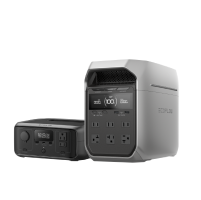
For small businesses, modularity is the best solution. Modularity means you can start small and grow later. It works just like building blocks. For example, a small business can easily future-proof its setup. You can use a scalable unit like the EcoFlow PowerOcean Plus Solar Battery, which can expand to a massive 180kWh capacity.
You can start with just one battery block today. This handles your basic evening operations. It keeps the fridges cold and the security cameras on. If your business grows in a few years, you do not have to buy a whole new system. You simply stack more battery modules on top of your existing setup. It is very easy and cost-effective.
Unsure how to properly size a storage system to match your operational hours? Get a solar battery quote to connect with a professional energy consultant. They will easily map out your potential savings.
Schedule Your Free Consultation Today!
What kind of product or solution are you interested in?
Managing time-of-use tariffs with smart software
Raw battery capacity is useless if you do not use it smartly. You need a way to tell the battery exactly when to discharge its power. You want to automatically avoid paying peak grid rates during late afternoon shifts. You do not want to flip switches manually.
This is very important for businesses like restaurants or gyms. These places get very busy in the evening. This is exactly when the grid charges the absolute most money for electricity.
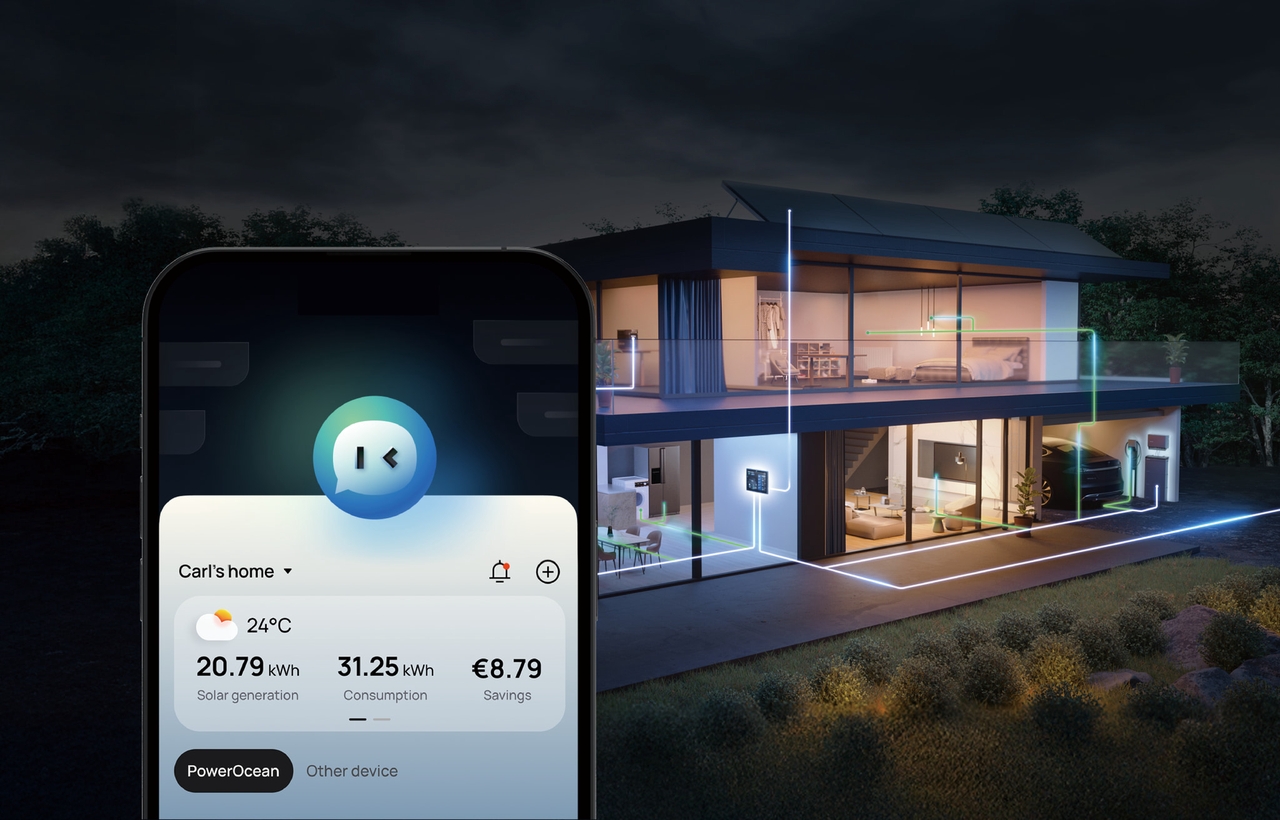
To fix this problem, you need smart software. Utilizing an intelligent energy management hub, such as the EcoFlow HEMS, gives your system a smart brain. It tracks local weather patterns. It checks daily grid tariffs. It automatically routes your stored solar power exactly when grid electricity is most expensive. It does all this heavy lifting quietly in the background. The business owner never has to lift a single finger.
Ensuring continuity with blackout protection
Power outages are a total nightmare for any business owner. Think about the severe financial impact of a sudden blackout. Factory production lines halt entirely. Point-of-sale cash registers stop working. You cannot take customer payments. Refrigerators turn off, leading to thousands of dollars in spoiled inventory.
A battery is not just for saving money on your daily bill. You should view battery storage as a critical operational insurance policy. When the grid fails, your battery steps in.
Grid-tied panels turn off during a blackout to keep street repair workers safe. But a hybrid system keeps working. Seamless backup capabilities guarantee success. Quality units ensure that essential business equipment remains online. It happens without a single glitch during a total grid failure. You stay open while competitors go dark.
Conclusion
Taking control of your energy costs has never been more important. High overhead costs make it hard to run a profitable business in 2026. A commercial solar system changes the game completely. It allows you to produce your own clean energy right on the roof.
When you pair commercial solar panels Australia setups with smart, scalable battery storage, you build a strong fortress around your business. It is the most reliable defense against unpredictable Australian energy markets. Do not wait for power bills to climb any higher. Encourage your management team to explore these setups today. Take full advantage of the 2026 government rebates before they taper off in the future.
FAQs
1. How much does a commercial solar system cost?
Pricing varies heavily by the kW size and your specific roof type. However, a standard 30kW system post-rebate usually ranges from $20,000 to $30,000. Larger industrial commercial solar energy systems will cost more upfront but deliver massive monthly savings.
2. Are commercial solar panels different from residential?
Yes. While they use the same basic silicon cells, commercial solar electric panels are physically larger. They boast a much higher wattage output per panel. Installers also use heavier-duty commercial racking systems to safely secure them to large flat roofs.
3. How effective are commercial solar panels?
They are incredibly effective at slashing daytime grid costs. Pairing your panels with scalable storage, such as the EcoFlow PowerOcean Plus Solar Battery, makes them even more effective. They easily capture unused power for your expensive evening shifts.
4. Do commercial solar energy systems need regular maintenance?
They need very little upkeep because they completely lack moving parts. However, booking an annual professional clean and a quick electrical inspection is highly recommended for proper solar panel maintenance. This ensures maximum sunlight absorption and full safety compliance year-round.
5. How long do commercial solar panels last?
High-quality panels survive harsh weather for decades. They often carry a 25-year warranty. However, your supporting hardware typically needs an upgrade after 10 to 15 years.