10kW Solar System Australia 2026: Output, Price & Buyers Guide
Living in Australia means dealing with some of the highest electricity prices in the world. Living costs continue to shift in 2026. Finding ways to cut household expenses is more important than ever. For many families, generating their own power is the best solution.
In the past, a small 5kW setup was enough for a standard home. Today, larger setups are becoming the new normal. A 10kw solar system is now one of the most popular choices for Australian homeowners. But is it the right choice for you?
This complete guide breaks down everything you need to know about the 10kw solar system. We will cover the roof space you actually need and the daily energy you can generate. We will also cover the average upfront costs. Finally, we will look at expected payback periods. This helps you decide if this size is the right investment to slash your grid reliance.
How many panels are in a 10kw solar system?
This is usually the very first question homeowners ask. The exact answer depends on the wattage of the individual panels you choose to install.
Solar panels come in different power ratings. In 2026, standard residential panels usually offer between 400W and 440W of power. To figure out how many panels in a 10kw solar system you need, just do a little math. A 10kW system equals 10,000 watts. If you divide 10,000 by 400 watts, you get exactly 25 panels.
Therefore, it typically requires 23 to 25 standard panels to build a complete 10-kilowatt solar panel system.
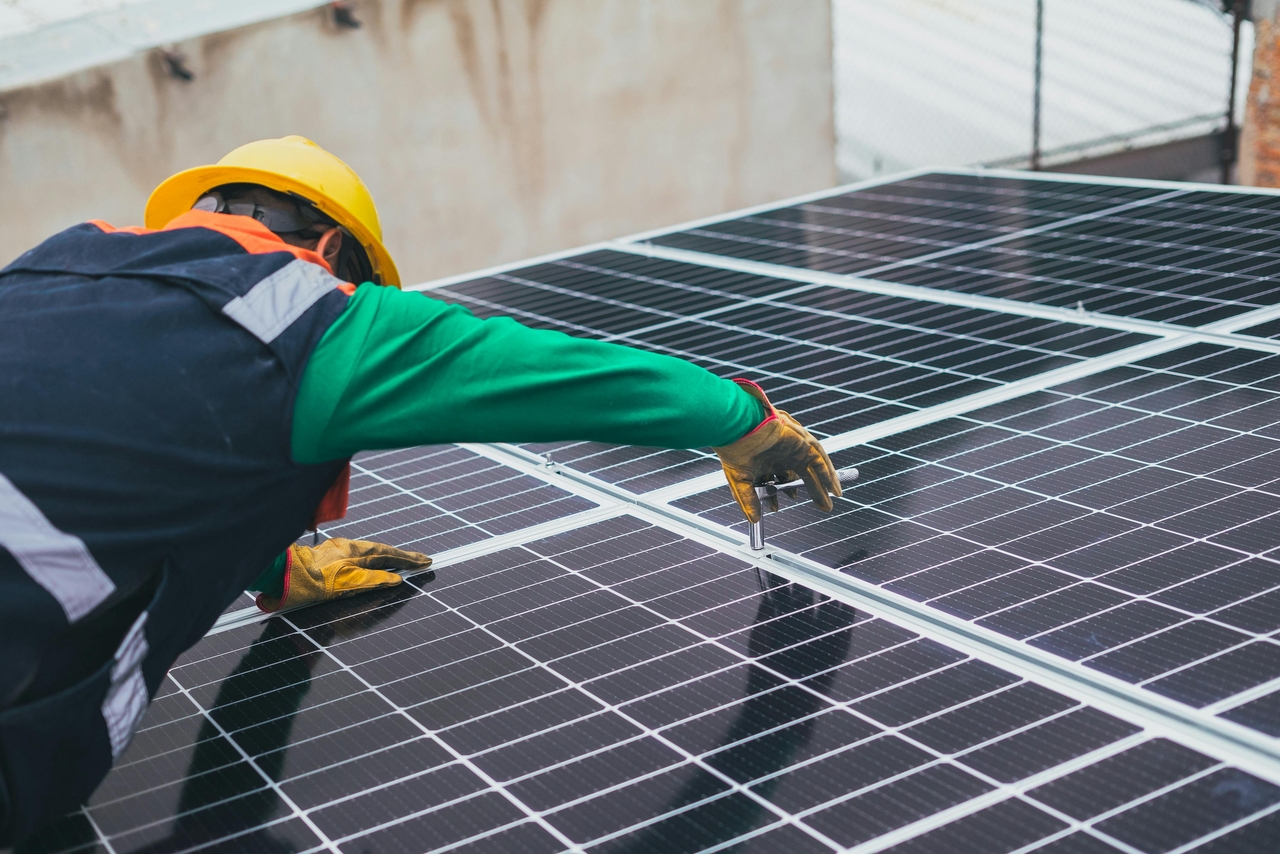
You will also need to think about physical space. A single 10kw solar panel is roughly 1.7 meters (5.5 feet) tall and 1 meter (3.2 feet) wide. To fit 25 of these on your roof, you will need around 45 to 50 square meters of clear space. For the best results, you need a clear, unshaded roof facing north, east, or west. Your roof might have a lot of chimneys, skylights, or unusual angles. If so, your installer can split the panels across different roof sections.
How much energy does a 10kw solar power system generate?
Having panels on your roof is great. But what does that mean for your daily life? On average, a 10kw solar power system generates roughly 35 to 45 kilowatt-hours (kWh) of electricity per day.
To put that into perspective, the average Australian home uses about 15 to 20 kWh of electricity per day. This means a system of this size generates more than double the power a standard home needs.
Regional and seasonal differences
Australia is a huge country. The sun shines differently depending on where you live. Your daily energy generation will shift based on your location and the time of year.
Sunnier cities like Brisbane or Perth will easily push toward the higher end of that 35 to 45 kWh average. Cloudy cities like Melbourne or Hobart might sit closer to the lower end. This is especially true in the middle of winter.
It is also important to remember how solar power works throughout the day. Peak generation happens right in the middle of the day when the sun is at its highest. However, most families use the most electricity in the early morning or evening. This is when they are cooking, watching TV, or running heaters. This timing difference is a crucial detail. It helps you understand self-consumption versus exporting power to the grid.
Is a 10-kilowatt solar system right for your home?
Not everyone needs a massive solar array on their roof. However, 10 kW solar systems are absolutely perfect for certain types of Australian households. If you have four or more people living in your house, your daily energy needs will naturally be higher. More people mean more hot showers, more laundry, and more cooking.
High-demand households and EV owners
If your home has high energy demands, this larger size is a smart move. Big energy draw items include ducted air conditioning, pool pumps, electric hot water, and large fridges.
Furthermore, if you currently own an electric vehicle (EV) or plan to buy one soon, your electricity needs will skyrocket. Charging an EV at home takes a massive amount of power. A larger setup easily supports these heavy loads. It stops you from buying expensive electricity from the grid.
Single-phase vs. three-phase property considerations
When you connect solar to the grid, you have to deal with your local electricity network rules. Most standard Australian homes have a "single-phase" power connection. Many network operators restrict single-phase homes to a strict 5kW export limit. Your panels might make 8kW of power while your house only uses 1kW. You can still only send 5kW to the grid. The remaining 2kW goes completely to waste.
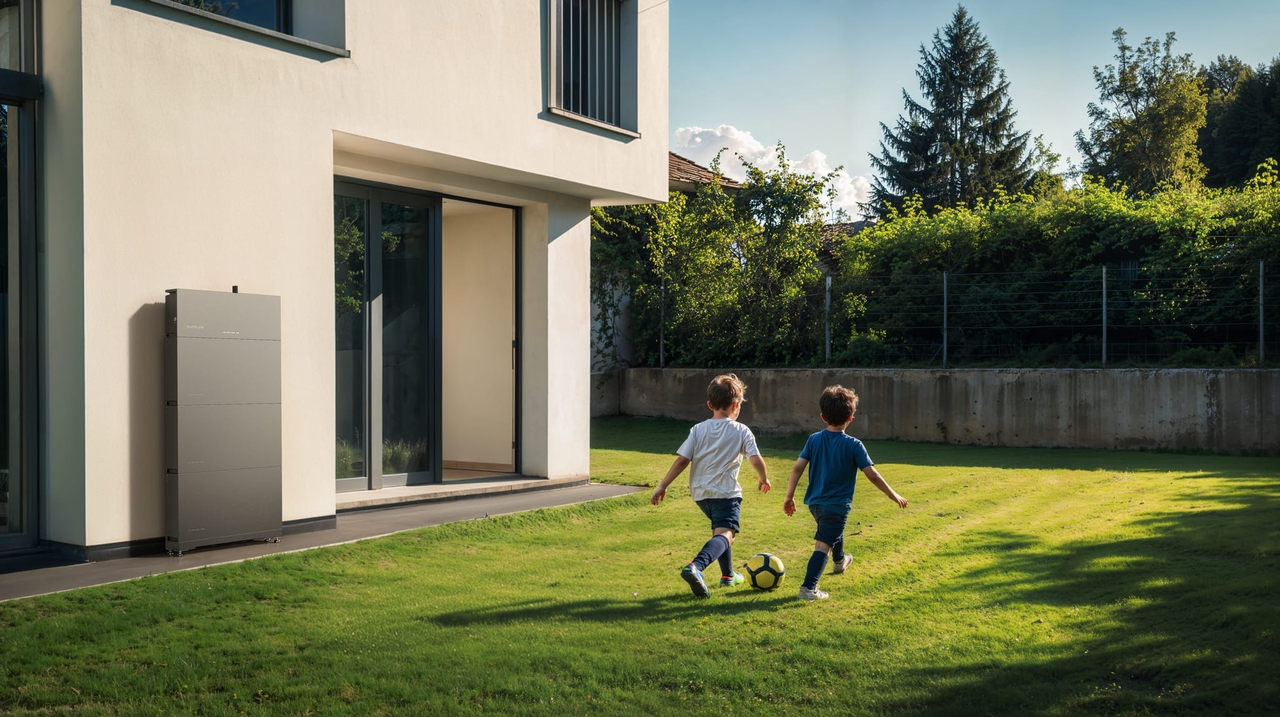
A 10 kW solar system produces more power than a typical home uses during the day. This export limit can be a big problem. This makes a 10kW setup the perfect foundational size for adding a home battery. By storing the extra power instead of losing it, you keep all the value. A home battery like the EcoFlow PowerOcean Single-Phase Battery fixes this. It ensures you capture every drop of solar energy you create for the evening.
Every home is different. You might be unsure which system size is right for your roof. The easiest step is to just ask an expert. You can safely and easily contact professional energy consultants to get a personalized assessment. They can look at your recent energy bills and give you clear, honest advice about your options.
Schedule Your Free Consultation Today!
What kind of product or solution are you interested in?


10kw solar system price: Costs with and without storage
Understanding the costs involves looking at exactly what equipment you are buying. Let's provide a realistic price breakdown for 2026.
Average 10 kW solar system price (panels only)
You might just buy the solar panels and the inverter. The inverter is the box that turns solar energy into usable home electricity. The standard 10 kW solar system price generally ranges between $8,000 and $12,000.
Why is there such a big price gap? It comes down to component quality and installation difficulty. Premium, Tier 1 panels and high-end European inverters will push the price closer to $12,000. You might also have a two-story home, a steep roof, or need switchboard upgrades. Installers will charge more for their extra labor and safety equipment.
The 10kw solar system with battery price in 2026
While panels alone are great, the true value of solar in 2026 comes from adding storage. Adding a battery will increase your upfront 10kw solar power system price. However, it provides a massive leap in long-term savings. It captures all that excess daytime power for nighttime use.
A complete 10kw solar system with battery price usually sits between $16,000 and $24,000. The total cost depends heavily on your home's wiring and the battery size. Most batteries are between 10kWh and 15kWh. The 10 kW solar system with battery price can also shift depending on whether your home is single-phase or three-phase. Larger three-phase properties need heavy-duty backup power. Systems like the EcoFlow PowerOcean Home Battery (Three-Phase) keep the whole house running smoothly. Three-phase equipment can sometimes carry a slightly different installation cost.
Maximize your ROI with smart storage
If you want the best return on investment (ROI) for your 10kw solar panel system, you have to change how you think about the power grid.
Overcoming low feed-in tariffs
Years ago, energy companies paid Australians a high "feed-in tariff" for sending extra solar power back into the grid. Today, those tariffs have dropped dramatically. You might only get paid 4 cents per kWh for your exported solar. But the energy company will charge you 30 cents per kWh to buy power back at night. Exporting large amounts of power from a 10kw panel system is no longer the smartest financial move.
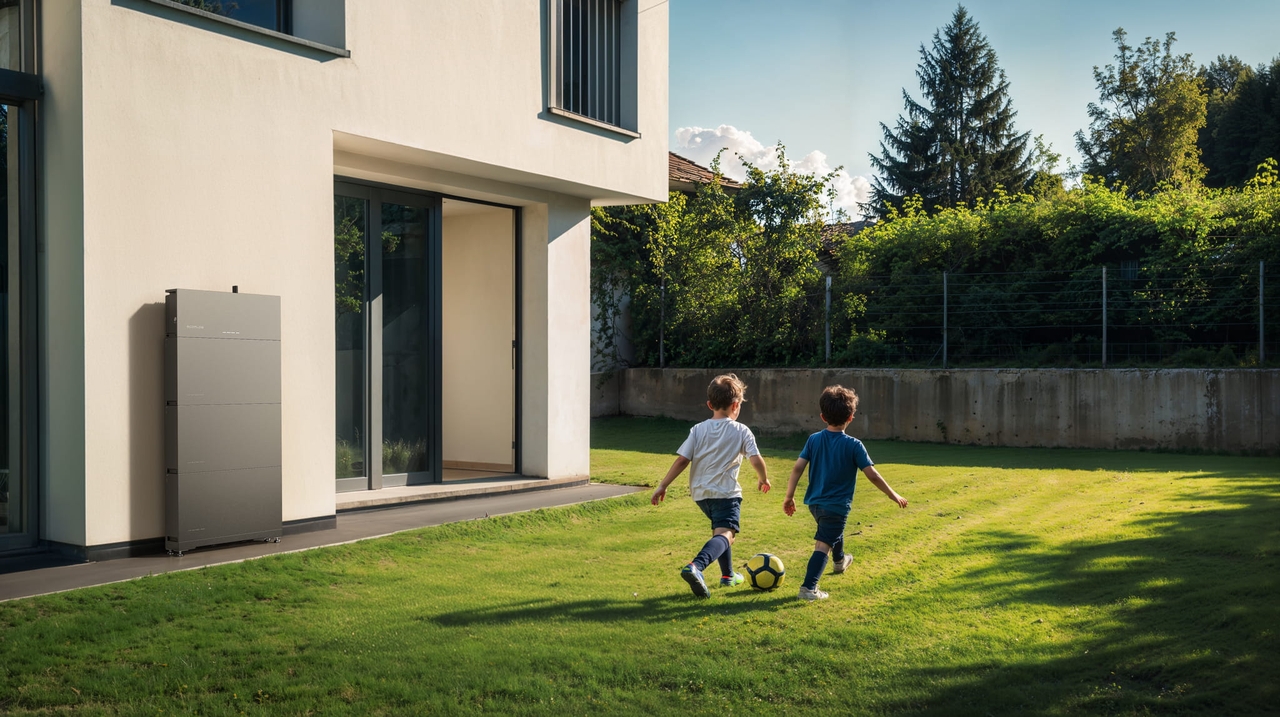
Instead, storing that 35-45 kWh daily output is the key to offsetting those expensive evening peak rates. This is where investing in a dedicated home battery storage solution changes the game entirely. A home battery like the EcoFlow PowerOcean handles this perfectly. It safely captures your excess daytime energy, so you can use it after sunset.
Automating savings with a smart management system
Having a battery is good, but having a smart battery is better. You want your system to make money-saving decisions for you automatically.
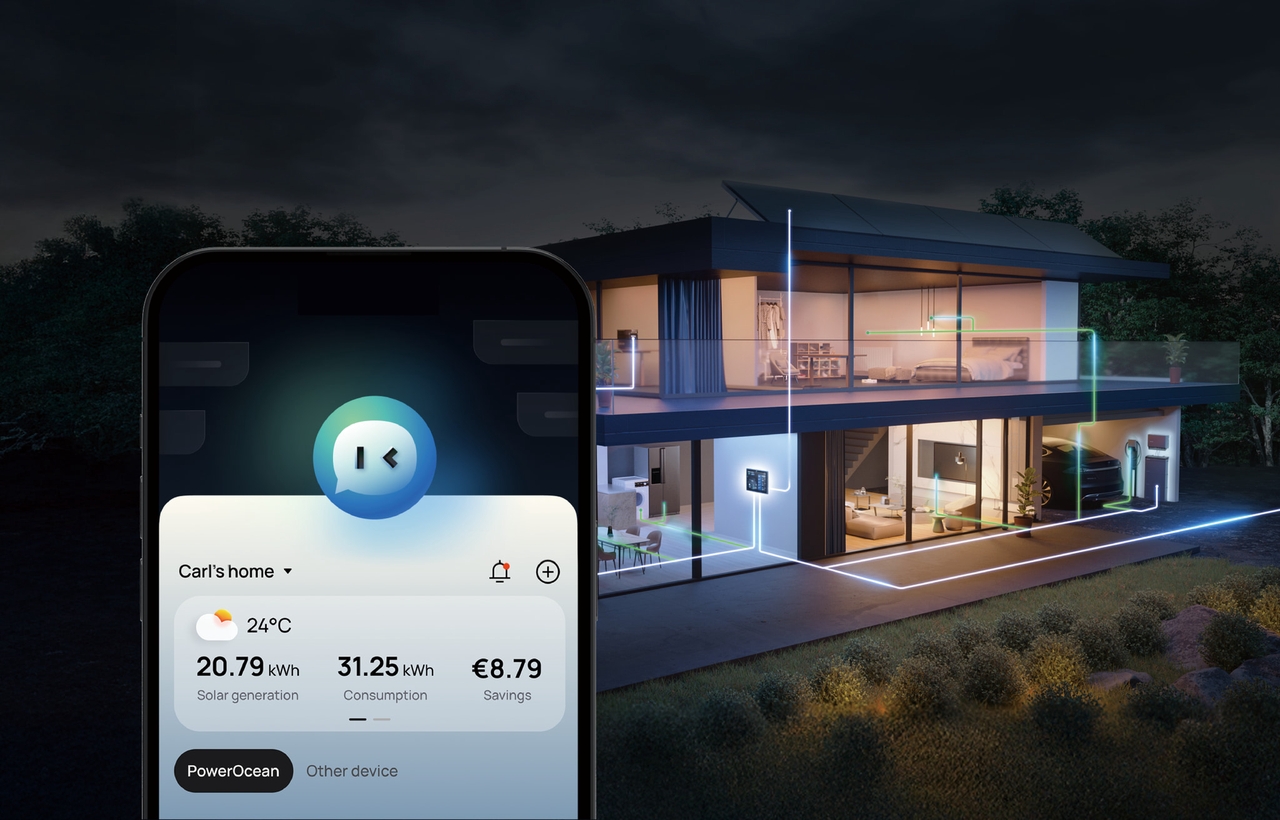
Integrating a smart system acts as a brain for your home. For instance, the EcoFlow Intelligent HEMS tracks your daily usage habits. It also checks real-time weather forecasts. If it knows a cloudy day is coming, it will adjust how it stores and uses energy. It automatically optimizes when to store solar energy and when to power the house. This maximizes the financial value of your setup without pushing a button.
State and Local Solar Rebates in 2026
The initial price tag of a large system can feel intimidating. Thankfully, there are several local financial incentives available across Australia to help bring those costs down.
Federal and state-based incentives
The Australian government offers a nationwide incentive program called STCs. This acts like a point-of-sale discount to reduce the upfront 10kw solar power system price. The installer usually handles this paperwork for you and applies the discount directly to your quote.
Beyond that, you must remember to check your specific state incentives. State governments frequently run local programs, zero-interest loans, or specific battery rebates. These lower the barrier to entry. They can take thousands of dollars off your final 10-kilowatt solar system and battery installation costs.
Virtual Power Plant (VPP) programs in Australia
Another excellent way to offset your costs is by joining a Virtual Power Plant (VPP). A VPP is a network of connected home batteries. The main energy grid struggles on hot summer afternoons. The grid operator can pull a tiny amount of stored energy from your battery to help stabilize the network.
In exchange, local VPP participation can offer generous sign-up bonuses or ongoing monthly bill credits. This highly practical step helps offset your initial 10 kW solar system price. It also speeds up your payback period.
Conclusion
Switching to renewable energy is one of the most effective ways to protect yourself against rising utility bills. A 10kw solar system is an excellent, future-proof investment for modern Australian households.
A robust system size gives you enough capacity to run heavy household appliances. You can easily charge electric vehicles and produce excess power. Pair this with a reliable EcoFlow Home Battery. You stop selling your power for pennies and achieve true energy independence.
FAQs
1. Is a 10kw solar system big enough to run a house?
Yes, it is more than big enough for most households. It produces around 35 to 45 kWh of energy a day. This is roughly double the average Australian home's daily usage of 15 to 20 kWh, giving you plenty of power, especially when paired with a battery for night use.
2. What is the payback period for a 10 kW solar system?
For a standard system without a battery, the payback period is usually between 3 and 5 years. If you are calculating the full 10kw solar system with battery price, it might take 6 to 8 years, depending heavily on your self-consumption rates and local electricity tariffs.
3. Can a 10kw solar power system run a ducted air conditioner?
Yes, it certainly can. Large ducted AC units typically use around 3kW to 6kW of power per hour. A 10kW setup generating peak daytime power can run the air conditioning easily while still having enough surplus power left over to charge a home battery.
4. Do I need three-phase power for a 10-kilowatt solar system?
Not necessarily. In many Australian states, grid operators restrict single-phase homes to a 5kW export limit. You can still safely install a 10kW setup on a single-phase property. However, the inverter will be export-limited. This makes adding a battery like the EcoFlow PowerOcean essential to capture excess power.
5. How much does a 10kw solar system save per year?
Your exact savings depend on your specific feed-in tariffs and how much solar power you consume directly inside your home. However, most families with a system this size can expect their savings to range from $1,500 to well over $2,500 annually.