Understanding STCs: Navigating 2026 Australian Solar Rebate Changes
Many Australian homeowners want to switch to solar in 2026. As the cost of living and electricity bills rise, generating your own clean power is a great idea. However, the high upfront costs of panels and installation can be a shock to the family budget.
Thankfully, the federal government’s Small-scale Renewable Energy Scheme (SRES) makes solar more affordable for families through a system of tokens called STCs.
To save money on your new system, it is essential to understand how this program works. This guide explains the core STC meaning, how the rebate works in real life, and what factors change the current price. We also outline the strict eligibility rules you must follow. If you are looking into solar battery storage, understanding these upfront savings is your first step. Let's explore how to claim your discount before the government reduces the savings at the end of the year.
STC meaning: What are small-scale technology certificates?
The government wants to reward people who create clean energy. To do this, they created small scale technology certificates. These are often just called STCs. You can think of them as digital reward tokens.
When you install an eligible renewable energy system, like solar panels on your roof, you earn these tokens. But what exactly does one token mean? Each certificate represents one megawatt-hour (MWh) of clean electricity. This is power that your solar system will either create for your home or stop you from pulling from the main power grid.
The government estimates how much power your system will have over a set number of years. This block of time is called the "deeming period." They give you all the tokens for that entire period up front. You do not have to wait years to collect them.
This scheme is a clever way to encourage Aussies to go green. Instead of paying full price, you use these digital tokens to reduce the cost of your solar setup right from the start. It turns a massive investment into a very affordable home upgrade.
How does the STC solar rebate work in Australia?
There is a very common misunderstanding about this program. Many people think the STC solar rebate is a cash cheque. They believe they have to pay full price for the solar panels first, mail a form to the government, and wait weeks for a refund cheque to arrive. That is not how it works at all.
The process is actually much easier for homeowners. It works as an upfront point-of-sale discount. Here is the typical workflow:
First, you agree to buy a solar system from a registered solar installer. During this process, you sign a simple form. This form assigns the right to create your STCs to your installer. You are giving your digital tokens to them.
In exchange for your tokens, the installer gives you a massive discount on your total bill. They take the value of those tokens directly off your final invoice. You only pay the leftover balance.
After that, the installer handles all the boring paperwork. They register the tokens and sell them to recover their money. This system is great for you. It drastically lowers the initial barrier to entry. You do not have to empty your savings account to get solar power.
Factors impacting the STC price in 2026
Now that you know how the discount is applied, you might wonder how much money you actually save. The financial side of this scheme can be a little tricky.
An STC rebate is not a fixed amount of money. Instead, these digital tokens are a tradable commodity. Just like shares on the stock market, the STC price goes up and down. It changes based on supply and demand in the open market. Heavy polluters, like large power companies, are forced by law to buy these tokens to offset their carbon footprint. When many polluters need tokens, the price goes up.
The government does have a safety net. They created the STC Clearing House. In this clearing house, the price is strictly capped at $40 per token (excluding GST). However, most installers trade on the open market because it is much faster. On the open market, the price usually hovers around $38 to $39 per token.
When your installer gives you a quote, they look at the current market rate. They calculate your total discount based on what the tokens are worth that exact day. If the market price drops slightly, your discount might be a little lower.
How to calculate your solar power STC discount
Calculating the number of solar power STC tokens you will receive depends on three main variables.
1. System Size
The first factor is the total kilowatt (kW) capacity of your solar panels. A larger system makes more power. Therefore, a larger system earns more tokens.
2. Postcode Zone
Australia is a huge country with different weather patterns. The government divides the country into four specific zones. These zones are based on expected solar generation. Sunnier areas generate more power, so they get more certificates.
Zone 1 gets the most sun (like dry desert areas).
Zone 2 gets a lot of sun.
Zone 3 covers mostly major cities like Sydney, Brisbane, and Adelaide.
Zone 4 gets the least sun (like Melbourne and Tasmania).
3. Deeming Period
This is the most important factor to watch in 2026. The government scheme is slowly phasing out. It will completely end in the year 2030. Because of this, the "multiplier" used to calculate your tokens drops by one year every January 1st. If you wait until next year to buy solar, you will get fewer tokens and a smaller discount.
Let's look at a quick example. If you live in Zone 3 and install a standard 6.6kW system today, you multiply your system size by your zone rating and the current deeming period. Your installer does this math for you. If you are also trying to figure out what size solar battery I need, your total panel size is a great starting point for that math, too.
Eligibility criteria for claiming STCs
You cannot just buy any solar panels online, nail them to your roof yourself, and expect a discount. The Clean Energy Regulator has very strict rules to protect consumers and the power grid.
To claim an STC rebate, your system must be under 100kW in total capacity. This is an easy rule to pass. Almost every normal residential home uses a system between 5kW and 15kW. A 100kW system is usually for large factories or farms.
The most important rule is about quality. The solar panels and the inverters you buy must be Clean Energy Council (CEC) approved. The CEC tests equipment to make sure it is safe for Australian conditions.
Also, the person installing the system must be a CEC-approved installer. They must have the proper training and licenses. If you hire a cheap, non-approved worker to install your panels, your system is completely ineligible for the discount. You will miss out on thousands of dollars. Always ask to see your installer's CEC accreditation before you sign any paperwork. Knowing the rules is just as important as finding the best solar battery Australia has to offer.
Maximizing your STC in solar investment with home batteries
Getting a great upfront discount on your solar panels is wonderful. But it is really only the first step. To truly get the most out of your STC in solar setup in 2026, you have to look at how you use power.
During the day, your panels make lots of free electricity. But most families are at work or school during the day. When everyone comes home at night, the sun sets. The panels stop working. The family then has to buy expensive power from the main grid to cook dinner and watch TV. To fix this problem, homeowners need a home battery to store their power.
Pair panels with a CEC-approved battery
When you add a battery to your STC solar system, you must follow the same safety rules. Using reliable, compliant equipment is crucial for the safety of your family and the longevity of the battery.
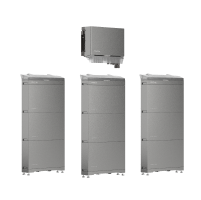
You should pair your discounted panels with a robust, CEC-approved home storage solution. A great option is the EcoFlow PowerOcean Single-Phase Battery, which is eligible for the Cheaper Home Batteries program to help lower your upfront costs. This system allows you to securely bottle up the sunshine you collected during the day. Instead of sending it back to the grid for pennies, you keep it. The EcoFlow system uses advanced Lithium Iron Phosphate (LFP) battery cells for ultimate safety and a longer lifespan. Backed by a solid 15-year warranty, you won't need to worry about early replacements.
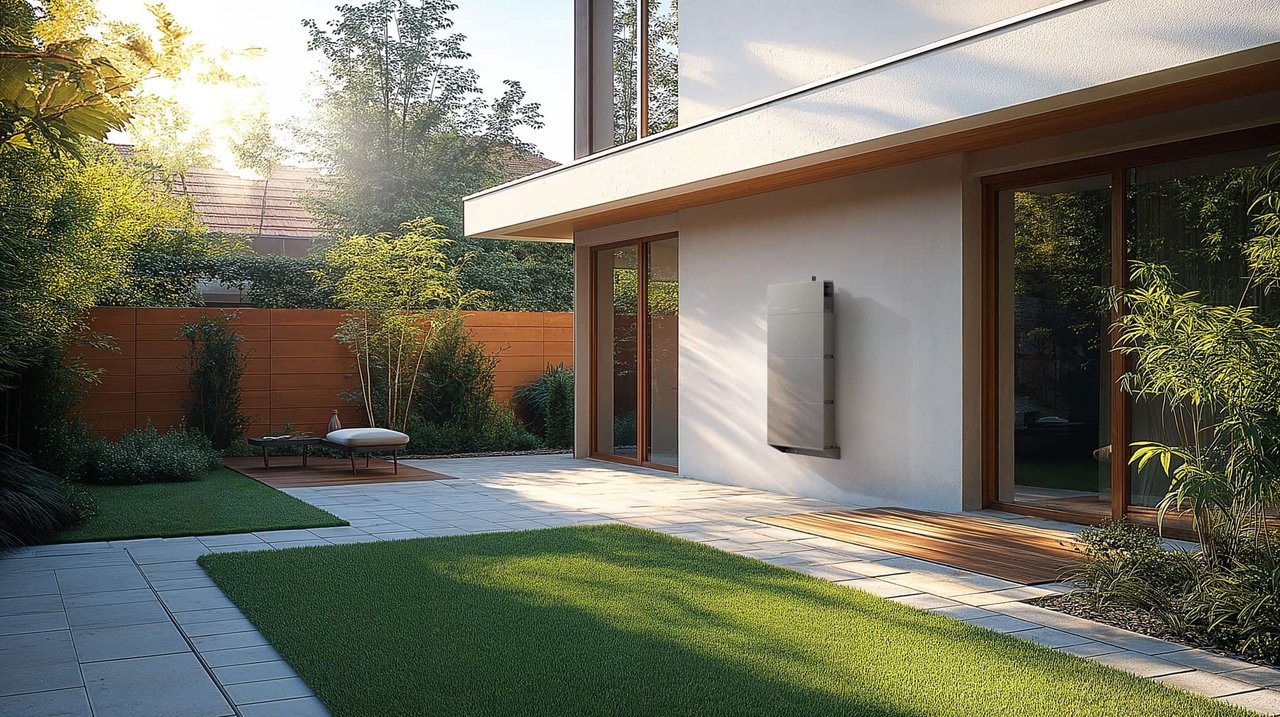
Are you unsure how a battery setup affects your overall solar savings? Speak with an expert today to get a solar battery quote tailored perfectly to your household's unique needs.
Schedule Your Free Consultation Today!
What kind of product or solution are you interested in?
Securing reliable backup power during grid outages
A home battery does more than just save money. It also protects your home. Australia has some very extreme weather. From baking summer heatwaves to wild winter storms, the power grid can sometimes fail. Grid instability is a common frustration for many families.
Many new solar buyers do not know a vital fact. If you only have grid-tied solar panels without a battery, your system will automatically shut down during a blackout. This is a safety rule to protect the workers fixing the power lines. Your panels will not power your home if the street has no power.
However, if you pair your setup with a home battery, you change the game completely. The battery physically disconnects your house from the broken grid. It then feeds your stored solar power directly into your home. This ensures your essential appliances, like the kitchen fridge, the internet Wi-Fi router, and the living room lights, stay on even when the rest of the neighborhood goes totally dark.
Beating peak electricity rates with Time-of-Use (ToU) shifting
Let's look at the daily financial benefits. The government discount lowers your entry cost to buy the system. But the battery lowers your daily running costs for years to come.
In 2026, most Australian energy companies use Time-of-Use (ToU) tariffs. This means they charge you different prices at different times of the day. They charge a massive premium rate during the evening peak. This peak is usually from 5 PM to 8 PM. Sadly, this is the exact time your panels stop generating power.
A home battery solves this expensive problem. It stores up your free daytime energy. Then, it discharges that free power directly into your home during those expensive evening hours. This strategy is called "load shifting." It completely shields your household from those nasty peak grid prices. Because you avoid the most expensive power every single day, your overall investment pays for itself much faster.
Smart monitoring for long-term savings
Storing your energy safely is only half of the battle. Managing that energy intelligently is how you maximize your financial returns. You do not want to run outside to turn your battery on and off manually.
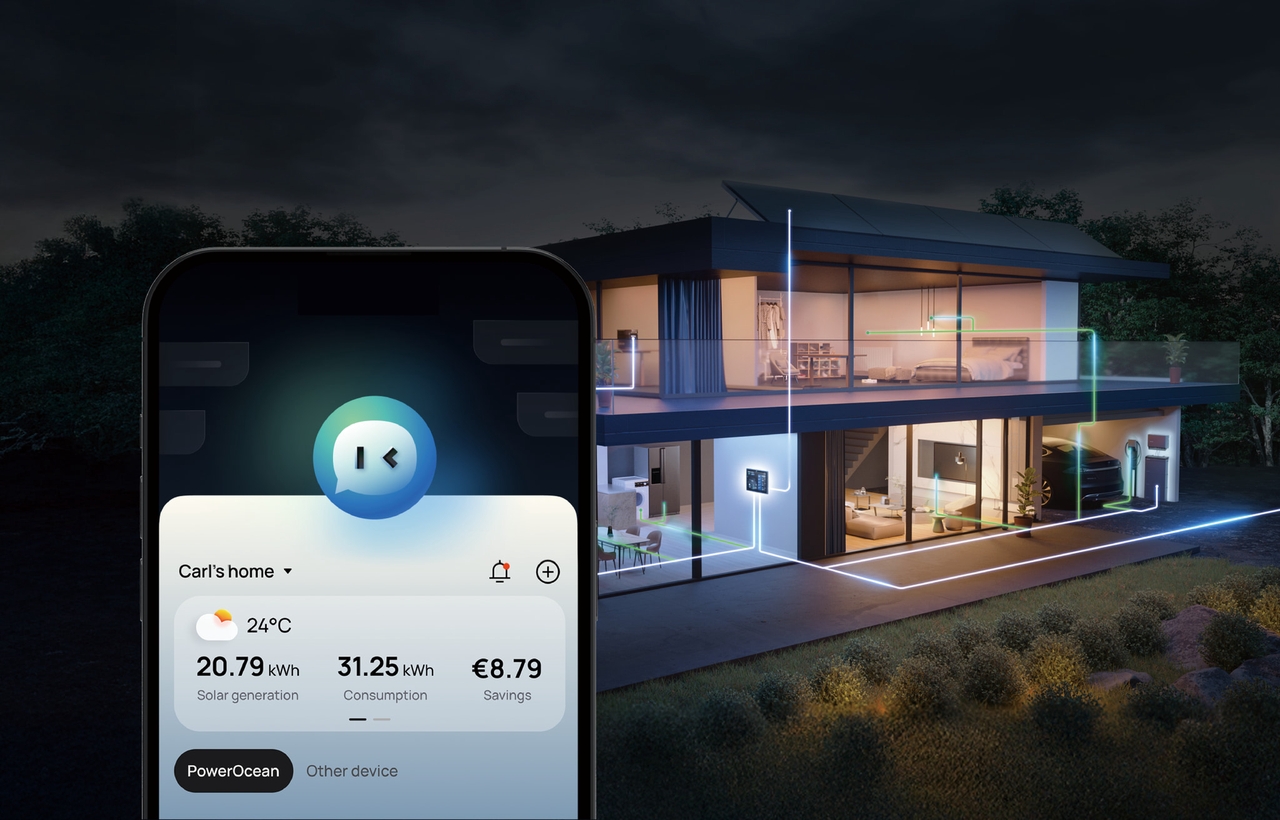
This is where smart software steps in. Utilizing a smartphone application, like the EcoFlow HEMS (Home Energy Management System), acts as the clever brain of your entire setup.
This smart software tracks the local weather forecast. If it knows tomorrow will be cloudy, it will adjust how it uses power today. It learns your family's daily usage habits. It automates the charging and discharging cycles perfectly. You do not have to lift a finger. It works quietly in the background to make sure not a single drop of your solar power is wasted.
Conclusion
Taking control of your energy bills starts with knowing the facts. Understanding the true STC meaning and learning how to claim your small scale technology certificates is the absolute best way to reduce the upfront cost of going green in Australia.
Because the government multiplier drops every single year, waiting will cost you money. It is smart to act quickly before the deeming period drops next January again. By understanding your STC solar rebate and pairing your newly discounted panels with a smart, safe home battery system, you can future-proof your home against rising electricity prices for decades to come.
FAQs
1. How much is the STC rebate in Australia?
The total discount depends on your exact location, your system size, and the current market STC price. For a typical 6.6kW system located in Zone 3, Australian homeowners can usually expect an upfront point-of-sale discount of around $2,000 to $2,500 in 2026.
2. How do I claim my STCs?
You do not need to do the paperwork or claim them yourself. Your Clean Energy Council (CEC) accredited installer will calculate the exact value of your digital certificates. They will then apply that value as a direct upfront discount on your final installation invoice.
3. Will the STC solar rebate end?
Yes, the federal scheme is slowly phasing out over time. The multiplier used to calculate the number of certificates drops by one year every January 1st. The entire STC rebate program will completely end and disappear on December 31, 2030.
4. What is the difference between STC and LGC?
STCs (Small-scale Technology Certificates) are meant for residential homes or small commercial systems under 100kW. LGCs (Large-scale Generation Certificates) are designed for massive commercial solar farms and giant power stations that generate over 100kW of power.
5. How many STCs for 6.6 kW?
The exact number of certificates depends entirely on your STC zone. For example, a 6.6kW system installed in Zone 3 (like Sydney or Brisbane) during the year 2026 will generally generate around 68 to 70 certificates, depending on the exact date of your professional installation.