Carbon Footprint Reduction: Top Strategies for Aussie Homes in 2026
Aussie households are facing two big challenges in 2026. The public awareness of climate change is growing faster than ever before. At the exact same time, the cost of living and utility bills keep going up across the country. Because of these two factors, many homeowners want to learn about carbon footprint reduction.
This complete guide will break down exactly what a carbon footprint is in simple terms. We will explain why it matters so much for the unique Australian environment. Most importantly, we will share highly practical strategies to lower your household emissions. These simple, everyday steps will help you protect the planet. At the same time, they will help you save a lot of money on your monthly energy bills. If you want to start making a real difference today, building a smart home battery setup is a fantastic place to begin.
What exactly is a carbon footprint?
Before you can fix a problem, you need to fully understand it. In simple terms, a carbon footprint is the total amount of greenhouse gases created by our daily actions. These gases mainly include carbon dioxide and methane. When they are released into the air, they trap heat inside the Earth's atmosphere. This trapped heat leads to global warming.
Every time you drive a standard petrol car, your exhaust pipe releases carbon dioxide. When you cool your home using standard grid electricity, you are usually relying on dirty coal or natural gas power plants. Even the food you throw away creates methane gas as it rots inside a landfill. All of these daily activities add up over a year. Together, they form your personal carbon footprint.
In Australia, we still rely heavily on fossil fuels to run our main power grid. Because of this, the average Aussie home has a much higher carbon footprint than homes in many other developed countries. However, you have the power to change this. By making small, smart changes at home, you can actively reduce carbon footprint levels for your entire family.
Why is reducing carbon footprint vital in AU?
Australia faces some of the most extreme weather conditions on the planet. We regularly experience harsh summer heatwaves, severe droughts, and terrible bushfires. These climate extremes are directly linked to rising global temperatures. If we want to protect our unique environment and wildlife, reducing carbon footprint is absolutely vital. We have to act now to prevent these weather events from getting worse.
However, the benefits of acting are not just for the environment. There is also an urgent economic reason to change your habits. In 2026, grid electricity prices are climbing higher and higher across all states. Traditional power sources are simply becoming too expensive to maintain. This means that lowering your household emissions directly correlates to saving money.
When you use less grid power, you instantly shrink your carbon footprint. At the exact same time, you drastically lower your living expenses. Achieving true energy independence should be the ultimate goal for every homeowner. It protects your personal wallet from sudden energy price hikes. It also helps the whole country move toward a cleaner, greener future.
How to reduce carbon footprint at home
Your house is one of the biggest contributors to your personal emissions. Luckily, it is also the easiest place to start making positive changes. If you are wondering how to reduce carbon footprint effectively, you should focus on your residential energy consumption first.
Switch to solar and Home Battery Storage
Moving away from fossil-fuel grid power is the most significant step you can take. Installing solar panels on your roof is a fantastic start. However, solar panels only generate power when the sun is actually shining. If you are at work during the day, you might miss out on using that clean energy.
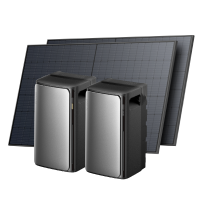
This is exactly why battery storage is so important. Capturing and holding this clean energy for the evening maximizes your green impact. You can run your television, refrigerator, and lights at night using 100% renewable daytime solar power. This simple shift stops you from relying on the dirty grid during peak evening hours.

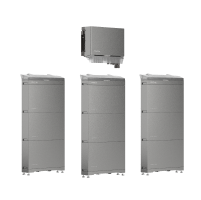
For example, adding a modern system such as the EcoFlow PowerOcean Single-Phase Battery allows you to power your nights cleanly. It is a highly efficient and safe setup. The capacity of a single battery is 5kWh, which is perfect for covering your basic evening routine. Because the system is completely modular, you can easily stack more units later if your family grows. This smart setup naturally lowers your emissions while keeping your lights on during blackouts.
If you are unsure which home energy storage system is best suited for your family, please contact EcoFlow professional energy consultants to request a customized, friendly consultation today.
Schedule Your Free Consultation Today!
What kind of product or solution are you interested in?
How to minimize carbon footprint with smart tech
Technology can do a lot of the hard work for you. If you want to know how to minimize carbon footprint without changing your whole lifestyle, focus on reducing your energy waste. Many appliances draw power from the wall even when they are turned off. This is called "phantom power," and it wastes a massive amount of electricity every year.
Monitoring what appliances draw the most power is very important. You simply cannot fix what you do not measure. By utilizing a digital tool like EcoFlow Intelligent HEMS, you can automatically optimize your daily energy usage. If a storm is coming, the smart tech can automatically charge your battery from the grid before the power goes out. This means you stay safe, connected, and green, without lifting a finger.

Improve household insulation and appliances
Not all green strategies involve buying advanced technology. You can make huge improvements with very simple upgrades around the house. Heating and cooling systems use the most power in a standard Aussie home. If your house is drafty, your air conditioner has to work twice as hard to keep you comfortable.
To fix this issue, you should improve your home insulation. Seal the gaps around your doors and windows to block drafts. Use heavy, thick curtains to keep the harsh summer heat out and the winter warmth trapped inside. This reduces your reliance on heavy HVAC systems during extreme weather. Finding out the typical average energy bill in Australia can help you see exactly where you waste the most money compared to your neighbours.
When it is finally time to replace your old appliances, look closely at the labels. Always look for high-energy star ratings. A brand new, efficient fridge will use far less power than a dirty, ten-year-old model. These simple, non-product-related tips make a massive difference to your emissions over a full year.
Daily habits to minimise carbon footprint
Your home infrastructure is just one part of the green puzzle. Your daily lifestyle choices also matter a great deal. Small, everyday adjustments compound over time. Together, they work to significantly minimise carbon footprint for your whole family.
Shift your transportation methods
Cars are a massive source of greenhouse gases in Australia. Traditional petrol and diesel engines burn dirty fossil fuels every single time you turn the key. To make a real change, you should strongly consider shifting your transportation methods.
Electric Vehicles (EVs) are becoming very popular and affordable in Australia. If you charge an EV using your own home solar system, your daily driving becomes completely carbon-free. Setting up electric car charging at home is a great idea. It allows you to directly power your daily commute with clean sunshine.
If buying a brand-new EV is not an option right now, you can still make a difference. Start carpooling with your coworkers. Utilize the public transport networks for your city commute. For short local trips to the shops, simply walk or ride a bicycle. Also, always keep your car tyres properly inflated. Good tyre pressure improves your fuel efficiency and lowers your emissions.
Manage household waste effectively
Many people completely forget about the environmental impact of their rubbish. When your food waste goes to a local landfill, it gets buried under heavy piles of trash. Without any oxygen, the rotting food produces methane. Methane is a dangerous greenhouse gas that is much stronger than carbon dioxide.
You can stop this harmful process by managing your waste effectively. Start a simple backyard compost bin for your fruit and vegetable scraps. Composting breaks down the food naturally. It also gives you rich, healthy soil for your home garden.
Also, try to follow all local recycling rules correctly. Clean your dirty plastics and paper before putting them in the yellow bin. Finally, try eating more locally sourced, plant-based meals each week. This cuts down on the heavy emissions related to long-distance food transport and factory agriculture.
How can we reduce carbon footprint at work?
We spend a huge part of our week working. Therefore, we should absolutely expand our green habits to the workplace. Many business owners and employees wonder: how can we reduce carbon footprint in a busy office setting?
First, you should move toward paperless operations. Printing thousands of documents wastes paper, ink, and electricity. Use digital documents and secure cloud storage instead. Second, encourage digital meetings whenever possible. Flying across the country for a quick one-hour meeting creates massive, unnecessary emissions. Video calls reduce travel, save the company money, and protect the planet.
Finally, you must manage the office power supply carefully. At the end of the day, do not just put your computers to sleep. Turn off all office equipment at the wall overnight to stop phantom power drain. Ask your building manager to switch to energy-efficient LED lights. Open the blinds to use natural lighting instead of harsh overhead bulbs. These simple business strategies help everyone do their part.
Conclusion
Taking care of our fragile environment is a shared responsibility. We have seen that absolutely anyone can take steps to improve their impact. Whether individuals or businesses are looking to reduce their carbon footprint, the path forward is very clear. It requires a smart mix of technology investments and mindful daily habits.
Upgrading your home with solar panels and battery storage stops your reliance on dirty fossil fuels. Adding smart management apps ensures you never waste precious power. At the same time, choosing to walk to the local shops or compost your food scraps makes a daily difference. Carbon footprint reduction is a long journey, but every single small step counts.
FAQs
What is carbon footprint in simple words?
In simple words, it is the total amount of greenhouse gases you produce. These gases come from your daily activities. Driving a car, using grid electricity, and throwing away food all add to your personal footprint over the course of a year.
What is the biggest cause of carbon footprint?
For most Australian homes, the biggest cause is electricity usage. Because our national grid still relies heavily on burning coal and natural gas, using power for heating, cooling, and daily appliances creates a massive amount of carbon dioxide emissions.
Can individuals really reduce carbon footprint?
Yes, you can make a huge impact. Installing solar panels and using smart storage, such as the EcoFlow home battery, lowers your emissions fast. If many homes make these simple changes, it creates a massive positive effect globally.
What is the fastest way to reduce carbon footprint at home?
The fastest way is to switch your energy source. Adding solar and a reliable storage system, like the EcoFlow storage battery, cuts your grid emissions instantly. After that, just adjusting your thermostat to a few degrees saves a lot of wasted energy.
What uses the most electricity in an average Australian house?
Heating and cooling systems use the most electricity in a typical Aussie home. Air conditioners and electric heaters work very hard during our extreme summers and winters. Water heaters and old, inefficient refrigerators are also major sources of high electricity consumption.