Is Solar Energy Renewable: Everything You Need to Know Explained
Many households in Australia are facing rising electricity costs. Managing monthly power bills has become increasingly difficult. People are looking for cheaper and cleaner energy options. Many homeowners often ask a simple question, like how solar energy works, or whether solar energy is renewable energy. Families may feel uncertain about investing in solar power without a clear explanation.
Solar power plays a central role in the global shift toward clean energy. It has become one of the fastest-growing renewable energy sources worldwide. Read the article till the end to know everything about renewable energy.
What Makes Energy Renewable?
Renewable energy is energy from natural sources that do not run out over time. Examples include sunlight and water. These sources are readily available and can be used repeatedly. Some of the important features of such energy are:
Sustainability: The energy can be utilized at all times since natural sources can be restored.
Minimal Impact on the Environment: It generates very minimal pollution, and its impact on the environment is considerably lower than that of fossil fuels.
Less Greenhouse Gas Emission: These types of energy systems release no harmful gases. It also helps reduce the effects of climate change.
Non-Stop Availability: The supply of energy resources is natural, and it does not decrease with time.
Getting Solar Energy: How the Sunlight is Transformed into Useful Energy
Solar power operates by transforming sunlight into electricity that is applicable in homes and businesses. Renewable solar energy works in the following way:
Step 1. The PV cells absorb sunlight and transform it into direct current electricity in solar panels.
Step 2. The DC electricity is converted to alternating current, the usual type of electricity, using the inverter.
Step 3. The converted electricity is used to run household appliances.
Step 4. Any extra electricity can be stored in solar batteries for later use during nighttime.
Step 5. Unused solar energy can be sent back if connected to the grid. The electricity sent back can be drawn when needed.
Is Solar Energy Really Renewable? The Scientific Answer
For Aussie people who wonder if solar renewable energy is? The scientific answer is that solar energy comes from the Sun. It produces a continuous and enormous supply of energy. Solar power is considered inherently renewable because the sunlight is naturally replenished every day.
Clearing Misconceptions About Renewable Solar Energy
Solar energy is not limited by panel manufacturing. This is because the Sun is continuously available and naturally replenished.
Solar panels are often thought to harm the environment. However, they have produced clean electricity for decades with zero emissions during operation.
Many people believe solar panels do not work in cloudy weather. They generate electricity at a reduced efficiency these days.
Batteries are sometimes seen as unsustainable. Modern systems are designed for long lifespans and can be recycled or reused.
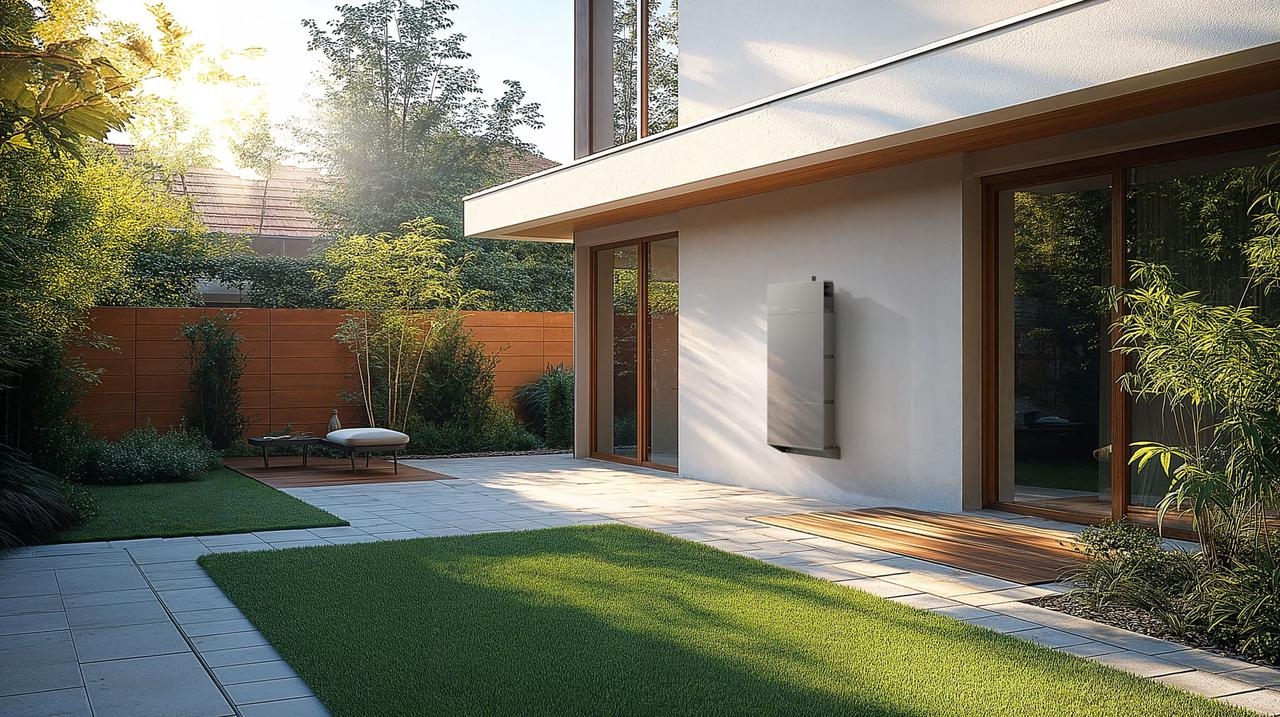
It is commonly assumed that solar cannot replace traditional power sources. Smart systems like the EcoFlow PowerOcean Single-phase Battery help optimize storage and usage. You can start with a single 5kWh battery and easily expand up to 15kWh in one inverter as your home needs more power.
Why Solar Energy Is the Future: Economic and Environmental Benefits
Solar energy is emerging as one of the major solutions to economic savings as well as environmental safety. Some of the reasons why renewable sun energy is the future are as follows:
Lower Electricity Bills: Solar power saves on electricity bills since you will produce your own electricity.
Energy Independence: Solar systems allow households to be less dependent on utility companies.
Reduced Carbon Footprints: Solar energy is clean energy that does not emit harmful emissions and helps in climate change on a global scale.
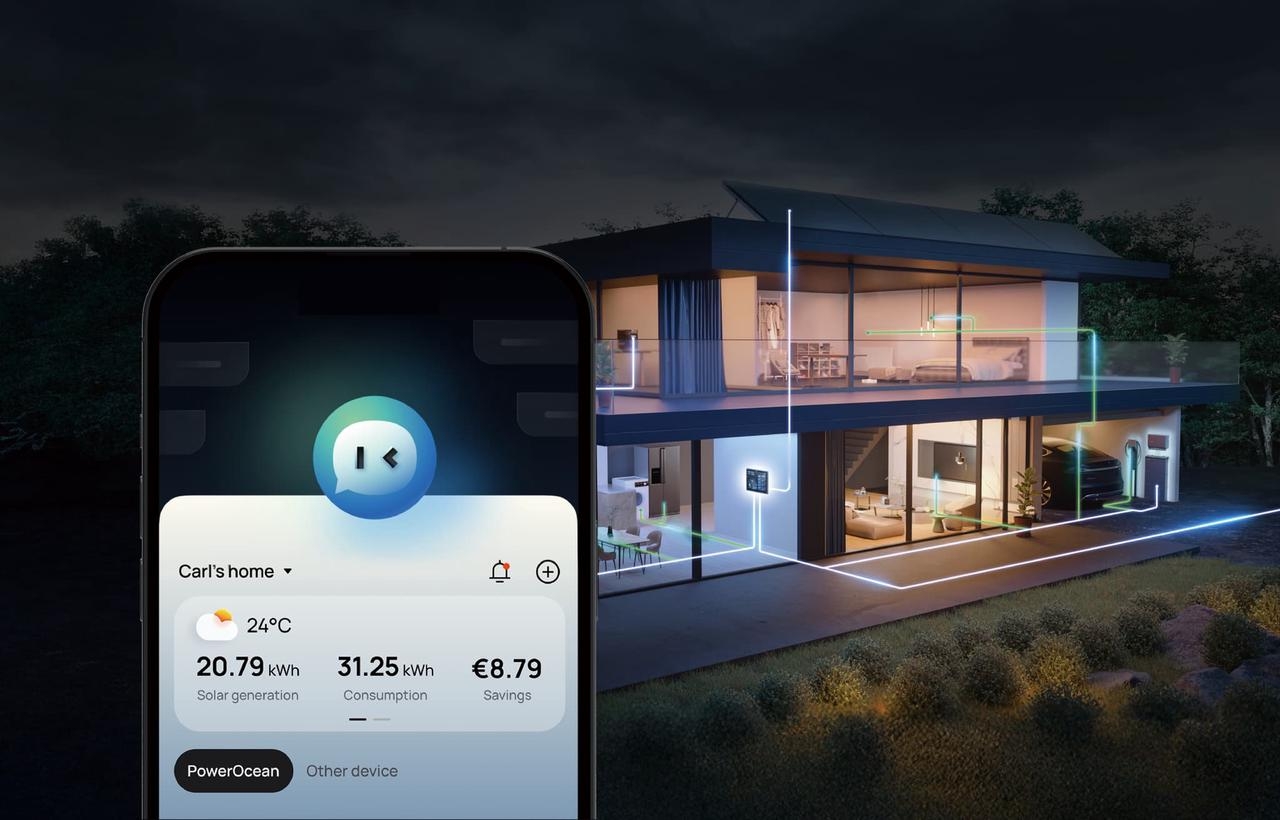
Economic Empowerment Through Smart Systems: By combining advanced solutions like EcoFlow home battery with the HEMS (Home Energy Management System), households can store and manage renewable solar energy more efficiently. These smart technologies work together to maximize your energy savings while also reducing environmental impact.
Ready to take control of your solar energy? Contact the EcoFlow expert today to get a solar battery quote for your home system.
Schedule Your Free Consultation Today!
What kind of product or solution are you interested in?
Solar Energy vs Nonrenewable Sources: The Clear Divide
To better understand the shift toward cleaner energy, it is helpful to compare renewable sun energy directly with traditional fossil fuels:
Solar Power | Coal | Oil | Natural Gas | |
Energy Source | Sunlight | Fossil fuel | Fossil fuel | Fossil fuel |
Availability | Unlimited | Finite | Finite | Finite |
Cost Over Time | Low operating cost after installation | Increasing due to extraction costs | Fluctuates with global oil prices | Moderate but affected by market prices |
Impact Over Environment | Clean and sustainable | Heavy air and water pollution | Oil spills and pollution risks | Methane leakage and greenhouse impact |
Energy Independence | High | Low | Low | Low |
Solar Adoption Reduces Dependence on Finite Fossil Fuels
When more homes switch to solar power, the demand for fossil fuels like coal, oil, and natural gas naturally decreases. This happens because households begin producing their own electricity. They do not rely on power plants that burn nonrenewable resources. The overall pressure on national electricity grids is reduced as residential solar systems become more common in Australia.
Conclusion
In conclusion, by knowing whether solar energy is a renewable energy or not, people can easily make informed choices. Solar energy is easily understood when you understand how it works, and when the entire system is less confusing and more practical to embrace. Solar solutions are also increasing in value with the increasing cost of electricity and frequent power cuts. Modern systems like the EcoFlow home battery help families store energy efficiently.
FAQs
What did Elon Musk say about solar energy?
He has repeatedly said that renewable solar energy has the potential to power the entire world. He also supports combining solar power with battery storage (such as the EcoFlow home battery) for a fully sustainable energy system.
Is Microsoft using 100% renewable energy?
The company is working toward becoming 100% carbon-negative and aims to run entirely on renewable energy. It already matches a large portion of its electricity use with renewable energy purchases.
What happens after 25 years of solar power systems?
Solar panels do not cease operations after approximately 25 years, but slowly produce less energy. The majority of the panels remain at low efficiency and can still produce power.
Will solar energy ever run out?
The energy of the sun will never run out as long as the Sun exists. This renders it as one of the most dependable and long-term sources of energy.
What is the cleanest energy?
Renewable solar energy is one of the cleanest energy sources because it produces electricity without direct emissions. Other clean sources include wind and hydro power.