Cost of Electricity in Australia 2026: Per kWh Rates & Saving Guide
Electricity prices in Australia have been on the rise throughout 2026. Understanding your cost of electricity per kWh rate is the initial move towards managing your energy expenses. Advanced home technologies, such as batteries and smart energy management systems, are helping Australians navigate the elevated electricity costs. This article will cover the current rates, factors affecting them, and how you can save on your electricity bills with home battery storage.
What is the average cost of electricity per kWh?
he projected average electricity cost per kWh in the US for 2026 falls somewhere between 32 and 35 cents per kilowatt-hour. The specific price you'll pay hinges on your location and your chosen energy provider. Local market conditions dictate these fluctuations.
Average cost of electricity per kilowatt hour by state provider (2026)
State | Provider | Avg. Usage Rate (c/kWh) |
NSW | AGL | 31.6c – 36.5c |
Origin Energy | 33.3c – 37.8c | |
EnergyAustralia | 35.8c – 40.2c | |
VIC | AGL | 26.5c – 31.2c |
Origin Energy | 27.5c – 32.5c | |
EnergyAustralia | 28.2c – 33.4c | |
QLD | Alinta Energy | 28.4c – 33.0c |
Origin Energy | 29.0c – 33.5c | |
AGL | 28.5c – 32.8c | |
SA | SA Power Networks* | 43.4c – 43.9c |
GloBird Energy | 36.5c – 41.0c | |
WA | Synergy (Regulated) | 32.37c |
What determines the cost of electricity in Australia?
Your electricity bill isn't just about the energy you use. Several behind-the-scenes factors influence the electricity cost in Australia:
Wholesale energy prices
Wholesale energy prices represent the cost of making electricity, which is about 30–40% of the bill. Prices fluctuate based on the cost of fuel (coal and gas) and the availability of renewables. Unexpected failures at ageing coal plants frequently cause severe price spikes.
Network charges
The largest component (approx. 40–50%) of a typical household bill is the cost of operating, maintaining, and upgrading poles, wires, and pipelines. These regulated monopoly costs are passed on to consumers, reflecting investments in connecting new renewable projects.
Retailer margins
This includes your energy provider's operating costs, such as billing, customer service, and their profit. Since this makes up about 14% of your bill, this is the area where comparing and switching providers can save you the most money.
Environmental policy
These are costs related to government schemes aimed at reducing emissions, like the Renewable Energy Target (RET). While they add a small percentage to your bill, they fund the transition to cheaper renewable sources in the long run.
How to find the best electricity rates in Australia
Finding a better deal is the fastest way to lower your power cost per kWh. Use these steps to navigate the 2026 market and ensure you aren't overpaying for your home's energy.
Compare retailers: Don't settle for the first offer you see. Since the cost of power in Australia varies by provider, shopping around can save you hundreds. Compare plans in your area to see which provider offers the best deal for your household usage and lifestyle.
Check reference price (Default offers): Use the Reference Price (DMO or VDO) as your benchmark. It is a government-regulated "safety net" price. If a retailer's offer is "10% below the reference price," it's generally a good deal; if it’s above, you’re likely overpaying.
Understand usage patterns: By understanding your consumption patterns, you might be able to save money on your electricity bill. This includes your peak and off-peak usage, which will help you consume more during the latter, thus saving you money.
Use government comparison tools: Avoid private sites that may take commissions. Use Energy Made Easy (NSW, QLD, SA, ACT, TAS) or Victorian Energy Compare (VIC). Just upload a PDF of your bill, and you will get an unbiased list of the cheapest plans available in the area.
How to save more: Reducing the impact of high power costs
Lowering your power cost per kilowatt hour isn't just about finding a better deal. It’s about changing how and when you use power. By becoming more energy-independent, you can shield your home from the volatile Australian energy market.
Energy efficiency: Start with small changes that have a high impact. Upgrading to LED lighting and improving your home’s insulation can reduce your heating and cooling needs, which typically account for 40% of an average bill.
Load shifting: In 2026, many states offer a "Solar Sharer" window with ultra-low or even free electricity during the day. Shifting heavy loads, such as laundry and dishwashing, to these "solar hours" (10 AM – 3 PM) will save money on expensive peak rates and lower the cost of kWh electricity.
Use a solar system with home battery: To truly escape a high electricity cost per kWh, you need to store your own energy. A premium storage solution like the EcoFlow PowerOcean Single-Phase battery is designed for this. It captures free solar energy or cheap off-peak power. You can then use it during expensive peak periods. It allows modular expansion from 5kWh to 15kWh in one inverter, and it offers 6kW of high-output power.

To truly minimize the average cost of electricity, you need a system that thinks for you. EcoFlow HEMS acts as your home's energy brain. It uses AI to automate your power usage in real-time. The system prioritizes the cheapest available source to lower your electric cost. By integrating with dynamic tariffs, it strategically manages battery charging and discharging. You gain full control over storage, EV charging, and smart appliances through one app. This ensures maximum savings while reducing your reliance on the expensive national grid.
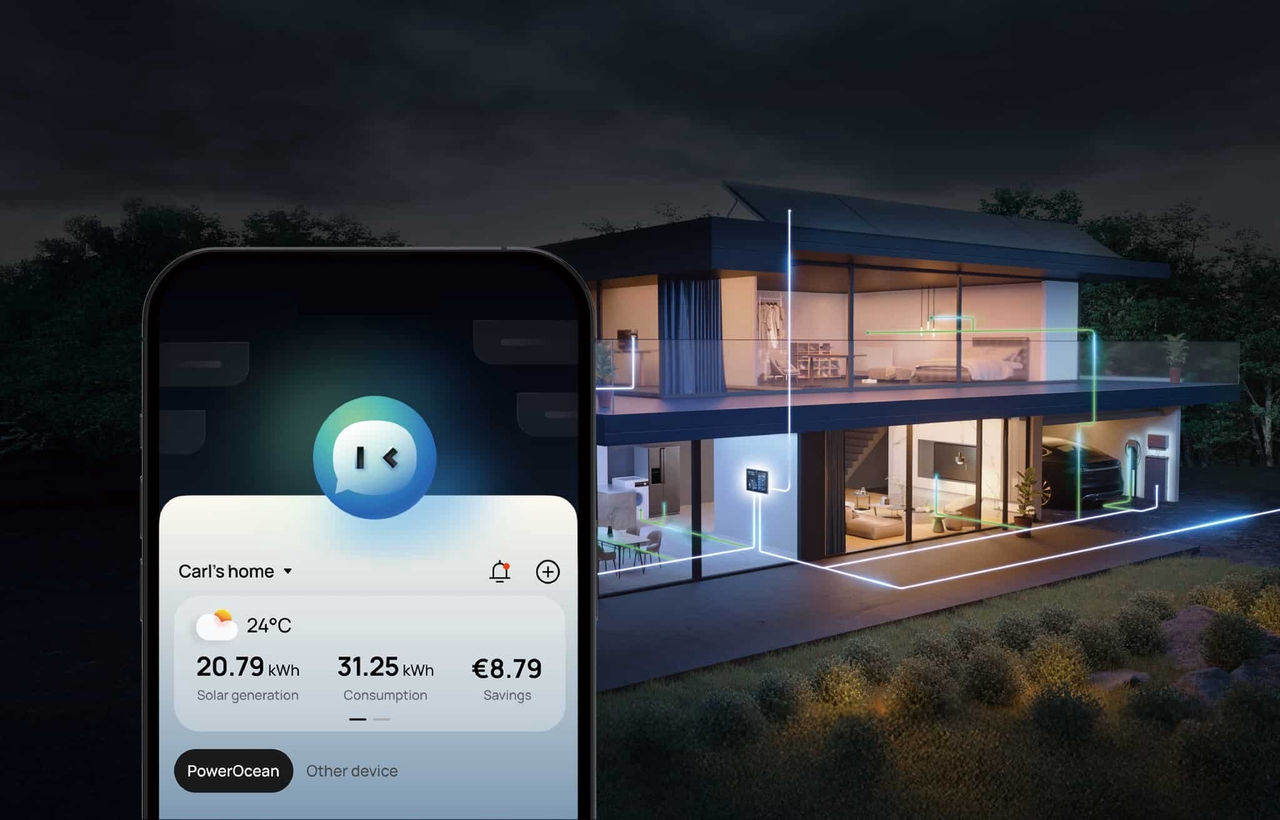
Take control of your electricity costs—Calculate your potential savings with an EcoFlow PowerOcean system today. Book a free consultation with energy experts to design your custom setup.
Schedule Your Free Consultation Today!
What kind of product or solution are you interested in?

Conclusion
The 2026 energy outlook shows that while the grid is getting greener, prices remain a challenge. The high cost of electricity in Australia is something that continues to be a concern for many people in the country. By knowing your rates and comparing plans, you're protecting your home from future rate hikes. Investing in smart storage, like EcoFlow Power Ocean, is a smart way to save money. These steps enable you to stay ahead of the rising cost of power while achieving true energy independence.
FAQs
1. Why is electricity so expensive in Australia?
High prices are caused by the use of old, unreliable coal stations and expensive gas. Key factors include expensive network transmissions and global supply issues. The shift toward renewable energy also requires massive infrastructure upgrades. The shift to renewable energy requires new infrastructure, which increases short-term costs. All these factors keep electricity prices elevated across Australia.
2. How often do electricity prices change?
Most rates are updated annually on July 1st. This is when the Australian Energy Regulator sets new reference prices for the market. Some retailers may stagger their changes between July and September. However, they can change prices at other times as well. Retailers must give at least five days’ notice before making any changes. This means your electricity cost per kWh can vary during the year.
3. What is the electricity reference price?
This is a government-set benchmark used to simplify plan comparisons. It represents the maximum price a retailer can charge a customer on a standard plan. It acts as a safety net for those who do not switch providers often. When searching for a low electric cost kWh, look for plans with a high percentage discount. This discount is calculated against the reference price. It is the easiest way to see if a new offer actually saves you money.
4. Why does electricity cost vary between states?
Costs vary because each state uses a different mix of coal, gas, and renewables. Some regions have higher network infrastructure costs for "poles and wires" due to their size. Local regulations and different state policies also play a major role in pricing. Additionally, consumer demand patterns change depending on the climate in each area. These factors combine to make the average cost of electricity higher in some regions than in others. A great way to save money is by using solar panels with a battery, such as the EcoFlow home battery, to power your house.
5. Can I lower my electric cost per kWh by switching providers?
Yes. Switching is a reliable way to save, especially if you have been on the same contract for over a year. You might be stuck on high default rates. Moving to a new provider or a better plan can often reduce your electricity cost per kWh and save money.