Wholesale Electricity Price in Australia: How the Market Works and What Drives Costs
The price of electricity is not the same from the plant to your doorstep. There is a wholesale market where the electricity is sold to retailers. And then the rate from that market is what you actually see on your bill.
According to AEMO's Quarterly Energy Dynamics report, wholesale electricity prices across the NEM averaged $87/MWh in Q3 2025, down 27% from the same quarter the previous year. This is a clear example of just how much these prices can move in a short period of time.
In Australia, most trading happens in the National Electricity Market (NEM). This market serves Queensland, New South Wales, Victoria, South Australia, and Tasmania. To see why your energy costs change, first understand how wholesale electricity market prices work.
What Is the Wholesale Electricity Price?
The wholesale electricity price is the price retailers pay to get electricity from generators. Most of these deals happen in the National Electricity Market (NEM), which spans eastern and southern Australia. These prices aren't static. They shift constantly based on supply and demand, fuel costs, and the condition of the grid at any given moment.
As a consumer, you don't buy directly from the wholesale market. The retailers buy it from there and then charge you a price that is a combination of that and other costs. As such, when the wholesale energy prices increase or decrease, you will eventually be affected through your retailer's bill to you.
Wholesale Electricity vs Retail Electricity Price
To grasp the difference between wholesale and retail electricity prices, we should look at why your bill looks the way it does.
The wholesale price only represents a segment of what the retailer includes in the bill. When the electricity arrives at your home, the bill you pay at the counter includes:
Wholesale energy costs – what retailers paid to purchase electricity from generators
Network transmission charges – the cost of transporting electricity through poles and wires to your home
Environmental scheme costs – charges related to government renewable energy and emissions reduction programs
Retailer margins – the retailer's operating costs and profit
When wholesale electricity prices rise, retailers often change their plans. They do this to cover the higher costs of buying electricity. Over time, this can contribute to higher electricity bills for households across Australia. Investing in solar and home battery storage is one way households can reduce this exposure.
Where Wholesale Electricity Is Traded in Australia
Most wholesale electricity prices in Australia are based on the National Electricity Market (NEM). The NEM is managed by the Australian Energy Market Operator (AEMO). It consists of five regions:
Victoria
New South Wales
Queensland
South Australia
Tasmania
These regions share one grid. This allows electricity to move from state to state. It flows based on which state has the most supply or the highest demand at any time.
It is worth noting that not all of Australia uses the NEM. Western Australia has its own electricity market. The Northern Territory has one too. Both markets work separately from the NEM.
How Wholesale Electricity Prices Are Determined
The wholesale electricity prices are not dictated by the clock. Instead, there is a real-time bidding process managed by the Australian Energy Market Operator (AEMO).
The generators make bids stating how much power they are able to generate and at what price. The AEMO sorts the bids from the cheapest to the most expensive and then selects the cheapest source of power until the required demand is met.
The price of the last and most expensive generator selected to meet demand sets the final wholesale power price for that period. This process runs continuously, which is why wholesale electricity market prices can shift significantly throughout the day.
The Dispatch and Bidding Process
The dispatch process is how AEMO decides which generators supply electricity at any given moment.
Every generator submits a price offer. This states how much electricity they are willing to supply and at what cost. AEMO ranks the generators on their merit order, from the cheapest to the most expensive generation, to satisfy the entire electricity demand.
Solar and wind power typically have lower operating costs, placing them on the lower end of the scale. In contrast, coal and gas generators usually rank higher. As demand rises during the day, more costly generators begin to operate. This leads to a spike in wholesale electricity rates.
This merit order system is central to how electricity wholesale prices are formed in Australia's energy market.
Five-Minute Settlement and Spot Pricing
Australia's wholesale electricity market has its prices settled at intervals of five minutes. Spot market prices change every five minutes. This shows the latest balance of supply and demand in the grid.
The five-minute prices are then averaged and added up in order to determine the ultimate price for the 30-minute interval.
Think about what happens when a major generator fails out of nowhere. Or imagine a scorching heatwave when everyone cranks the AC at the same time. In these moments, spot prices can absolutely go through the roof. It only takes a few minutes for the cost to skyrocket.
Conversely, a surge in solar generation on a particularly sunny afternoon can also cause prices to drop just as fast. This is the hallmark of wholesale electricity prices in Australia.
Spot Market vs Contract Market
Australia's wholesale electricity market has two primary ways in which electricity is bought and sold. The spot market and the contract market.
The spot market is all about what's happening right now. It shows the real-time wholesale power prices as they move throughout the day. Then there's the contract market. This is where retailers lock in a price ahead of time. It's a smart way for them to stay protected when prices start jumping around.
Spot Market | Contract Market | |
How it works | Electricity is traded in real time based on current supply and demand | Electricity is bought and sold through pre-agreed contracts at fixed prices |
Price type | Variable, changes every five minutes | Fixed or capped, agreed in advance |
Who uses it | Retailers, generators, large buyers | Retailers, large industrial buyers, generators |
Main benefit | Reflects true market conditions | Protects against sudden spikes in wholesale electricity prices |
Main risk | High price volatility | Less flexibility if market prices drop |
In practice, most retailers use a combination of both markets. Balancing short-term spot purchases with longer-term contracts to stabilise the cost.
Key Factors That Influence Wholesale Electricity Prices
The wholesale electricity price changes due to several economic and operational factors. Knowing what drives wholesale prices helps explain why electricity costs can vary.
Electricity Supply and Demand: When the demand for electricity is more than the supply, the price of electricity goes down. In times of peak demand, like hot summer days or cold winter days, the wholesale price of electricity goes up fast.
Renewable Energy Generation: More sun and wind mean cheaper power. When renewable energy generation is high, the price drops. It's pretty simple—we just use less of the expensive stuff.
Fuel Costs for Coal and Gas: The cost of coal and gas matters. When global fuel prices rise, generators charge more. This makes the wholesale price of electricity go up for everyone.
Plant Outages or Repairs: Sometimes big power plants break down or need a service. When they stop, the supply drops. The grid then has to use more expensive backup power. This is why a home battery built with reliable safety innovation is becoming such a popular choice for Aussies who want to stay ahead of the game.
Grid Traffic Jams: Think of the grid like a busy highway. If there's a "traffic jam" on the lines, cheap power can't reach you. This leads to higher prices in some spots, even if there's plenty of power elsewhere.
Government Rules and Targets: New laws and green goals play a big part too. Policies around carbon and energy change how much it costs to make power. Eventually, those costs show up in the wholesale price.
Strategies to Manage High Wholesale Electricity Prices
Here are some simple steps that homes and businesses can use to handle high wholesale electricity prices.
Shifting Energy Usage to off-peak Time: Use large machines like washing machines and dishwashers at night. This saves energy when demand is low. This helps you avoid the highest energy costs.
Use Energy-Efficient Appliances: Devices with high ratings use less power. This helps lower your overall energy use. This protects you from price fluctuations.
Compare electricity plans: Electricity plans differ from one retailer to another. It is recommended to compare the plans and change them to avoid overpaying.
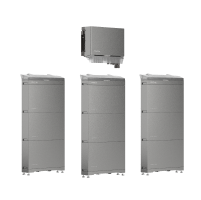
Invest in Rooftop Solar and Battery Storage: Making your own power means you aren't stuck relying on the grid. If you add a setup like the EcoFlow PowerOcean Single-Phase Battery, you can save up all that extra juice. You aren't just storing it, either. You can use it right when wholesale power prices are at their highest to save some serious cash. The EcoFlow App keeps it simple, too. It lets you track and manage your power usage without any fuss.

Future of Wholesale Electricity Prices in Australia
Several emerging trends are expected to shape wholesale electricity prices in Australia.
Renewable energy, such as solar and wind power, is expected to lower wholesale electricity prices in Australia. This is especially expected during high-generation periods. At the same time, increasing deployment of large-scale and residential battery storage will help smooth out supply gaps. This will reduce the price spikes that currently affect the market.
Electricity market rules are also evolving. Reforms driven by AEMO's ongoing market modernisation programs aim to improve how the grid responds to a changing energy mix. Upgrading the grid will help. Connecting regions will also lower transmission limits. This should contribute to lower localised price volatility over time.
Together, these developments point toward a more stable and competitive wholesale electricity market in Australia. Households looking to be part of this transition can explore EcoFlow's home energy ecosystem as a starting point. Ready to see how home battery storage can work for your place? Go ahead and request a consultation today. They will help you find the right solution for your needs.
Schedule Your Free Consultation Today!
What kind of product or solution are you interested in?
Conclusion
Wholesale electricity prices are an essential part of the Australian energy industry. These prices are constantly in motion. Supply and demand, as well as fuel costs, are some factors that affect electricity prices. And this is what we pay for in our homes and businesses.
Knowing about the wholesale electricity market will make you a smarter consumer. Investing in solar panels, batteries, and smart energy management systems helps you avoid price swings. You can save money and stay stable.
FAQs
1. What is the wholesale electricity price in Australia?
The wholesale electricity price is the rate electricity retailers pay to purchase power from generators. The purchase is primarily through the National Electricity Market (NEM).
2. Why do wholesale electricity prices fluctuate so much?
Wholesale electricity prices shift constantly due to changes in supply and demand. Fuel costs, renewable generation levels, and unexpected generator outages also play a factor. This is why solar with home battery solutions (such as EcoFlow PowerOcean) are becoming so popular. They let you store energy when prices are low, so you don't have to pay more when the market spikes.
3. How does the wholesale electricity market affect household power bills?
Retailers buy their power at wholesale electricity market prices before selling it on to you. It's pretty straightforward. When wholesale prices move, those changes eventually show up in your bill.
4. What is the National Electricity Market (NEM)?
The National Electricity Market (NEM) is Australia's major electricity trading platform operated by AEMO. They supply electricity to Queensland, NSW, Victoria, South Australia, and Tasmania.
5. Can households benefit from wholesale electricity prices?
Yes. Using a smart home battery system, like EcoFlow PowerOcean, lets you track wholesale prices in real-time. You can charge your battery when prices are low and use your own power when they get expensive. It’s a simple way to stay in control of your bills.