Solar Panel System for Home in Australia: Cost, Savings, and Is It Worth It in 2026?
If you’ve been glancing at your recent electricity bills and feeling a bit of “bill shock,” you’re certainly not alone. With Aussie power prices continuing to climb, more households from Perth to Port Macquarie are looking at the sun as a way to fight back. But is solar still a “no-brainer” in 2026?
In this guide, we’ll break down the current costs of solar across the states, explain how the rebates work now that they’re tapering off, and help you figure out if the return on investment is still worth it for your home.
What Is a Solar Panel System for Home? (Quick Overview)
Before we dive into the dollars, let’s keep it simple. A home solar system is essentially a small power plant on your roof. It uses photovoltaic (PV) panels to catch Aussie sunshine and turn it into DC electricity. An inverter then flips that into AC power so you can run your kettle, fridge, and AC. If you produce more than you use, it either goes back to the grid for a small credit or—more commonly these days—into a home battery to use after the sun goes down.
How Much Does a Solar Panel System Cost in Australia in 2026?
The “solar coaster” of pricing has somewhat stabilized, but the tech has become much more efficient. While the raw cost of panels is lower, labor and specialized components mean you’re paying for quality that lasts.
1. Average Cost by System Size (3kW, 5kW, 6.6kW, 10kW)
Most Aussie homes now aim for at least 6.6kW, as it’s the “sweet spot” for government rebates.
3kW: $3,500 – $5,000
5kW: $4,500 – $7,000
6.6kW: $5,500 – $9,000
10kW: $8,500 – $13,000+
2. Price Breakdown (Panels, Inverter, Installation, Battery)
Your quote isn’t just for the glass on the roof. Roughly 40% goes toward the panels, 20% for a high-quality inverter, and the rest covers mounting gear, electrical bits, and the CEC-accredited sparkie’s labor. If you add solar batteries, expect the price to jump significantly, though the long-term savings often justify it.
3. Cost Differences by State (NSW, VIC, QLD, SA, WA)
Prices vary based on local competition and logistics. Generally, QLD and NSW offer some of the most competitive pricing due to high installer density. VIC residents often benefit from additional state-level rebates, while WA and SA costs can be slightly higher due to specific grid connection requirements.
4. Upfront Cost vs After Government Rebates (STCs Explained)
The “Solar Rebate” is actually a system of Small-scale Technology Certificates (STCs). In 2026, the value of these certificates is lower than it was five years ago (as the scheme phases out by 2030), but it still knocks thousands off your upfront price. Most installers show you the “out-of-pocket” price with the STCs already applied.
How Much Can You Save and What Is the Payback Period?
The real magic of solar isn’t the credit you get from the grid; it’s the money you don’t spend on expensive grid power.
1. Average Annual Savings by Household Size
A typical family in a 4-bedroom home with a 6.6kW system can expect to save anywhere from $1,200 to $2,500 per year, depending on how much of their solar energy they use during the day.
2. Electricity Rates and Self-Consumption Impact
According to the Australian Energy Regulator (AER), residential electricity prices in many regions now range between 30–45 cents per kWh, depending on the state and tariff structure. Every kilowatt-hour you use at home saves you far more than exporting it back to the grid. In many Australian households, especially in Queensland, homeowners report that the biggest savings come from shifting appliance use to daytime hours rather than relying on feed-in tariffs. That’s why it often pays to run the dishwasher, washing machine, or pool pump during peak sunlight hours.
| State | Avg Electricity Price | Avg Annual Savings |
|---|---|---|
| NSW | 35–45c/kWh | $1,500–$2,500 |
| VIC | 30–40c/kWh | $1,200–$2,200 |
| QLD | 28–38c/kWh | $1,300–$2,300 |
As you can see, states with higher electricity prices—like NSW—tend to deliver faster solar payback and higher annual savings.
3. Feed-in Tariffs (FiTs) Explained
FiTs are the “cents per kWh” your energy retailer pays you for excess solar. They are currently quite low across Australia, which is why the old strategy of “exporting everything” no longer works.
4. Typical Payback Period (3–6 Years)
Despite lower FiTs, higher electricity prices mean the payback period remains remarkably short. Most high-quality systems in Australia pay for themselves in 3 to 5 years, leaving you with 20+ years of essentially free energy.
5. Example Savings & ROI Calculation
If you spend $6,000 on a system and save $1,500 a year, you’ve hit break-even in 4 years. That’s a 25% annual return on investment—way better than any savings account at the big banks.
What Affects the Cost of a Solar System?
Not all roofs are created equal, and several factors can nudge your quote up or down.
1. System Size and Energy Needs
The more power you use (especially if you have an EV or a pool), the bigger the system you’ll need. A 10kW system costs more upfront but offers a much better “cost per watt” than a 3kW system.
2. Roof Type, Angle, and Installation Complexity
A simple tin roof (Colorbond) is the cheapest to install on. If you have terracotta tiles or a multi-storey house that requires scaffolding, expect to pay a bit extra for the “degree of difficulty.”
3. Solar Inverter Type (String vs Microinverter)
Standard string inverters are cost-effective and reliable. However, if your roof gets shade from a big gum tree, you might need microinverters or optimizers. These allow each panel to work independently but add about 15–20% to the total cost.
4. Battery Storage (Optional but Increasingly Popular)
As electricity prices soar—especially in NSW and Victoria—and Feed-in Tariffs dwindle, the “mismatch” between when we generate power (daytime) and when we use it (evening) has become a real headache for the wallet. This is where home batteries have shifted from a “luxury” to a “necessity” for many.
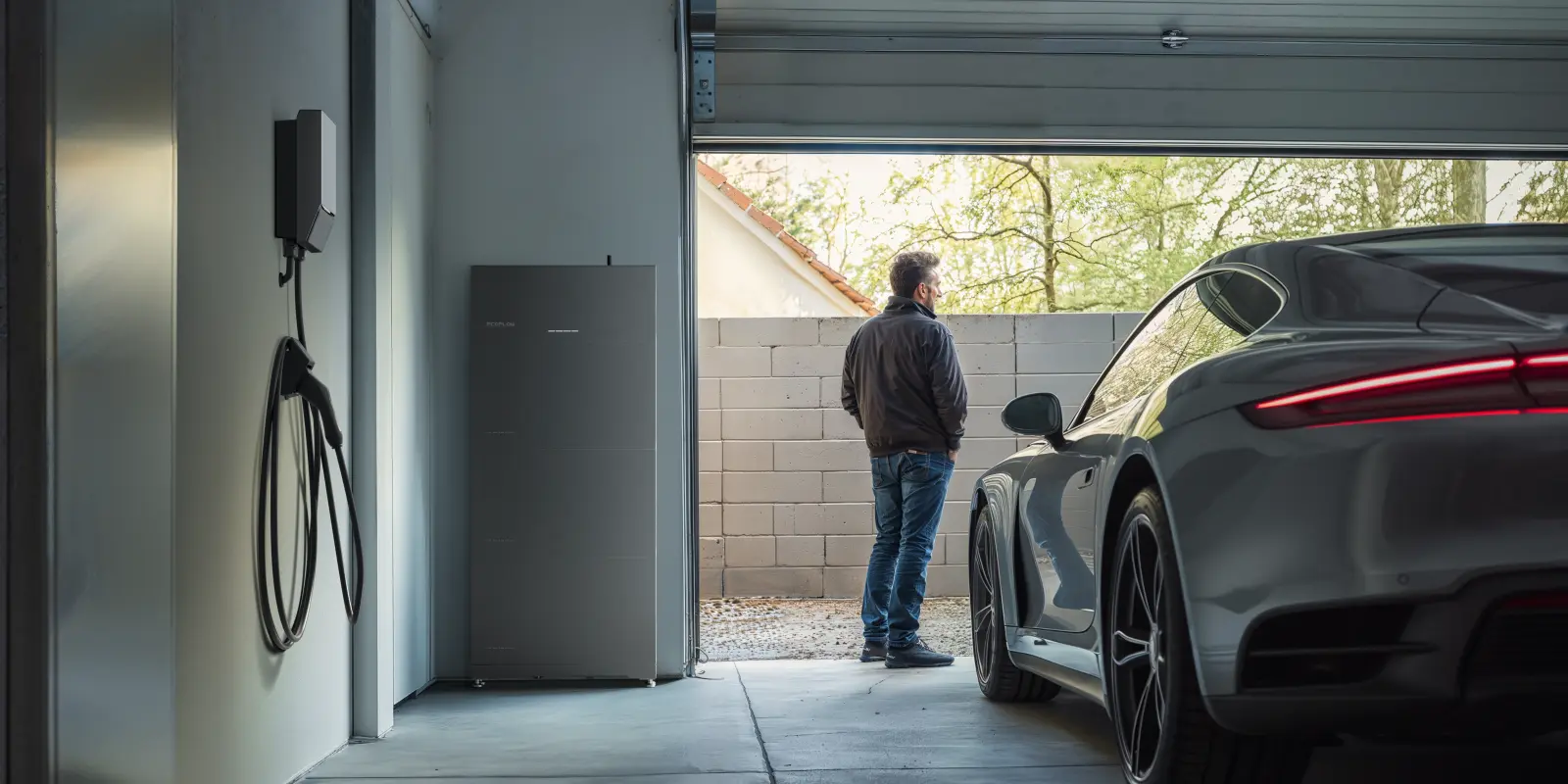
To truly maximize your ROI, you need a system that handles the Aussie heat and scales with your family. The EcoFlow PowerOcean(Single-Phase) is a standout here, offering a premium modular home battery solution, meaning you can start small with a 5kWh single pack and scale up to 45kWh as you add an EV or grow the family. Importantly for us, it uses LFP (Lithium Iron Phosphate) battery cells backed by a 15-year warranty, which is safer and handles our scorching 50°C rooftop environments much better than older chemistries. With an IP65 rating for dust and water resistance, it’s built to survive everything from a Queensland downpour to a Mallee dust storm. By storing that midday sun to power your home during the 6 PM peak, you’re effectively bypassing the most expensive power of the day.
5. Brand Quality and Warranty
Don’t get tempted by “too-good-to-be-true” deals on social media. In the Australian sun, cheap panels can de-laminate and cheap inverters can fry. Stick to “Tier 1” brands with Australian-based offices to ensure your 25-year warranty actually means something.
Is a Home Solar System Worth It in Australia?
Pros
Lower Bills: Drastic reduction in quarterly expenses.
Energy Independence: Protect yourself from future price hikes.
Sustainability: Massive reduction in your household’s carbon footprint.
Cons
Upfront Cost: It requires a significant initial investment.
Weather Dependence: Lower output on those gloomy, rainy weeks.
FiT Decline: You won’t get rich selling power back to the grid anymore.
Who Should Definitely Consider Solar
If you own your home, have a clear roof, and plan to stay there for more than 3 years, solar is a goldmine. It’s particularly effective for those working from home or families with high daytime energy use.
Who Might Not Benefit as Much
Renters (unless you can convince the landlord) or those living in heavily shaded apartments may find the logistics tricky. If you’re planning to sell and move in 12 months, you might not see the full financial “payback” before you leave.
How to Choose the Right Solar Panel System for Your Home
Choosing a system is about more than just picking the cheapest quote. You want a setup that’s smart enough to manage itself.
1. Choosing the Right System Size
Don’t just look at your current bill—think about the future. Are you getting an Electric Vehicle? Installing ducted air-con? It’s often cheaper to “oversize” your solar array now than to add more panels later.
2. Key Components to Compare (Panels, Inverter, Battery)
Look for panels with a high efficiency rating (21%+) and an inverter with a solid app. However, hardware is only half the battle. To really squeeze every cent of value out of your investment, you need to see what’s happening under the hood.
This is where many Aussies lose out, they have no idea where their power is going. A “smart brain” like the EcoFlow PowerInsight 2 changes the game. It’s a dedicated home energy manager that gives you a crystal-clear look at your generation and consumption in real-time. If you’re on a Time-of-Use (ToU) tariff, this is your secret weapon. The PowerInsight 2 helps you decide exactly when to run heavy appliances or discharge your battery, ensuring you’re never buying power when the rates are at their peak.
3. Certifications and Installer Accreditation (CEC in Australia)
Only use a Clean Energy Council (CEC) Accredited Installer. This isn’t just for safety; it’s a legal requirement to claim your government rebates.
4. Warranty and Lifespan Expectations
Modern systems should last 25 years. Look for at least a 10-year product warranty and a 25-year performance warranty.
.png)
Government Incentives and Rebates in Australia (2026 Update)
The landscape has changed, but the support is still there if you know where to look.
STCs: Still the primary federal “rebate,” reducing the cost by about $300–$400 per kW installed.
State Rebates: Check your local government website. Victoria often has solar battery loans, and other states occasionally offer interest-free loans for green energy upgrades.
Feed-in Tariffs: While they’ve trended downward, some “Solar Specific” plans from smaller retailers still offer decent rates if you shop around.
Conclusion
In 2026, the “Golden Age” of high Feed-in Tariffs might be over, but the era of Smart Energy Independence has arrived. By pairing a right-sized solar array with modern storage like the EcoFlow PowerOcean and a management system like PowerInsight 2, you can virtually opt-out of the rising cost of living. Investing in a complete home energy ecosystem is no longer just about environmental consciousness—it’s the most effective way to lock in long-term energy security and financial savings for your household.
Schedule Your Free Consultation Today!
What kind of product or solution are you interested in?

FAQ
1. How many solar panels do I need for my home?
The average Australian home needs between 16 and 24 panels to create a 6.6kW to 10kW system, which covers most daily energy needs.
2. Do solar panels work on cloudy days?
Yes, solar panels still work on cloudy days, but their efficiency drops to about 10%–25% of their typical output depending on the cloud density.
3. Can I go completely off-grid in Australia?
You can go off-grid, but it is expensive because it requires a massive battery bank and a backup generator to ensure power during consecutive rainy days.
4. What maintenance is required?
Solar panels require very little maintenance, usually just a quick hosing down once or twice a year to remove dust, salt spray, or bird droppings.
5. Are solar panels still worth it in Australia in 2026?
Absolutely, solar is still worth it because the cost of grid electricity has risen much faster than the cost of solar technology, keeping payback periods short.
6. How much does a 6.6kW solar system save per year?
A 6.6kW system typically saves between $1,200 and $2,000 annually, depending on your local sun exposure and how much power you use during the day.