Understanding the Average Energy Bill in Australia for 2026
Living costs are rising fast. In 2026, energy prices across Australia have spiked again. You are not alone if new electricity bills cause you stress. Knowing the average energy bill in Australia helps you take control of your finances. It clearly shows if you are paying too much for your daily power.
This guide will help you beat the national average. We break down recent data on what different states and households pay. We also look at the daily habits and weather changes that drive the costs up. More importantly, we offer a complete savings strategy—from adopting technologies like home battery storage to claiming government rebates and switching energy plans.
What is the average energy bill in Australia?
National electricity costs vary widely across the country. There is no single number that applies to everyone. The average energy cost changes based on your location, your specific tariff, and your daily habits.
Some households pay a simple flat rate. Others use Time-of-Use tariffs, where evening power costs a lot more. This means your bill can look very different from your neighbor's bill. Still, looking at state averages is a great starting point to understand the market.
Average electricity bill in Australia by state
Where you live matters a lot. Each state has different power grids, local rules, and weather patterns. Here is a look at the average electricity bill in Australia by region based on recent national figures:
State / Territory | Average Quarterly Electricity Bill |
New South Wales (NSW) | $452 |
Tasmania (TAS) | $446 |
South Australia (SA) | $433 |
Queensland (QLD) | $432 |
Australian Capital Territory (ACT) | $382 |
Victoria (VIC) | $368 |
Note: These figures represent the baseline average electricity bill in Australia across different regions. Costs always fluctuate based on local grid setups and seasonal weather patterns.
As you can see, South Australia and New South Wales often face the highest rates. Heavy gas reliance and expensive network costs push the average for electricity bill very high in these areas. Meanwhile, Victoria sees a slightly lower average energy bill in Australia because the Victorian Default Offer (VDO) helps keep prices stable.
Average household energy bill by size
Your state is only one part of the puzzle. Your household size also deeply impacts your costs. More people mean more power used every single day.
Household Size | Average Annual Electricity Bill |
1 person | $1,377 |
2 people | $1,664 |
3 people | $2,058 |
4 people | $2,350 |
5 people | $2,676 |
If you live alone or with just one person, your typical monthly electric bill is naturally lower. You run fewer appliances at once. You also take fewer showers and wash fewer clothes.
A large family changes things completely. The average household energy bill scales up very fast. Four or five people use a lot more hot water, ovens, and electronics daily. This drives your home's total energy demands much higher.
What impacts your average monthly energy bill?
Why do bills jump by hundreds of dollars between seasons? Several main factors push up Australian electricity costs. Your average monthly energy bill heavily depends on the outside weather, your home insulation, and your family's daily routines.
Climate and seasonal energy usage
Australia has extreme and unpredictable weather. We face scorching hot summers and freezing cold winters. This forces homes to rely heavily on heating and cooling systems.
Running an air conditioner during a 40-degree heatwave uses massive amounts of power. The same goes for electric heaters in July. Poor insulation makes this problem much worse. Drafts let your treated air escape outside. Your system then has to work twice as hard to keep the room comfortable. This constant battle against the weather pushes up your average power bill per month.
Appliances and your average light bill
Years ago, lighting was a big part of energy costs. Today, most people use very cheap LED bulbs. So, your average light bill is now mostly heavy home appliances.
Electric hot water heaters consume a huge chunk of your daily power. Pool pumps are another major drain on your wallet. Even old refrigerators sitting in the garage use massive amounts of energy. Monitoring these large appliances helps a lot. Simply putting your pool pump on an automatic timer easily lowers your overall average light bill.
How to lower your average energy bill per month
You can absolutely fight high power prices. Shift your power usage to off-peak times to easily lower your average energy bill per month. For example, run the dishwasher late at night or in the middle of the day. Improve your home's efficiency by fixing drafts around doors. Most importantly, you should use Australia's abundant sunshine. Here are the best practical energy-saving tips:
Invest in a solar power system
Just having solar panels is not enough anymore. Feed-in tariffs are very low in 2026. Sending your extra power to the grid hardly pays you anything. Storing your daytime solar energy with a home battery for the expensive evening is the best way to save money.
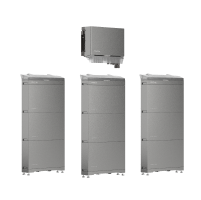
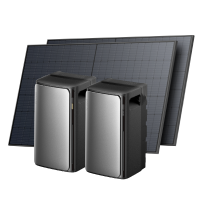
This is why many are turning to solutions like the EcoFlow Home Battery, which stores free daytime power safely. When grid prices jump up at night, your home simply runs on your stored battery power instead. The EcoFlow PowerOcean Home Battery features a highly scalable LFP battery capacity, robust safety features, and a 15-year warranty. It directly combats rising grid costs without sacrificing your daily comfort. For single-phase households, the PowerOcean Single-Phase Battery offers a dedicated solution to achieve the same energy independence.
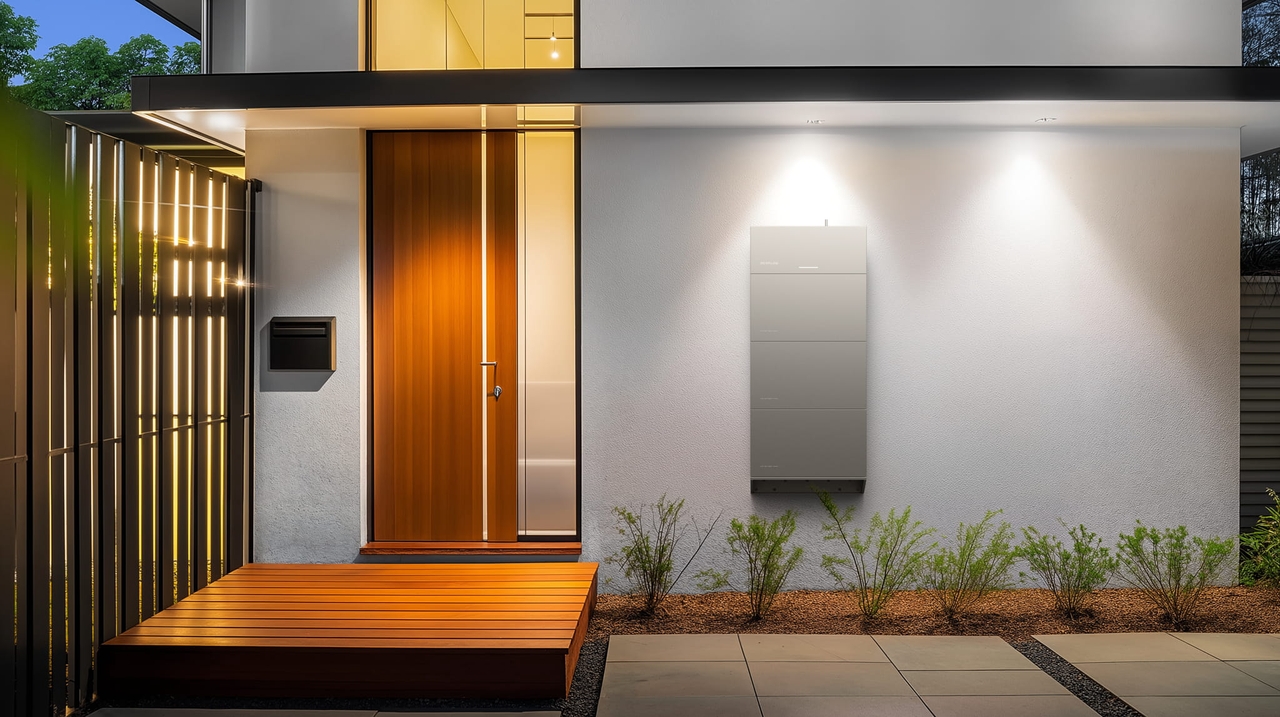
Want to explore these powerful solutions? You can get a free solar battery quote today to start building true energy independence.
Schedule Your Free Consultation Today!
What kind of product or solution are you interested in?
Smart energy management tools
Managing your battery smartly saves you even more money over time. Modern technology automates your savings easily.
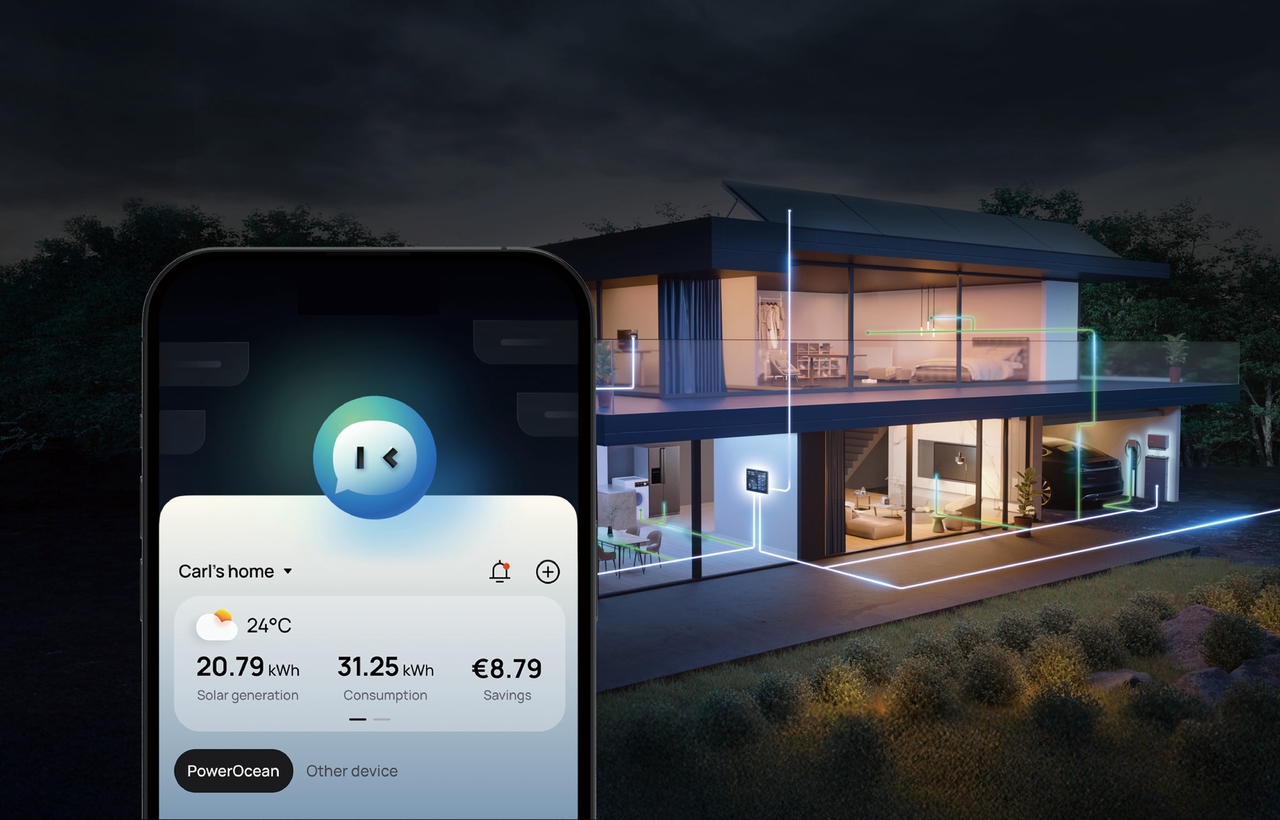
You can optimize your whole home with the EcoFlow Intelligent HEMS (Home Energy Management System). This acts as a smart digital brain for your house. Using the EcoFlow APP, it tracks your habits and local weather forecasts. It also tracks your varying grid rates. It uses all this data to allocate energy efficiently and maximize your solar savings automatically.
Set your air conditioner to 24 degrees
Australian summers are scorching. But blasting your AC at 18 degrees wastes huge amounts of energy. Instead, set your cooling to 23 or 24 degrees. Every single degree cooler adds about 10% to your running costs. You should also turn on your ceiling fans at the same time. Fans cost almost nothing to run and help push the cold air around the room.
Stop standby power drain
Many appliances still use power even when you turn them off with a remote. This is called "vampire power." Gaming consoles, microwaves, and computers are the biggest offenders. Luckily, Australian power points have built-in switches. Simply flick the switch at the wall when you finish using an appliance to stop this hidden energy drain.
Zone your heating and cooling
Do not pay to heat or cool empty rooms. If you are watching TV in the lounge room, close the doors to unused bedrooms and bathrooms. If you have a ducted HVAC system, use the zoning controls to shut off the airflow to empty spaces. This keeps your main living areas comfortable much faster and uses far less electricity.
Additional strategies to lower your average energy cost
Upgrading your home with a battery is a fantastic long-term solution. However, you can also take immediate, practical steps today. Using government assistance and market competition gives you a well-rounded approach. Here are two fast ways to lower your average energy cost.
Claim government energy rebates and concessions
Many Australian households miss out on free money every year. Your local state or territory government offers great rebates to help with the rising cost of living.
Seniors, pensioners, and low-income earners almost always qualify for ongoing relief. Families with young children or people with specific medical needs can also get excellent local discounts. Check the official Australian Government energy rebates portal to easily find what is available in your specific state. Claiming these simple local rebates directly reduces your average household energy bill.
Compare energy plans and switch providers
Do not pay a "loyalty tax" to your power company. Energy retailers often drop their good discounts after 12 months. Your rates then quietly increase without you noticing.
Use free government websites like Energy Made Easy to compare your rates. Check your current plan against the Default Market Offer (DMO). Switch providers if you pay too much. Changing companies takes ten minutes and instantly cuts your average power bill per month.
Conclusion
Taking control of your finances starts with understanding your energy usage. Knowing the national averages helps you easily spot high bills. High costs are usually caused by extreme weather, old appliances, and peak evening rates.
You can fight back by claiming local rebates and switching power plans. But the absolute best way to stop relying on the expensive grid is solar storage. Investing in an EcoFlow setup lowers your bills, keeps your home comfortable, and gives you total peace of mind for the future.
FAQs
1. What is the average power bill for 2 people?
For two people in Australia, electricity usually costs between $120 and $150 per month. This depends strongly on your state, daily habits, and whether you use gas for heating.
2. How many kWh a day is normal?
A typical Australian home uses roughly 15 to 20 kWh of electricity per day. Large families or homes with ducted air conditioning and pool pumps will use much more.
3. Why is my average energy cost so high?
High bills come from old appliances, poor insulation, or using grid power during peak evening hours. Adding a reliable home battery like the EcoFlow PowerOcean solves this. It stores your free daytime solar energy to use at night, avoiding high rates.
4. What uses the most electricity at home?
Heating and cooling systems use the most electricity by far. Air conditioners, electric space heaters, and hot water systems are the biggest energy drains.
5. Is electricity cheaper at night?
Yes, but only if you have a Time-of-Use tariff. On these plans, power is much cheaper late at night and much more expensive during the early evening.
6. How can I calculate my typical monthly electric bill?
Find your "Average Daily Usage" in kWh on your latest statement. Multiply it by your usage rate. Add the daily supply charge, then multiply by 30 days.