2026 Guide to Business Electricity Rates in Australia
Running a business in Australia comes with many challenges. One of the biggest hurdles in 2026 is managing your overhead. Energy costs are a major part of that puzzle. The energy landscape changes constantly. Grid prices move up and down based on global markets and local demand. This makes it tough for small and medium enterprises (SMEs) to plan their budgets.
Understanding your energy plan is no longer just a good idea. It is crucial to protect your bottom line. When you know how the market works, you can make smarter choices. You can avoid overpaying for power you do not need. This guide will help you understand your current setup. It will also show you how to find the best price for electricity for business operations today.
What Are Business Electricity Rates?
Commercial energy pricing is very different from residential pricing. Homes use power mostly in the mornings and evenings. Businesses often use the most power during the middle of the day. Because of these different habits, energy retailers create specific plans for commercial customers.
When you look at your bill, you will see two main types of charges. First, there are fixed daily supply charges. You pay this flat fee every single day, no matter how much power you use. It covers the cost of keeping your property connected to the main power grid.
Second, there are variable usage charges. This is the cost of the actual energy you consume. It is measured in kilowatt-hours (kWh). The rate you pay per kWh depends heavily on your specific plan. If you want to lower your business electricity costs, you need to pay close attention to this variable rate.
Understanding Business Electricity Tariffs
Retailers offer different ways to charge you for your usage. These are called tariff structures. Choosing the right one can save you hundreds of dollars. Let's break down the most common options in Australia.
Flat/Anytime Rates: This is the simplest option. You pay the exact same price for power all day and all night. It offers great stability. You never have to worry about what time you are running your machines.
Time-of-Use (ToU) Tariffs: This structure divides the day into different blocks. Peak times are the most expensive, which for most businesses happen on weekdays between 3:00 pm and 9:00 pm. Off-peak times (overnight) are the cheapest. Shoulder times sit somewhere in the middle. If you can shift your work to cheaper hours, ToU can be a great choice.
Demand Tariffs: These are a bit more complex. Retailers charge you based on the maximum amount of power you draw at any one time during a peak window. If you turn on all your heavy machinery at once, your demand charge will spike. This rewards businesses that keep their power usage steady and low.
Eligibility for Commercial Electricity Rates
You cannot simply ask for a commercial plan because you run a small side hustle from your garage. Retailers have specific rules. To qualify for commercial power rates, you must meet a few basic criteria.
First, you generally need an active Australian Business Number (ABN) or Australian Company Number (ACN). Second, the premises must be used primarily for commercial activities. If you run a shop, an office, or a warehouse, you easily qualify.
It is also important to understand meter types. A small business meter is very similar to a home meter. It handles standard loads. However, large factories or supermarkets require a large commercial meter. These heavy-duty meters handle massive amounts of power and require specialized commercial electricity rates.
The Average Business Electricity Bill
Business owners always ask how their costs compare to others. In 2026, the average business electricity bill for an Australian SME varies widely. A small office might pay around $800 per quarter. A busy cafe or a manufacturing workshop could easily see bills of $1,500 to over $3,000 per quarter.
Your final number depends on your industry, your operating hours, and your equipment. A retail store with basic lighting will pay much less than a bakery with giant electric ovens. Knowing the average helps you see if you are overpaying.
Breaking Down Business Electricity Costs
Where exactly does all that power go? For most businesses, the biggest culprit is HVAC. Heating, ventilation, and air conditioning work overtime during harsh Australian summers and chilly winters. Heavy machinery and commercial refrigeration are also massive energy drains. Finally, outdated lighting can quietly push your bill higher.
Your location matters, too. Network charges make up a large portion of your bill. These are the fees paid to the company that maintains the poles and wires in your street. These baseline costs change depending on your state. For example, network costs in regional New South Wales (NSW) can be very different from those in central Victoria (VIC) or Queensland (QLD).
Finding the Best Price for Electricity for Business
You do not have to settle for the first plan a retailer offers. The energy market is competitive. Retailers want your business, and they will fight for it. But finding the truly good offers requires a bit of effort. You need to compare the market effectively.
Comparing Business Electricity Deals
When comparing plans, be careful of flashy conditional discounts. A retailer might offer a "20% discount." However, that discount might only apply if you pay on time, or it might only discount the usage charges, not the daily supply charge.
Instead of looking at the discount percentage, look at the Reference Price. This is a benchmark set by the Australian Energy Regulator (AER) or local state regulators. By law, retailers must show how their business electricity prices compare to this reference point. If a plan is "15% less than the reference price," you know it is actually a good deal. Always use the Reference Price to evaluate your options safely.
How to Lower Your Business Electricity Costs
Switching retailers is a great first step. But the best way to save money is to use less power from the grid. You need to take control of your overhead directly. There are strategic ways to reduce your consumption without slowing down your operations.
Energy Audits and Smart Usage
First, recommend conducting an energy audit. An expert can walk through your premises and find hidden energy drains. They might spot an old, inefficient air conditioner or machines left running overnight.
Next, change how you work. Suggest shifting energy-intensive operations to off-peak hours. If you run a manufacturing plant, try doing the heaviest work early in the morning before peak business electricity tariffs kick in. Simple habits, like turning off lights in empty rooms and adjusting the thermostat by one degree, add up quickly.
Solar Storage to Beat High Rates
The ultimate way to safeguard a business against rising business electricity prices is by generating and storing your own solar power. Buying grid power will always leave you at the mercy of the market. Building a reliable battery storage system fixes this problem for good.
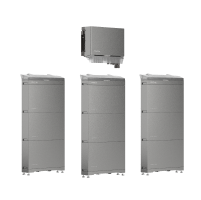
For many SMEs, the smartest move is installing a premium system like the EcoFlow PowerOcean Plus. This is a robust, scalable solar battery solution. It is perfect for medium-to-large residential or small commercial setups. It features a high continuous output and scalable capacity. This means you can store cheap, abundant daytime solar energy. Then, you can use that stored power to run your essential equipment during expensive evening peak periods. This drastically reduces your reliance on the grid.
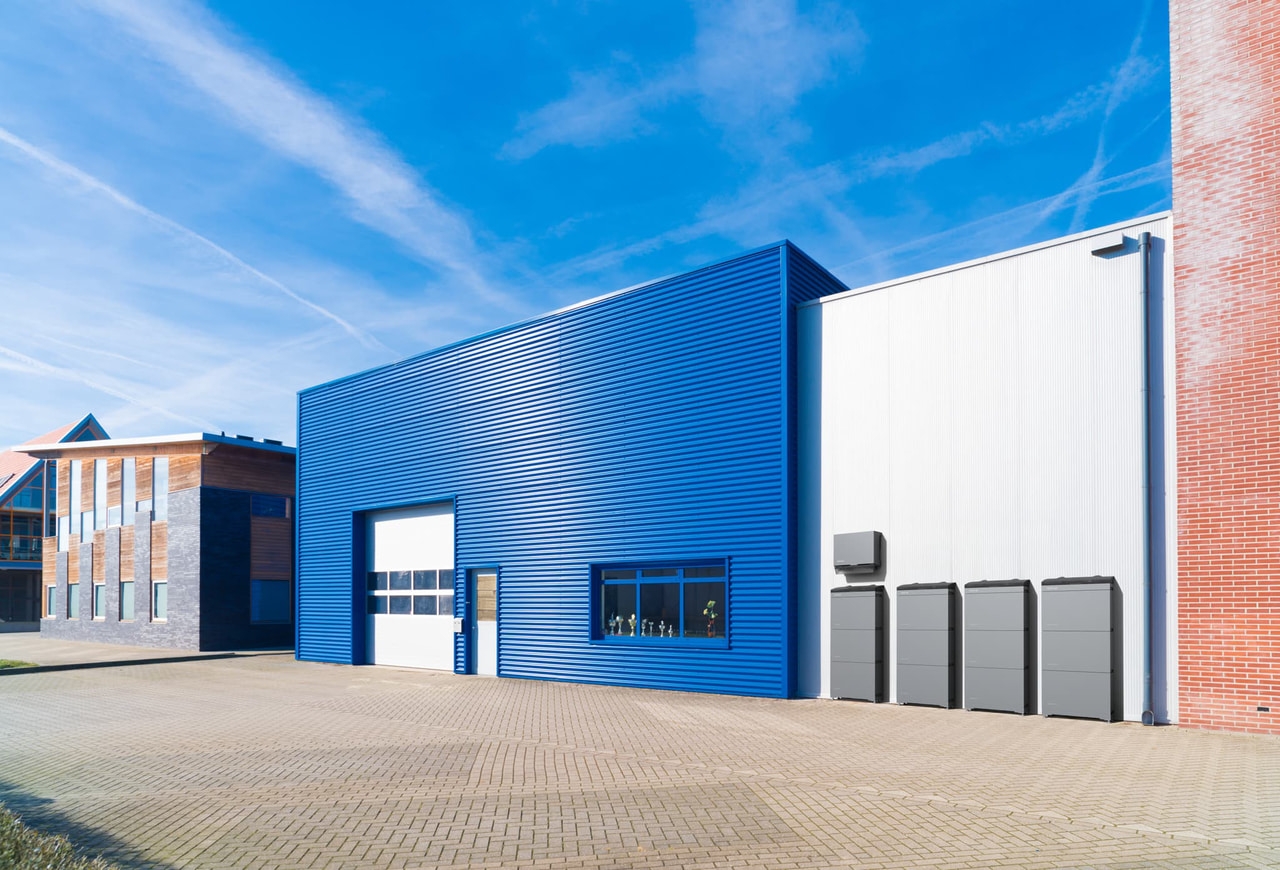
To make this system work perfectly, you need a smart controller. Enter the EcoFlow HEMS (Home/Business Energy Management System). Think of it as the "brain" of your operation. It has an incredible AI-driven capability to predict local weather and track live grid rates. It automatically routes your stored power exactly when business electricity tariffs are at their highest. It ensures you get the optimal return on investment without any manual intervention.
Not sure what capacity your business needs? You can easily contact professional energy consultants to find the perfect fit.
Schedule Your Free Consultation Today!
What kind of product or solution are you interested in?
Leveraging Australian Government Incentives to Offset Business Electricity Costs
Reducing your energy bill isn't just about using less grid power. It is also about utilizing federal and state-level financial support to subsidize your energy upgrades. The government wants businesses to go green. They offer serious money to help you do it.
Federal and State-Level Rebates for SMEs
In 2026, several current incentives apply to commercial premises. The biggest is the Small-scale Renewable Energy Scheme (SRES). When you install an eligible solar system, you receive Small-scale Technology Certificates (STCs). These certificates act like a direct discount on your upfront installation costs.
State governments also help. States like NSW, VIC, and SA often have specific grants for small businesses. They also offer Virtual Power Plant (VPP) participation incentives. If you allow the grid to draw a tiny bit of power from your battery during emergencies, you get paid. These programs make upgrading to standard commercial power rates much more affordable.
Tax Deductions and the Instant Asset Write-Off
The Australian Taxation Office (ATO) also offers ways to ease the burden. Businesses can leverage the instant asset write-off or specific energy efficiency grants.
When you buy a commercial battery setup, it is a capital expense. Deducting this expense at tax time significantly lowers the barrier to entry. It makes the long-term financial return highly attractive compared to paying standard business electricity tariffs year after year. Always consult your accountant to see exactly how much you can claim.
Feed-in Tariffs (FiTs) vs. Self-Consumption
When you generate solar power, you have two choices. You can send it to the grid, or you can use it yourself. Sending it to the grid earns you a feed-in tariff (FiT). This offers a small credit on your business electricity deals.
However, FiTs have dropped very low in recent years. Storing that power in your battery to avoid peak commercial electricity rates is called self-consumption. Self-consumption yields a far greater financial return for an active business. Creating a complete home energy ecosystem or commercial microgrid keeps your hard-earned power right where it belongs: inside your business.
Conclusion
Managing a business in 2026 requires smart financial planning. Shopping around for new business electricity deals provides excellent short-term relief. It is a step every owner should take. However, investing in an independent energy ecosystem provides long-term certainty. By combining smart usage habits, government rebates, and a powerful solar battery setup, you can protect your business from future price hikes and focus on what you do best: growing your company.
FAQs
1. What is the average business electricity bill for a small business in Australia?
In 2026, a typical small business pays between $800 and $1,500 per quarter. However, this varies wildly. A simple retail store pays much less than a cafe with large ovens and constant refrigeration needs.
2. How much electricity does a small business use per month?
An average Australian small business uses between 1,500 kWh and 3,500 kWh per month. Again, your exact usage depends heavily on your industry, equipment, and operating hours.
3. Are business electricity rates cheaper than residential rates?
Yes, the per-kWh rate is often lower because businesses buy power in bulk. However, they face much higher fixed daily supply charges. To offset these steep fees, many owners install a storage system like EcoFlow PowerOcean Plus. Storing your own solar power reduces your grid reliance, which keeps your overall daily costs as low as possible.
4. Which is the best electricity supplier for a small business?
There is no single "best" supplier. The best choice depends on your specific location and usage habits. Always compare offers using the AER Reference Price to find the true value.
5. What is a demand charge on commercial power rates?
A demand charge bills you for the highest spike in your power usage during a specific timeframe. It penalizes businesses that turn on all their heavy machinery at the exact same time during peak hours.
6. Is it worth switching to new business electricity deals every year?
Yes, it is highly recommended. Energy retailers often save their best business electricity rates for new customers. Checking the market annually ensures you never get stuck paying a high "lazy tax" on an old plan.