Best Solar Panels Australia: 2026 Guide for Your Home Energy Needs
Electricity prices are spiking across Australia in 2026. Families from Perth to Sydney are feeling the pinch on their monthly bills. At the same time, the cost of living makes every dollar count. Many homeowners are looking at their roofs for a solution. Finding the best solar panels is no longer just about being green. It is about taking control of your monthly expenses.
This guide will help you navigate the busy Australian solar market. We will explain how the technology works in simple terms. You will learn about upfront costs and how to choose the right system size for your family. We will also cover the latest 2026 government rebates. Finally, we will show you how to use advanced savings strategies. This article helps you find the best solar panel setup to protect your wallet for years to come.
How do solar systems actually work?
Solar technology might seem like magic, but it is actually quite straightforward. Most systems use photovoltaic (PV) technology. The best solar photovoltaic panels are made of silicon cells. When sunlight hits these cells, it creates an electrical field. This process generates direct current (DC) electricity.
However, your home runs on alternating current (AC) electricity. This is where the inverter comes in. The inverter takes the DC power from your best PV modules and changes it into AC power. This electricity then flows into your home to run your fridge, lights, and TV. Any power you do not use can be sent to a battery or back to the grid. Starting with a home solar battery is the first step toward true energy independence.
Average prices and payback periods in Australia
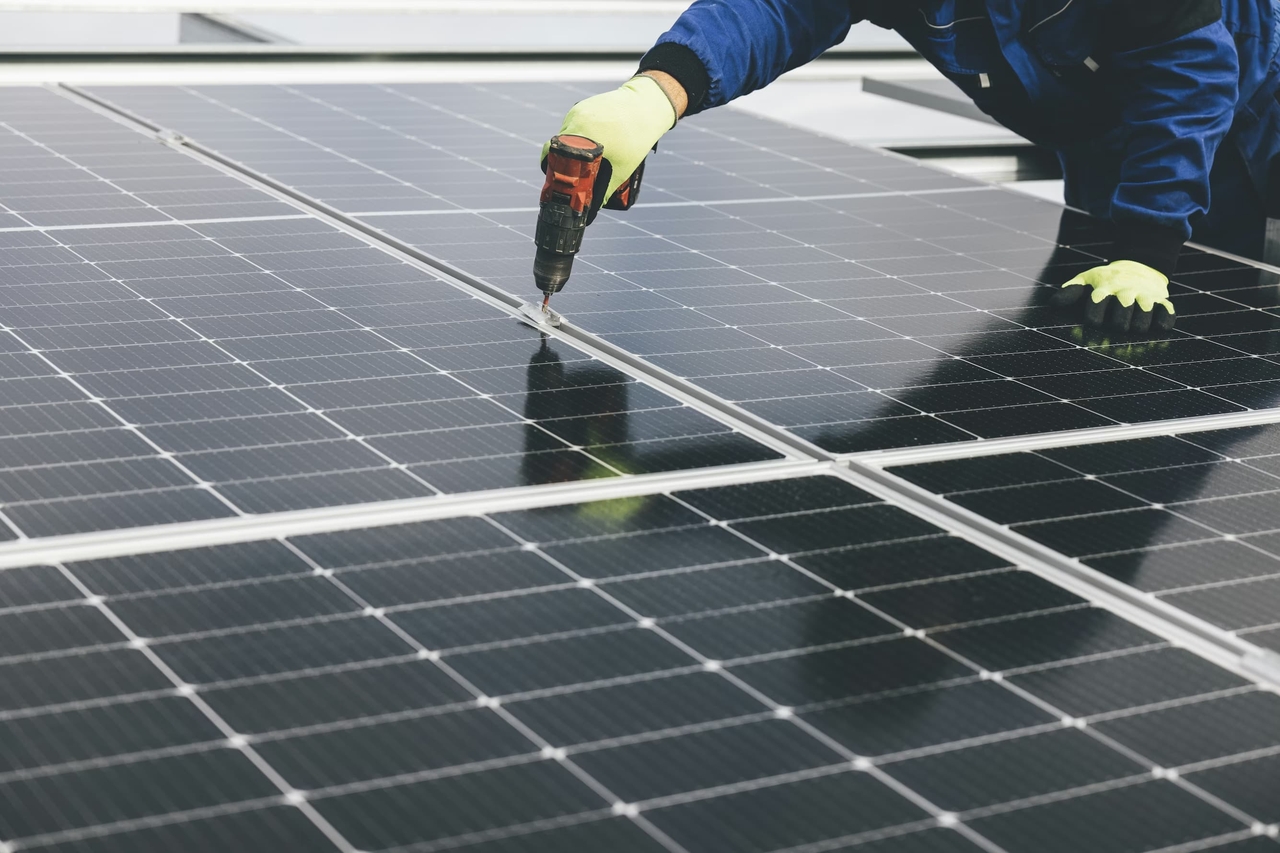
In 2026, the price of solar has changed due to new tech and shipping costs. On average, a standard 6.6kW system costs between $5,500 and $9,000. A larger 10kW system might cost between $9,000 and $13,000. It is true that the best solar power panels carry a premium price tag. You are paying for better materials and a longer life.
The good news is the payback period. Even with higher upfront costs, high-quality panels pay for themselves quickly. Most Australian homes see a full return on investment in 3 to 5 years. This is because the best solar panels Australia can provide are very efficient. They turn more sunlight into cash savings on your bill every single day.
How to choose the best solar panels for your home
Not every panel is right for every roof. You need a technical checklist to find the best solar panels in Australia. When you choose a solar system for your home, you should look at how the parts work together. Here are the three main things to look for.
System size and output
You must match your system size to your energy habits. Look at your latest electricity bill. It will show your daily usage in kilowatt-hours (kWh). A standard family usually needs a 6.6kW or 10kW system. If you have a small roof, do not worry. Installing the best PV modules allows you to generate more power in a smaller space. These high-output modules make the most of every square inch of your roof.
Efficiency and performance
Efficiency is a measure of how much sunlight a panel turns into power. Most standard panels are around 17% to 19% efficient. However, if you have limited roof space, you should look for top-rated solar panels. These often have efficiency ratings of 20% or higher. The best solar PV panels also perform better on cloudy days. In many parts of Australia, winter clouds can lower your power production. High-efficiency panels help keep your lights on even when the sun is hiding.
Durability and warranties
Australia has some of the harshest weather on Earth. Your panels must survive extreme heat, heavy rain, and even hail. When searching for the best panel solar, check the warranties. You want two types. First is the product warranty, which covers manufacturing defects. Second is the performance warranty. This guarantees the panels will still produce a certain amount of power after 25 years. Strong warranties are the mark of a good solar panel brand and are a key feature of the most recommended solar panels available today.
Navigating 2026 solar rebates in AU
The Australian government still offers help to lower your costs. The main program involves Small-scale Technology Certificates (STCs). These act like a point-of-sale discount. When you buy the best solar modules, the installer applies this discount automatically. This can save you thousands of dollars off the total price.
Rebate levels can change depending on where you live and when you install. Some states have extra loans or rebates for low-income families. It is a smart move to check your specific state government portal. Taking advantage of these 2026 incentives makes the best photovoltaic panels much more affordable for the average household.
Maximizing the ROI of the best panels for solar
Installing hardware is only half the battle. To get the best return on investment (ROI), you need a strategy. In 2026, feed-in tariffs are dropping across the country. This means the power companies pay you very little for the energy you send back to the grid. To save the most money, you must focus on "self-consumption." This means using your own solar power instead of buying it from the grid.
Save more with a home battery
A battery is the best way to stop wasting your solar energy. During the day, your panels often make more power than you can use. Without a battery, that power goes back to the grid for a low price. At night, you have to buy expensive power back from the grid. This is often called the "solar tax" by frustrated homeowners.
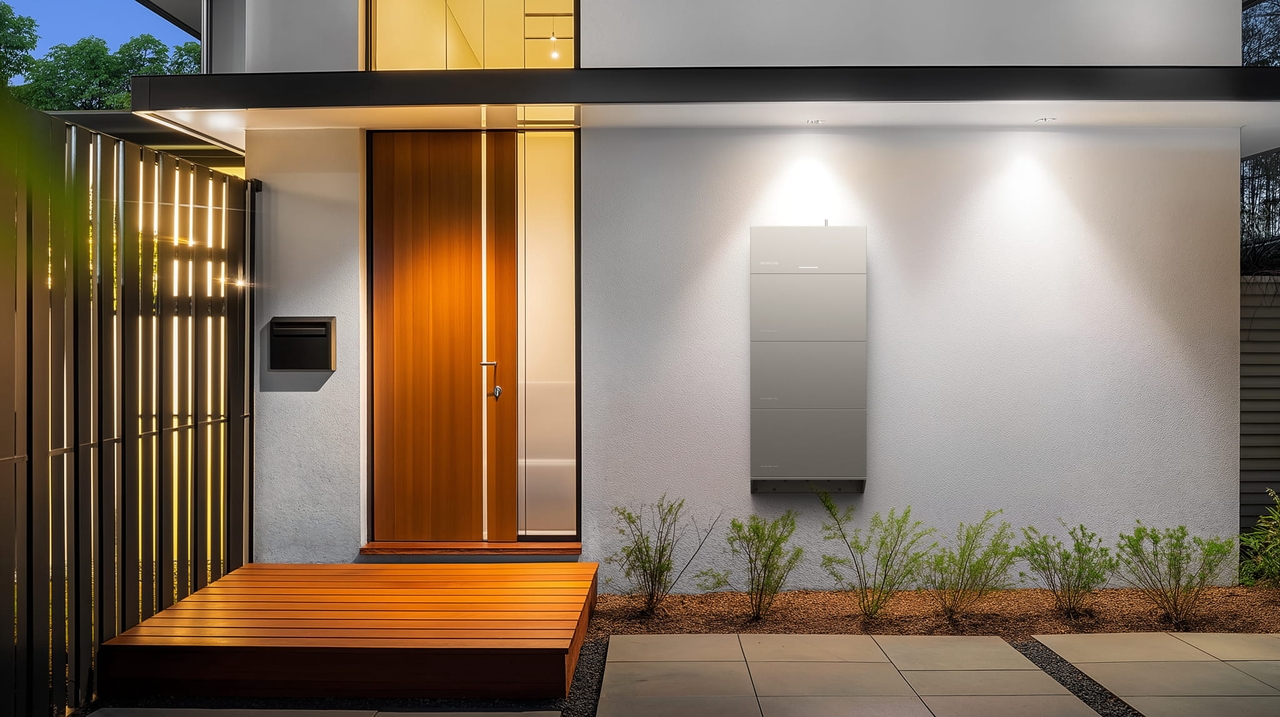
By adding a storage system, you can save that extra daytime energy. You then use it during the expensive evening peak hours. Pairing your good solar panels with a system like the EcoFlow PowerOcean Single-phase Battery is a smart move. It features a modular design. This means you can start with a 5kWh unit and easily add more modules later as your family grows.
Unsure how much storage capacity you need to match your roof's output? Contact EcoFlow professional energy consultants today for a tailored recommendation.
Schedule Your Free Consultation Today!
What kind of product or solution are you interested in?

Smart energy management and load shifting
You can also save money by changing when you use big appliances. This is called load shifting. To make the most of your investment, try to run heavy loads like pool pumps, washing machines, and EV chargers during the middle of the day. This is when your best solar power panels are making the most electricity.
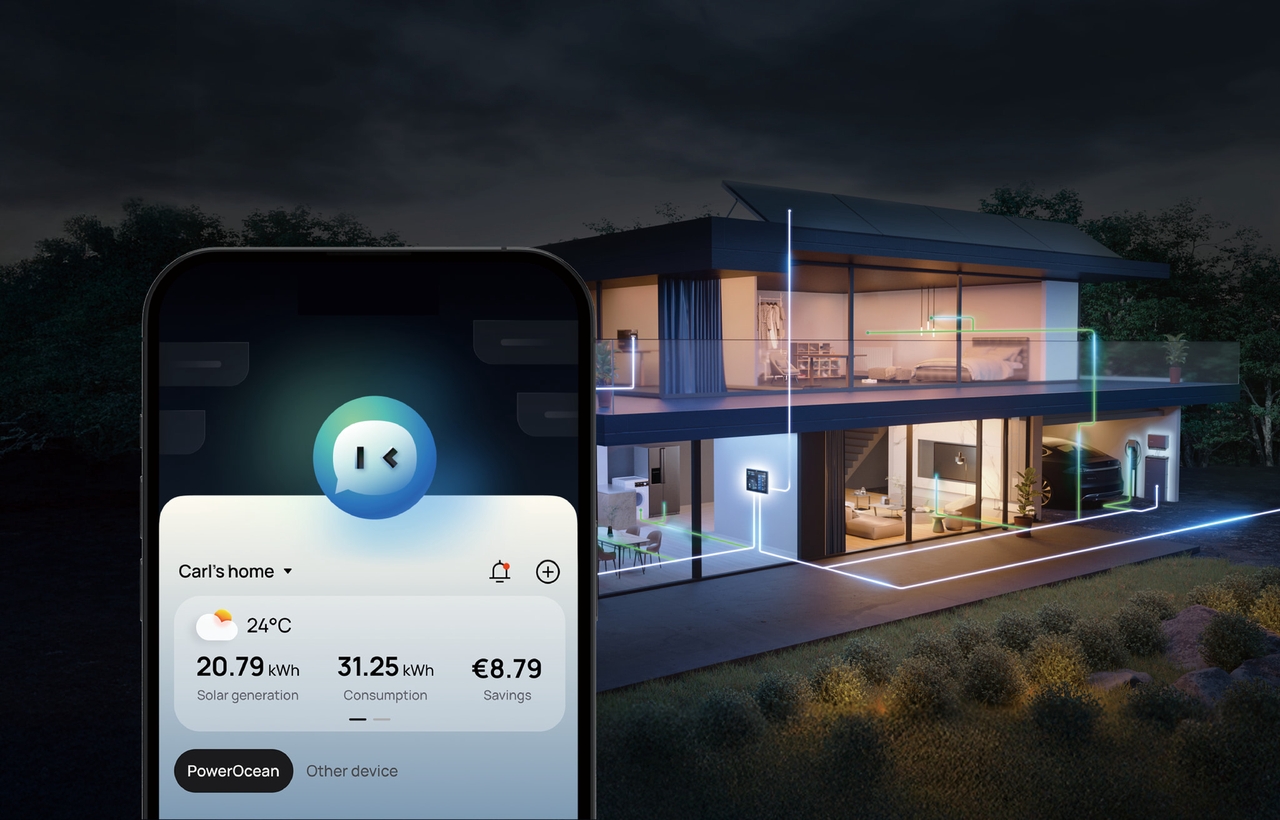
You do not have to do this manually. Smart technology can handle the hard work for you. Using a system like the EcoFlow HEMS makes it easy to stay efficient. This software automatically tracks local weather patterns and your home's unique energy habits. It then directs solar power to your appliances or battery exactly when it is needed most. This smart integration ensures you use every bit of "free" energy from the sun without any extra effort.
Regular maintenance and performance monitoring
Even the best solar panels in Australia need a little love. Dust, salt spray, and bird droppings can block the sun. This can lower your power output by 10% or more. We recommend a professional cleaning once a year. You should also check your system's digital dashboard every week. If you see a sudden drop in power, you can catch the problem early. This keeps your ROI high for the life of the system.
Leverage Virtual Power Plants (VPPs)
A Virtual Power Plant (VPP) is a network of home batteries. When you connect your best solar PV panels and battery to a VPP, you help the grid. During times of high stress, the grid can borrow a little of your stored power. In return, the VPP provider gives you financial credits. This can further slash your electricity bill. It turns your home into a tiny power station that earns you money.
Conclusion
Finding the best solar panels for your Australian home in 2026 is a journey. It requires looking at more than just the price. You must balance efficiency, strong warranties, and the correct system size. While the upfront cost can be high, the long-term savings are worth it.
To get the most out of your investment, remember to focus on self-consumption. Storing your own power is the key to beating rising rates. Pairing your panels with an intelligent EcoFlow home energy ecosystem is the ultimate solution. It provides the tools you need for true energy independence. Start your solar journey today and protect your family from the 2026 energy crisis.
FAQs
1. What is the typical lifespan of solar panels?
High-quality panels typically last 25 to 30 years. To ensure your entire energy system matches this longevity, many homeowners choose durable storage options, such as the EcoFlow PowerOcean solar battery, which comes with a 15-year warranty.
2. How do I know if I am buying the best photovoltaic panels?
Look for "Tier 1" manufacturers. These companies have a strong reputation and good financial backing. Also, check the efficiency rating. The best photovoltaic panels in 2026 usually have an efficiency of 20% or higher and a product warranty of at least 15 years.
3. How many good solar panels do I need to run a standard 4-person house?
A typical 4-person home in Australia usually needs a 6.6kW to 10kW system. This is roughly 16 to 24 good solar panels if you use standard 415W modules. Your actual needs depend on how much air conditioning and hot water you use daily.
4. How long does the best PV panel system take to install?
For most standard homes, the installation of the best PV panels takes just one day. A team of qualified installers will put the brackets on the roof, lay the panels, and connect the inverter. Larger or more complex roofs might take two days.
5. Will a 400W solar panel run a fridge?
A single 400W panel creates enough energy to run a modern, efficient fridge during sunny hours. However, a fridge runs 24 hours a day. To keep it running at night, you need a system with multiple panels and a battery (like EcoFlow PowerOcean) to store daytime energy.