Solar Power Cost in Australia 2026: Prices, Rebates & Savings Guide
If you're looking at your electricity bill and thinking there has to be a better way, you aren't alone. In 2026, solar power remains the most effective way for Australian homeowners to take control of their energy costs. But how much does it actually cost to get started? From falling panel prices to shifting government rebates, the landscape has changed. This guide will walk you through solar power costs, system pricing, rebates, and show you how a smart system can slash your energy bills for decades.
How much do solar panels cost (2026)
Solar panel prices in Australia vary by size, location, and quality, but most homes can expect affordable, rebate-adjusted system pricing.
Typical price ranges by system size (After rebates)
System Size | Typical Price Range (AUD) | Best For |
3kW | $3,500 – $5,000 | Small units or couples |
5kW | $4,500 – $6,500 | Small families |
6.6kW | $5,000 – $8,500 | Standard 3-4 bedroom home |
8kW | $7,500 – $10,500 | Large families with high use |
10kW | $9,500 – $13,000 | Homes with pools or EVs |
On average, you can expect to pay between $0.90 and $1.30 per watt for a quality installation. A standard quote covers the Tier 1 PV panels cost, the inverter, mounting equipment, and the labor for a CEC-accredited installation.
Cost differences by state
Solar panel system costs vary across the country due to local labor rates and state-specific shipping costs. Here is the average solar system cost by state for March 2026:
State / City | 3kW System | 5kW System | 6.6kW System | 10kW System |
Adelaide, SA | $3,770 | $4,980 | $6,145 | $8,640 |
Brisbane, QLD | $4,070 | $5,120 | $6,234 | $8,720 |
Canberra, ACT | $4,070 | $4,920 | $5,904 | $7,800 |
Darwin, NT | $4,530 | $7,480 | $9,852 | $14,960 |
Hobart, TAS | $4,530 | $6,020 | $7,462 | $10,980 |
Melbourne, VIC | $3,980 | $5,040 | $6,020 | $8,530 |
Sydney, NSW | $3,570 | $4,800 | $5,836 | $8,220 |
Perth, WA | $3,260 | $4,080 | $5,136 | $8,510 |
National Average | $3,970 | $5,310 | $6,576 | $9,550 |
What affects the solar system cost?
Knowing the cost of a solar power system will help you identify a good deal. The prices depend on the quality of the components, the roof, and the technology used.
Component quality
Tier 1 PV panels are priced more upfront because they are made by financially stable manufacturers. These companies offer better 25-year performance warranties compared to "no-name" budget options.
System size (kW capacity)
The system size is the biggest priced driver. A 10kW system requires more racking, wiring, and labor than a 5kW system. However, larger systems usually offer a better "price per watt" as fixed costs are spread out.
Inverter technology
The inverter is the "brain" of your system.
1) String Inverters: These are common and affordable.
2) Micro-inverters: These sit behind individual panels. They increase the solar electric panel cost but perform better on shaded roofs.
Installation complexity
Your roof design plays a huge role. Installers charge more for:
1) Multi-story homes: These require specialized scaffolding.
2) Roof materials: Flat concrete or slate roofs are harder to work on than metal or terracotta.
3) Tilt frames: If your roof doesn't face North, you may need frames to angle the panels.
Brand reputation
The cost of a solar panel fluctuates based on the brand's track record. Premium brands offer 25-year product warranties and higher efficiency. Buying a reputable brand is insurance for the future.
How the solar rebate 2026 Works
The solar rebate plays a big role in reducing solar power costs in Australia. In 2026, incentives still lower upfront prices, making solar more affordable for homeowners.
STC scheme update
The Small-scale Technology Certificates (STCs) scheme is Australia's primary federal solar incentive. It works by "deeming" how much renewable energy your system will create until 2030.
On January 1st, 2026, the deeming period dropped from 6 years to 5. This means a standard 6.6kW system now receives roughly $500–$600 less in rebate value than it did last year. Battery systems see extra changes from May 1, 2026: the STC factor falls from 8.4 (Jan-Apr) to 6.8 (May-Dec), and larger batteries get tapered rebates.
How much will solar panels cost after the rebate?
The rebate is a straight discount off your quote. Installers create and sell STCs (around $37–$40 each) then pass the cash to you.
For a typical 6.6kW system in 2026, you might save $1,500–$2,000 (depending on zone and exact timing). A 10kW setup could knock off $2,000–$3,000. Prices drop more in sunnier zones like QLD. Always get quotes—your installer calculates the exact "point of sale" amount based on your postcode and system size.
Eligibility criteria
To claim the federal rebate in 2026, you must meet a few simple rules:
Use hardware from the Clean Energy Council's approved list.
Hire a Solar Accreditation Australia certified installer.
Ensure the total system size is under 100kW.
Install only brand-new, never-used equipment.
Provide proof of property ownership or permission to install.
Adding batteries: Benefits and cost to solar power your home
Most people find that solar panels alone don't fully zero out their bills. This is because of the "solar mismatch"—your panels produce the most power at noon, but your home uses the most in the evening. Without a battery, you export that valuable energy for a small credit and buy it back later at a much higher price.
Adding storage is the best way to manage your household's solar panel cost. It bridges this gap by storing your "free" daytime energy to run your lights, TV, and air conditioning after dark. This significantly increases self-consumption and slashes your reliance on the expensive grid, lowering the effective price of solar panels over the long term.
Solar battery rebates: State-specific programs
In 2026, the Cheaper Home Batteries Program provides a federal rebate of approximately $311 per usable kWh (until May 2026). Some states offer even more:
State | Additional Local Perks in 2026 |
NSW | Up to $1,500 rebate for connecting to a Virtual Power Plant (VPP) |
VIC | Solar Victoria battery loans and rebates (income-tested) |
WA | Up to $3,800 for Horizon Power customers; $1,300 for Synergy |
QLD | Strong incentives for VPP-ready systems |
As most homeowners look to maximise their solar investment, solutions like EcoFlow PowerOcean Single-Phase Battery are becoming a practical choice for energy storage. This premium solution is designed specifically to maximize your self-consumption. This home battery is a modular system, so you can start with a 5kWh battery and easily expand to 15kWh within a single inverter as your energy needs grow. Its high-capacity storage ensures you hold onto almost every drop of energy your panels produce. It is fully listed on the Clean Energy Council's approved products list. This means it is eligible for all major federal and state battery rebates, potentially saving you thousands on your initial investment.
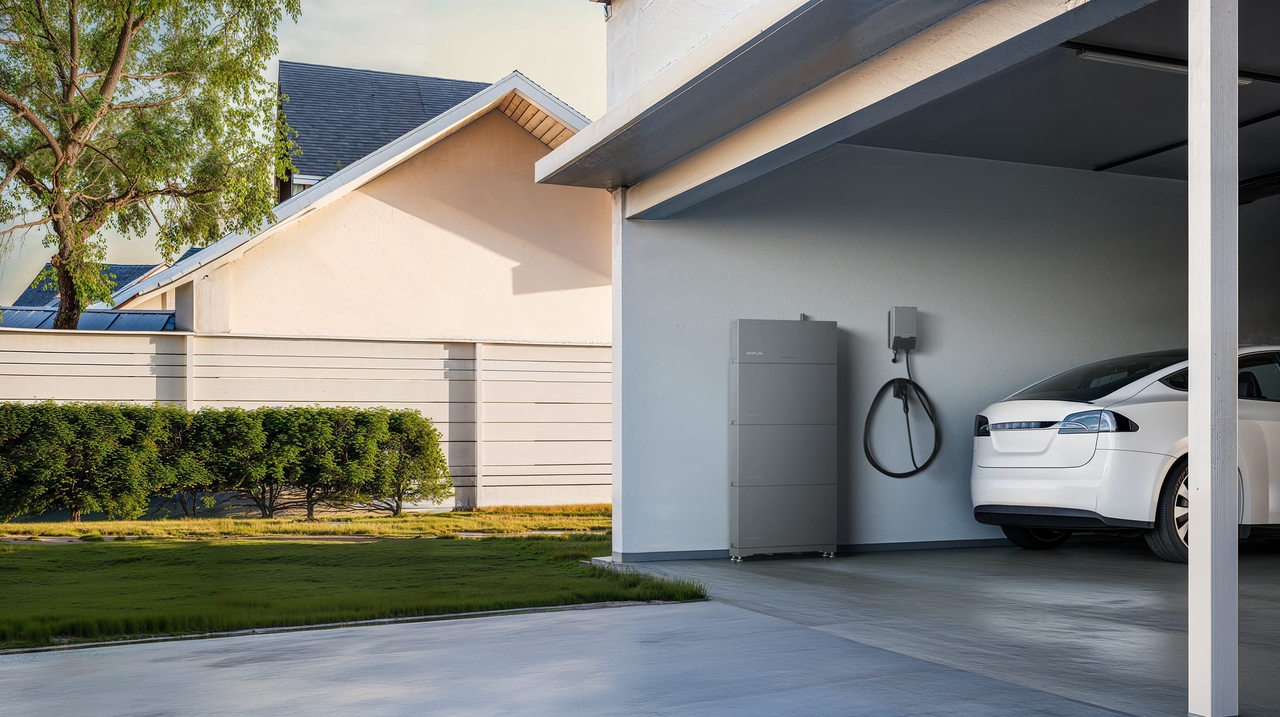
Explore EcoFlow home battery solutions for maximizing savings. Get your free consultation to find the perfect setup for your home.
Schedule Your Free Consultation Today!
What kind of product or solution are you interested in?
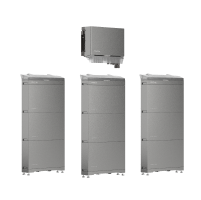
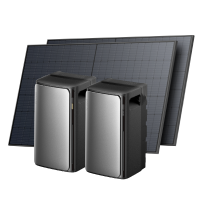

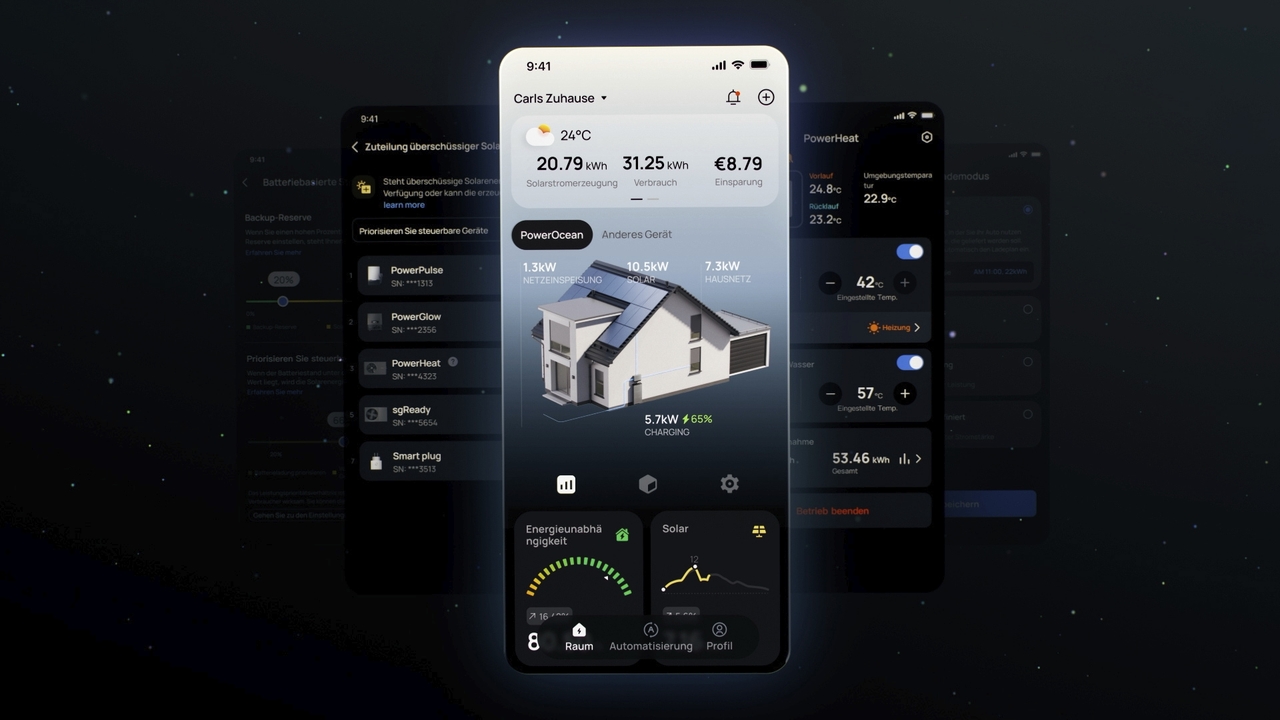
To get the best ROI, your system needs a brain. The EcoFlow HEMS (Home Energy Management System) uses AI to predict your energy use and solar generation. By carefully managing when your home draws power from solar versus when it taps into the battery, a Home Energy Management System (HEMS) can slash your electricity costs by as much as 77.6%. This intelligent approach means your system will recoup its investment significantly quicker than a conventional arrangement.
Payback period & savings
Solar pays for itself faster than you might think in Australia. Most systems recoup costs in 3–6 years thanks to high energy prices and strong sunlight. After that, it's mostly free power—here's what drives your solar system cost payback and real savings in 2026.
Factors affecting payback
Several factors influence how quickly your system pays off:
1) Electricity usage: The more solar energy you use, the more you save.
2) System size: Larger systems can provide more savings, depending on usage.
3) Location: Sunny cities like QLD and NSW naturally see faster returns than cloudier regions.
4) Feed-in tariffs: The more you can export, the more you can save
Estimated annual savings
A standard 6.6kW system in Australia can save a typical family between $1,200 and $1,900 per year. If you add a smart battery like the EcoFlow PowerOcean, those savings can jump even higher because you avoid buying expensive evening peak power from the grid.
Long-term ROI
Solar isn't just a purchase; it's an asset. Over 20 years, a well-maintained system can provide a total return of $30,000 to $50,000 in avoided energy costs. Plus, studies show that solar and battery storage can significantly increase the resale value of your home.
Is solar power still worth the cost in 2026?
Even with shifting rebates, the solar power system cost remains one of the best investments an Australian homeowner can make. Here is why solar is still a winning choice this year:
Rising grid electricity costs
Power bills have jumped 20–30% in many states over the last few years, and 2026 sees more hikes from network upgrades and wholesale spikes. Typical rates hit 30–50c/kWh in peak times. Solar flips that—generate your own cheap power and dodge those increases. The more bills rise, the faster solar pays back.
Strong sunlight conditions
Australia has the highest solar radiation per square meter of any continent. This natural advantage means your panels work harder and produce more energy here than almost anywhere else in the world.
Government incentives
While federal STCs are phasing out, new state-level battery rebates and interest-free loans have emerged. These incentives make it much cheaper to add storage and reach near-total energy independence.
Environmental benefits
Using solar energy lowers greenhouse gas emissions and reduces reliance on fossil fuels. Over time, this contributes to a cleaner environment while supporting more sustainable energy use at home.
Conclusion
Even with changing rebates, investing in solar power in Australia in 2026 still makes financial sense. While upfront prices for a standard 6.6kW system range from $5,000 to $8,500, the long-term savings are massive. Most homes pay off their system in under six years. Now is the perfect time to evaluate your roof's potential. By locking in clean energy today, you protect your family from rising electricity prices for the next two decades.
FAQs
1. How much do solar panels cost in Australia?
In 2026, the average cost for a quality, rebate-adjusted solar system ranges from $5,100 to $7,500. On average, expect to pay approximately $0.90 to $1.30 per watt installed. Prices vary by state and component quality.
2. Does the solar rebate still exist in 2026?
Yes, the federal STC rebate continues in 2026. It gives a point-of-sale discount on most systems, depending on size and postcode. The scheme phases down yearly until 2030, with battery rebates also available. New federal programs cut solar system costs by around 30% for CEC-approved batteries, like EcoFlow PowerOcean. Check with installers to lock it in before it shrinks more.
3. How much will solar panels cost in the future?
The price of solar panels is steadily decreasing, and experts predict a 10% annual drop in module costs. By 2030, industry goals aim for $0.30/W. In 2026, (6.6kW 10kW) systems in Australia cost $5,500–$12,000 after rebates. Batteries like EcoFlow PowerOcean help offset grid hikes by maximizing self-use and lowering your total solar system cost.
4. What is the 20% rule for solar panels?
This often refers to "overclocking," where you install up to 33% more panel capacity than your inverter's rating. This helps optimize solar electric panel cost efficiency, especially during low-light conditions and partial shading.
5. How much do solar cells cost for a standard 4-bedroom house?
A typical 4-bedroom home needs a 6.6kW to 10kW system to cover high usage. Expect solar panel costs for a house to be between $6,000 and $12,000. Adding an EcoFlow home battery can increase the upfront price but drastically reduce your ongoing monthly electricity bills.