Best Solar Feed-in Tariff SA: 2026 Rates & Savings Guide
South Australia has some of the highest electricity prices in the country. So if you've got solar panels on your roof, getting the best solar feed-in tariff in SA matters a lot. But here's the thing: SA's feed-in tariff landscape has changed dramatically. Rates that used to sit at 10–16c/kWh have been slashed. Some retailers now offer next to nothing, and one even charges you for exporting solar.
This guide breaks down the current best feed-in tariff SA rates for 2026, compares retailers side-by-side. It also shows you smarter ways to get more out of your solar system — even when FiT rates are low.
What is a solar feed-in tariff?
A solar feed-in tariff is the rate your electricity retailer pays you for the excess solar power your panels send back to the grid.
When your solar panels make more power than your home uses, the excess flows into the street. Your smart meter records this export. Your energy retailer then pays you a set rate for every kilowatt-hour (kWh) you share. This credit helps lower your total bill.
In South Australia, almost all households are on a net feed-in tariff. This means you only get paid for the electricity you export — not everything your panels generate. Your solar system powers your home first, and only the leftovers go to the grid.
A gross feed-in tariff works differently. It pays you for every kWh your panels generate, regardless of what you use yourself. This model is rare in SA and mostly tied to legacy systems.
For most SA households today, the net FiT is what applies.
Is there a minimum solar feed-in tariff in SA?
No. There is no legislated minimum solar feed-in tariff in South Australia.
This means electricity retailers are free to set their own solar feed-in tariff SA rates. Depending on the plan, export payments can be as low as 0 c/kWh. In some newer time-varying plans, tariffs may even become negative during periods of heavy solar oversupply.
Most retailers now use "stepped" structures to manage this. You might get a decent rate for the first 8 to 10 kWh you export each day, but the price usually drops sharply after that. This structure allows retailers to encourage moderate exports while managing grid oversupply during peak solar hours.
If your solar system was installed before 30 September 2011, you might be on a "legacy" plan. These older systems can still qualify for a high distributor payment of 44 c/kWh. However, these generous payments are set to finish by 2028. Most households in SA today are on standard retailer tariffs, which are much lower. This is why it is so important to check the fine print of your energy plan regularly. You want to make sure you are actually getting a fair deal for the power you send back to the grid.
SA solar feed-in tariff rates by electricity retailer
As of early 2026, South Australia's solar feed-in tariff rates typically fall between 0c and roughly 10c per kilowatt-hour. The exact rate depends on the electricity retailer and the plan you choose. However, these higher rates almost always come with specific conditions. Here's a straightforward comparison of the best solar feed-in tariffs currently available in SA.
Retailer comparison table
Min FiT (c/kWh) | Max FiT (c/kWh) | Key Conditions | |
Engie | 4 | 10 | Max rate capped to first 8 kWh/day; 10 kW system max |
Alinta Energy | 3 | 9 | Max rate capped to first 10 kWh/day; 5 kW inverter max |
EnergyAustralia | 3 | 8 | Solar Max plan capped to first 10 kWh/day |
Origin Energy | 2 | 8 | Solar Boost capped to first 8 kWh/day |
AGL | 0 | 8 | Capped to first 10 kWh/day; 10 kW system max |
CovaU | 0 | 5.5 | — |
Energy Locals | 0 | 4.5 | Higher rate limited to first 5 kWh/day |
RAA Energy | 0 | 4.5 | Higher rate capped to first 8 kWh/day |
Diamond Energy | 0 | 3 | — |
Lumo Energy | 1 | 2 | — |
Red Energy | 2 | 2 | — |
Momentum Energy | 0 | 2.5 | Limited to systems ≤10 kW |
iO Energy | -2 | 0 | Time-varying; export charges apply on some plans |
GloBird Energy | 0 | 1.5 | SolarPlus capped to first 8 kWh/day |
Others | 0 | ≤1.0 | — |
Factors to consider when choosing an SA solar feed-in tariff provider
Choosing the best solar power feed-in tariff in SA isn't just about the export rate. Look at total plan costs, limits, and retailer conditions before switching.
Full plan costs – not just the FiT
Don't chase a high feed-in tariff in isolation. Retailers often pair a high FiT with expensive usage rates or daily supply charges. This can quickly wipe out any gains. A lower FiT with cheaper usage rates often leads to a smaller bill, especially if you use a lot of power at night.
Export caps and stepped rates
Most SA retailers use stepped rates — higher for the first 8–10 kWh exported per day, then a sharp drop after that. If your system exports a lot of power, these caps can really hurt your savings. Pick a plan that matches how much you actually export.
Time-of-use and variable tariffs
Some plans change their FiT based on the time of day. You might get higher rates for exporting in the evening (4 pm–9 pm) and lower rates during the midday solar peak. With a solar battery or smart load shifting, that's genuinely useful. But if most of your solar exports happen around midday, a simple flat rate is usually better.
Daily supply charge
The daily supply charge is a fixed fee you pay to remain connected to the grid, regardless of usage. A plan with a high FiT might have a higher daily charge, which can wipe out small savings for smaller solar systems. Ensure the daily supply charge does not nullify the savings gained from your Feed-in Tariff, particularly if your system is small and you export little.
System size eligibility
Check the fine print for system limits. Some providers only offer their best rates for systems 10kW or smaller. Others might even limit it based on your inverter size (like 5kW). Make sure your current setup, or any future upgrades—won't disqualify you from the best deals.
Retailer reputation
Pick a provider known for transparency and great service, not just a flashy deal. Look for retailers with user-friendly apps and real-time monitoring. This helps you track exports and usage at a glance, ensuring you get the most out of your solar investment.
Why are solar feed-in tariffs in South Australia getting lower
Solar feed-in tariffs in SA have dropped a lot in recent years. Here's exactly why this is happening:
Midday solar glut
South Australia has one of the highest rooftop solar adoption rates in the world. On sunny days, thousands of homes generate electricity at the same time, mostly between late morning and early afternoon. This creates a midday solar surplus, pushing down the value of exported power and lowering feed-in tariffs.
Grid oversupply during the daytime
Too much power flowing into the grid at once can cause stability issues. To manage this, retailers and network providers use low (or zero) feed-in tariffs as a signal. They want to encourage you to store your power in a battery or use it at home, rather than dumping it onto an already full grid.
Negative wholesale prices
Because there is so much supply at midday, the wholesale price of electricity often crashes to zero or even becomes negative. When prices are negative, the market is essentially paying people to take electricity away. Energy retailers cannot afford to pay you a high feed-in tariff when the energy you are exporting has no market value at that time.
End of government subsidies
In the early days of solar, the government offered massive "premium" feed-in tariffs (like 44c/kWh) to kickstart the industry. Those subsidies were funded by other taxpayers and energy users. Today, the solar industry is mature, and those old subsidies are being phased out. Modern tariffs are now based on the actual market value of energy, which is much lower during the day.
How to maximise savings as SA solar feed-in tariffs decline
Even though the solar feed in tariff in SA has dropped in recent years, solar energy is still extremely valuable. The key is to use more of the electricity your system produces instead of exporting it at low rates. A few smart changes can significantly improve your solar savings.
Focus on self-consumption
The main goal is to use your solar energy instead of exporting it. Buying power from the grid costs much more than the credit you receive for sending it away. You should shift your heavy energy usage to the middle of the day. Run your big appliances during the middle of the day. Dishwashers, washing machines, dryer — schedule them when your panels are at peak output. It's a simple habit that makes a real difference on your quarterly bill.
Add a home battery system
With low export rates, storing excess solar energy is the most effective way to cut electricity bills. A battery allows you to use your solar energy at night, avoiding the high peak rates usually charged during the evening.
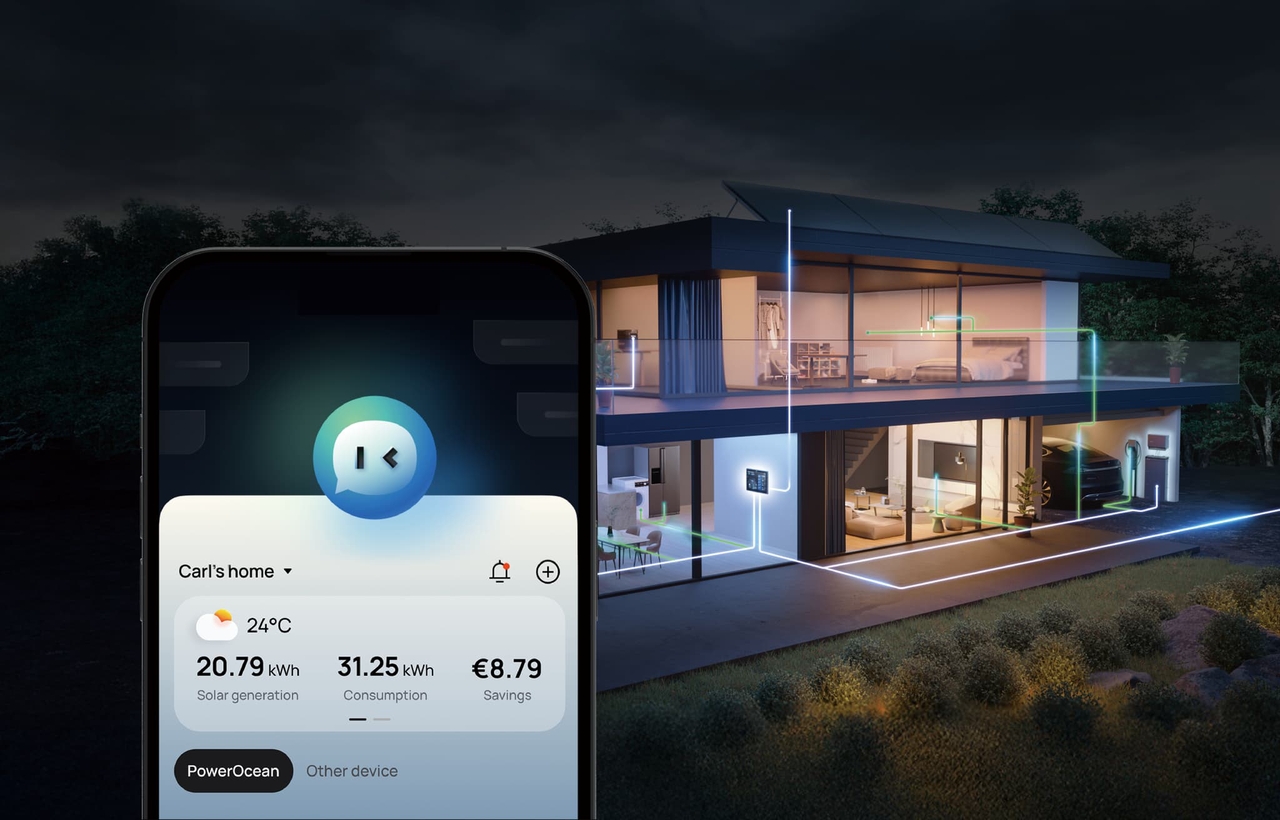
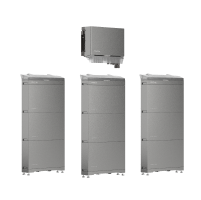
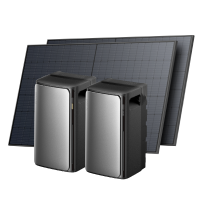
A system like EcoFlow PowerOcean Single-Phase Battery is designed exactly for this. It integrates easily with existing rooftop solar setups, making it a practical option for many South Australian homes. It features a modular design, so you can start with 5kWh and expand as your needs grow. The PowerOcean series is CEC approved, so it's fully eligible for the federal government's Cheaper Home Batteries Program, which can significantly cut the upfront cost.

To further increase efficiency, EcoFlow Intelligent HEMS adds a smart automation layer on top. It reads your real-time tariff conditions and household usage, then automatically decides whether to store energy, use it, or export it. You don't have to think about it — it just optimises in the background.
Ready to stop "donating" your solar power to the grid? Book a free consultation with our solar experts today to find the perfect battery setup for your home.
Schedule Your Free Consultation Today!
What kind of product or solution are you interested in?

Shift energy usage smartly
Smarter energy habits, often called "load shifting," can make a massive difference to your bottom line. This simply means moving your most energy-intensive tasks to match your peak solar production hours. For example, if you own an electric vehicle, you should plug it in during the day rather than overnight. You should also look at your pool pump, which is one of the biggest energy guzzlers in any backyard. Ensuring it only runs during peak solar hours prevents you from drawing expensive power from the grid for basic maintenance.
Adjust hot water system timers
Heating water is one of the highest-impact costs for any SA household. Many systems are still set to heat overnight, which means they draw expensive power from the grid while your solar panels are dormant. By simply adjusting your hot water system timer to run during the middle of the day, you can "soak up" your own solar energy instead. This is one of the lowest-cost changes you can make, yet it offers some of the biggest savings on your quarterly bill.
Conclusion
South Australia's solar feed-in tariff market in 2026 is competitive — but the rates are nothing like what early adopters enjoyed. Most plans now cap high FiT rates to the first few kilowatt-hours of daily exports, and some charge you for exporting at all. For most SA households, the smart move isn't to chase the highest headline FiT. It's to focus on using your solar power yourself — and storing what you can't use. A home battery like the EcoFlow PowerOcean, combined with smart load management, will generally outperform any marginal gain from switching retailers for a slightly better export rate. Compare the full cost of any plan — supply charges, import rates, and FiT caps together. That's where the real savings are.
FAQs
1. Are feed-in tariffs ending?
Not entirely, but they are declining. South Australia has no minimum FiT, and rates have fallen significantly over the past few years. Some retailers offer 0c/kWh on certain plans, and at least one charges for exports. Feed-in tariffs are unlikely to disappear completely, but expecting high rates going forward isn't realistic. Investing in a home battery system (like the EcoFlow Home Battery) is now the best way to save money. It allows you to store your solar energy for evening use instead of selling it back to the grid for very little.
2. What is the best solar feed-in tariff in SA for 2026?
Currently, Engie and Alinta offer some of the highest capped rates at 9–10c/kWh. However, the "best" rate depends on your system size and how much you export. Always check the daily supply charge before switching to a high-rate plan
3. Can I switch providers to get a better feed-in tariff?
Yes, you can switch at any time. It is a good idea to compare plans every six months. Just make sure the new provider doesn't charge higher prices for the electricity you buy at night to make up for it.
4. Do higher feed-in tariffs always mean more savings?
Not always. A plan with a generous feed-in tariff could also come with hefty daily supply charges. If you're not sending much power back to the grid, those fees might end up costing you more than the additional solar credits you're collecting. Always look at the total annual cost.
5. Who is the cheapest energy supplier in SA?
There is no single "cheapest" provider for everyone. Your best choice depends on your energy habits. For solar owners, a provider with low usage rates and a fair FiT, like Origin or EnergyAustralia, often provides the best overall value.