What Is a Smart Meter? Everything Australians Need to Know Before Getting One (2026 Guide)
If you’ve recently opened your power bill or had a yarn with your energy provider, chances are the term “smart meter” has popped up. Australia is currently in the middle of a massive energy shake-up, moving away from the old-school spinning discs to digital tech. But what does this actually mean for your daily life and your wallet?
In this guide, we’ll break down how smart meters work in the Australian context, the perks of making the switch, and why simply having a meter might not be enough to truly master your home’s energy efficiency.
What Is a Smart Meter and How Does It Work?
First, let’s get one thing straight: what actually is a smart meter? Unlike the old-school meters that needed a technician to come out and read them, a smart meter is a digital device that tracks your electricity usage in 30-minute blocks.
According to the Australian Energy Regulator (AER), smart meters record electricity usage at frequent intervals and enable remote data transmission for accurate billing.
It uses a secure communication network, similar to a mobile phone signal to send this data straight to your energy distributor.
Benefits of Smart Meters for Australian Households
Switching to a smart meter is the first step toward taking control of your rising cost of living. Here’s why Aussies are making the jump.
1. Real-Time Energy Monitoring
A smart meter allows you to see exactly how much juice you’re using throughout the day. However, there’s a bit of a catch: while the data is there, it’s often buried in clunky utility portals that aren’t exactly user-friendly or updated in real-time. To bridge this gap, many households are now integrating a Home energy management system(HEMS) to view and manage their usage through a single, intuitive interface.
If you want to move beyond just ‘seeing’ data and start actually managing it, many Aussie households are now pairing their meters with systems like the EcoFlow PowerInsight 2. This next-gen energy management home hub features a crisp 11-inch IPS touchscreen and acts as the ‘brain’ of your home. It centralises your grid usage, solar production, and battery storage into one sleek interface via the Matter protocol. Instead of just showing numbers, it offers AI-driven automation—automatically scheduling high-drain appliances like dishwashers or EV chargers to run when your solar is peaking or when electricity prices are at their lowest—helping you slash those quarterly bills without lifting a finger.
2. More Accurate Billing (No More Estimated Bills)
Smart meters mean no more estimated bills. Because they send your usage data automatically, your bill is based on exactly what you used.
3. Access to Time-of-Use Tariffs
With a smart meter, you can opt for “Time-of-Use” (ToU) pricing. This means electricity is cheaper during “off-peak” times (like late at night) and more expensive during “peak” periods (usually 4 PM to 9 PM). It’s a great way to save if you can shift your heavy lifting to the middle of the day or night.
4. Better Integration with Solar and Battery Systems
Australia leads the world in rooftop solar, but there’s a common frustration: sending your precious excess solar back to the grid for a measly 5c feed-in tariff, only to buy it back at 35c once the sun goes down.
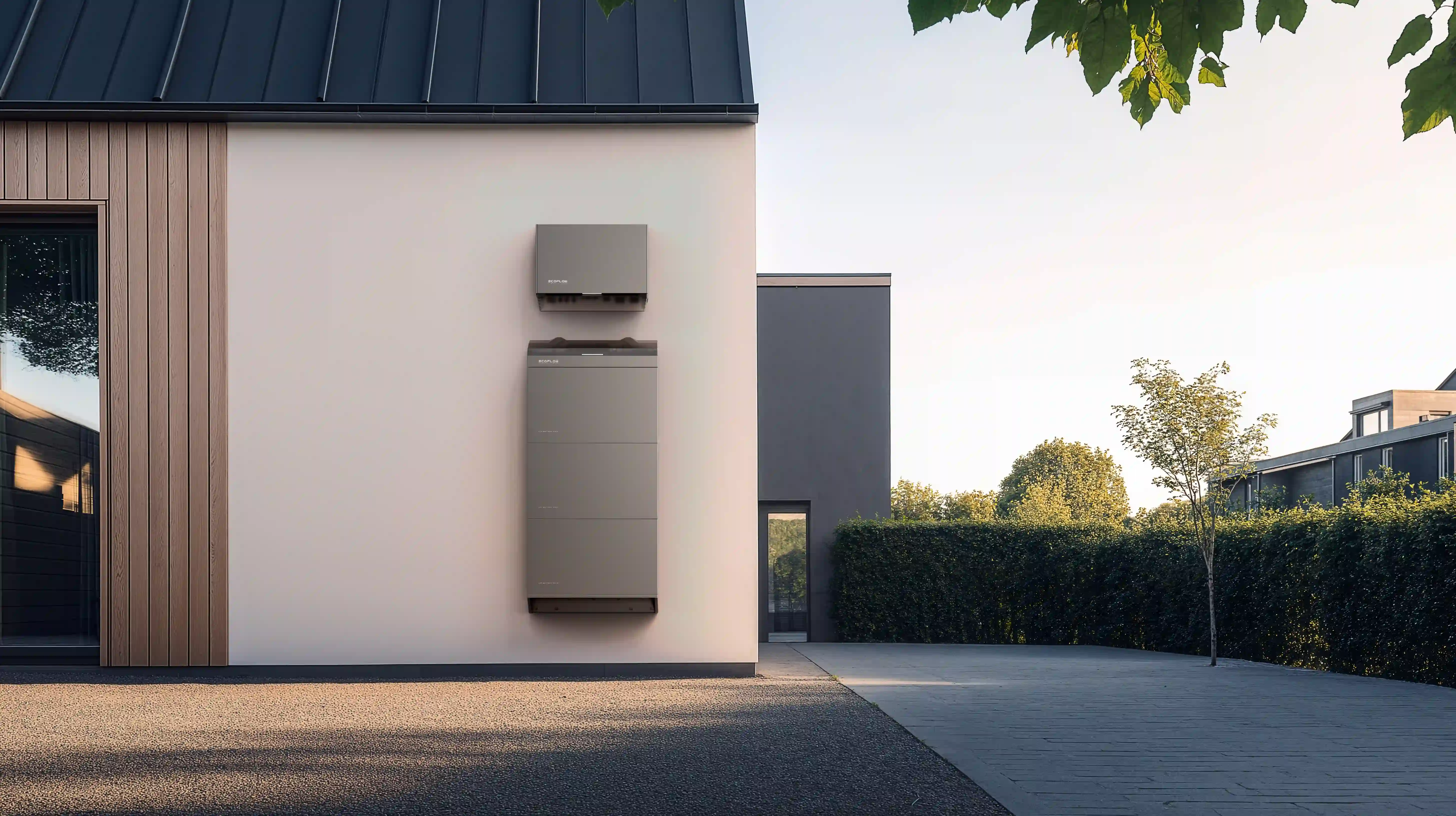
While a smart meter tracks this flow, the real key to “energy independence” is a high-efficiency storage system. Modular solutions like the EcoFlow PowerOcean(Three-Phase) work hand-in-hand with your smart meter setup. This system is a beast, offering up to 12kW of three-phase backup power and a modular design that lets you start with a 5kWh LFP battery and expand all the way to 45kWh. With a 15-year life expectancy and IP65 water resistance, it features UPS-grade seamless switching to keep your home running—even when the grid is being “a bit dodgy.”
5. Faster Fault Detection and Service
If the power goes out, your smart meter can automatically notify the distributor. This often leads to faster repairs, as they can pinpoint exactly where the fault is without waiting for a dozen neighbours to call it in.
Are There Any Downsides to Smart Meters?
It’s not all sunshine and rainbows; there are a few things to keep in mind before you book an installation.
Installation Costs and Fees: While many retailers offer “free” upgrades as part of a new plan, some might charge an upfront fee or a small daily metering charge.
Data Privacy Concerns: Because the meter tracks when you use power, some folks worry about privacy. Rest assured, the data is encrypted and regulated by strict Australian privacy laws.
Time-of-Use Pricing Risks: If you have a large family and can’t avoid using the oven and AC during the 6 PM peak, a smart meter on a ToU plan might actually increase your costs.
Smart Meter vs Traditional Meter: What’s the Difference?
| Feature | Traditional Meter | Smart Meter |
|---|---|---|
| Reading | Manual (by a person) | Remote (Automatic) |
| Data Frequency | Once every 3 months | Every 30 minutes |
| Billing | Often estimated | 100% Accurate |
| Solar Support | Basic | Advanced/Optimised |
How Much Does a Smart Meter Cost in Australia?
The cost of a smart meter in Australia is usually $0 upfront if your current meter is faulty or if your retailer is doing a planned rollout. However, if you are requesting a voluntary upgrade, you might see a fee ranging from $200 to $600 on your next bill.
The good news? The “payback period” is usually quite short. Between the removal of “estimated bill” errors and the ability to use smart management tools to hunt down “energy vampires” in your home, most Aussies find the savings far outweigh the initial cost.
.png)
Is a Smart Meter Worth It for Australian Homes?
Absolutely, especially if you fit into one of these categories:
Best for Solar Users: Essential for tracking exports and moving toward a battery-ready home.
Ideal for High Consumption: If you have a pool pump or ducted AC, the data helps you find ways to cut costs.
Useful for Smart Home Integration: If you like controlling your home via an app, a smart meter is the foundation you need.
Conclusion
A smart meter is basically your ticket into the modern energy setup in Australia. No more bill surprises, and you get access to smarter tariffs that can actually work in your favour. Just keep in mind, a meter shows you where your money’s going, but it doesn’t cut your usage for you. If you really want to take the edge off your power bill, think bigger: pair your meter with a decent management system and reliable solar batteries.
Schedule Your Free Consultation Today!
What kind of product or solution are you interested in?

FAQs
1. Do smart meters use Wi-Fi?
No, smart meters generally use their own dedicated cellular network (similar to 4G or 5G) to send data to the distributor, so they won’t clog up your home Wi-Fi.
2. Can a smart meter save you money?
Yes, by providing the data needed to switch to cheaper off-peak tariffs and eliminating overcharged “estimated” bills.
3. Are smart meters safe?
Yes, they undergo rigorous testing in Australia and emit significantly less radiofrequency than a standard mobile phone or Wi-Fi router.
4. Can I refuse a smart meter in Australia?
It depends on your state, but generally, if your old meter is broken or you are installing solar, a smart meter is mandatory under current Australian regulations.
5. Will it work during a power outage?
The meter itself stays on (often with a battery backup) to report the outage, but it won’t keep your lights on unless you have a backup system like the EcoFlow PowerOcean.
6. How often do smart meters send readings?
Most smart meters in Australia send usage data to the provider once a day, containing a breakdown of your 30-minute usage intervals.