Best Solar Feed-in Tariff NSW 2026: Compare Rates & Maximise Savings
Got solar panels on your roof in NSW? Then you're probably wondering how much you're really earning for the extra power you send back to the grid. In 2026, finding the best solar feed-in tariff in NSW can still help cut your bills, but the game has changed. Rates now range from 0c to 10c/kWh depending on your retailer and plan. This guide compares NSW solar feed-in tariff rates, explains how the system works, and shows practical ways to maximise solar savings.
What is a solar feed-in tariff in NSW?
A solar feed-in tariff is essentially the payment your electricity provider gives you for the surplus energy your solar panels generate and feed into the grid.
When your solar setup generates more electricity than your household needs, that excess energy is sent back to the grid. Your smart meter tracks this exported power, measuring it in kilowatt-hours (kWh). Your electricity retailer then applies a credit to your bill, calculated using the solar feed-in tariff in New South Wales, which can help lower your overall energy expenses.
Difference between net and gross feed-in tariffs
Net Feed-in Tariff: You are paid for the excess electricity exported after your home has consumed what it needs. The solar power first powers your home, and only the surplus is credited. This is the most common system used across New South Wales today.
Gross Feed-in Tariff: You are paid for all the electricity your solar panels produce, regardless of whether you use it in your home or export it. These are rarely offered now.
These payments help homeowners lower their electricity bills and make solar more worthwhile. On a larger scale, they help Australia move away from coal-fired power and shift towards cleaner energy sources.
Is there a minimum solar power feed-in tariff in NSW?
No. NSW no longer has a fixed minimum feed-in tariff.
The state government removed the mandatory minimum FiT back in 2016. Since then, retailers have been free to set their own rates — and they can go as low as zero.
The Independent Pricing and Regulatory Tribunal (IPART) steps in each year with a helpful benchmark range. For 2025-26, IPART suggests a flat all-day rate between 4.8 and 7.3 cents per kWh. This is just a guide to show what's reasonable. Retailers aren't required to comply with it, so it's not a strict obligation.
Retailers' actual feed-in tariffs can differ from the Independent Pricing and Regulatory Tribunal (IPART) benchmark, as they are influenced by various factors. They include:
Solar supply during daytime hours
Competition between energy providers.
Specific plan conditions or incentives.
NSW solar feed-in tariff rates by electricity retailer
As of early 2026, New South Wales feed-in tariff rates vary widely between electricity retailers. Most plans hover between 0c and 10c per kWh, though the exact figure hinges on the provider, the specifics of the plan, and any export limitations. You can find the best feed-in tariff in NSW for your system by carefully comparing offers.
Retailer comparison table (min/max FiT c/kWh):
Retailer | Min FiT (c/kWh) | Max FiT (c/kWh) |
Engie | 5.5 | 10 |
Alinta Energy | 5 | 10 |
GloBird Energy | 0 | 10 |
Sumo | 0 | 8.8 |
AGL | 4 | 8 |
EnergyAustralia | 4 | 8 |
Origin Energy | 3 | 8 |
Amber | 0 | 6.9 |
CovaU | 5.5 | 5.5 |
Energy Locals | 2 | 5 |
ActewAGL | 4.4 | 4.5 |
Red Energy | 4 | 4 |
Others | 0 | ≤3 |
The highest solar feed-in tariff NSW plans usually include conditions, such as daily export caps or higher electricity usage rates. That's why comparing the full plan is important, not just the tariff.
What to consider when choosing a solar feed-in tariff provider in NSW
Picking the right solar power feed-in tariff providers in NSW is about more than just chasing the highest rate. A great FiT can turn into a bad deal if the rest of the plan costs you more elsewhere. Here's what really matters.
Accreditation and licensing
Make sure your retailer is licensed to operate in NSW. Check they're authorised through the Australian Energy Regulator (AER). This protects you if something goes wrong with billing or if you need to dispute a charge.
Daily supply charges
The daily supply charge is the fixed cost you pay just to stay connected to the grid. Some retailers offer a "headline" 10c or 12c feed-in tariff, but then charge a much higher daily supply fee. If your system is small and you don't export much, these extra fees can quickly wipe out any solar credits you earn.
Check local compliance
New South Wales has three main electricity distributors: Ausgrid, Endeavour Energy, and Essential Energy. Some retailers only offer their best solar rates in specific network areas. Additionally, some networks like Ausgrid have introduced "export charges" during peak sun hours. You should check if your provider passes these costs or rewards through to you.
Reputation and reviews
A flashy introductory rate can change with little notice. Look at customer reviews, billing accuracy, and how easy the retailer makes it to track your usage and exports. A transparent retailer with decent tools is worth more than an extra 0.5c on the FiT.
VPP compatibility & incentives
If you have a home battery, you might be eligible for a Virtual Power Plant (VPP). Many NSW providers now offer "VPP-ready" plans. These often provide higher feed-in tariffs or fixed monthly credits in exchange for occasionally using your battery to help stabilise the grid during high-demand events.
The 2026 trend: Shifting from exporting to solar self-consumption
Here's the big shift happening in NSW right now. Most solar feed-in tariffs sit between 5c and 10c per kWh. Meanwhile, you pay around 33–37c/kWh for grid electricity. That means every single kWh you use yourself is worth roughly 4 to 7 times more than what you earn by sending it back to the grid.
Your solar panels hit peak production around midday. But that's often when many households are at work or out. So a big chunk of that free solar power gets exported at those low rates instead of saving you money at home.
Strategies to increase self-consumption
Shift energy-hungry appliances
Start by shifting energy-heavy appliances to daylight hours (between 10 am and 2 pm). Running the dishwasher, washing machine, or pool pump during the day uses your solar energy directly. EV charging can also be scheduled during solar production hours. These simple adjustments reduce how much electricity you need to buy from the grid and increase the value of your solar system.
Home battery storage
For households looking to go further, a home battery storage system is the single most effective way to maximise the value of solar in NSW today. As feed-in tariffs remain low, storing surplus daytime energy to use at night — when grid rates are highest — is the smartest way to slash your power bills and reduce reliance on the grid.
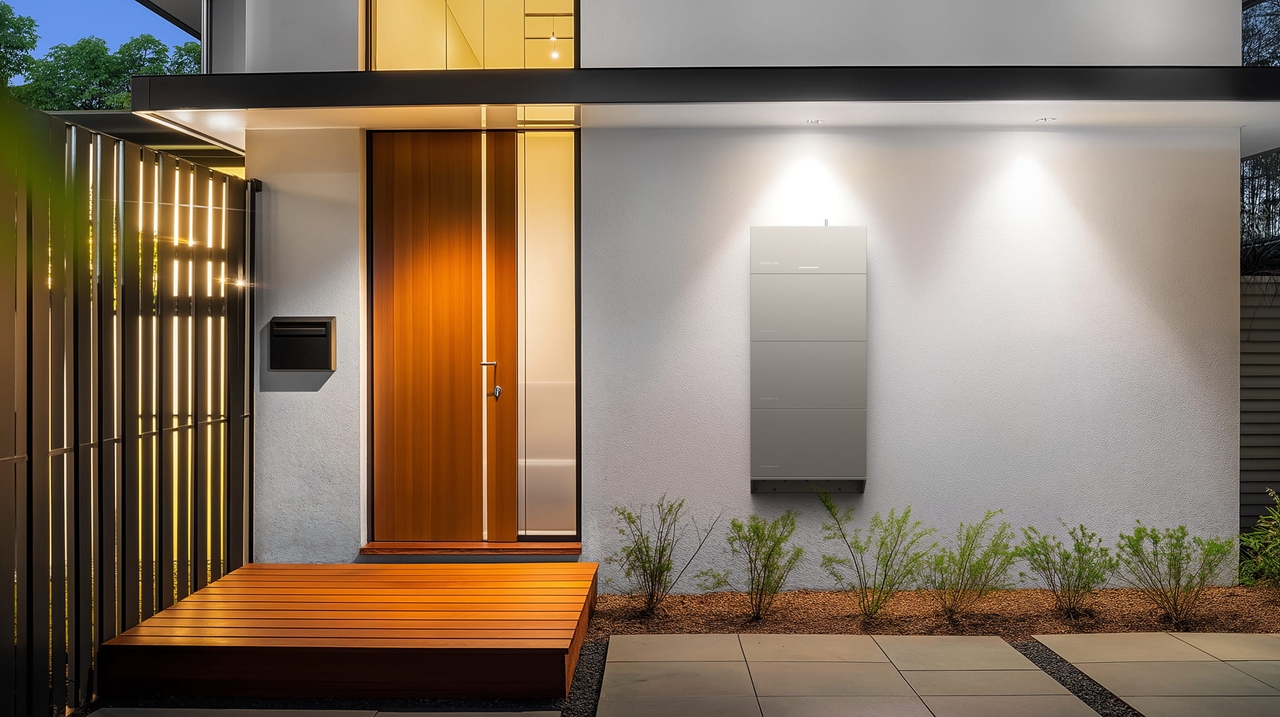
The EcoFlow PowerOcean Single-phase Battery integrates seamlessly with your existing solar system. It's modular and expandable, starting at 5kWh and scaling up to 15kWh in one inverter to suit your needs. With 6,000+ charge cycles, a 15-year warranty, and 6kW continuous power, it also delivers reliable backup during outages.
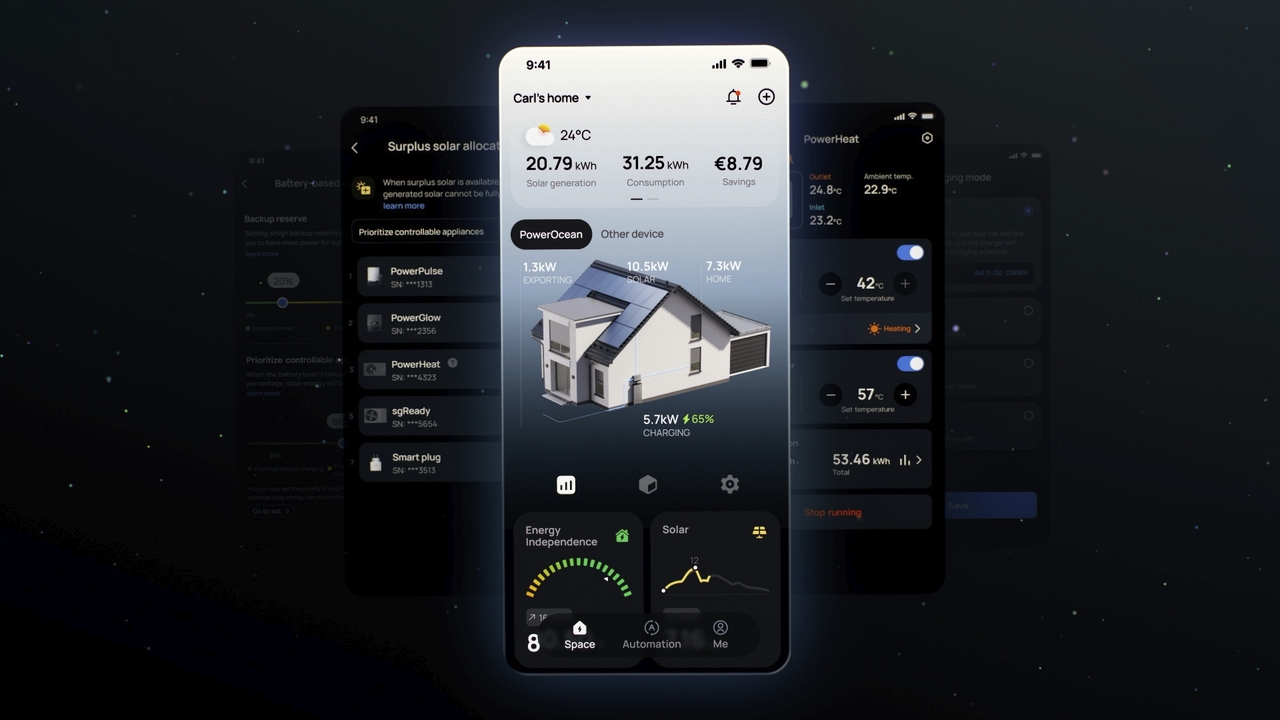
Pair it with the EcoFlow Intelligent HEMS, the smart brain of your system. It uses smart algorithms to automate your energy decisions. By adjusting to current tariff rates and your individual consumption habits, it could potentially slash your electricity costs by as much as 77.6%.
Ready to maximise your solar savings beyond NSW's best feed-in tariffs? Book a free solar battery consultation today to find the perfect setup for your home.
Schedule Your Free Consultation Today!
What kind of product or solution are you interested in?

Conclusion
Finding the best solar feed-in tariff NSW offers in 2026 is about more than just the highest rate. Retailer plans vary widely, so you must compare FiT rates alongside usage and supply charges. Since export payments remain low, many households are shifting toward solar self-consumption to maximise savings. Basic steps, such as consuming electrical energy during daytime, are beneficial. Home batteries, in turn, represent the greatest opportunity, enabling consumers to store excess solar energy produced during the day and utilize it at night. Combining a competitive NSW solar feed-in tariff with a home battery like the EcoFlow PowerOcean is the approach that delivers the most consistent savings. You earn a reasonable rate on what you export, and you keep the rest — using it at night when grid power is expensive.
FAQs
1. Is the feed-in tariff worth it?
Yes — but don't rely on it alone. FiT credits help reduce your bill, but self-consumption saves far more. Using your own solar power instead of exporting it is worth three to seven times more per kilowatt-hour.
2. Is a higher feed-in tariff always better?
Not always. A high FiT often comes with higher import rates or steeper supply charges. Compare the full plan against your actual usage. A balanced plan with cheaper electricity rates frequently delivers a lower overall bill.
3. What is the best solar feed-in plan in NSW?
Engie and Alinta Energy both offer electricity at up to 10c/kWh as of early 2026. This is the lowest price in New South Wales. GloBird Energy matches this with its premier offering. It's a good idea to look over the specific terms, like any limits on exports and the size of the system that is needed, before making a change.
4. Can I get a rebate for installing a solar battery in NSW in 2026?
Yes. The federal government's Cheaper Home Batteries Program provides a rebate on eligible battery systems installed from 2025 onwards. NSW residents can access this scheme. The EcoFlow PowerOcean is CEC-approved and fully eligible. Check current rebate amounts at the Clean Energy Regulator's website, as figures are updated regularly.
5. Can I switch my feed-in tariff?
Yes. Most NSW energy plans have no lock-in period. You can switch retailers at any time. Just make sure you compare the complete plan — FiT, import rates, and supply charges — before making the move. Use the Australian Energy Regulator's Energy Made Easy tool to compare plans based on your actual usage data.