Are Solar Batteries Worth It in Australia? (2026 Guide & Savings)
Electricity prices keep rising. Feed-in tariffs keep dropping. And with a new national rebate now in play, many Australian solar owners are asking the same question: are solar batteries worth it right now?
Yes, for most homeowners, a solar battery is now worth it — but with important caveats around your usage profile, location, and goals.
In this guide, we'll break down the real costs in 2026, how much you can save, the latest rebates, and whether it's worth getting a solar battery for your specific home.
What is a solar battery and how does it work?
Before deciding whether a solar battery is worth it, it helps to understand the basics.
A solar battery stores the extra power your panels make during the day so you can use it later. It's simple energy arbitrage. Your solar system pumps out free electricity while the sun shines, but most of us use power in the evening when prices are highest. The battery bridges that gap by holding onto daytime energy instead of sending it back to the grid for peanuts.
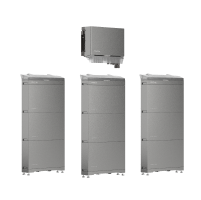
Without a battery, Aussie homes usually self-consume only 30–40% of their solar power. Adding a battery boosts your self-reliance to over 80%. Without a battery, Aussie homes usually self-consume only 30–40% of their solar power. The EcoFlow PowerOcean Single-Phase Battery is a prime example. It offers modular, high-voltage storage (up to 45kWh in three inverters). Uses safe LFP technology with an integrated 15-year safety warranty, maximizing self-reliance.

Average cost of solar batteries in Australia (2026)
Solar battery pricing is usually calculated per kilowatt-hour (kWh) of storage. When determining if it is worth getting a solar battery, the upfront cost is the biggest factor. In 2026, you can expect to pay around $1,000–$1,200 per kWh installed. This rate covers the unit and the professional setup required for Aussie homes.
Evaluate costs by system size (before federal rebate)
Battery pricing scales with storage capacity. While larger systems have a higher total price, they often benefit from a lower cost per kilowatt-hour.
Small (3–5 kWh): $4,000–$7,000 (Ideal for small units or minimal backup).
Medium (6–10 kWh): $7,000–$12,000 (Suitable for average family homes).
Large (10–15 kWh): $12,000–$16,000+ (Designed for high energy users or full energy independence).
The most popular home battery size is 10–13 kWh. This typically costs between $10,000 and $16,000 before any incentives. After applying the ~30% Cheaper Home Batteries rebate, your out-of-pocket cost drops to roughly $7,000–$11,000.
Several factors affect your final bill. These include the brand you choose and how complex the installation is. You might also need switchboard upgrades or specific hardware for backup power. Having a hybrid inverter already installed can also lower your total cost.
Who should get a solar battery and when is it worth adding one?
Not every home benefits equally, so instead of asking generally if solar batteries are worth it, it's better to look at specific situations.
Who should consider
High evening or night-time energy users
If your household runs dishwashers, dryers, and air conditioning after 5 pm, you're spending a lot buying back power from the grid. A battery changes that completely.
Homes on Time-of-Use (ToU) tariffs
These plans charge more during peak periods (usually 3–9 pm). A battery lets you avoid those rates entirely by running off stored solar instead.
EV owners
Charging a car overnight on grid power is expensive. Charge it from a battery topped up by solar during the day, and your fuel cost effectively drops to near zero.
Big electricity bills
Big quarterly bills over $500 usually mean there's room for serious savings. A battery can cut hundreds of your annual costs by boosting self-consumption.
People who want backup power
Ideal if you want to keep the lights on during blackouts. A battery provides peace of mind and keeps your fridge running when the rest of the street goes dark.
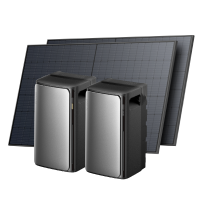
Ready to cut power bills and take control of your energy? Get a free solar battery quote for an EcoFlow home battery today and see how much you could save.
Schedule Your Free Consultation Today!
What kind of product or solution are you interested in?

When is it worth adding
Low Feed-in Tariffs
If you're exporting solar power for less than 10c/kWh due to falling solar feed-in tariffs, storing that energy becomes far more valuable. This shift is a major reason why the solar battery is worth it for many Australians today.
Available rebates
Right now is the "sweet spot" for Aussie incentives. The current federal and state rebates can knock thousands off your upfront costs, making the 2026 payback period much shorter.
Staying in the home long-term
It's worth it if you plan to stay in your home for 5-10+ years. This gives the system enough time to pay for itself entirely through the massive savings on your quarterly power bills.
Future-proofing
Adding a battery prepares your home for rising energy prices, EV adoption, and changing tariffs. It also increases energy flexibility as technology continues to evolve.
Financial benefits of solar batteries
Investing in a solar battery in 2026 isn't just about going green — it's about taking control of your household budget. By keeping your energy at home, you turn your roof into a personal power station that pays dividends every day.
Slash your electricity bills
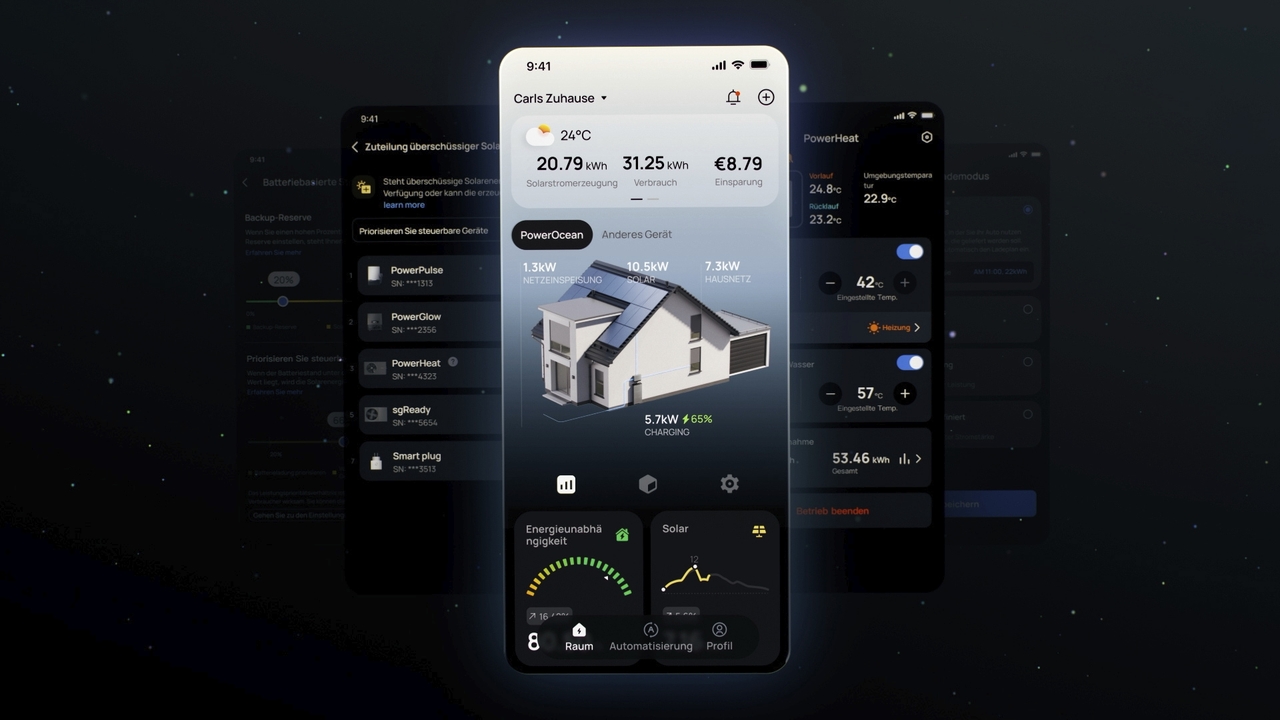
The biggest win is moving away from expensive grid power. By shifting 10 kWh of daily use from peak rates to your "free" stored solar, you can save between $800 and $1,500+ per year. To get the most out of every drop of energy, need smart systems like the EcoFlow HEMS. It uses AI to predict your home's energy consumption and solar production. This system can save you up to 77.6% on your electricity bill by combining solar and storage. It also automatically optimises charging and discharging to avoid high-tariff periods.
Increased self-consumption
Without a battery, most Aussie homes only use about 30% of the solar they generate. The rest is sent back to the grid for a tiny credit. A battery flips this, increasing your self-consumption to 70–90%. You essentially stop "donating" your power and start using it yourself.
Protection against rising prices and tariff changes
Electricity prices are still climbing in 2026. A battery acts as a shield against these surging tariffs. It also protects you from falling feed-in rates. You can bank your free solar energy during the day. Then, you simply use it at night to stay ahead of rising costs.
Potential VPP earnings
By joining a Virtual Power Plant (VPP) in participating states, your battery becomes part of a huge, shared network. You can export energy when wholesale prices are high. This lets you earn extra revenue. SA, NSW, and VIC all have active VPP programs worth checking out.
Solar battery rebates in Australia (2026)
Rebates play a big role in making solar batteries more affordable in 2026. They can reduce upfront costs and improve payback time for many households.
Federal Cheaper Home Batteries Program
This national scheme provides a massive upfront discount of roughly $311 per usable kWh (valid until 30 April 2026). From 1 May 2026, the rate drops to approximately $252 per kWh and moves to a tiered structure. This means the full rebate applies to the first 14 kWh, with reduced rates for larger systems.
To access the rebate, your battery must be CEC-approved. The EcoFlow PowerOcean series is fully CEC-approved, making it eligible for the Cheaper Home Batteries Program discount straight out of the box.
State/territory extras
While the federal rebate does heavy lifting, many states offer extra "sweeteners" to help you get over the line. These range from zero-interest loans to cash bonuses for helping stabilize the local grid.
State / Territory | Key Incentive | 2026 Status & Details |
VIC | Interest-free Loans | Borrow up to $8,800 interest-free via Solar Victoria to cover upfront costs. |
NSW | VPP Connection Bonus | Earn a cash payout or bill credit by connecting your battery to a Virtual Power Plant. |
QLD | Federal Stacking | The old "Booster" grant is closed, but you can still stack federal discounts with energy concessions. |
SA | REPS Incentives | Get up to $2,000 in incentives for enrolling your battery in an approved VPP. |
WA | WA Battery Scheme | Rebates of $1,300 (Synergy) or $3,800 (Horizon) plus interest-free loans up to $10,000. |
ACT | Next Gen Storage | Access sustainable energy grants and zero-interest loans through the Brighte program. |
Solar battery payback period in Australia
The primary reason the question "are solar batteries worth it?" has changed in 2026 is the rapid reduction in payback time. Most systems now pay for themselves in 3 to 5 years. Prices change based on the size, brand, model, and installation, and yearly savings depend on how much energy you use and the local electricity rates.
Here's a realistic sample payback scenario for a 5–30 kWh battery after the federal rebate (approximate figures for average Aussie homes):
Battery Size | Net Cost (After 2026 Rebates) | Est. Annual Savings | Payback Period |
5 kWh | ~$4,500 | $1,000 | 4.5 Years |
10 kWh | ~$7,800 | $1,900 | 4.1 Years |
13 kWh | ~$9,800 | $2,600 | 3.8 Years |
20 kWh | ~$15,500 | $3,800 | 4.0 Years |
30 kWh | ~$22,000 | $5,500 | 4.0 Years |
Conclusion
So, is a solar battery worth it in 2026? For most Australian households, the answer is a resounding yes. High grid prices and the Federal Cheaper Home Batteries rebate have shifted the narrative. What was once a luxury is now a savvy financial move. Many homes now see a payback period as short as 3 to 5 years.
By choosing a modular system like the EcoFlow PowerOcean, you are securing energy independence. You stop "donating" your solar harvest to the grid for tiny credits. Instead, you start powering your home on your own terms. A battery is the missing piece of the puzzle. It helps you slash bills, avoid blackouts, and future-proof your home for an EV.
FAQs
1. Is it worth getting a solar battery in 2026?
Yes. High electricity prices and the 30% federal rebate make the 2026 payback period very short. Most Aussie homes now see a return in 3–5 years. Modern systems maximize these savings with smart energy management.
2. How long do solar batteries last?
Most quality LFP batteries last 10–15 years before capacity degrades noticeably. The EcoFlow PowerOcean backs this up with a 15-year warranty. Avoid older NMC chemistry — LFP handles Australia's heat far better and has a stronger long-term safety record.
3. Can I add a battery to my existing solar system?
Absolutely. You can add an "AC-coupled" battery to almost any existing solar array. EcoFlow offers flexible solutions that work with your current setup. This allows you to upgrade to energy independence without replacing your old solar panels or inverter.
4. How many solar panels are needed for a 10kW battery?
A 10kW solar system typically needs 23 to 30 solar panels to charge a 10kWh battery. This assumes you use the modern 370W–440W+ panels. Such an array generates 35–45 kWh daily. It is ideal for charging your battery while powering your home.
5. What is the average cost of a 10kW solar battery?
In 2026, a 10kW battery costs between $10,000 and $13,000 installed. After the federal rebate, the out-of-pocket price is roughly $7,000 to $9,500. Modular storage options often provide the best value by allowing you to expand later.