
Solar Energy for Home: How It Works, Benefits, and Costs
Solar energy for homes provides a way to generate electricity directly from sunlight and use it for everyday household needs. A residential solar system can power appliances, lighting, heating, cooling, and other electrical loads. When paired with home battery storage, it can also support essential loads during outages. Understanding how solar systems work, their benefits, costs, and storage options can help homeowners evaluate whether solar is suitable for their property.
How does solar energy work for homes?
Residential solar systems use photovoltaic (PV) panels to convert sunlight into electricity. The electricity passes through an inverter before powering household appliances. Depending on the setup, excess electricity can be stored in a battery or sent to the utility grid.
Step 1: Solar panels capture sunlight
Solar panels contain photovoltaic cells that absorb sunlight and generate direct current (DC) electricity. Their output depends on factors such as sunlight availability, shading, weather, orientation, and time of day.
Step 2: The inverter converts electricity
The inverter converts the DC electricity produced by solar panels into alternating current (AC) electricity, which household appliances and electrical systems can use.
Step 3: Solar power supplies household loads
Once converted, electricity flows through the home's electrical system to power appliances, lighting, HVAC equipment, electronics, and other household loads.
Step 4: Excess electricity is exported or stored
When solar production exceeds household demand, surplus electricity can be exported to the utility grid or stored in a compatible battery for later use.
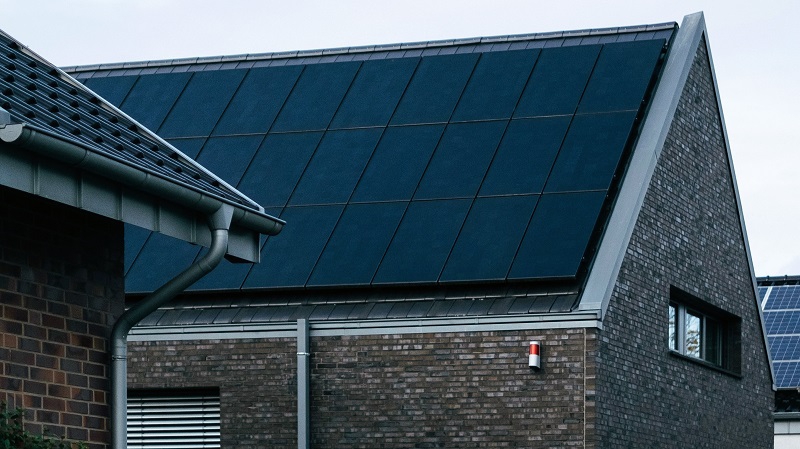
What can home solar energy power?
Home solar systems can support many everyday electrical needs, depending on the system’s capacity and household consumption. From appliances and lighting to EV charging and backup loads, solar power can be used across different areas of a home.
Load Category | Typical Examples | Sizing & Design Considerations |
Everyday household appliances | Refrigerators, washing machines, televisions, computers, dishwashers, and other equipment. | Required solar capacity depends on each appliance's power consumption and operating time. |
HVAC systems | Heating, ventilation, and air conditioning systems. | These consume significant electricity. A properly sized solar installation can help supply these loads, although high-demand HVAC equipment may require a larger solar array. |
Lighting and electronics | Indoor and outdoor lighting, televisions, computers, routers, chargers, and other electronics. | These are relatively smaller loads and can be prioritized when designing a battery-backed system. |
Electric water heaters | Electric water heaters. | Solar power can cover a substantial household load. Alternatively, solar thermal systems can heat water directly using sunlight rather than generating electricity first. |
EV charging | Electric vehicles. | Charging during periods of strong solar production can allow more of the generated electricity to be used directly by the household. |
Essential loads during outages | Essential appliances and circuits. | When paired with battery storage and suitable backup equipment, stored energy can keep these loads operating during power outages. The supported loads depend on system capacity and configuration. |
What are the benefits of using solar energy for a home?
Home solar can offer several practical advantages beyond generating electricity. The value of a residential system depends on household consumption, local electricity rates, available sunlight, system size, and whether battery storage is included.
Lower electricity consumption: Generating electricity on-site can reduce the amount of power a household needs to purchase from its utility.
Potential long-term energy savings: Solar can reduce electricity purchases over time, potentially lowering household energy expenses.
Energy resilience: A solar system paired with battery storage can provide power when the utility supply is interrupted.
Reduced emissions: Solar panels generate electricity without directly producing emissions during operation. Using more solar-generated electricity can reduce a home's reliance on electricity produced from conventional fossil-fuel-based generation.
Do you need a solar battery?
A solar battery is not essential for every home, but it can be useful for storing excess solar power, using more solar energy later, and supporting household loads during outages.
Scenario A: A solar-only system
A solar-only system, usually connected to the utility grid, suits homeowners who mainly want to generate electricity during daylight hours and reduce electricity purchases. Without battery storage, unused solar power may be exported to the grid under applicable utility arrangements.
The system generally has fewer components and a lower upfront cost than a solar-plus-battery setup, but it typically cannot provide backup power when the grid goes down.
Scenario B: A solar + battery system
A solar-plus-battery system stores electricity generated by solar panels, so it can be used when solar production is low or unavailable. It can also provide backup power during outages when installed with compatible backup equipment. The appropriate battery capacity depends on household consumption, solar generation, desired backup duration, and the loads you want to support.
EcoFlow OCEAN Pro Home Solar Battery is an all-in-one home solar battery system designed to integrate with solar, the grid, and additional backup sources. It can be considered by homeowners looking for expandable storage and energy resilience.
Up to 40 kW solar input: Supports substantial solar generation for larger residential energy systems.
Up to 24 kW continuous output: Provides substantial power capacity, depending on the system configuration.
10 kWh to 80 kWh storage: Starts at 10 kWh and can be expanded to 80 kWh using additional battery units.
Whole-home backup focus: Designed for homeowners who want to support larger household loads during utility interruptions.

Get Your Free Home Energy Consultation!
Which energy solution are you interested in?
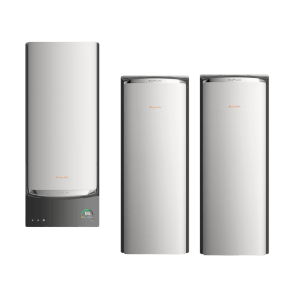

OCEAN Pro capacity and features make it an option worth evaluating when energy resilience, expandable storage, and broader backup coverage are important considerations. So, kickstart your journey by contacting our professional team.
How to choose the right solar energy system for your home?
Choosing a residential solar system requires looking at your electricity needs, property conditions, storage preferences, equipment, warranties, installers, and applicable local requirements before making a decision.
Assess your electricity consumption
Review your electricity bills to understand monthly and seasonal usage. Identify high-consumption appliances and determine when your household uses the most electricity to help size the system appropriately.
Check your roof
Evaluate available roof space, orientation, shading, roof condition, and structural suitability. A professional assessment can help determine how much solar capacity the property can reasonably accommodate.
Decide whether you need battery storage
Consider whether you want to use stored solar electricity after sunset or maintain power during outages. Your electricity usage, backup requirements, and budget can influence this decision.
Size the system appropriately
Solar capacity should reflect household electricity consumption, available sunlight, roof space, and expected future needs. Oversizing or undersizing a system can affect how effectively generated electricity is used.
Compare equipment, warranties, installers, and local requirements
Compare solar panels, inverters, batteries, warranties, installation services, permits, utility requirements, and available incentives. Choosing compatible equipment and a qualified installer can simplify system installation and ongoing maintenance.
Conclusion
Solar energy for homes can help homeowners generate electricity for everyday needs while reducing reliance on utility-supplied power. The right system depends on electricity consumption, roof conditions, available sunlight, budget, and local requirements. Adding battery storage can provide greater flexibility by storing excess solar electricity for later use and supporting essential loads during outages. Homeowners considering a solar-plus-storage setup can evaluate options based on their desired capacity, backup needs, and energy resilience goals. Careful system sizing, equipment selection, professional installation, and an understanding of local regulations can help ensure the system aligns with the home's long-term energy needs.
FAQs
How much solar do I need to run a house?
The required solar capacity depends on household electricity consumption, sunlight availability, roof space, system efficiency, and seasonal demand. Reviewing electricity usage is the starting point for determining an appropriate system size.
What are 5 disadvantages of solar power?
Five common disadvantages include upfront installation costs, dependence on sunlight, roof or space requirements, equipment maintenance and replacement, and additional costs when battery storage is included for backup or energy storage.
Is it worth getting solar power for your house?
Solar energy may be worthwhile when electricity costs, sunlight conditions, installation expenses, available incentives, and household consumption support favorable long-term economics. Battery storage can add value when backup power or energy resilience is important.

