
Home Electric Vehicle Charging Implications Explained
Electric vehicle ownership is growing rapidly, but many drivers still worry about the real home electric vehicle charging implications before making the switch. From installation costs and electrical upgrades to charging speed and energy management, setting up electric vehicle charging at home requires careful planning. Choosing the right setup can help you avoid expensive upgrades, reduce charging costs, and improve long-term efficiency. Integrating a high-performance EV charger into your home setup solves these pain points by offering speed, safety, and smart energy management.
How does home EV charging work?
Home EV charging works by drawing electricity from your home’s electrical system and transferring it to your vehicle’s battery. Most home chargers use alternating current (AC) power from the grid. The vehicle’s onboard charger then converts the AC electricity into direct current (DC), which the battery can store.
There are generally two types of home charging setups:
Level 1 charging: Uses a standard 120V outlet. This is the slowest method, adding about 4-5 miles of range per hour, suited for low-mileage drivers.
Level 2 charging: This is the standard for most dedicated home setups, utilizing a 240V circuit. Level 2 stations offer significantly more power, providing roughly 25–40 miles of range per hour.
When you plug in your EV, the charger communicates with the vehicle to safely regulate power delivery. The onboard charging system controls the flow of electricity to prevent overheating, overcharging, and battery damage.
Key implications of electric vehicle charging at home
Transitioning to home charging involves several technical and financial considerations:
Electrical requirements and panel Capacity
One of the biggest home electric vehicle charging implications is whether your home’s electrical system can support EV charging. Most Level 2 chargers require a dedicated 240V circuit to operate efficiently.
Homes with older 100-amp electrical panels may struggle to handle the additional load of EV charging, especially if multiple appliances are already running simultaneously. In many cases, a 200-amp panel is better equipped to support electric vehicle charging at home.
An electrician typically performs a load calculation to determine whether your panel has enough capacity. This assessment helps prevent overloaded circuits and reduces the risk of electrical hazards.
Installation costs
Installing a home EV charger involves more than just purchasing the charging unit. Costs can vary depending on the complexity of the installation.
Typical expenses may include:
Charger unit: approximately $400–$700 or more.
Basic installation: around $250–$2,500.
Permit fees and inspections.
Additional wiring or trenching if the charger is far from the electrical panel.
If your garage already has a nearby 240V outlet, installation costs may stay relatively low. However, complex installations can significantly increase total expenses.
Panel upgrades
Some homes require electrical panel upgrades before a Level 2 charger can be installed safely. This is especially common in older homes with outdated electrical systems or homes already operating near maximum electrical capacity.
Panel upgrades can cost anywhere from $1,500 to $5,000 or more, depending on labor, equipment, and local electrical codes.
In some situations, smart load management systems can help avoid a full panel upgrade by automatically balancing household electricity usage during EV charging.
Ongoing electricity costs and Time-of-Use rates
Charging at home is significantly cheaper than refueling with gasoline or using public DC fast chargers, but your monthly electricity bill will increase. The key to minimizing that increase is time-of-use (TOU) rate plans, which many utilities now offer specifically for EV owners. By scheduling charging during off-peak hours — typically late night to early morning — you can dramatically reduce the per-kWh cost. Some utilities offer EV-specific plans that can cut charging costs by 30 to 50 percent compared to daytime rates.
Safety considerations
Safety is essential when setting up electric vehicle charging at home. EV chargers should always use dedicated circuits designed to handle the charger’s power requirements.
Important safety practices include:
Avoid using extension cords.
Hire a licensed electrician for installation.
Use chargers with built-in overcurrent and overheating protection.
Ensure outdoor chargers are weather-resistant if installed outside.
Modern charging systems also include safety features that automatically stop charging if faults or temperature issues are detected.
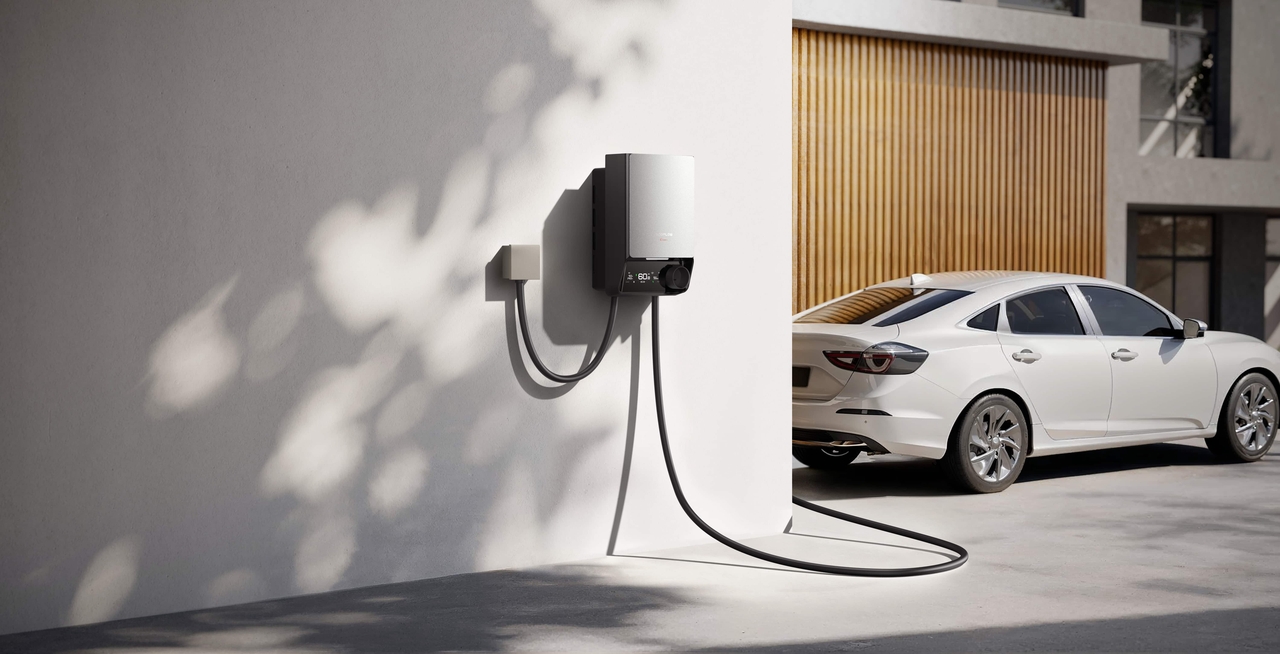
For homeowners seeking a smarter charging solution, the EcoFlow OCEAN EV Charger delivers an 11.5kW / 48A output, adding up to 46 miles of range per hour—fast enough to top off your battery overnight with ease. Built for long-term reliability in any environment, the unit features a NEMA Type 4 rating for weather resistance and an IK10 protection rating for high impact durability, all backed by a 5-year warranty.
Installation process and best practices
Setting up home EV charging involves more than simply mounting a box on the wall. Here is a clear step-by-step process:
Assess your electrical panel: Before installation begins, a licensed electrician should inspect your electrical panel to determine whether it can support a Level 2 charger. Load calculations help identify whether upgrades are necessary.
Hire a licensed electrician: Professional installation is strongly recommended for home EV chargers. Electricians ensure the wiring, circuit breakers, and grounding systems meet local electrical codes and safety requirements.
Obtain permits: Most jurisdictions require permits for 240V circuit installations. Skipping this step can create insurance and resale complications.
Choose the charger location: Garages are ideal for weatherproofing and security, but outdoor-rated chargers work for driveways too. Proximity to the panel reduces wiring costs.
Test the system: After installation, verify the proper function with a charging session and confirm the circuit handles load without tripping breakers.
Factors that affect installation complexity
Several factors can influence installation difficulty and total cost:
Distance from the electrical panel.
Availability of existing 240V outlets.
Wall construction and accessibility.
Local building and electrical codes.
Outdoor versus indoor installation requirements.
Tips for a smart installation
Choose a smart charger with app-based control, scheduling features, and energy monitoring.
Future-proof your installation by running conduit that can support higher-amperage wiring if you upgrade your vehicle later.
Consider a charger that integrates with your home energy management system for maximum efficiency.
Benefits and potential drawbacks of home EV charging
Electric vehicle charging at home offers convenience and savings, but understanding the benefits and drawbacks helps homeowners make smarter long-term EV charging decisions.
Benefits
Convenience: One of the biggest advantages of electric vehicle charging at home is convenience. Drivers can charge overnight and start each day with a fully charged battery.
Lower per-mile costs: Charging at home is generally far cheaper per mile compared to gasoline-powered vehicles and public fast charging networks.
Environmental benefits: By using home charging, you can better manage your energy usage, especially if paired with home solar panels to reduce your carbon footprint.
Increased property value: As EV adoption grows, a pre-installed home charging station is a highly attractive feature for modern homebuyers.
Vehicle-to-Grid potential: Advanced EV systems may eventually support vehicle-to-grid (V2G) functionality, allowing EVs to send stored energy back to the home or electrical grid when needed.
Drawbacks
Upfront costs: The initial investment for a quality Level 2 charger and professional electrical installation can be significant.
Possible electrical upgrades: Older homes may require a panel upgrade to 200 amps to safely handle the continuous high-power draw.
Slower than public DC fast charging: Level 2 home charging is overnight-speed, not the 20-minute top-up of a DC fast charger.
Increased electricity usage: Your monthly bill will rise, though net savings versus gasoline are typically significant.
Long-term savings
Despite upfront costs, home EV charging typically pays back through fuel savings within two to four years for most drivers. Utility rebates can substantially reduce the initial investment, accelerating the payback period.
How smart home energy management enhances your EV charging setup
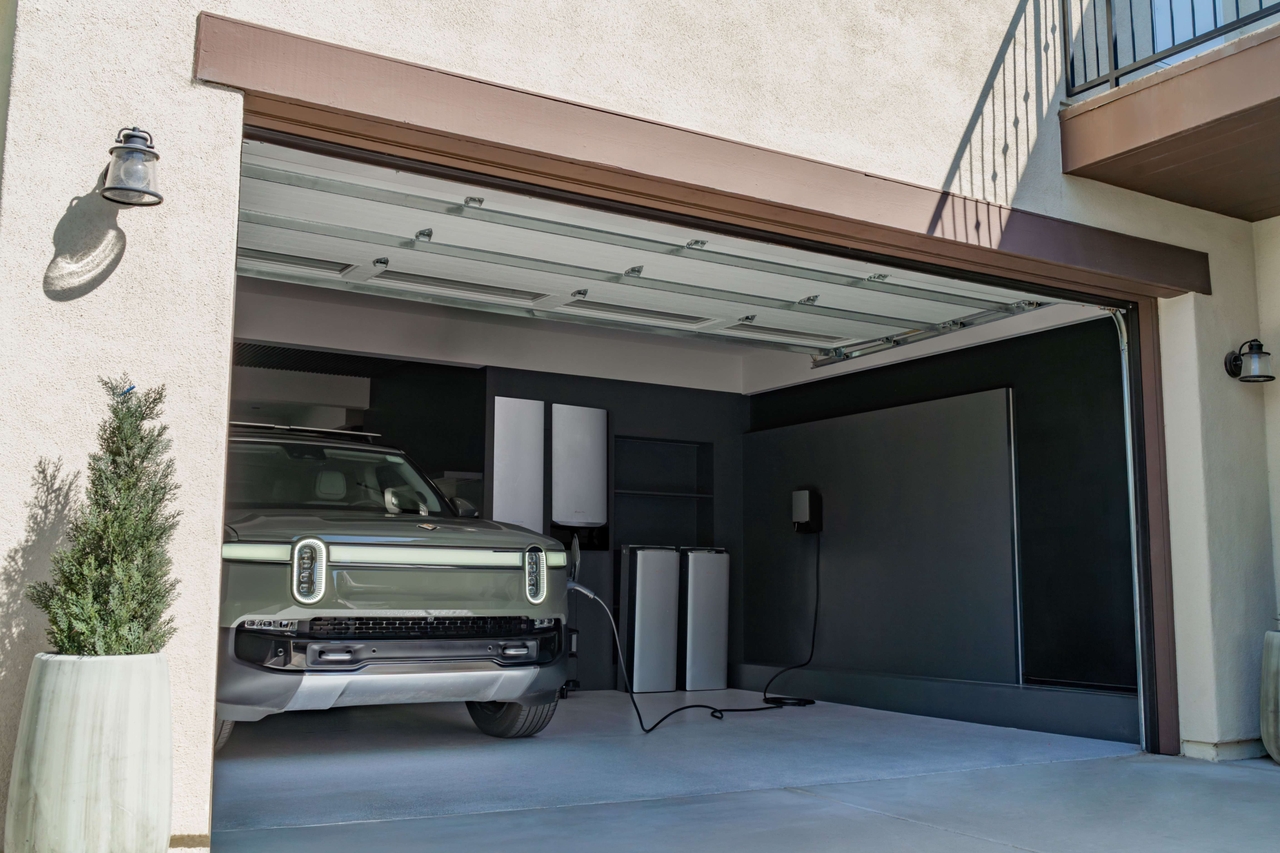
A standalone charger gets the job done — but integrating it with a smart home energy management system takes home EV charging to a significantly higher level of efficiency, resilience, and cost savings. Smart home energy management transforms your EV charger from a simple plug-in device into an intelligent part of your home's energy ecosystem. By monitoring your total power consumption in real time, smart systems automatically schedule EV charging during off-peak rate windows and throttle the load when other appliances are running heavily, preventing demand charges and protecting your electrical panel. Pair that with solar integration, and your system can prioritize daytime solar generation for EV charging, then draw from the grid at the cheapest overnight rates when the sun goes down — maximizing self-sufficiency while minimizing your monthly bill.
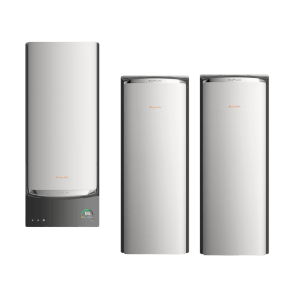
For homeowners who want the next level of resilience, the EcoFlow OCEAN Pro acts as a true home energy hub. With 24kW continuous output, 205A LRA surge capacity, and scalable battery storage from 10kWh up to 80kWh, it simultaneously manages your home's critical loads and EV charging without compromise.
Conclusion
Understanding the home electric vehicle charging implications before you install a charger sets you up for long-term success. From evaluating your electrical panel and budgeting for installation to choosing a smart charger that integrates with your home energy system, every decision affects your convenience, costs, and safety.
The upfront investment is real, but so are the returns: lower fuel costs, the comfort of waking up to a full charge every morning, and the resilience of a well-designed home energy ecosystem. With solutions like the EcoFlow OCEAN EV Charger and OCEAN Pro working together, home EV charging becomes not just a practical necessity but a genuinely smarter way to power your life.
Ready to upgrade your home EV charging setup? Schedule a free consultation with an EcoFlow energy expert today to find the right charging and smart energy solution tailored to your home, vehicle, and future energy needs.
Get Your Free Home Energy Consultation!
Which energy solution are you interested in?
FAQs
1. Is it worth installing an EV charger at home?
Absolutely. It offers the ultimate convenience of overnight fueling and is significantly cheaper than public charging. Over time, the savings on fuel and the added property value far outweigh the initial installation costs.
2. What is the 80% rule for EV?
The 80% rule suggests charging your EV battery to around 80% for daily driving instead of 100%. This helps reduce battery stress, improves long-term battery health, and can extend the overall lifespan of the battery pack.
3. How long does it take to charge an EV at home?
On a Level 2 charger like the EcoFlow OCEAN, most EVs take 6–10 hours to reach a full charge. A standard wall outlet (Level 1) is much slower, adding only 3–5 miles of range per hour, which can take days for a full battery.
4. Does installing a home EV charger increase property value?
Yes. As EV adoption rises, home chargers have become a highly sought-after amenity. Real estate data suggests that homes with pre-installed Level 2 charging infrastructure sell faster and often command a premium price.
5. How does home EV charging affect my monthly electricity bill?
Expect to add roughly $50–$65 per month for average daily driving. Enrolling in a time-of-use or EV-specific rate plan and charging overnight can reduce that by 30–50%, keeping costs well below equivalent gasoline spending.

