
Old Home Renovation Ideas: Complete Guide for Modern Living
Old home renovation can make an aging property safer, cozier, and more energy-efficient. You can upgrade your house to suit the demands of a modern lifestyle while maintaining classic architectural features with a well-thought-out renovation. Additionally, it's the perfect opportunity to increase energy resilience by integrating a smart home battery backup system to better control power consumption, lower electricity costs, and be ready for blackouts. Here's a complete guide for modern upgrades for better living.
Why modern homeowners are choosing renovation over rebuilding
Unique architectural details and historical charm.
Many older homes have craftsmanship and design elements that are hard or costly to recreate. Renovating instead of rebuilding allows homeowners to preserve those timeless features and at the same time enhance comfort, function and safety.
Sustainable reuse of existing structures.
Demolition and rebuilding are often less environmentally responsible than renovating an existing home. Reuse of structural components reduces construction waste, the demand for new building materials, and the carbon footprint of the manufacturing and transportation of new materials.
Opportunity to customize layouts and technology
Older homes were designed for lifestyles that differ significantly from today's needs. Renovation is an opportunity to design open floor plans, add storage solutions, improve accessibility, expand living areas and incorporate smart home technologies.
Things to consider before starting an old home renovation
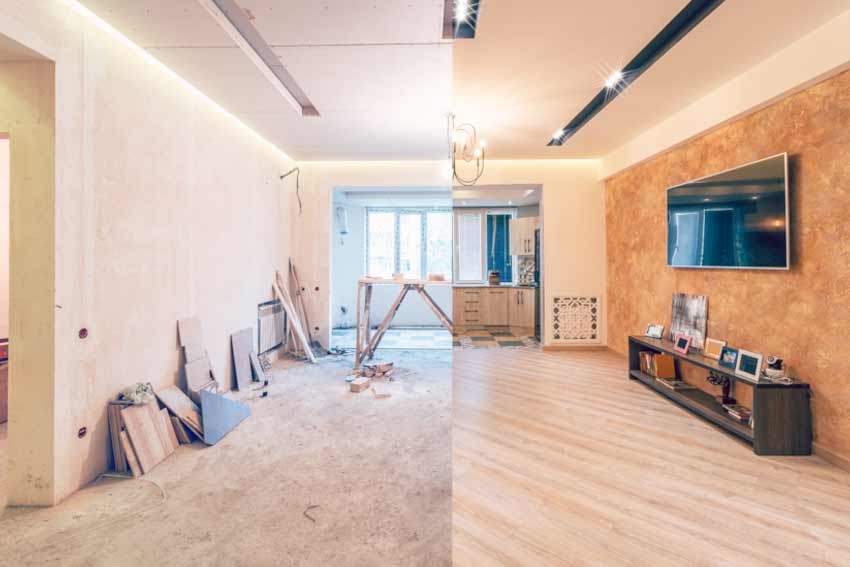
Conduct a detailed home inspection
Before beginning any renovation, have a thorough inspection to get a sense of the home's condition. A professional home inspection should cover the foundation, roof, plumbing, electrical wiring, HVAC systems, insulation, structural framing, moisture intrusion, and pest damage. Older homes can have issues hidden behind walls or underneath flooring, and finding these early can avoid surprise expenses in the middle of construction.
Identify the home's original features
Take the time to preserve architectural details like original hardwood floors, built-in cabinets, exposed beams, vintage doors, and decorative trim, especially in Colonial homes and Craftsman homes. Restoring these features maintains the home's unique character while blending classic craftsmanship with modern living. Consider local architectural styles, climate, and regional materials to ensure the renovation feels authentic.
Create a renovation plan that blends old and new
A good renovation is a blend of preservation and thoughtful modernization. Determine which areas need total renovation and which are just restoration. Design upgrades that enhance the function of the home but not its initial design.
Plan the budget and renovation timeline
Contingency planning is vital, as older homes often have hidden repairs that only come to light once renovation begins. A realistic budget includes labor, materials, permits, inspections, and a reserve fund for the unexpected; typically 10% to 20% of total renovation cost.
6 renovation ideas for old homes to start with
Upgrade electrical systems for modern living
Many older homes have electrical systems that are far behind today's standard appliances, electronics, and smart devices. Upgrading old wiring, circuit breakers, outlets, and electrical panels will enhance safety and performance.
Restore original architecture features
Focus on restoring craftsmanship where possible, rather than replacing what was originally done. Refinish hardwood floors, keep decorative moldings, original doors, brick fireplaces, and preserve exposed wooden beams to keep the home's authentic character. Retained architectural details, neutral colors, modern furnishings, and updated lighting create a timeless interior that feels both classic and contemporary.
Integrate home battery backup and energy storage solution
The best time to upgrade your home's energy infrastructure with a whole-home battery backup system is during a renovation. Battery backup provides electricity in case of a power outage, helps reduce use of the grid during peak pricing, and supports greater energy resilience during outages.
The EcoFlow Ocean Pro is a whole-home energy ecosystem that is designed to upgrade older homes with dependable backup power, smart energy management, and energy savings for the long term. Homeowners can begin with 10 kWh of Lithium Iron Phosphate (LFP) battery storage and scale up to 80 kWh as their energy requirements increase.
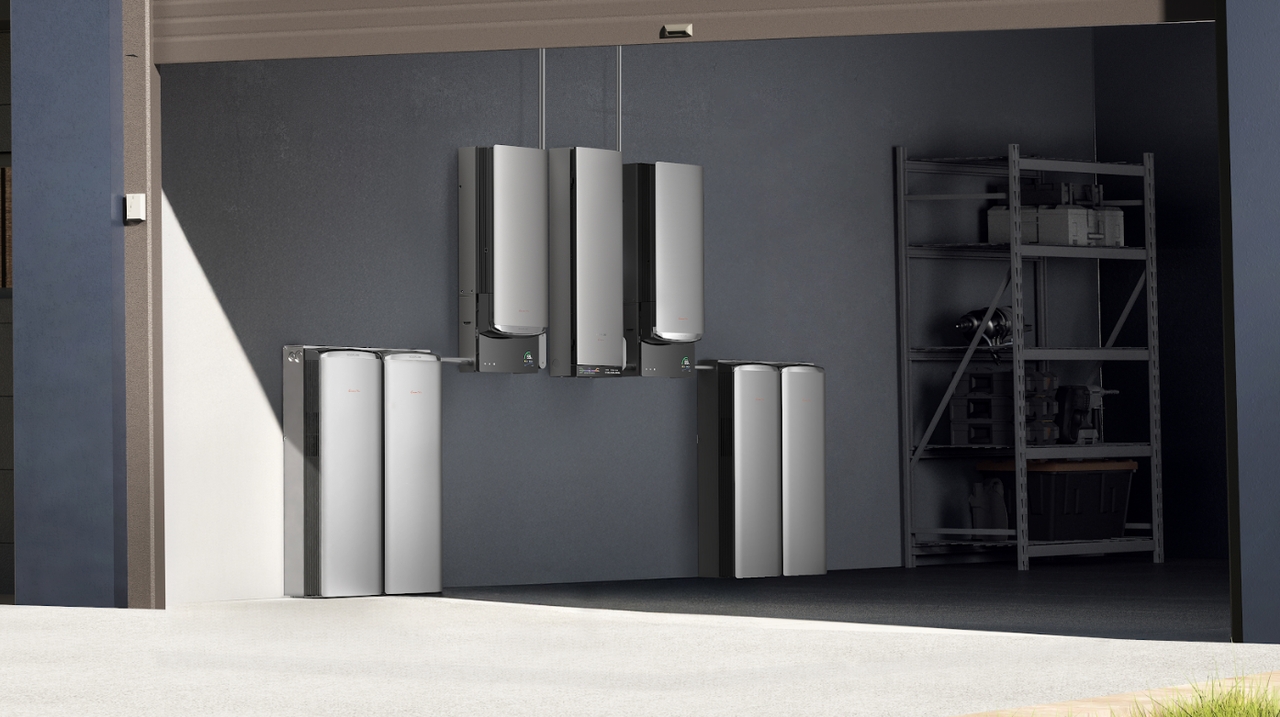
It has 40 kW of solar input, 24 kW of continuous output with 205A LRA surge to drive heavy loads such as two HVAC systems and EV chargers, and operates reliably in conditions from -4°F to 140°F. OCEAN Pro comes with a 15-year warranty and is a great choice for a renovation of an old home, to make the property more resilient, more energy-efficient, and ready for future smart home upgrades.
Upgrade the kitchen with modern functionality
The kitchen is often the center of renovation for an older home. Adding bigger prep areas, installing energy-efficient appliances, upgrading plumbing fixtures, and improving lighting, along with custom cabinetry for better storage, can significantly boost usability.
Improve energy efficiency for better insulation
Improving insulation is one of the most cost-effective renovations to older homes. Upgrading wall and attic insulation, weather sealing, and installing energy-efficient windows and insulated exterior doors can reduce heat loss, elevate indoor comfort, and lower utility bills year-round.
Refresh flooring and interior finishes
You can upgrade interior finishes and replace worn floors to greatly upgrade the look of an older home without changing its character. Refinish existing hardwoods where possible or install durable flooring materials that complement the home's design.
Mistakes to avoid during old home renovation
Now that you know how to renovate an old home, let's outline some of the mistakes you should avoid when making an old home renovation.
Removing original character
One of the worst mistakes in renovation is replacing all original features with modern ones. Keep architectural details that give a home its personality whenever possible. By staying true to original craftsmanship and thoughtfully incorporating contemporary upgrades, you end up with a home that feels genuine, not generic.
Ignoring hidden problems
Cosmetic improvements should never be postponed in favor of structural repairs. If you ignore unseen problems like water damage, termites, old wiring, bad plumbing or shifting foundations, it can end up costing you a lot more in the long run.
Renovating without future planning
A renovation should plan for future lifestyle changes rather than just address today's needs. Think electrical capacity for future appliances, provisions for solar energy, EV charging, smart home technologies, additional storage, aging in place features, and whole home backup power.
Conclusion
Old home renovation is a great way to preserve the architectural character and to make the living space safer, more efficient and functional. With a careful evaluation of the property, restoration of key original features, updating of critical systems, and installation of modern technologies such as smart home energy management and home battery backup, homeowners can have the best of both worlds. An older home, well designed and well constructed, can provide decades of reliable, comfortable,i and energy-efficient living.
So, what are you waiting for? Request a consultation today and start renovating your old home right away.
Get Your Free Home Energy Consultation!
Which energy solution are you interested in?


FAQs
Is it worth remodelling an old home?
Yes. It's usually cheaper to renovate an older home than to rebuild, especially if it has good bones. A good renovation elevates safety, energy efficiency, comfort and resale value, while preserving unique architectural features that make a property distinctive.
What is the 30% rule for renovations?
The 30% rule is a budgeting guideline that generally suggests renovation costs should not exceed about 30% of the home's market value for standard remodeling projects. Staying within this range will ensure homeowners a good return on their investment, although the ideal amount will vary based on the property’s condition, location and goals for the renovation.
What should I renovate first in an old house?
Begin with structural repairs and essential systems like the roof, foundation, plumbing, electrical wiring and HVAC. Once safety and the infrastructure of the home have been addressed, move on to insulation, windows, kitchens, bathrooms and cosmetic improvements.
How can I modernize an old home without losing its character?
Preserve original architectural details such as hardwood flooring, moldings, fireplaces and built-in cabinetry, while integrating modern layouts, energy-efficient lighting, smart home technology, updated kitchens and energy-efficient systems. It preserves the home's historic charm, but also makes everyday living better.
Is adding a home battery backup system worth it during renovation?
Yes. The best time to install a whole-home battery backup system is during a renovation when electrical upgrades are already in progress. The EcoFlow Ocean Pro solution provides backup power in an outage, improves energy management, facilitates solar integration and helps homeowners reduce long-term electricity bills while future-proofing the home for its energy needs.

