
What is a Craftsman Style Home? Defining Handcrafted Excellence
If you have ever walked through an older neighborhood and admired a house with a wide front porch and beautiful exposed wood, you might be wondering what a craftsman-style home is. These houses are a major part of American history. They were born out of the Arts and Crafts movement in the early 20th century. At that time, people were reacting to the Victorian era. Victorian houses were covered in fancy, factory-made decorations. People wanted a change. They were tired of mass-produced goods that lacked a personal touch.
A century ago, families wanted a home that felt solid and grounded. They wanted a welcoming place where they could sit on the front porch and talk to their neighbors. Today, people still love this exact same feeling. In this guide, we will look closely at the defining features of this iconic architecture. We will see how the building style changed across different regions of the country. We will also discuss what it is really like to live in one of these older properties right now. Finally, we will show you how to thoughtfully update the power systems with a reliable home battery in these historic houses without losing their vintage charm.
Key characteristics of craftsman style homes
When you walk down a historic street, these houses stand out immediately. They have a very specific, earthy look. The original builders wanted you to see exactly how the house was put together. They did not try to hide the wood joints or the ceiling beams behind fancy plaster. Instead, they made those functional parts look beautiful.
If you own an older home, you already know how special these features are. However, fixing up an older property takes some serious planning. Updating the house with sustainable design tips for eco-friendly homes is a great way to add modern efficiency while keeping the original, handcrafted details completely intact.
Exterior features
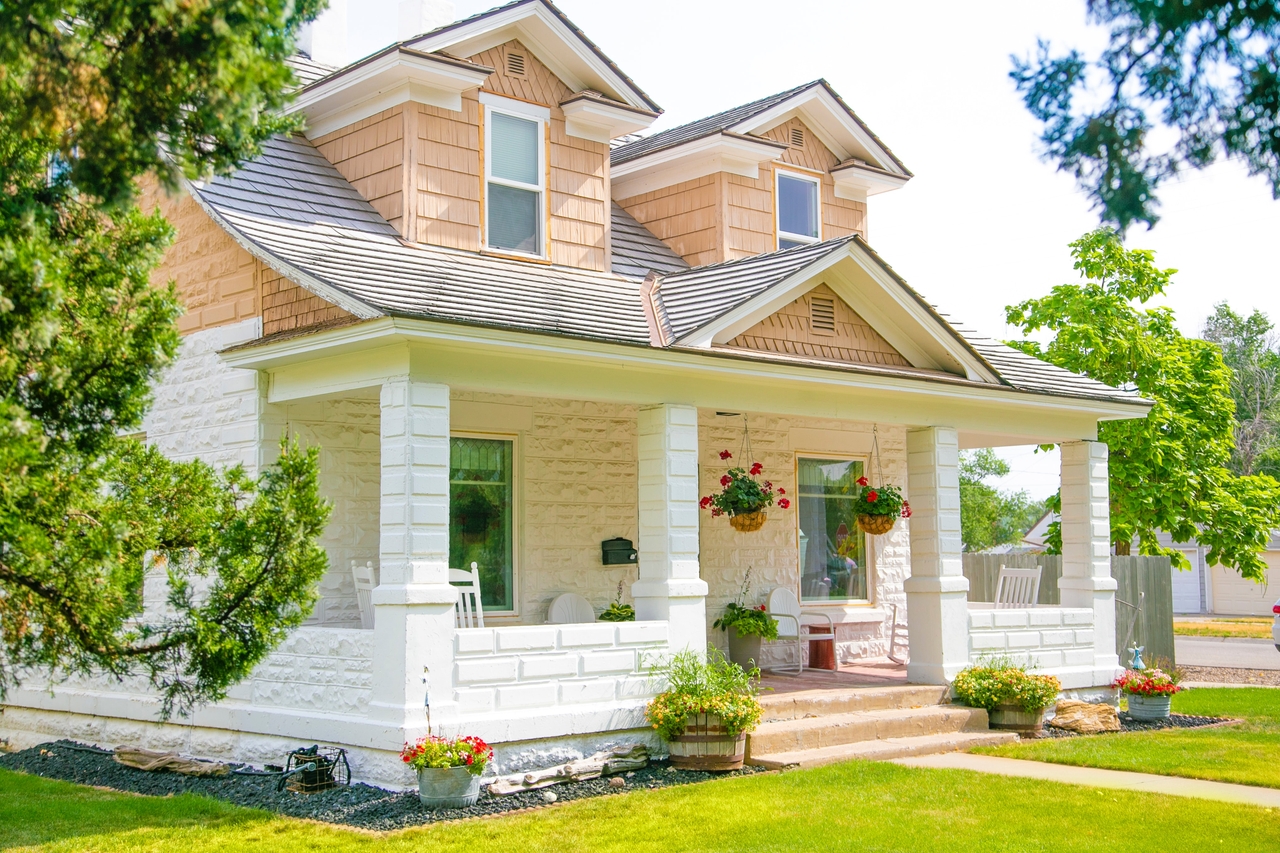
The outside of a craftsman's house looks incredibly sturdy and strongly tied to the earth. The roofs are low-pitched and gabled, meaning they have two sloping sides that meet at the ends to form a triangle. These roofs feature very wide eaves that overhang the walls. These deep overhangs are practical because they protect the home from heavy rain and block the hot summer sun.
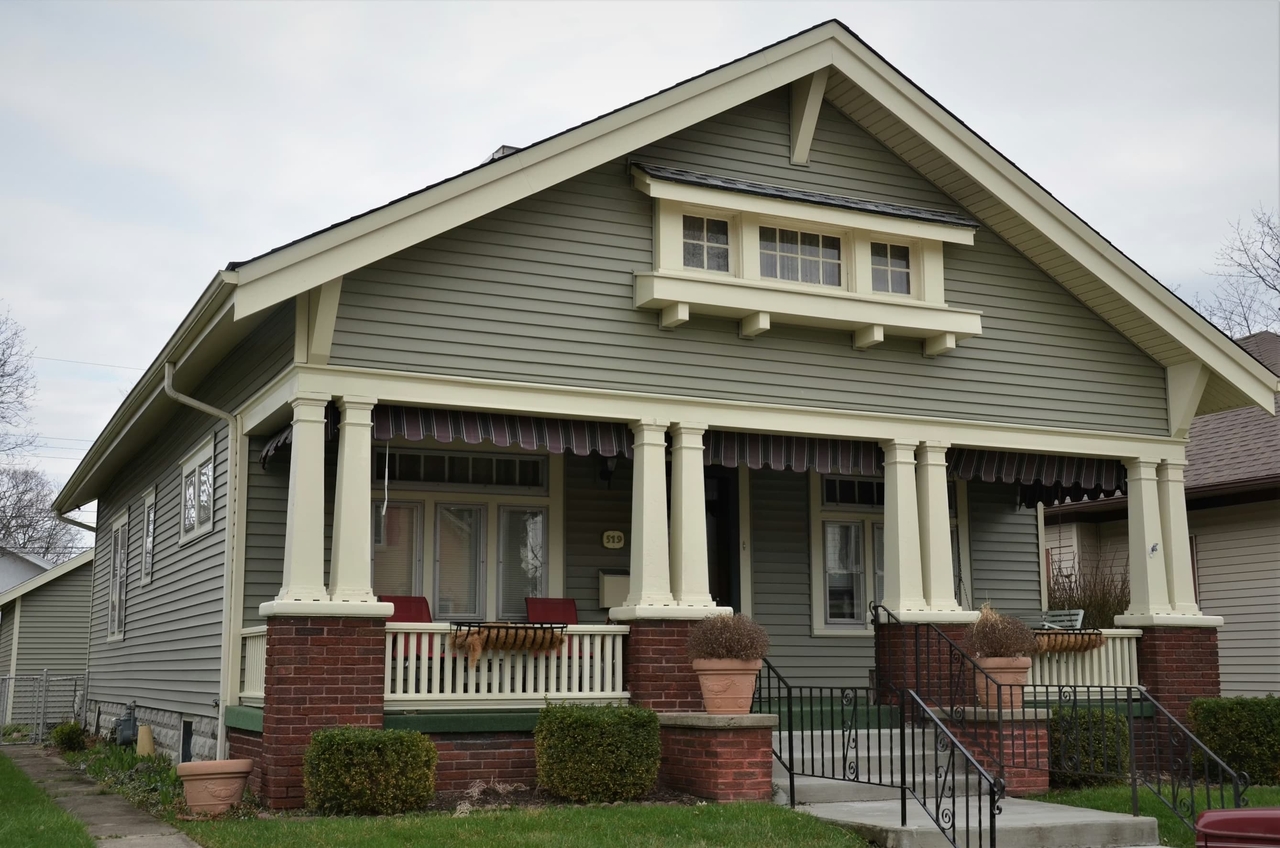
When you look up under the roof, you will see exposed roof rafters. You will also notice decorative knee braces and thick triangular wooden supports. The most famous exterior feature is the wide front porch. Before air conditioning, these porches acted as outdoor living rooms. They are supported by thick, tapered columns that are wider at the bottom. These columns usually rest on heavy stone or brick piers, making the house look like it is growing right out of the ground.
Craftsman style home interior details
The beauty certainly does not stop at the front door. The craftsman style home interior is famous for its warm and welcoming feeling. Unlike older Victorian homes with small, closed-off rooms, Craftsman layouts feature open floor plans. The living room flows right into the dining room. This creates a functional "heart of the home" where families can easily spend time together.
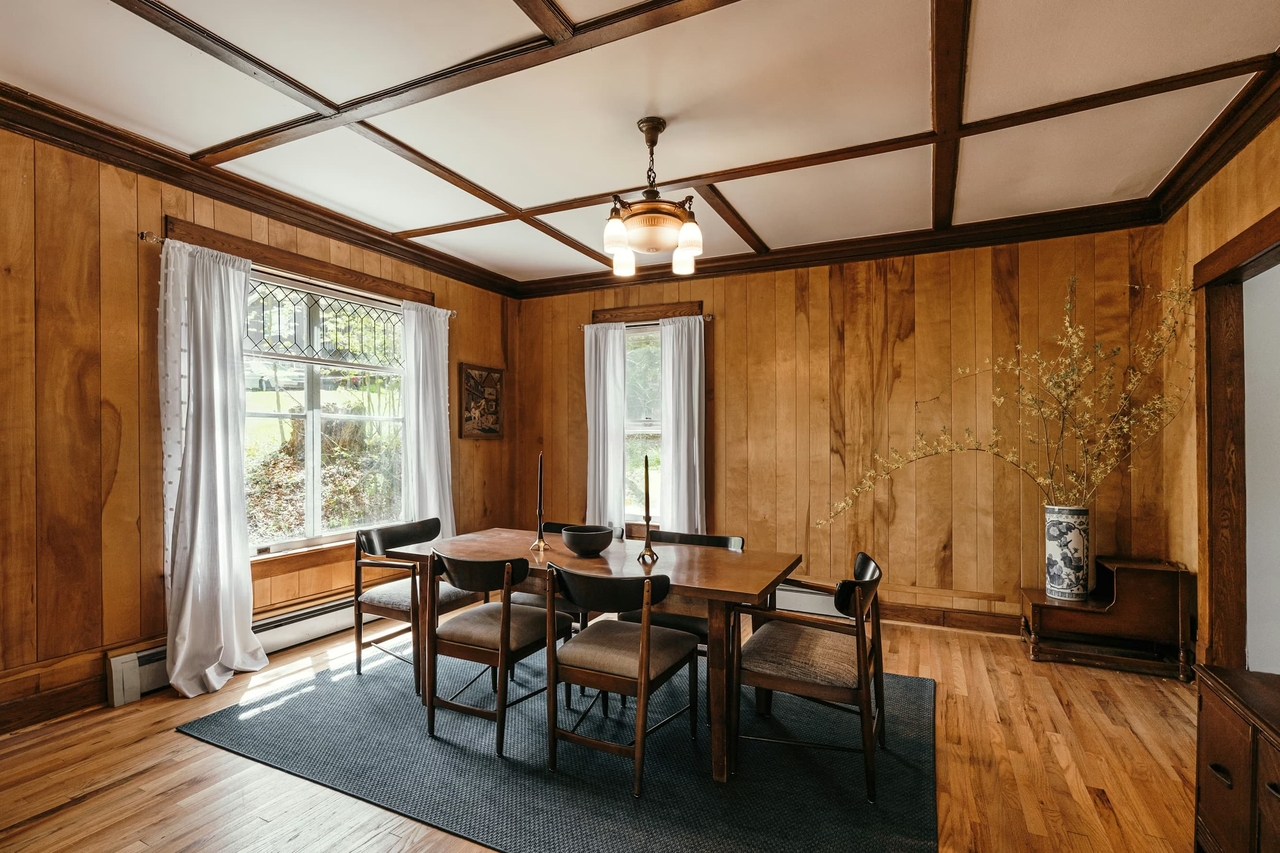
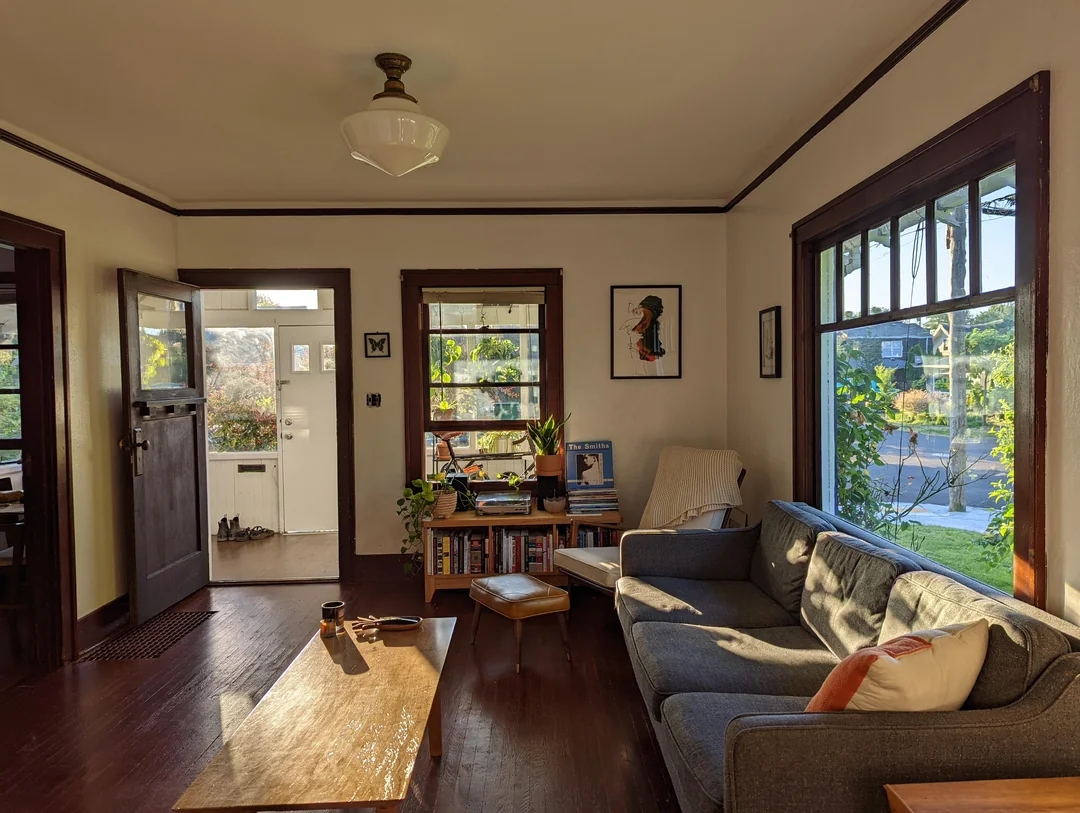
You will also find signature built-in woodwork in almost every room. Builders permanently added wooden cabinetry, glass-front bookcases, and window seats directly into the walls. This smart design saved floor space and added incredible charm. A prominent fireplace is almost always the center of the living area. These fireplaces are usually made of heavy brick, square tiles, or river rock. Finally, you will notice heavy, natural wood trim wrapping around every door, window, and baseboard.
Exploring types of craftsman architecture
As this style became popular, it spread quickly across the country. Different regions adapted the design to fit their specific weather and local lifestyles. Because of this, no two houses look the same. Today, we can group these houses into a few main categories.
For anyone looking to buy or fix up one of these classic styles, it helps to know exactly what you are working with. As owners restore the historic beauty of these variations, many are also investing in a modern home energy ecosystem to ensure their homes run safely and efficiently for decades to come.
American craftsman-style homes
The classic American bungalow is the most famous version of this architecture. These are mostly single-story or one-and-a-half-story homes. They were incredibly popular in the United States between 1905 and 1930. They offered working-class families a real chance to own a beautiful, well-built home.
Many of these houses were even sold as mail-order kits from large catalogs. A family could order a home, and all the pre-cut lumber, doors, and nails would arrive by train. Local builders would then put the house together on an empty lot. Despite being very affordable at the time, they still featured the beautiful charm and solid woodwork of much more expensive homes.
California craftsman-style homes
Architects in California took the style to a whole new level. The weather there is warm and sunny for most of the year. So, the houses feature sprawling layouts designed for indoor-outdoor living. They have massive front porches and sometimes even second-floor sleeping porches for hot nights.
Builders used local redwood and giant river stones to build them. The most famous examples of California craftsman-style homes look almost like giant, elegant cabins. They blend seamlessly into the surrounding trees and hillsides, making the house feel like a natural part of the outdoor landscape.
Craftsman-style two-story homes
Sometimes, families needed more living space but only had a small, narrow city lot. They simply could not build a wide, sprawling bungalow. Instead, they built craftsman-style two-story homes.
The most common type is called the American Foursquare. It is exactly what it sounds like. The house is shaped like a large, tall cube. It usually has four square rooms on the first floor and four square rooms on the second floor. This boxy layout maximizes vertical space. However, it still features the wide front porch, the built-in wooden bookcases, and the heavy wood trim that people love about the original style.
Modern craftsman-style homes
People still absolutely love this style today. Modern craftsman-style homes take the best historic design principles and update them for our current lives. New builders still use natural stone and heavy wood columns on the front porch. They still build low-pitched roofs with wide overhangs.
However, the interiors have been extensively updated for today's families. They feature much larger kitchens, massive kitchen islands, and huge windows to let in more natural light. They meet today's open-concept needs while honoring the handcrafted, artisanal look of the past.
Living in a Craftsman Home Today
Owning a historic home is a major dream for many people. It brings a unique set of joys. However, it also brings a few modern headaches that you need to prepare for before you move in.
The Timeless Comfort of Handcrafted Design
There is a deep psychological warmth to living in a house made of natural materials. The heavy wood trim and stone fireplaces give the rooms a comfortable "human scale." This means the rooms feel perfectly sized for people to feel safe, grounded, and cozy.
The original window designs were made long before homes had central air conditioning. Because of this, the windows are placed perfectly to catch cross-breezes from outside. They also let in a massive amount of natural lighting. This greatly enhances the daily living experience. You get to wake up to natural sunlight filling the open living spaces, making the whole house feel alive.
Navigating the Challenges of Aging Infrastructure
However, living in a 100-year-old house comes with real, daily challenges. The biggest issue is usually the electrical system. A century ago, people only needed electricity for a few glass lightbulbs and maybe a radio. Today, we have much higher energy demands.
Homeowners face the challenge of running modern, high-power appliances on outdated electrical grids. Trying to run a new HVAC system, a modern heat pump, or an electric vehicle (EV) charger can quickly overwhelm an old electrical panel. Sometimes, just running a hairdryer and a microwave at the same time can blow an old fuse.
Additionally, these historic homes are often located in older, tree-lined neighborhoods. While the big trees are beautiful, heavy branches often fall on power lines during severe storms. This creates a high vulnerability to power outages and grid instability. Homeowners need a modern energy solution. But, they do not want to ruin their beautiful historic walls with bulky, ugly utility boxes.
Seamlessly integrating backup power with traditional design
To solve these exact energy gaps, you need a smart home energy ecosystem that respects your home's rich heritage. The EcoFlow OCEAN Pro is designed to elevate both your home's energy and its visual aesthetic. With premium finishes, it blends right into any space while delivering industry-leading performance. An intuitive on-device LED display gives real-time energy insights. Meanwhile, a soft breathing light brings a sense of motion and clarity to your power system.
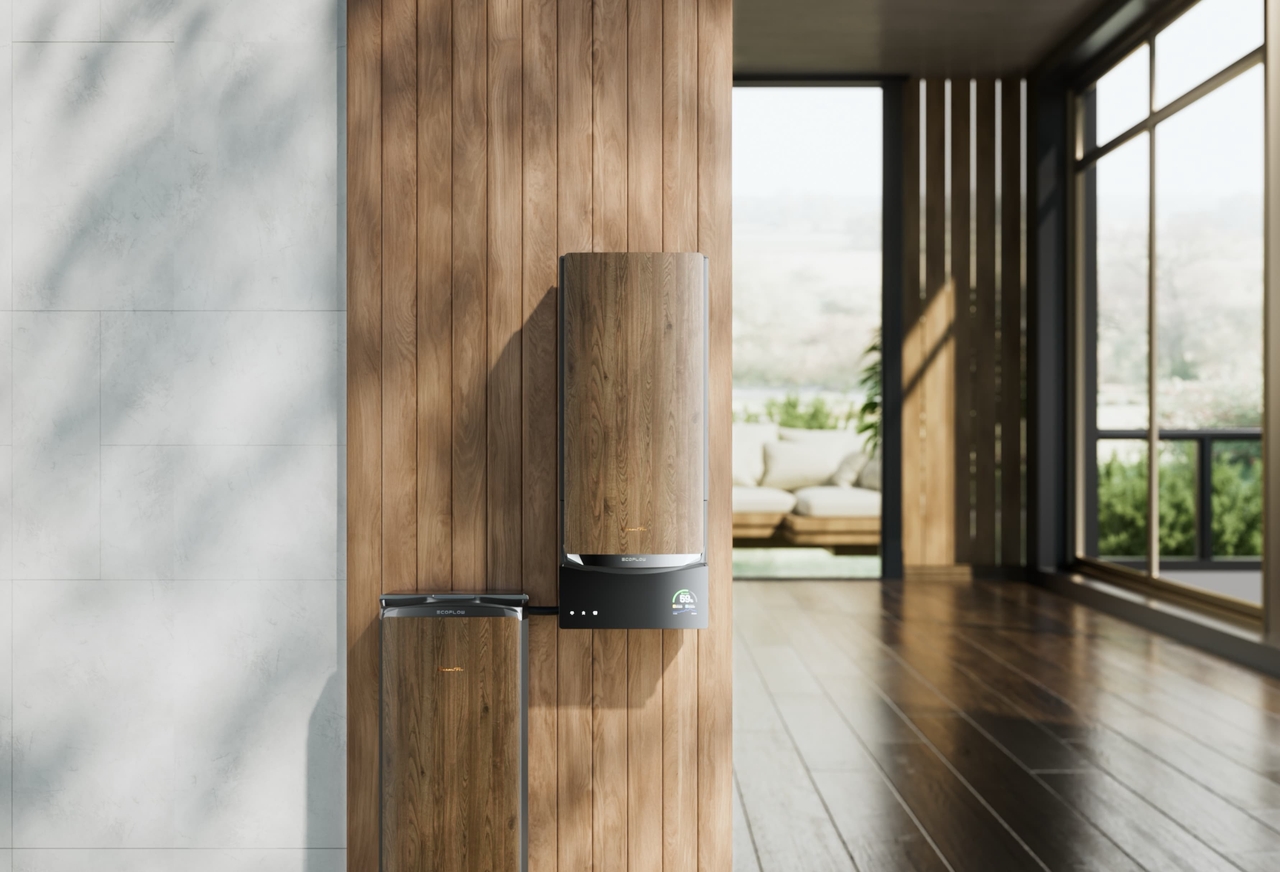
Premium Walnut Wood Finish: To complement the natural woodwork central to craftsman design, this chassis option is crafted from high-density hardwood with a refined finish. It offers a natural look and a premium feel that integrates seamlessly into a historic home environment. You do not have to hide it in a dark basement.
Key Performance: It delivers a massive 24kW continuous output. This is enough power to handle heavy loads, such as starting two 5-ton (4.5 metric ton) AC units simultaneously. It also gives you total peace of mind with a 15-year warranty for long-term reliability.
Are you ready to resolve your uncertainty about home battery backups? We can help you protect your modernized historic property from sudden grid outages. Request a consultation today to find the perfect energy solution for your home.
Get Your Free Home Energy Consultation!
Which energy solution are you interested in?

How to decorate a craftsman space
Once the structure is safe and your backup power is secure, it is time to decorate. You want your furniture and paint colors to honor the house's deep history. You want to make it feel like a true home.
Nature-Inspired Palettes
Do not use bright, neon colors in a historic home. Instead, look right out your window for inspiration. Use muted greens that look like soft tree leaves or moss. Try warm terracottas that look like baked clay pots. Deep ochres and mustard yellows look absolutely beautiful against dark wood trim. These earthy tones bring the calming feeling of nature right inside the house.
Authentic Furnishings
The furniture should closely match the house's sturdy feel. Select simple, sturdy wood furniture. Look for pieces that echo the historic Mission style. Mission furniture features straight lines and flat panels, proudly showcasing the wood's natural grain. It is heavy, very comfortable, and built to last a lifetime. Avoid furniture with too many fancy carvings or delicate, easily broken legs.
Highlighting Woodwork
If you buy an old house, you might sadly find that a previous owner painted over the original wood trim. The best thing you can do is strip the old paint off. Focus on applying natural stains rather than paint to showcase the grain's true beauty. Letting the natural oak, pine, or maple shine through will instantly make the house feel authentic and warm again.
Artisanal Lighting and Glass
Lighting is a wonderful way to add functional art to the room. Incorporate Tiffany-style lamps with colorful, patterned glass shades. You can also look for geometric stained-glass accents. Sometimes, you can simply hang a stained-glass panel in a plain, clear window. When the afternoon sun shines through the colored glass, it adds incredible warmth and artistic texture to the whole room.
Textiles and Earthy Rugs
Because these homes feature so much heavy wood and hard stone, you need to soften the rooms up. Utilize hand-woven textiles on your couch pillows and throw blankets. Place large, thick rugs on the hardwood floors to absorb sound and add comfort. Look for rugs with organic patterns, such as vines and leaves, or simple geometric shapes. This step makes the space feel instantly cozy and inviting for guests.
Conclusion
These homes are truly special pieces of American architectural history. They represent a unique time when quality and honesty in building were the most important things to a homeowner. Whether you own a small, cozy bungalow or a large, two-story Foursquare, the charm of the exposed wood and wide porches is undeniable.
By choosing the right earthy paint colors, selecting sturdy furniture, and safely updating the home's electrical systems, you can protect the house for the next century. You can enjoy all the smart, modern comforts you need while still deeply honoring the incredible craftsmanship of the past.
FAQs
1. What defines a craftsman-style home?
They feature natural materials, low-pitched gabled roofs, and wide front porches with tapered columns. Inside, they boast open floor plans, exposed wood trim, built-in wooden cabinetry, and prominent fireplaces.
2. How much does a craftsman-style home cost?
Costs vary widely by location. A restored historic home often costs more due to its rare custom woodwork. A brand-new modern build will usually align with the average real estate prices in your specific region.
3. Are craftsman homes only one story?
No. While the classic American bungalow is typically one story, many are much larger. The American Foursquare is a very popular two-story version that maximizes living space on small city lots.
4. What colors are best for a craftsman's interior?
Earthy, nature-inspired tones look the absolute best. Muted forest greens, warm terracottas, rich browns, and deep mustard yellows perfectly complement the heavy natural wood trim found in these houses.
5. How can I update the electricity in an old house safely?
Hire a certified electrician to replace outdated wiring. Upgrading to a smart panel lets your home safely use high-power appliances and modern backup batteries, such as the EcoFlow OCEAN Pro, without the risk of electrical fires.

