
What Is a Colonial Style Home? A Complete Design Guide
You see stunning buildings in historic American neighborhoods. Houses have steep roofs and flat fronts. The front door sits exactly in the middle. But what is a colonial style home, exactly? This basic design dates back to the 1600s. It remains a highly popular style in America today. Early European settlers built these incredibly strong structures. They needed practical houses to survive harsh climates.
Today, these houses are a testament to history. They shape modern real estate markets across the country. This guide covers everything you need to know, from classic exterior symmetry to the traditional room layouts. Finally, we will look at how modern homeowners update these historic beauties with solutions like a home energy system. Let's dive in.
The Defining Features of Classic Colonial Architecture
Look at a traditional property from the street. You will quickly notice strict balance and rectangular shapes. The left side perfectly mirrors the right side. This balanced look creates a very formal presence.
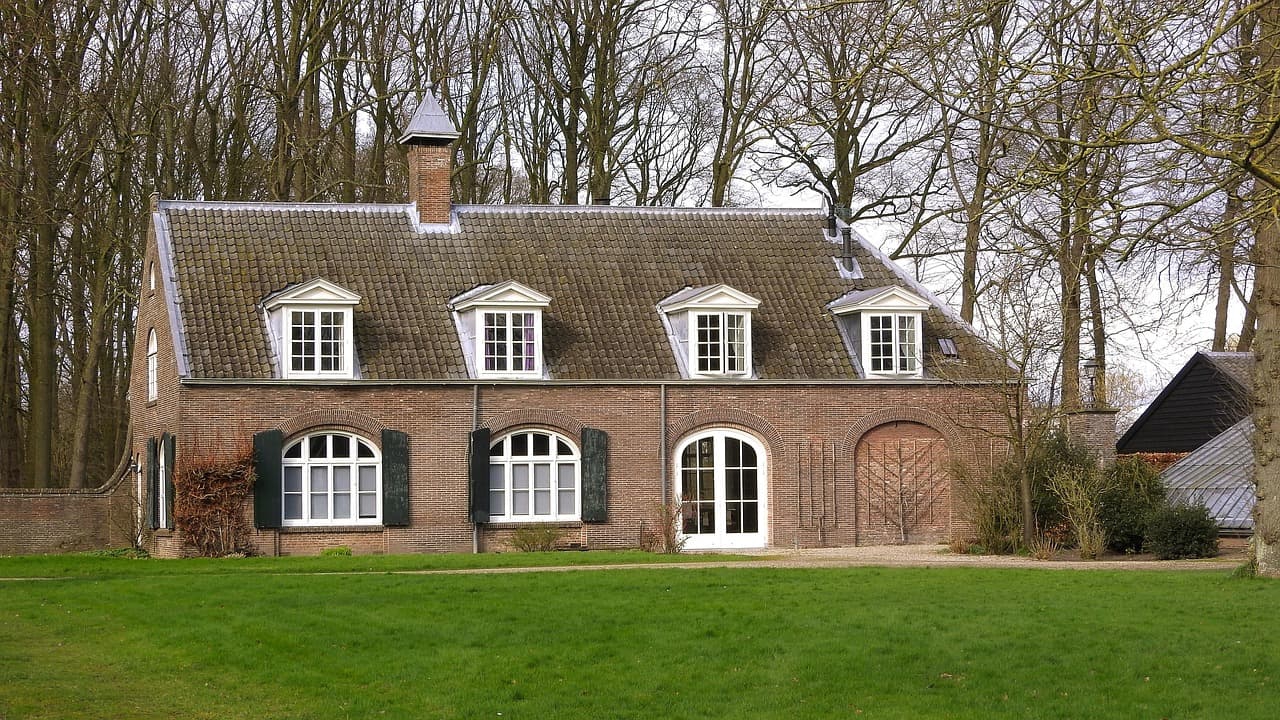
The windows continue this strict visual balance. You will find double-hung windows everywhere. Builders placed them at exact, equal distances. Outside building materials depended entirely on the local environment. Wood siding was very common in New England. Builders painted the wood in simple, earthy colors.
In the South, builders relied on local red clay. Therefore, colonial style brick homes became incredibly popular. These sturdy structures offer historic charm and lasting durability. They serve as amazing bases for eco-friendly home renovations today. Thick brick walls absorb heat during warm days. They release heat slowly during cool nights.
Exploring the Colonial Style Homes Interior
The outside of the home looks flat and balanced. The inside features a highly formal layout. Look closely at the colonial style homes' interiors to understand their charm.
Open the heavy front door and step inside. You will enter a traditional center-hall floor plan. A main hallway runs straight through the middle. These central hallways are usually quite wide. They often span roughly 10 feet (3.0 meters) wide. This space helped move fresh air during hot summers.
The ground floor spaces are strictly separated. A formal living room sits on one side. A formal dining room sits on the opposite side. The design elements inside these rooms are very detailed. Thick wooden crown molding wraps around the ceilings. Decorative wainscoting lines the lower walls to protect the plaster.
Large stone fireplaces act as a major focal point. Almost every main room had one. Families relied on them to survive freezing winter nights. Today, these beautiful fireplaces serve as cozy gathering spots. Living here offers a perfect blend of history and daily comfort.
Popular Variations of the Colonial Home
The term "colonial" is a broad umbrella category. It does not describe just one exact blueprint. Early settlers landed in vastly different North American climates. The architecture had to adapt quickly to survive. Several distinct regional variations emerged over the centuries.
The Classic Dutch Colonial House
One unique variation is the Dutch colonial house. Early Dutch settlers built these in New York. You can identify this style by its signature roofline. It does not have a simple triangle roof. Instead, a Dutch design features a barn-style gambrel roof.
This roof has two distinct slopes on each side. The upper slope near the top is slightly flat. The lower slope over the walls is very steep. This clever design solved a practical problem perfectly. It let homeowners maximize the upper-floor living space. It gave them a full second story of headroom. Local governments taxed citizens based on the number of stories. This unique roof design provided a brilliant financial loophole. Families gained more space without paying higher property taxes.
The Elegant Spanish Colonial Style Home
The climate on the opposite coast demanded a different approach. Florida and Texas presented unique weather challenges. The spanish colonial style home became the standard there. Builders adapted these homes for intensely warm climates.
Wood clapboard would rot quickly in the southern humidity. Steep roofs were completely unnecessary without heavy snowfall. Instead, builders used thick, light-colored stucco walls. These thick walls provide massive thermal mass. The houses stay very cool even in late July. The white stucco naturally reflects the harsh sun.
The roofs feature iconic red clay tiles. Artisans shaped these tiles like half-cylinders. These tiles handle heavy seasonal rain very well. They also trap cool air underneath them. These homes often feature beautiful interior courtyards. These open-air spaces allowed hot air to escape upward. These shaded, private courtyards provided a highly necessary outdoor sanctuary where families could comfortably relax and socialize outside during the most blistering parts of the afternoon heat.
Modern Upgrades for Colonial Style Homes
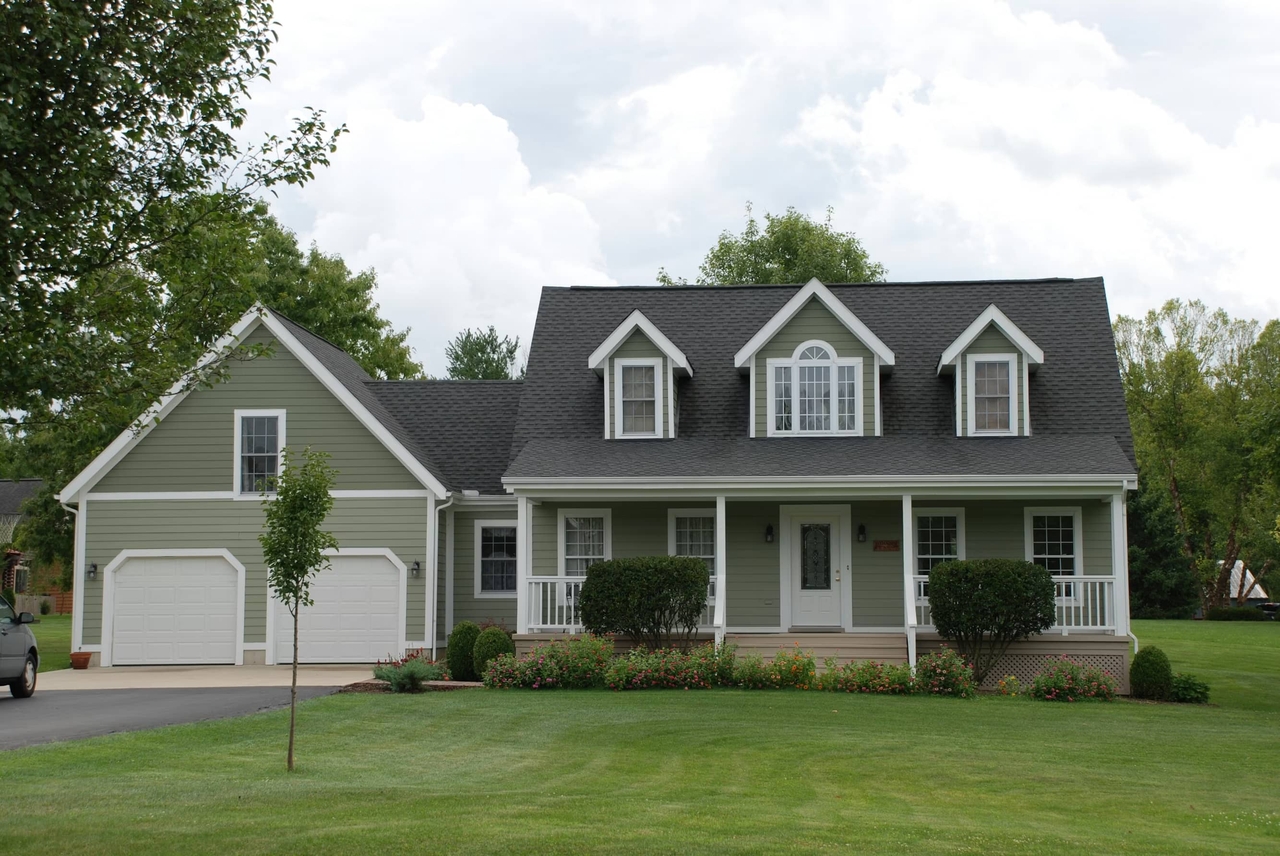
Today, homeowners love the historic look of these properties. However, they also want the conveniences of modern life. They want the best new smart technology. This strong desire created a massive real estate trend. We now see a huge rise in modern colonial style homes. People actively bring these historic properties into the 21st century. They focus on improved, flowing room layouts. They upgrade the overall indoor comfort levels. They install highly intelligent energy systems.
Opening Up Traditional Layouts
Older homes are very compartmentalized. Every single room has a solid wooden door. Spaces remain heavily separated from one another. Small, closed rooms were much easier to heat historically. However, families today prefer a connected lifestyle. They want casual, bright, open spaces.
Owners safely remove walls to create contemporary colonial style homes. Homeowners knock down the barriers between the dark kitchen, the formal dining room, and the family room to merge traditionally isolated areas and create airy spaces. Opening the layout lets much more natural light enter. The sunlight flows smoothly through the entire house. It makes entertaining guests much easier. You can learn more by reviewing efficient home design guidelines provided by the government. You must always hire a structural engineer before removing walls. They will ensure the historic home remains perfectly safe.
Get Your Free Home Energy Consultation!
Which energy solution are you interested in?


Improving Comfort and Efficiency
Modernizing an older home requires updating its structural efficiency. Homes built hundreds of years ago are famously drafty. They completely lack modern insulation and tight window seals. Homeowners solve this by investing in better insulation. They blow modern spray foam into the exterior walls. They add thick fiberglass rolls to the attic spaces. This creates a very tight thermal barrier.
They also replace old windows with double-paned glass. Upgrading helps meet strict modern standards easily. Manufacturers still make efficient windows with the classic grid design. You keep historic charm without paying massive utility bills.
Homeowners also retrofit these historic homes with modern HVAC systems. Central air conditioning drastically improves daily comfort. Electric heat pumps provide incredibly efficient winter heating. However, adding heavy appliances drastically increases the overall electrical demand. Upgraded power resilience becomes a total necessity for modern living.
Integrating Smarter Energy Solutions
Retrofitting a historic property increases daily energy consumption. The original electrical wiring cannot handle this heavy load. It was never designed for huge modern power needs. Grid outages happen much more frequently now. You must manage this heavy electrical demand properly.
Integrating a robust home battery system is absolutely essential today. A home battery gives you total energy independence. You use the stored power safely during unexpected outages. For instance, a high-capacity setup like the EcoFlow OCEAN Pro handles large loads easily. With a capacity from 10kWh to 80kWh, the EcoFlow Ocean Pro provides days of reliable backup during outages. Its 24kW continuous output easily handles high-load appliances like heat pumps and smart refrigerators simultaneously.
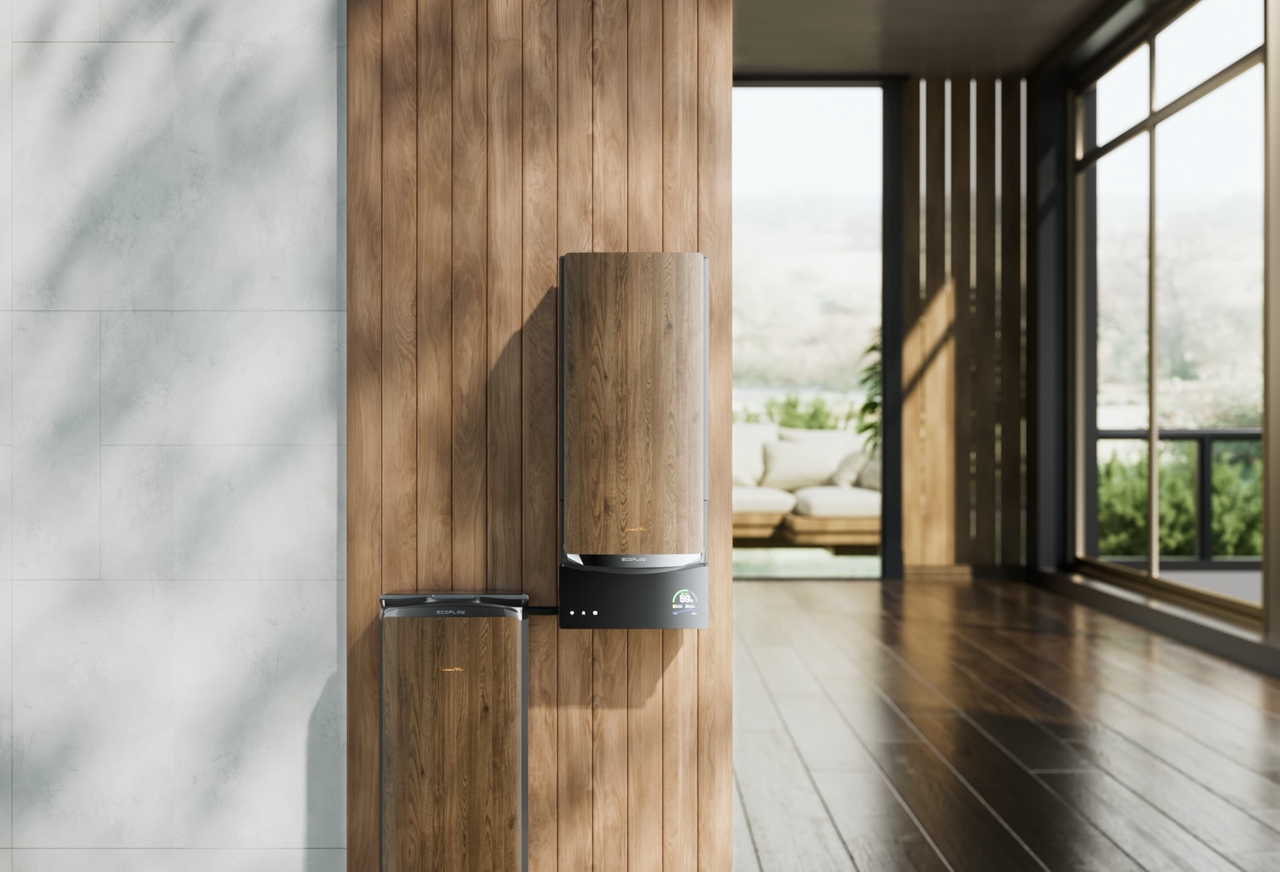
The system provides an amazing added benefit for traditional interiors. It does not look like a giant industrial machine in your hallway. The sleek unit features a Premium Walnut Wood finish. This finish perfectly mimics a piece of crafted luxury furniture. This allows it to blend seamlessly into your home's historic aesthetic. It provides the perfect balance. You get modern power security and keep classic visual appeal.
Bringing Colonial Homes into Modern Living
The enduring legacy of this architecture proves a clear point. Good design truly lasts forever. Buyers today do not have to choose. You can have historic charm and contemporary convenience.
By thoughtfully blending classic architectural elements with modern structural layouts and smart energy upgrades, you can create a masterpiece that easily supports a fast-paced, contemporary lifestyle. You keep the symmetrical windows and steep roofs. You keep the beautiful brick facades. You build a comfortable space for a fast-paced lifestyle. You still deeply honor the past.
Maybe you love the space-saving Dutch gambrel roof. Perhaps you prefer the open, breezy Spanish courtyards. These properties offer a solid foundation for your future. Add the right modern updates and better insulation. Install reliable power security systems. Your colonial house will remain a beautiful home for another hundred years.
Are you ready to resolve your uncertainty about home battery backups? We can help you protect your modernized historic property. Request a consultation today to find the perfect energy solution for your home.
Frequently Asked Questions
What is colonial interior design style?
It features formal layouts and muted paint colors. You see rich wood furniture and classic trim work. Builders used thick crown molding and wainscoting. Antiques and elegant textiles are also very common inside.
Are colonial houses more expensive?
They are not always more expensive. Price depends on location, size, and condition. Older homes often need electrical updates. However, adding reliable power like an EcoFlow OCEAN Pro battery backup easily increases their long-term market value.
What is the difference between colonial and contemporary?
Colonial architecture focuses on strict symmetry. It uses traditional materials like brick and features heavily divided rooms. Contemporary design favors asymmetrical shapes. It uses large glass windows and open-concept floor plans.
How do you decorate the interior of a colonial home?
Focus heavily on visual balance and tradition. Use large area rugs over original hardwood floors. Hang symmetrical artwork on the walls. Choose classic furniture pieces. You can easily blend modern art with older tables.
Do modern colonial style homes hold their resale value?
Yes, they hold their financial value incredibly well. The classic exterior design is completely timeless. These sturdy homes rarely go out of style. Adding modern upgrades, like reliable home battery backups such as the EcoFlow OCEAN Pro, makes them highly attractive to newer buyers.

