
Coastal Flooding: What Causes It and How to Prepare
Coastal flooding occurs when seawater moves onto normally dry land, affecting homes, roads, utilities, businesses, and natural areas. It can result from storm surges, unusually high tides, rising sea levels, waves, heavy rainfall, or combinations of these factors. Understanding why coastal flooding happens and how it affects communities can help households prepare for water-related hazards, infrastructure disruptions, and potential power outages with advanced home battery systems.
What is coastal flooding?
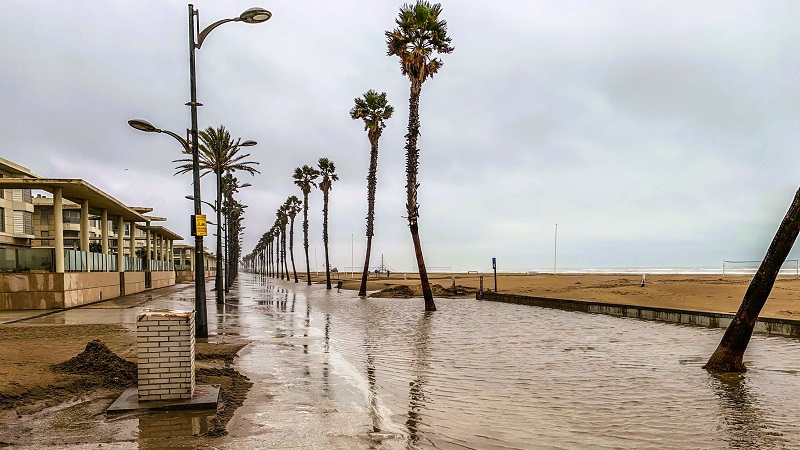
Coastal flooding is the inundation of normally dry land by water from an adjacent ocean, bay, estuary, or other coastal body.
It can occur when tides rise unusually high, storms push seawater inland, waves overtop coastal barriers, or multiple flooding sources occur together. Low-lying areas are generally more exposed, while terrain, coastal defenses, drainage, and water levels influence how far flooding spreads.
Unlike river flooding, which primarily occurs when rivers overflow their banks, coastal flooding originates from coastal waters, although rainfall and river flows can contribute to the overall water level.
Coastal Flood Watch vs. Warning vs. Advisory
Note: The exact criteria and timing can vary by location and National Weather Service office.
Alert | What does it mean? |
Coastal Flood Watch | Significant coastal flooding is possible, so residents should monitor forecasts and prepare. |
Coastal Flood Warning | Moderate to major coastal flooding is occurring, imminent, or highly likely and may seriously threaten life and property. |
Coastal Flood Advisory | Minor or nuisance coastal flooding is occurring or expected, potentially causing localized disruption. |
What causes coastal flooding?
Coastal flooding rarely has one universal cause. Water levels along the coast can be influenced by tides, storms, waves, sea level changes, rainfall, and other coastal processes, sometimes occurring simultaneously.
Storm surges
Storm surges occur when strong winds and atmospheric conditions associated with storms push seawater toward the shoreline. Tropical cyclones, hurricanes, and other powerful coastal storms can produce substantial surges, especially in low-lying areas.
High tides and high-tide flooding
High-tide flooding happens when coastal water levels rise above normal high-tide levels. It can occur without a major storm, particularly when unusually high tides combine with local winds, currents, and elevated baseline sea levels.
Sea level rise
Rising sea levels increase the baseline from which tides and storm-driven water levels begin. As a result, coastal areas can experience flooding more frequently, while relatively modest weather events may produce impacts that were previously less common.
Waves, heavy rainfall, and compound flooding
Waves can raise coastal water levels and push water farther inland, while heavy rainfall can overwhelm drainage systems. When rainfall, river discharge, tides, and coastal flooding occur tog
What are the impacts of coastal flooding?
Coastal flooding can affect much more than the shoreline. Depending on flood depth, duration, and location, it can disrupt property, transportation, utilities, ecosystems, businesses, and everyday community activities.
Homes and property
Floodwater can enter homes, damage foundations, electrical equipment, flooring, and belongings, while prolonged exposure to seawater can contribute to corrosion and structural deterioration. Low-lying properties generally face greater exposure.
Roads and transportation
Flooding can make roads and bridges impassable, disrupt public transportation, and restrict emergency access. Debris and standing water can further delay travel, deliveries, evacuations, and recovery activities after a coastal flooding event.
Power, water, and communications
Coastal flooding can disrupt electrical substations, stormwater systems, wastewater facilities, drinking-water infrastructure, and communications networks. Saltwater and prolonged water exposure can damage equipment, potentially extending service disruptions and power outages.
Environmental and economic impacts
Flooding can accelerate erosion, increase saltwater intrusion, damage coastal habitats, and affect freshwater resources. Businesses may also experience interruptions, property losses, reduced accessibility, and additional recovery costs following repeated or severe flooding.
How should households prepare for coastal flooding?
Preparing for coastal flooding involves addressing both water-related risks and the disruptions that may follow. Households should monitor local alerts, understand evacuation routes, protect important belongings, and plan for possible utility interruptions.
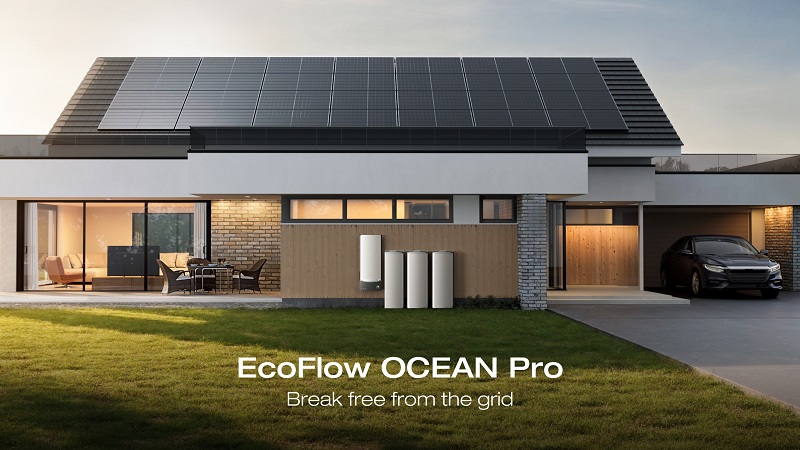
Because flooding can damage electrical infrastructure and contribute to prolonged outages, maintaining access to essential electricity can also support household energy resilience. The EcoFlow OCEAN Pro Solar Battery System can serve as a battery energy storage option for backup electricity when normal power is unavailable, especially with its up to 24 kW continuous output, 10kWh to 80 kWh scalable storage, and 205A LRA surge power for handling demanding equipment without any compromise.
Depending on the household's setup, stored energy can be used for selected essential loads, such as:
Refrigerators and freezers
Lighting
Communications equipment
Essential household appliances
Other compatible electrical loads
Ocean Pro should be considered part of a broader flood-preparedness strategy, not a way to prevent flooding. Households should still follow evacuation instructions and protect electrical equipment from floodwater.
Get Your Free Home Energy Consultation!
Which energy solution are you interested in?


If you are looking to experience the next generation of energy resilience during coastal flooding with Ocean Pro, contact our professionals.
Conclusion
Coastal flooding can develop from several interacting factors, including storm surges, high tides, rising sea levels, waves, rainfall, and other coastal hazards. Its effects can extend beyond flooded streets and properties, disrupting transportation, utilities, communications, businesses, and natural ecosystems. Preparing for these risks requires a combination of awareness, emergency planning, flood-resistant measures, and attention to essential household utilities.
Since coastal flooding can contribute to prolonged power outages, backup energy storage can be considered as one component of a broader energy resilience plan. Understanding local flood risks and following official warnings remain essential for protecting people and property before, during, and after coastal flooding.
FAQs
What are the main causes of coastal flooding?
The main causes include storm surges, unusually high tides, sea level rise, waves, heavy rainfall, and compound flooding. Tsunamis and other coastal hazards can also inundate coastal areas.
Where does coastal flooding occur?
Coastal flooding commonly affects low-lying areas near oceans, bays, estuaries, and other coastal waters. Local elevation, terrain, drainage, barriers, and water levels influence the extent of flooding.
How does climate change affect coastal flooding?
Climate change contributes to rising sea levels, increasing the baseline water level along many coastlines. This can make high-tide flooding more frequent and allow coastal storms to cause greater inundation.
How can households prepare for power outages caused by coastal flooding?
Households can identify essential electrical loads, prepare emergency supplies, monitor warnings, and consider battery storage for backup electricity. Flood-exposed electrical equipment should be inspected before being used again.

