
What to Do When the Power Goes Out: A Complete Survival Guide
Wondering what to do when the power goes out unexpectedly? Whether it is a severe winter storm, an overwhelmed grid, or a blown transformer, power outages can be stressful. They disrupt your daily routine and leave you in the dark.
Knowing exactly how to react in the first few minutes can protect your home's appliances. It also keeps your family safe from unseen hazards. A quick response is the key to minimizing damage.
In this guide, we will cover the immediate steps you must take. We will share seasonal safety tips for extreme weather. Finally, we will show how reliable home battery backup solutions like the EcoFlow Ocean Pro can keep your heavy-duty appliances running smoothly. You can enjoy zero interruptions, even when the rest of the neighborhood goes dark.
Immediate steps: What to do when the power goes out
When the lights go dark, your first goal is to figure out what happened. You also need to protect your home. Here is what you should do right away.
Confirm the outage: First, check your main electric panel. Look for a tripped circuit breaker. Sometimes, the electrical problem is only inside your house. Next, look out your window. Check the streetlights. See if your neighbors' houses are also dark. If the whole street is out, you are dealing with a larger grid failure.
Contact your utility provider: Do not assume your neighbors have already called the power company. Report the outage to your local transmission and distribution utility. Use your mobile device to call them or check their website. Many utility companies offer text alerts. You can sign up for these alerts to track repair times.
Unplug major appliances: This is a vital step. Turn off or disconnect appliances and expensive electronics. When the electricity returns, it can create a massive power surge. This voltage spike can destroy your television, computer, HVAC system, or microwave. Unplugging them prevents this expensive damage.
Keep one light on: Leave a single light switch flipped to the "on" position. This serves as a simple visual signal. You will know exactly when the power is restored. You will not have to guess or constantly check your appliances to see if the grid is back up.
Food safety and lighting during a blackout
A blackout quickly threatens your groceries. You also need safe ways to see in the dark. Follow these simple rules to avoid spoiled food and dangerous fire hazards.
Refrigerator and freezer safety
Keep doors closed to trap cold air: Every time you open the fridge door, warm air rushes in. Keep the doors shut tight. Food remains safe for about 4 hours in a closed fridge. A half-full freezer will keep food safe for 24 hours. A full freezer can hold its temperature for up to 48 hours.
Use a thermometer to ensure food stays at or below 40°F: If the power is out for a long time, check this temperature before you eat anything. If the temperature rises above 40°F for more than two hours, throw the food away. It is not worth the risk of food poisoning. You can learn more about how to power a refrigerator during a power outage on our blog.
Emergency lighting
Rely on flashlights or battery-powered lanterns: Keep these items in a specific place where you can easily find them in the dark. Headlamps are also a great tool. They leave your hands free while you navigate your home.
Avoid using candles due to the extreme risk of fire: Candles are very dangerous, especially if left unattended. If a candle gets knocked over in the dark, you might not have running water to put out the fire. Stick to battery-powered LED lights to keep your home safe.
What to do when the power goes out in winter vs. summer
Extreme weather makes a blackout much worse. Knowing what to do when the power goes out in winter versus the summer can save your life. Here is how to handle both temperature extremes.
Staying cool during summer power outages
Summer blackouts bring the immediate danger of overheating. You must keep your body temperature down and block the sun.
Manage ventilation and attire: Dress lightly in loose, breathable clothing. Rely on natural ventilation to stay cool. Open your windows when there is a breeze or when the outside temperature drops at night. During the hottest parts of the day, close your blinds and curtains tightly. This blocks direct sunlight from baking the inside of your home.
Protect your cooling systems: Turn off your air conditioning units at the thermostat immediately. This prevents a massive power surge from frying your HVAC compressor when the electricity comes back on. Wait several minutes after the power returns before you switch the AC back on.
Maintain proper hydration: Drink plenty of water. Do not wait until you feel thirsty. Keep a stash of bottled water stored in a cool, dark place. Avoid sugary or alcoholic drinks, as they can cause severe dehydration.
Seek refuge if temperatures become dangerous: Indoor heat can become deadly fast. This is very dangerous for infants, older people, or family members with medical conditions. If your home gets too hot, leave. Go to a friend's house who has power. You can also visit a public community cooling center.
Staying warm during winter power outages
Winter outages require you to trap heat inside. You also need to prevent expensive property damage from the freezing cold.
Trap the heat in a single room: Gather everyone into one room. Pick a room with few windows and doors to minimize cold drafts. If possible, choose a room on the south side of the house. This lets you maximize passive solar heat during the day. Close the doors to all other unused rooms to keep the heat concentrated. Place rolled-up towels under the doors.
Insulate with layered clothing: Wear several layers of clothing instead of one thick jacket. Layers trap your body heat much better. Wear warm socks, a hat, and gloves. Most of your body heat escapes through your head, so a warm hat is very important inside the house.
Prevent frozen water pipes: A frozen pipe can burst and flood your home. Leave a small stream of water running from your faucets. Moving water is much less likely to freeze. For extended outages, you might need to completely winterize your home. This means shutting off the main water valve and draining the pipes from the lowest point in the house.
Use alternative heat sources safely: If you use a fireplace, wood stove, or kerosene heater, be very careful. You must ensure adequate ventilation. Without proper airflow, deadly carbon monoxide can build up in your home. Never bring outdoor combustion heaters or grills indoors.
Safety precautions for downed lines and community hazards
Blackouts often happen because of severe storms. These storms create dangerous hazards in your neighborhood.
Avoid downed power lines: Never touch fallen power lines. Assume every downed wire is live and deadly. Stay at least 35 feet away. If a power line falls on your car while you are inside, stay inside the vehicle. The rubber tires offer insulation. Call 911 for emergency help and wait for the professionals.
Stay clear of power crews: Utility workers have a dangerous job. Let them do their jobs safely by maintaining a safe distance. Do not approach their trucks or ask them for updates while they are working with high-voltage equipment. Let them focus on fixing the grid.
Beware of indoor generator risks: Never run a traditional combustion generator inside your home or garage. This rule also applies to basements and enclosed porches. Traditional generators release carbon monoxide. This is an invisible, odorless gas that can be fatal in minutes. Always run them outside, far away from open windows.
How to keep your home powered during a blackout
The best way to handle a blackout is to have your own power source. Let's look at the options for keeping your home running smoothly.
The limitations and risks of traditional gas generators
Many people buy gas generators for emergencies. However, they have major drawbacks. They are incredibly loud and disturb the neighborhood. They require constant refueling with expensive gasoline and produce dangerous exhaust fumes. Furthermore, they require a frustrating manual setup in the middle of a storm.
Seamless home battery backups
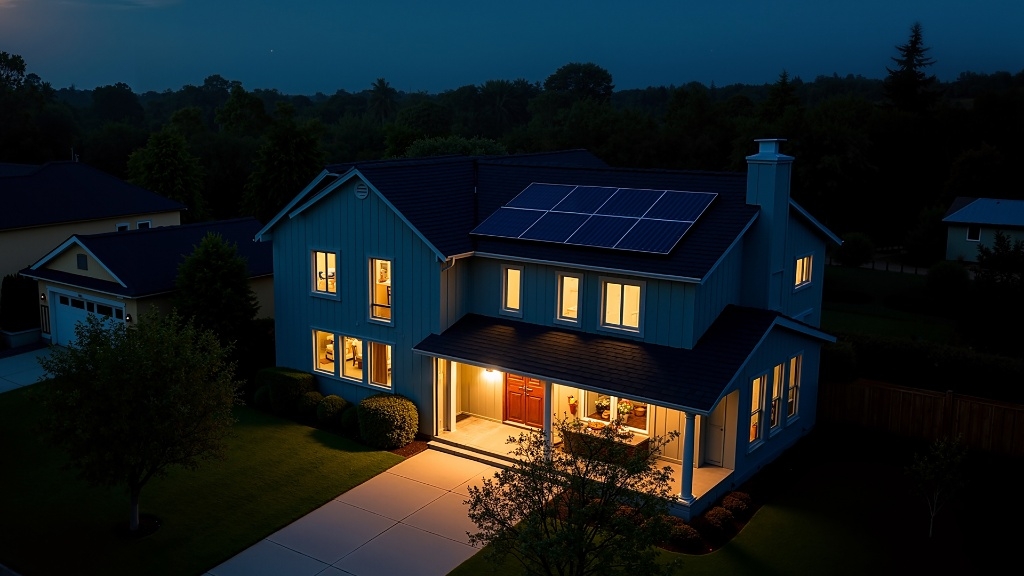
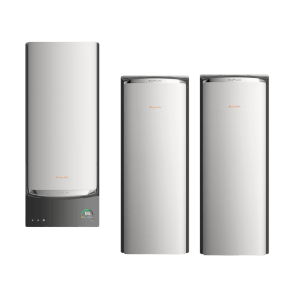
For a safe, quiet, and powerful solution, modern energy systems like the EcoFlow Ocean Pro offer an unobtrusive alternative. Instead of pulling cords in the rain, this robust home backup system sits quietly, automatically keeping your house running the second the grid fails.
Heavy-duty support: It delivers 24kW continuous output, easily running large appliances like 2-ton to 5-ton central AC units and charging electric vehicles.
Uninterrupted power: With 0ms power switching during a blackout, your lights will not flicker, desktop computers will not reboot, and critical medical devices will never shut off.
Ultimate scalability: It easily integrates with existing standby generators, portable power stations, and V2L EVs, scaling from 10kWh to 80kWh as your household needs grow.
Ready to optimize your home energy? Don't just charge your car—power your life. If you are ready to future-proof your home and gain true energy independence, schedule your free consultation today to see how the EcoFlow OCEAN ecosystem can power your lifestyle.
Get Your Free Home Energy Consultation!
Which energy solution are you interested in?
How to stay connected and manage your home without power
When the grid is down, information is your lifeline. You need to protect your communication devices and manage your property carefully.
Conserve your smartphone battery: Your phone is your connection to the outside world. Turn on low-power mode immediately. Lower your screen brightness to the minimum setting. Close background apps. Use text messages instead of phone calls. Texts use much less battery life. They are also more likely to go through if cellular towers are overloaded.
Stay informed via local alerts: Use a battery-operated radio to listen to the local news. You can also use your phone's cellular data to check for weather updates and utility repair estimates. Check the social media pages of your local utility company. They often post the fastest updates there.
Manually open your garage door: If you need to leave your home, your electric garage door will not open with the wall button. Locate the emergency release cord. This is usually a red handle hanging from the garage door track. Pull it firmly straight down. This disconnects the door from the motor. You can now physically lift the door open to access your vehicle.
Monitor water usage and basements: If your home runs on a well pump, you will lose running water when the power dies. Drastically minimize your water usage. Do not flush toilets unless absolutely necessary. If you have a basement, check it periodically for flooding. Severe storms bring heavy rain, and your electric sump pump will be offline. Have a battery backup for your sump pump ready.
Conclusion
Surviving a grid failure comes down to quick action and smart choices. Remember the key takeaways on immediate blackout response. Unplug your major appliances to avoid electrical surges. Practice strict food safety by keeping the fridge doors closed. Most importantly, practice hazard avoidance by staying far away from downed lines and indoor exhaust fumes.
You can gain true peace of mind through proper emergency preparation. Investing in a seamless home battery backup system, like the EcoFlow Ocean Pro, removes the panic from the situation. You can keep your family safe, warm, and connected no matter what happens to the grid.
FAQs
1. What to do when the power goes out at night?
Don't panic or move quickly in the dark. Keep a flashlight by your bed to easily find your emergency lighting. Check on your family, unplug sensitive electronics, and leave one light switch turned on before safely going back to sleep.
2. What to do when half the power goes out?
This usually means a circuit breaker has tripped. Check your electrical panel for a switch in the middle position. Turn it fully off, then back on. If that doesn't fix it, your utility company may have lost one power "leg." Call them to report it.
3. Does a gas water heater work without electricity?
Older gas heaters with pilot lights work without power. Newer models with electric starters will not. However, you can power newer models with a home battery storage system, such as the EcoFlow OCEAN Pro, to keep your hot water flowing.
4. Should I turn off my main circuit breaker during an outage?
Turn off your main breaker if you plan to leave home during a long outage. This protects your panel from power surges when the grid returns. If you stay home, keep the main breaker on, but unplug major appliances and electronics to keep them safe.
5. What should I stock up on for a blackout?
Build a kit with flashlights, first-aid, and a 3-day supply of food and water. For complete peace of mind, invest in a home battery storage system like the EcoFlow OCEAN Pro so your entire house and essential devices keep running.

