
8 Warning Signs of Electrical Issues in Your Home (And Smart Solutions)
Electrical faults or issues often begin with subtle warning signs that are easy to overlook until they become serious safety hazards. Recognizing these early indicators helps prevent electrical fires, equipment damage, and unexpected power failures.
From flickering lights to overheating outlets, understanding what these symptoms mean, and knowing when to take action, can keep your home safer with a more reliable and efficient electrical system.
Top warning signs of electrical issues in wiring & system
Small electrical abnormalities rarely resolve on their own. Instead, they often signal underlying wiring, circuit, or panel problems that deserve prompt attention. Watch for these common warning signs before they develop into larger safety concerns.
1. Frequently tripped breakers or blown fuses
Circuit breakers are designed to protect your home by disconnecting power during unsafe conditions. If the same breaker trips repeatedly or fuses frequently blow, the circuit may be overloaded, short-circuiting, or experiencing a wiring fault that requires professional inspection.
2. Flickering or dimming lights
Lights that flicker, dim unexpectedly, or change brightness when appliances start may indicate loose electrical connections, overloaded circuits, or voltage fluctuations. Persistent lighting issues should never be dismissed as they can point to deteriorating wiring.
3. Burning smells or unusual chemical odors
A burning plastic smell near outlets, switches, or electrical panels usually signals overheating insulation or damaged wiring. Disconnect power to the affected area immediately and avoid using the circuit until it has been inspected.
4. Warm, hot, or discolored outlets and switch plates
Outlets and switches should remain cool during normal operation. Heat, discoloration, scorch marks, or melted plastic often indicate overheating or electrical arcing inside the outlet, creating a potential fire hazard if left unresolved.
5. Buzzing, crackling, or sizzling sounds
Electrical systems should operate quietly. Buzzing, crackling, or sizzling noises often indicate electricity arcing across loose or damaged connections, which can generate excessive heat and increase the risk of electrical fires.
6. Sparking outlets & tingling/shock sensations
Small sparks when plugging in devices, frequent arcing, or tingling sensations when touching appliances may indicate grounding problems or damaged outlets. These symptoms require immediate attention to prevent shock hazards.
7. Overreliance on extension cords & power strips
Extension cords are intended for temporary use. Relying on multiple power strips or permanent extension cord setups may overload circuits, increase heat generation, and indicate your home lacks sufficient permanent outlets.
8. Outdated outlets in wet areas (lack of GFCI)
Bathrooms, kitchens, garages, laundry rooms, and outdoor spaces should be protected by GFCI outlets. Older outlets without this protection increase the risk of electrical shock when moisture or water is present.
What causes common electrical problems in modern homes?
Aging infrastructure, uneven circuit usage, and outdated components can all reduce system reliability, making routine inspections and timely upgrades increasingly important for maintaining electrical safety.
Modern power demands vs. legacy infrastructure: Many older homes were designed before today's energy-intensive lifestyles. Adding EV chargers, central HVAC systems, smart home devices, etc., can place significant strain on aging electrical panels, increasing the likelihood of overloaded circuits.
Aging and deteriorated wiring: Electrical wiring naturally deteriorates with age due to heat, moisture, corrosion, and everyday wear. Loose terminals, cracked insulation, outdated aluminum wiring, etc., can reduce conductivity and increase the risk of overheating or intermittent power interruptions.
Unbalanced load distribution: When several high-power appliances operate on the same circuit while others remain lightly used, electrical loads become unevenly distributed. This imbalance can cause nuisance breaker trips, voltage fluctuations, and unnecessary stress on individual circuits.
Emergency action plan: what to do when faulty wiring signs appear
If you notice warning signs such as burning odors, sparking outlets, buzzing sounds, or repeated breaker trips, acting quickly can reduce the risk of equipment damage and electrical fires.
Immediate steps that you can take
Unplug affected devices: Disconnect appliances and electronics connected to the affected circuit to reduce electrical load and prevent further damage while investigating the issue.
Shut off power if necessary: If you notice burning smells, smoke, visible sparks, or overheating outlets, immediately switch off power at the main breaker and avoid using the affected circuit.
Do not attempt live electrical repairs: Never touch exposed wiring or attempt DIY repairs on energized circuits. Even seemingly minor faults can present serious shock and fire hazards without proper equipment and training.
When to call a professional?
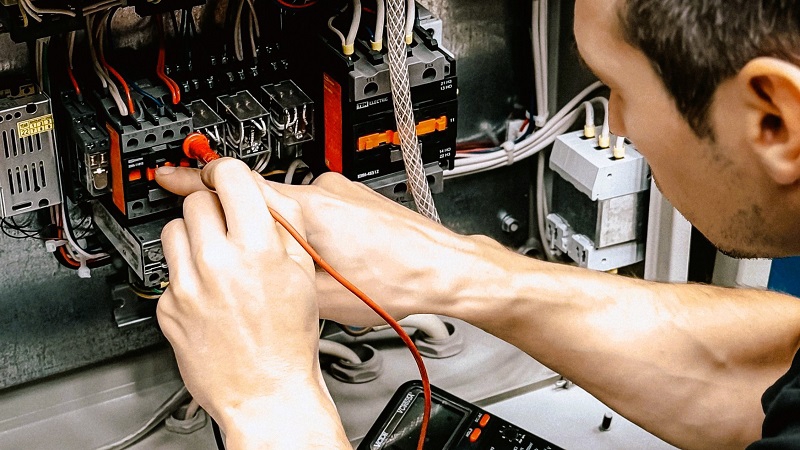
Contact a licensed electrician whenever warning signs persist or multiple electrical wiring issues appear simultaneously. A professional can perform thermal imaging, inspect load distribution, identify hidden wiring faults, verify grounding integrity, and ensure your home's electrical system complies with current safety codes.
Upgrade to modern efficiency with EcoFlow
As homes adopt more connected devices, EV chargers, battery storage, and renewable energy systems, electrical management becomes increasingly complex.
Modern smart electrical panels provide greater visibility into household energy use, helping homeowners identify potential issues earlier while improving overall power management and system efficiency.
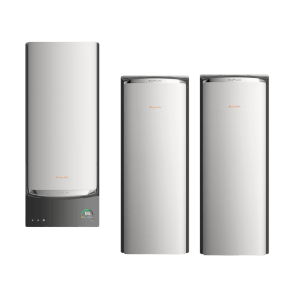
Introducing the EcoFlow OCEAN Smart Electrical Panel 40
The EcoFlow OCEAN Smart Electrical Panel 40 is designed to replace a traditional main service panel while helping homeowners monitor, control, and optimize household electricity through a single connected platform.

Real-time circuit monitoring: Monitor up to 40 individual circuits with real-time visibility into power consumption, voltage, and energy flow through the EcoFlow app, making it easier to identify abnormal usage patterns and improve household energy awareness.
Smart circuit control & load prioritization: Control individual circuits remotely and prioritize essential appliances during outages. Non-essential circuits can be scheduled to shut off automatically, helping extend backup duration while keeping critical household loads powered.
Intelligent energy scheduling: Create custom schedules for individual circuits to shift high-energy appliances to off-peak electricity periods, improving overall energy efficiency while helping homeowners better manage daily electricity consumption.
Seamless whole-home energy integration: Acts as a central hub for modern home energy systems by integrating with EcoFlow OCEAN Pro, solar installations, home battery storage, EV chargers, and backup power sources through a unified energy management platform
Get Your Free Home Energy Consultation!
Which energy solution are you interested in?

Signing off
Electrical problems rarely appear without warning. Frequently tripped breakers, flickering lights, overheating outlets, burning odors, and unusual sounds often indicate underlying issues that should be addressed before they become serious safety hazards.
Understanding these warning signs allows homeowners to respond quickly, reduce the risk of electrical fires, and protect valuable appliances. While professional inspections remain essential for diagnosing and repairing faults, modern technologies such as smart electrical panels provide greater visibility into household energy usage and circuit performance.
By combining prompt maintenance with proactive electrical monitoring, homeowners can create a safer, more reliable, and energy-efficient home for the future.
Frequently Asked Questions (FAQs)
What are some common electrical issues?
Some of the most common electrical issues include frequently tripped breakers, flickering lights, overloaded circuits, faulty outlets, loose wiring connections, voltage fluctuations, and outdated electrical panels that can no longer safely support modern household power demands.
Are flickering lights always a sign of a dangerous electrical issue?
Not always. Temporary flickering may occur when large appliances start, but persistent flickering, widespread dimming, or lights that frequently fluctuate could indicate loose wiring, overloaded circuits, or electrical panel problems requiring professional inspection.
What should I do if an outlet smells like burning plastic?
Stop using the outlet immediately and unplug any connected devices if it is safe to do so. Turn off power to the affected circuit, avoid further use, and contact a licensed electrician to inspect the wiring.
How do I know if my home needs an electrical panel upgrade?
Repeated breaker trips, insufficient circuits, frequent use of extension cords, adding EV chargers or solar systems, and an older panel struggling with modern electrical loads are all common signs that an upgrade may be beneficial.

