
When Is the Best Time to Charge EV at Home for Maximum Savings?
Learning how to fuel an electric vehicle efficiently is a critical first step for new owners. Depending on the local utility provider, electricity rates shift throughout the day. Because of these daily price changes, finding the best time to charge EV at home heavily impacts overall ownership costs. Picking the right schedule often means the difference between a surprisingly high utility bill and a highly affordable daily commute.
In this overview, we will explore time-of-use pricing, the debate over nighttime versus daytime charging, and practical ways to balance convenience with energy savings. Furthermore, integrating a home battery backup system helps families effortlessly access off-peak rates. This ensures the vehicle remains ready to drive without causing a sudden spike in monthly expenses.
Why Charging Time Matters More Than Most EV Owners Realize
Plugging in a car is completely different from charging a smartphone. The massive battery packs inside modern electric vehicles hold a substantial amount of power. Consequently, timing the charge cycle proves just as important as the charge itself.
The Link Between EV Charging and Electricity Rates
Utility companies rarely charge one flat rate for power. Instead, prices change based on community demand. During the late afternoon, people return from work, turn on air conditioners, and cook dinner. Because everyone uses power simultaneously, these peak-demand periods cost much more.
Adding a vehicle to this evening rush means buying electricity exactly when it is most expensive. Without a solid plan, EV charging quickly becomes a massive household power draw. To keep costs down, many drivers seek ways to avoid this evening rush.
The Impact on Your Monthly Energy Bill
To put this into perspective, a Level 2 charger can draw as much power in one hour as an oven, a dishwasher, and a refrigerator running concurrently. Drawing that much energy during peak pricing windows rapidly inflates a monthly utility bill.
Therefore, daily charging habits shape annual costs. Delaying the charging session by a few hours can easily cut the electricity price in half. A slower, cheaper charge overnight is far more cost-effective than a fast charge in the early evening. Ultimately, finding the best time to charge electric vehicle batteries helps keep long-term costs remarkably low.
How Utility Rate Plans Affect EV Charging Costs
Before setting a routine, checking how the local utility company bills for electricity is essential. While rules vary by provider, most plans fall into a few clear categories. According to the U.S. Department of Energy's home charging guidelines, understanding these rate structures and ensuring proper residential electrical installation is vital for maximizing EV savings.
Time-of-Use (TOU) Plans
Time-of-Use (TOU) pricing is incredibly common across the United States. Under a TOU plan, electricity costs change based on the time of day. Power is usually cheapest late at night when the grid is quiet. Conversely, it costs the most between 4:00 PM and 9:00 PM.
Many drivers switch to these plans deliberately. By utilizing late-night off-peak hours, the financial savings can be huge. Exploring home battery backup options alongside a TOU plan also allows homeowners to store cheap night energy for use during expensive daytime hours.
EV-Specific and Flat-Rate Plans
Certain utility companies offer programs designed exclusively for electric vehicle owners. These plans feature separate EV charging rates and special discounts, such as an ultra-low rate exclusively between midnight and 5:00 AM.
Conversely, some regions still use traditional flat-rate plans where the price of a kilowatt-hour remains constant. Under a flat rate, charging time matters less financially. Still, charging at night remains helpful because it reduces physical strain on the local power grid
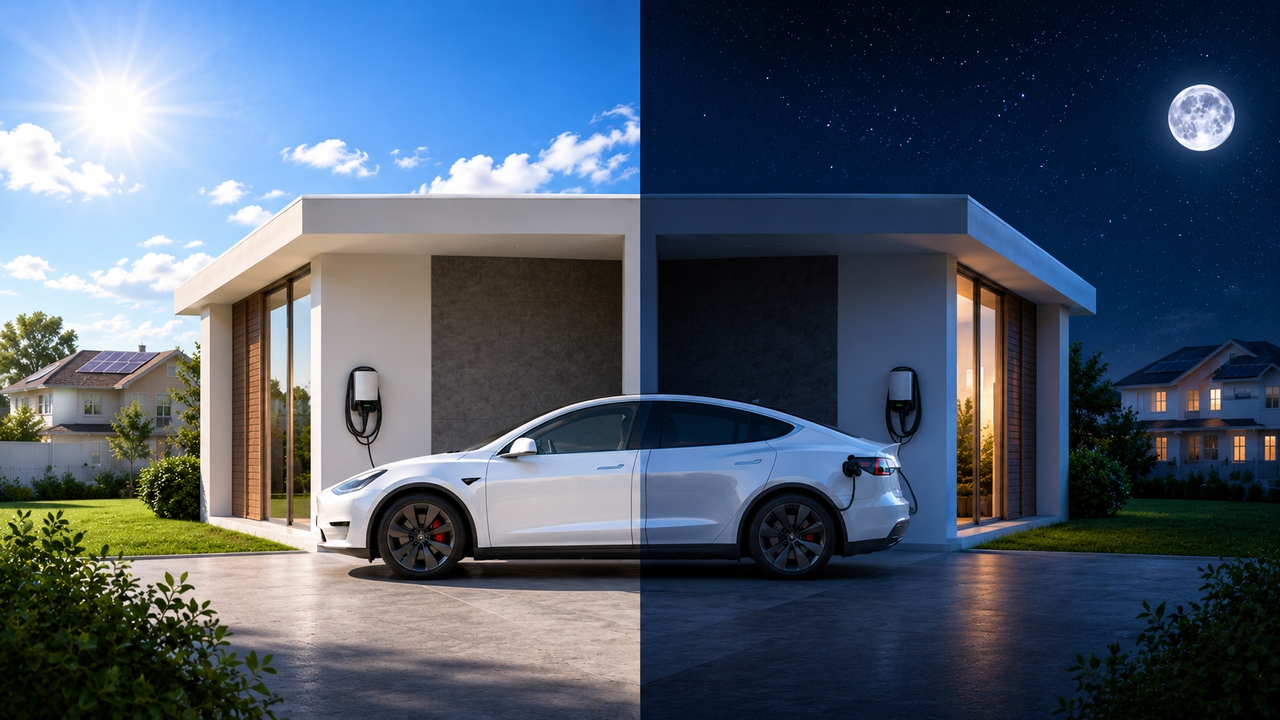
Comparing Day vs. Night Charging: Which Is Better?
There is no single answer to whether day or night charging is best. The right choice depends entirely on a driver's lifestyle, location, and home energy setup.
Situations Where Night Charging is Better
For most drivers on TOU plans, the best time to charge EV batteries is overnight. Setting the car to charge while the household sleeps ensures access to the lowest utility rates. Nighttime charging also supports a convenient routine, allowing drivers to wake up to a fully "fueled" car every single morning.
Situations Where Daytime Charging Can Be Beneficial
Daytime charging is gaining popularity, largely due to residential solar production. When a house produces excess solar energy in the afternoon, sending that free power straight into a parked car is highly efficient. For people with flexible work-from-home schedules, plugging in at noon is often the most environmentally friendly option available.
Smart Ways to Reduce EV Charging Costs at Home
Lowering electricity expenses does not require constant manual effort. Modern technology offers streamlined ways to keep costs down automatically.
Schedule Charging During Off-Peak Hours
The easiest method to save money involves built-in vehicle scheduling tools. Almost every modern electric car has a dashboard menu or smartphone app for setting specific charging windows. By telling the car to only accept power between midnight and 6:00 AM, drivers automatically capture lower rates.
Pair Charging With Solar Generation When Available
For homes with solar panels, the best time to charge an electric car at home shifts directly to daylight hours. Using excess solar production allows a driver to fuel their vehicle entirely using renewable energy.
This practice limits reliance on grid electricity, dramatically reducing the marginal cost of each charging session — and when powered entirely by home solar, the per-charge electricity cost can approach zero.
Use Smart Energy Management to Automate Savings
Some homeowners use home energy systems that automatically shift electricity use toward lower-cost periods.
Automated Load Shifting and Storage
Many homeowners install energy systems that automatically shift electricity use toward lower-cost periods. While manually timing vehicle charging alongside solar production gets tedious, advanced electrical setups handle the heavy lifting automatically.
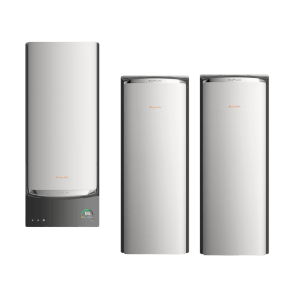
When managing high-demand loads, a smart energy ecosystem ensures efficiency without constant manual input. For instance, the EcoFlow OCEAN Pro Home Solar Battery offers 10kWh of storage per module (scalable up to 80kWh) and seamlessly handles heavy loads with a 24kW continuous output. Through its Intelligent Mode, it actively shifts EV charging sessions to off-peak hours or utilizes surplus daytime solar, radically reducing monthly bills.
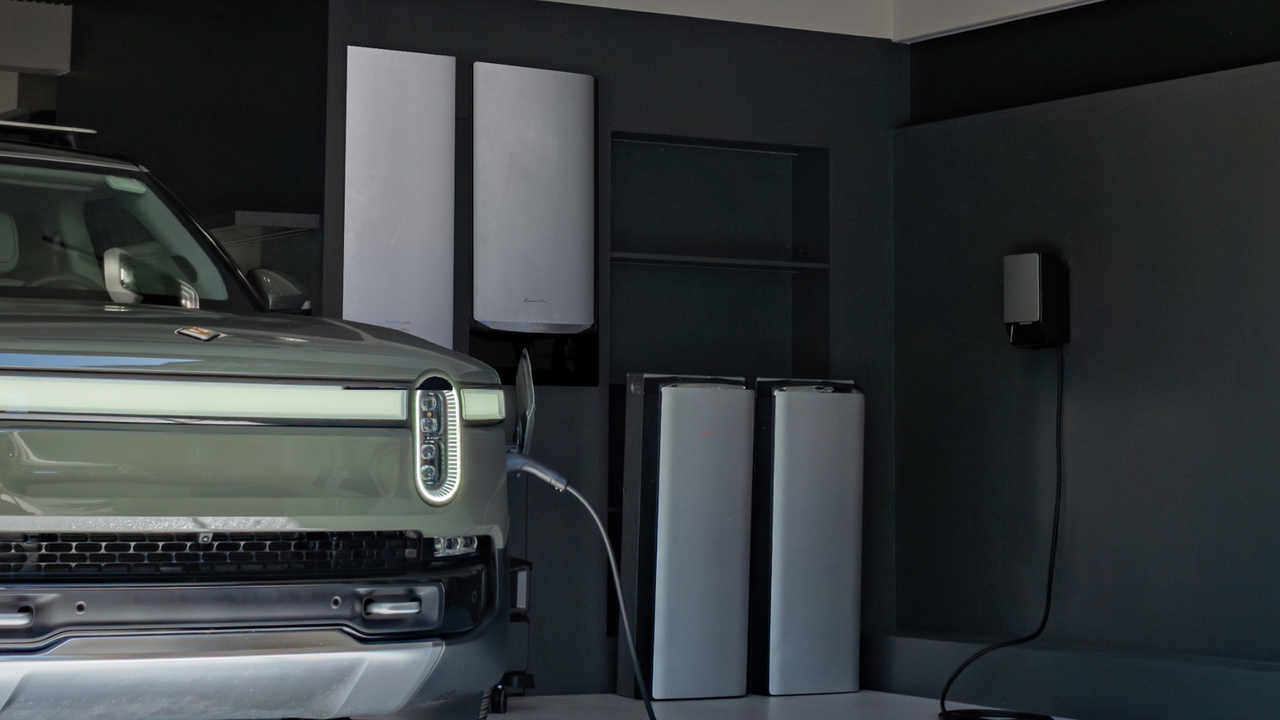
Imagine returning home from work at 6:00 PM, exactly when expensive peak utility rates take effect. The Ocean Pro system recognizes the high grid prices and intelligently discharges stored daytime solar energy into the vehicle instead. This practical feature allows families to enjoy instant convenience while completely bypassing the grid's most expensive hours.
Completing the Ecosystem with EV Charger
To truly maximize your automated savings, pair the battery system with the EcoFlow OCEAN EV Charger, designed exclusively for use within the EcoFlow OCEAN Pro ecosystem. This Level 2 charger delivers a robust 48A output—capable of adding up to 46 miles of range per hour. Governed by Intelligent Mode, it dynamically adjusts based on real-time pricing and solar availability, ensuring your car charges efficiently without demanding your constant manual input.
Are you ready to resolve your uncertainty about high utility bills and home charging costs? We can help you navigate peak energy rates and protect your home from sudden price spikes. Request a consultation today to find the perfect intelligent energy solution tailored to your daily needs.
Get Your Free Home Energy Consultation!
Which energy solution are you interested in?
Tips for Maintaining Electric Vehicle Battery Health
Timing your charges saves money, but preserving the physical lifespan of the battery is equally important. Replacing a degraded battery is costly, so adopting good habits early pays off significantly. For comprehensive technical guidance, the official FuelEconomy.gov guide on EV batteries offers excellent insights into the underlying technology and how to maximize lifespan.
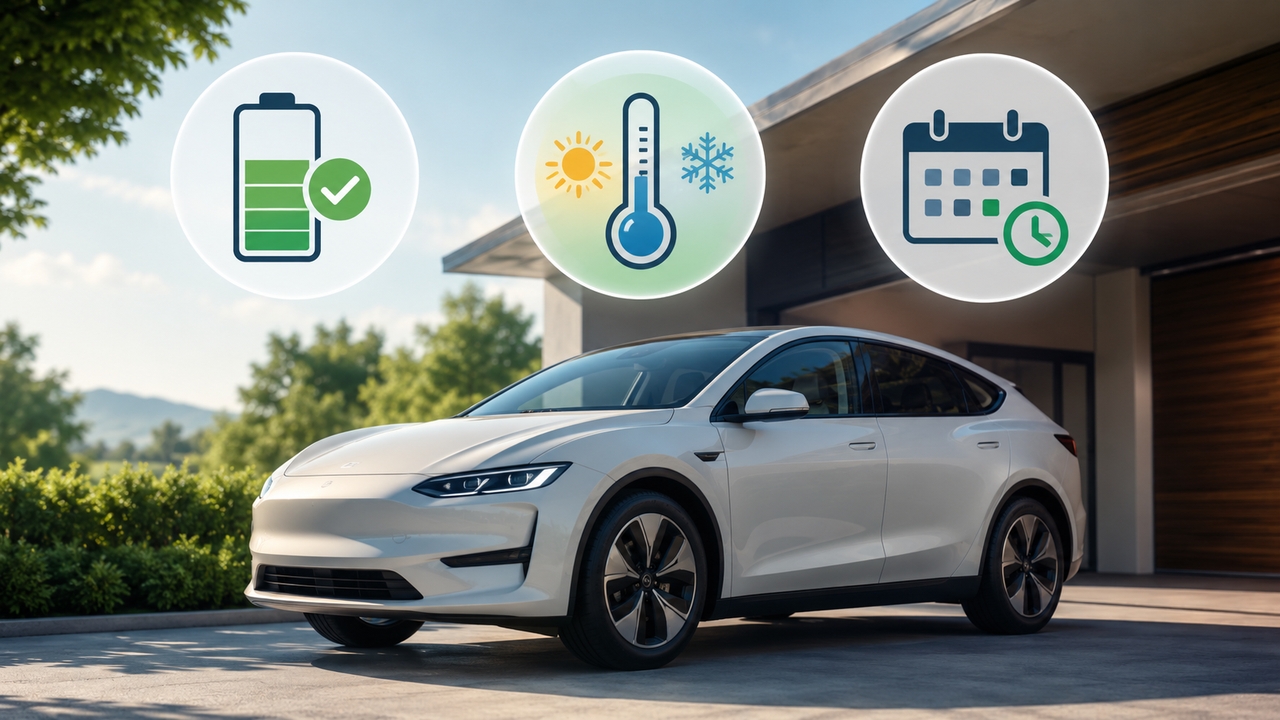
The 80% Rule
Limiting the daily charge to 80% is one of the most effective ways to protect battery life. Lithium-ion batteries experience physical stress when packed completely full. Unless a long road trip requires maximum range, keeping the daily charge level capped at 80% significantly extends battery longevity.
Avoiding Extreme Temperatures
Battery cells remain highly sensitive to their environment. Excessive heat degrades them much faster. Parking and charging in a shaded area or inside a cool garage proves highly beneficial. Avoiding prolonged exposure to temperatures above 95°F (35°C) helps prevent accelerated battery degradation and keeps the vehicle's thermal management system from overworking, thereby maintaining long-term cell stability.
Consistent Charging Habits
Many new owners wonder, should I charge my electric car every night? The answer is generally yes, provided the limit is capped at 80%. Setting a reliable schedule works much better than waiting until the battery drops to 0% before plugging in. Allowing the car to take small, consistent sips of power each night keeps the battery conditioned and healthy.
Conclusion
Finding the best time to charge an EV at home comes down to understanding local utility pricing. Taking advantage of off-peak nighttime hours or using daytime solar energy drastically lowers commute costs. Embracing smart home ecosystems and battery storage automates this process entirely. By combining smart scheduling with good battery care, homeowners easily enjoy electric driving while keeping long-term expenses to an absolute minimum.
FAQs
How do I keep my EV battery healthy?
Limit your daily charge to 80%, avoid letting the battery drop to zero, and keep the vehicle parked in shaded or cool environments. Small, consistent charging sessions prevent heat damage and preserve long-term cell health.
What is the cheapest time to charge your electric car at home?
For most homes on a Time-of-Use plan, the cheapest time occurs overnight, usually between midnight and 6:00 AM. During these off-peak hours, overall grid demand drops, prompting utility companies to significantly lower their rates.
Should I charge my electric car every night?
Yes, plugging in nightly is highly recommended. For instance, pairing a nightly routine with the EcoFlow Ocean Pro system allows Intelligent Mode to manage the power flow safely. Just ensure the vehicle's limit is safely capped at 80%.
What drains an EV battery the most?
Driving at high highway speeds and running the cabin heater in freezing weather consume the most battery power. Aggressive acceleration and heavy air conditioning use also heavily reduce the vehicle's overall driving range.
Is it cheaper to charge an EV at night or during the day?
Usually, night charging costs less due to off-peak grid rates. However, if a home generates its own renewable solar energy, daytime charging actually becomes the most affordable method since the power is practically free.

