
UK Storm Preparation Checklist: How to Protect Your Home During Storms and Power Outages
To get your home ready for a UK storm, clear the gutters and secure anything loose outdoors before severe weather arrives, ideally while conditions are still safe. Once high winds hit, stay indoors with the windows and doors secured, and consider unplugging sensitive electronics if there is a risk of electrical surges. This guide gives you a practical checklist covering everything from securing the garden and checking your property before a storm to managing power cuts and checking for damage safely once the weather has passed.
Key Takeaways
A bit of preparation before the storm can help reduce the risk of costly damage: blocked rainwater gullies, deteriorating fence posts, and loose chimney flashings are among the issues worth checking before severe weather arrives.
Get blackout-ready: save the national power cut emergency number (105) to your mobile, keep your power banks charged, and avoid open flames such as candles where possible.
Plan for power continuity: fixed home battery systems can provide backup power to supported circuits during a grid outage.
Safety first after the storm: Photograph visible damage when it is safe to do so, and stay well clear of fallen or damaged overhead cables.

How Should You Prepare Your Home Before a UK Storm?
Spending some time checking your property before the weather deteriorates can help reduce the risk of damage later. Before severe weather arrives, households with solar panels can also review their solar battery storage and backup arrangements.
| Checklist Item | Key Focus Area | Priority Tool / Action |
|---|---|---|
| Gutters & Downpipes | Clearing leaves, moss and other debris | Ground-level inspection, trowel where safe, running hose test |
| Garden & Patio | Trampolines, wheelie bins, parasols and other loose items | Shed or garage storage, suitable restraints, ground anchors where appropriate |
| Roof & Chimneys | Slipped tiles, deteriorating mortar and loose flashing | Ground-level visual inspection or binoculars |
Clear Gutters and Drains
Clear leaves, moss and other debris from your gutters before heavy rain arrives, and check that the downpipes are draining freely. If gutters or downpipes become blocked, water can overflow and increase the risk of water entering or damaging parts of the property. Only clear areas you can safely reach from the ground, and use a professional for work at height.
Secure Garden Furniture and Loose Items
When strong winds are forecast, move lightweight furniture, plant pots and bins into a shed or garage where possible. Secure larger items so they are less likely to be blown into windows, cars or neighbouring properties. Also check fence panels for loose fixings or signs of instability.
Inspect Roof, Chimneys and Windows
From the ground, look for loose or cracked roof tiles, damaged flashing around the chimney and aerials that are not properly secured. Check your window seals for gaps that could allow wind-driven rain to enter. Arrange any necessary repairs before the storm where possible, and leave roof work to a qualified professional. If you also arrange solar panel cleaning, have it completed in settled weather by a qualified professional.

How Can You Protect Your Home During a UK Storm?
When the Met Office severe weather warning is issued and conditions begin to deteriorate, focus on staying indoors, securing the property and avoiding unnecessary exposure to wind and debris.
Close and Lock Windows and Doors
Keep external doors and windows securely closed and locked during strong winds, and avoid opening them unnecessarily. Check that window locks are fully engaged, including smaller opening sections and fanlights. If you have an integrated garage, make sure the main roller shutter or up-and-over door is securely closed and, where applicable, locked according to the manufacturer’s instructions.
Limit Water and Debris From Entering
Wind-driven rain can enter beneath external doors, particularly where thresholds provide limited protection. Where appropriate, use suitable flood barriers or other temporary measures around vulnerable entrances, following local flood guidance. Close curtains and blinds if severe weather is expected, but do not rely on them as protection against broken glass or flying debris.
Unplug Non-Essential Appliances
Lightning and faults on electricity networks can cause electrical surges that may damage sensitive equipment. Electronics such as televisions, desktop computers and games consoles can be vulnerable to voltage disturbances. Where appropriate and safe to do so, unplug non-essential electronics from the wall rather than relying only on the socket switch. Keep essential equipment connected only where it needs to remain powered and where doing so is safe.
How Do You Manage Power Cuts and Keep Essential Devices Running?
If the power goes out, check whether the outage affects only your home or the wider area, then take steps to keep everyone safe.
Check Your Fuse Box and Trip Switch
If surrounding properties still have power, you can check your consumer unit with a torch to see whether an RCD or circuit breaker has tripped, provided it is safe to do so. A faulty appliance or damaged outdoor electrical equipment can sometimes cause a local trip. For help distinguishing fuse faults from a wider outage, see how to determine if a fuse is blown.
Report the Power Cut via 105
Unlike your energy supplier, which handles your electricity account and billing, local electricity networks are operated by regional Distribution Network Operators (DNOs), such as UK Power Networks, National Grid Electricity Distribution and SP Energy Networks. Dialling 105 is free and connects you to the electricity network operator responsible for your area. They can provide information about known faults, restoration updates and available support.
Keep Torches and Emergency Lighting Ready
Candles and other open flames can create a fire risk during a power cut, particularly when people are moving around in low light. Instead, keep rechargeable LED lanterns, torches and charged power banks in accessible locations such as a hallway cupboard or kitchen drawer. Store them where they can be reached safely without having to search in the dark.
Set Up Home Backup Power for Power Cuts
UK winter storms can cause power cuts that interrupt appliances, heating systems, lighting and home broadband equipment. For households looking for backup power during longer outages, domestic battery storage can provide an alternative to petrol generators, depending on the system configuration and available capacity.
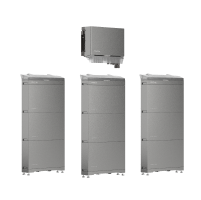
The EcoFlow OCEAN 2 Plus Single Phase system provides whole-home backup with a 0 ms load-side switchover under specified conditions. This can help keep supported household loads running when the grid goes down, subject to the system’s rated output, configuration and operating conditions. EcoFlow states that its 0 ms transfer time applies when local grid requirements are met, the grid is in an open-circuit state, the total backup load does not exceed the rated backup output, and grid conditions are stable. This allows supported household loads to remain powered during a grid outage, provided the system capacity and operating conditions remain within the specified limits until grid power is restored.
What Should You Do After a UK Storm Passes?
Even when the wind has eased, potential hazards may remain around your home and property. Once immediate safety issues have been addressed, you can review whether an EcoFlow Solar Battery setup would suit your future backup needs.
Inspect Your Home for Storm Damage
Only go outside once it is safe to do so and severe winds have eased. Walk around the property cautiously, looking for fallen branches, unstable masonry, damaged roof or guttering and other visible hazards. If you spot fallen, damaged or hanging electrical cables, stay well clear and contact your electricity network operator. For an immediate danger to life, call 999.
Verify Electrical Safety Before Reconnecting
If heavy rain or flooding has affected your roof, loft space or other parts of the property, water may have reached electrical wiring, switches or fittings. Before restoring power to affected areas, look for visible signs of water damage and avoid using electrical equipment that may have become wet. If water has entered the consumer unit, sockets or other electrical equipment, have the installation checked by a qualified electrician before restoring power.
Document Damage for Insurance Claims
If you need to make an insurance claim, photograph or record visible damage when it is safe to do so, including broken fence panels, damaged roofing and water-stained ceilings. Before throwing damaged items away or carrying out non-essential repairs, check your insurer’s requirements and keep relevant receipts for emergency work or materials. Temporary repairs may be appropriate when necessary to prevent further damage, but keep records and inform your insurer as soon as possible.
Review Your Backup Power Performance
Once grid power has been restored, reviewing how your household managed the outage can help you prepare for future weather events.
The EcoFlow PowerInsight 2, with its 11-inch touchscreen, can centralise household energy information in one place. It can display real-time energy consumption, solar generation and battery status, helping you review how your system performed during an outage. This can help you identify higher-demand loads, review essential backup requirements and assess whether additional battery capacity may be useful before the next storm season.
Schedule Your Free Consultation Today!
What kind of product or solution are you interested in?
Conclusion
UK storms can bring strong winds, heavy rain, property damage and power cuts, particularly during unsettled periods in autumn and winter. Proactive seasonal maintenance, securing loose outdoor items, clearing drainage and checking the roof can help reduce the risk of storm-related damage. Pair these precautions with a suitable home backup system, such as the EcoFlow OCEAN 2 Plus, and an energy monitor such as the EcoFlow PowerInsight 2, to help you understand your household’s energy needs and prepare for future power cuts.
Disclaimer: This article provides general information for storm and power-cut preparation in the UK. Weather conditions, power-cut response times, electrical safety requirements and insurance procedures can vary by location and circumstances. Always follow official guidance from the Met Office, your local electricity network operator and relevant authorities, and seek professional advice where required.
FAQs
What are the dangerous wind speeds in the UK?
There is no single wind-speed threshold at which conditions become dangerous everywhere in the UK. The risk depends on wind speed, gust strength, exposure, location and the condition of trees, buildings and infrastructure. The Met Office weather-warning system considers both the likelihood and potential impact of severe weather, rather than using a single wind-speed threshold. Amber warnings indicate an increased likelihood of impacts such as travel disruption, power cuts and risks to life or property.
Where can I find a thunderstorm tracker for the UK?
You can use the official Met Office website or app for weather warnings and forecasts, alongside lightning and radar services such as LightningMaps.org and Netweather Radar. Coverage and update methods vary between services, so check the source and timestamp when tracking developing thunderstorms.
How long does a power cut usually last in the UK?
Power-cut duration varies considerably depending on the cause, location and extent of the damage. Some local faults may be restored within a few hours, while severe storm damage, particularly in rural or hard-to-reach areas, can take much longer to repair. Under Ofgem’s power-cut rules, network operators have specific restoration standards, although the applicable timeframe depends on the circumstances and number of affected properties. Check your local network operator or call 105 for outage information and restoration updates.
How do I keep my fridge running during a power outage?
Keep the fridge and freezer doors closed as much as possible. A fridge should stay cold for up to about 4 hours, while a full freezer can stay frozen for up to 48 hours or about 24 hours if it is half full, although these are estimates. For longer outages, a suitable home battery or portable power solution can provide backup power if it is correctly sized and safely connected.
How do I recover from a flooded house?
Do not enter floodwater unless it is safe to do so, as it may hide electrical hazards, sewage, debris and other dangers. If your property has flooded, follow GOV.UK flood guidance, take photographs of the damage when safe, and contact your insurer as soon as possible. Do not use electrical equipment that may have been affected by floodwater until it has been checked by a qualified electrician. Once the water has receded, follow professional advice on pumping, cleaning and drying the property.

