
How to Determine if a Fuse Is Blown in a Home
Nothing worse than losing power halfway through a Sunday roast, or just as you’ve sat down with a brew. In most UK homes, it’s usually a blown fuse. This guide runs through how to determine if a fuse is blown in a home, what to do safely, and how newer smart kits can prevent these electrical hiccups from recurring.
How Can You Tell if a Fuse Is Blown
Before you call out an emergency electrician, there are a few things you can check yourself. Spotting a blown fuse usually just comes down to looking carefully.
Inspect Broken Metal Links Inside
Look closely at the thin wire inside if you are checking a glass-style fuse. A healthy fuse has an intact metal bridge; if this link is severed or shows a visible gap, the fuse has “popped” and needs replacing.
Look for Dark Brown Burn Marks
Heat is the primary enemy of electrical circuits. Often, a fuse that has succumbed to a major surge will leave behind tell-tale scorch marks or a cloudy, dark brown discolouration on the casing, indicating a significant thermal event.
Use a Multimeter to Test Continuity
Set your multimeter to the Continuity or Ohms setting to test ceramic fuses where you can’t see the internal wire. If the device beeps or shows zero resistance, the fuse is good. No beep means the internal circuit is broken.
Smell for a Distinct Burning Odour
Sometimes your nose knows before your eyes do. A blown fuse or an overloaded socket often emits a pungent, acrid smell of ozone or burnt plastic. If you catch this scent near your consumer unit or a plug, stop using that circuit immediately.

What Are the Safe Steps to Check a Fuse
Safety comes first with UK house electrics. Follow a simple routine, and you won’t turn a small problem into a nasty one.
Shut off the Main Power Supply
Don’t touch a fuse while it’s live. Go to your consumer unit – fuse box, to most of us and flip the main isolator off. No current is flowing while you check.
Stand on a Dry Rubber Mat
Ensuring you are grounded safely is vital in the damp British climate. Standing on a dry rubber mat provides an extra layer of insulation against potential electric shocks while you work on the panel.
Use an Insulated Fuse Puller Tool
Avoid using metal pliers or your bare fingers to yank out a stubborn fuse. An insulated fuse puller is designed to grip the fuse securely without risk of conductivity, making the removal process smooth and safe.
Inspect the Consumer Unit for Heat
Hover your hand near the breakers or fuses. If you feel heat coming off, that’s a loose connection or a serious overload.
Match the Correct Fuse Rating
Always ensure you replace like-for-like, as BS 1362 fuses are standard for UK plugs. Using a 13A fuse where a 3A is required can lead to dangerous overheating of the appliance’s cable.
| Fuse Rating | Typical Colour | Common Appliances |
|---|---|---|
| 3 Amp | Red | Lamps, Clocks, Small Radios |
| 5 Amp | Black | Traditional Lighting Circuits |
| 13 Amp | Brown | Kettles, Heaters, Washing Machines |
Why Does Your Home Fuse Keep Blowing
Understanding the “why” is just as important as the “how.” Recurrent issues usually point to underlying habits or circuit limitations within your home.
Operate Too Many High-Wattage Appliances
Many UK homes still rely on “Ring Main” circuits. If you’ve got the electric kettle, the toaster, and a space heater all running off the same ring, you’re likely to exceed the 30-32A limit of the circuit breaker.
Connect Devices with Short Circuits
A frayed cord on an old vacuum cleaner or water ingress in an outdoor light can cause a “short.” This creates a path of least resistance, causing a massive current spike that blows the fuse instantly to protect your home from fire.
Experience External Grid Power Surges
Sometimes the problem isn’t inside your home. Lightning strikes or maintenance work on the local grid can send a surge through your lines, overwhelming your fuses and sensitive electronics. You can better understand power surges if you learn what an electricity grid is and how it works.
Overload a Single Aging Radial Circuit
Older British properties may have radial circuits that aren’t designed for modern power demands. Plugging a high-spec gaming PC and a portable AC unit into an old 15A radial is a recipe for a dark room.
Use an Incorrect BS 1362 Fuse Type
Not all fuses are created equal. Using a poor-quality, non-ASTA-approved fuse can lead to premature failure or, conversely, a failure to blow when it actually should, putting your device at risk.

How to Prevent Blown Fuses from Happening Again
Stopping the cycle of blown fuses requires a mix of better habits and smarter technology. Here is how you can take control of your home’s energy flow.
Distribute Heavy Loads Across Circuit Rings
Avoid “stacking” high-draw appliances on the same socket or even the same wall. Spread your energy-hungry devices across different parts of the house to balance the load on your consumer unit.
Monitor Your Real-Time Power Consumption
In the UK, many households still struggle with overloaded Ring Mains; a kettle and a space heater running simultaneously can easily trip a fuse. To end this “blind usage,” installing the EcoFlow PowerInsight 2 is a game-changer. As your home’s energy command centre, its 11-inch HD screen provides real-time data on consumption and solar yield. Supporting the Matter protocol, it helps you pinpoint exactly which devices are straining your circuits, allowing you to manage loads via screen or voice before a fuse ever blows.
Integrate a Reliable Backup Power Source
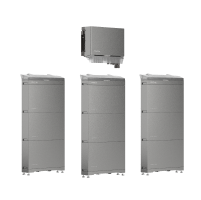
Faced with UK grid fluctuations or seasonal blackouts, merely replacing a fuse is a temporary fix. The EcoFlow OCEAN 2 Plus all-in-one backup system offers fundamental protection. With 0ms switching technology, it provides seamless power during outages, shielding expensive electronics from surges. Designed for the UK’s variable climate, its triple MPPT design maximises solar capture even on cloudy days. Furthermore, it integrates with over 500 dynamic tariffs (like Agile Octopus), predicting demand to save you up to 77.6% on energy bills while ensuring a stable supply.
Replace Faulty or Outdated Internal Wiring
If your home still has old rubber-insulated wiring or wooden fuse boxes, no amount of smart tech can fix the underlying danger. Periodic rewiring ensures your home meets modern BS 7671 standards and provides a safe foundation for modern home battery storage solutions.
Schedule a Professional Maintenance Check
A “periodic inspection” by a pro can catch loose terminations in your consumer unit that often cause overheating and “nuisance” fuse blows before they become a hazard.
When Should You Upgrade Your Home Power Setup
Modern living demands modern infrastructure. If you’re frequently reaching for the torch to check the fuse box, it’s time to consider a serious upgrade.
Switch to Modern Circuit Breaker Panels
Replacing an old-fashioned wire-fuse box with a modern Consumer Unit featuring RCDs (Residual Current Devices) and MCBs (Miniature Circuit Breakers) provides much faster protection and easier resetting.
Plan for Increased Household Energy Demand
As we move toward electric vehicles (EVs) and air source heat pumps, the load on British homes is skyrocketing. Ensuring your system can handle these 7kw+ loads is essential for future-proofing, particularly when considering the future of home EV stations.
Evaluate Smart Home Energy Management Systems
Moving beyond passive fuses to active management—using a dedicated home energy management system—allows you to see where every penny goes and prevents overloads automatically.
Contact a NICEIC-Registered Electrician
Always ensure any major work is carried out by a registered professional. They provide the necessary Building Regulations certificates (Part P) that you’ll need if you ever decide to sell your home.
Schedule Your Free Consultation Today!
What kind of product or solution are you interested in?

Conclusion
Determining if a fuse is blown is a vital skill for any UK homeowner, but it’s only the first step. While visual checks and multimeters can help you fix the immediate problem, the goal should be a home that is resilient to surges and overloads. By combining safe electrical practices with advanced monitoring tools like the EcoFlow PowerInsight 2 and robust backup systems like the OCEAN 2, you can transform your home from a place of “blown fuse” frustrations into a smart, energy-efficient sanctuary.
FAQ
1. Can a Fuse Be Blown but Look Fine?
Yes, a fuse can appear perfectly intact visually while having an internal break. This is especially common in ceramic fuses, where the wire is hidden; always use a multimeter to confirm continuity if you suspect a hidden failure.
2. Can I Replace a 13A Fuse with a 3A?
You can physically fit it, but it will likely blow immediately if the appliance requires more than 700 Watts. While it is “safer” than doing the reverse, it is impractical; always stick to the manufacturer’s recommended fuse rating for the specific device.
3. Why Does My Fuse Keep Tripping When Nothing Is Plugged In?
This usually indicates a “hard fault” in the permanent wiring of your home, such as a nail through a cable or moisture in an external junction box. If the fuse blows or the breaker trips with all appliances removed, call a qualified electrician immediately.
4. Is Tripping a Breaker and Blowing a Fuse the Same Thing?
They achieve the same goal—breaking the circuit—but through different methods. A fuse melts a physical wire and must be replaced, whereas a circuit breaker uses a magnetic or bimetallic switch that can simply be flipped back to the ‘on’ position.
5. Is It Safe to Leave a Blown Fuse?
Leaving a blown fuse in its socket is generally safe as the circuit is broken, but it should be removed to prevent confusion. However, you must identify the cause of the blow before replacing it to avoid immediate re-failure or potential fire hazards.

