
Solar Technology Advantages: How to Save Money and Cut Carbon in 2026
Between the unpredictable British weather and those eye-watering energy price caps, managing household bills has become something of a national pastime. However, more homeowners from Cornwall to Cumbria are looking up to find a solution. Transitioning to solar technology is a strategic move for your wallet. In this guide, we’ll explore how modern solar setups can slash your monthly outgoings, shrink your carbon footprint, and why smart management tools are changing the game for UK semi-detached and detached homes alike.
How Does Solar Power Lower Monthly Bills?
The most immediate “thank you” you’ll get from switching to solar is the noticeable drop in your monthly direct debit. By generating your own juice, you’re less reliant on the volatile wholesale energy market. Here is how the savings stack up:
Offset Peak-Time Electricity Rates
By using your stored solar energy during peak hours—usually between 4 pm and 7 pm when the kids are home and the kettle is permanently on, you can avoid the highest tariffs set by the grid.
Generate Free Power from Rooftop Panels
Once the installation is paid for, the sunlight hitting your roof is 100% free. Even in the UK, modern panels are efficient enough to provide a substantial chunk of your daily energy needs.
Store Excess Energy for Nighttime Use
Solar doesn’t stop working when the sun goes down if you have a home battery storage system. Storing surplus energy generated at midday allows you to power your lights and TV throughout the evening without drawing a penny from the grid.
Sell Surplus Power Back to the Grid
Through schemes like the Smart Export Guarantee (SEG), UK energy suppliers will actually pay you for the excess energy you pump back into the national network. It’s a nice little earner that helps the system pay for itself.
Cut Daily Grid Power Consumption
Every kilowatt-hour produced by your roof is one you don’t have to buy. Over a year, this drastically reduces your “grid dependence,” shielding you from future price hikes.
How Can Solar Reduce Your Carbon Footprint?
Beyond the financial perks, the environmental impact is profound. A typical UK residential solar system can save up to one tonne emissions per year.
Replace Fossil Fuels with Renewable Solar Energy
Most grid electricity still relies on gas-fired power stations. By choosing solar, you are directly swapping carbon-heavy fuel for clean, silent photons.
Lower Your Household’s Daily Carbon Emissions
From your morning toast to your evening shower, using solar power means your daily routine leaves a much smaller “carbon bruise” on the environment.
Support Local Renewable Energy Grid Sustainability
By generating and storing power locally, you reduce the strain on the national grid and help lower the overall demand for large-scale fossil fuel plants.
Power Electric Vehicles Using Natural Sunlight
If you’ve made the jump to an EV, charging it with solar panels makes your motoring truly “zero-emissions,” rather than just moving the tailpipe to a power station elsewhere.
Adopt Clean Energy for All Appliances
With a robust system, everything from your heat pump to your dishwasher runs on green energy, aligning your entire lifestyle with a sustainable future. Consider a solar water heater to further decarbonize your home’s hot water supply.
.png)
Why Is Smart Management Essential for Efficiency?
Having panels is one thing; knowing how to use them is another. Smart management ensures you aren’t wasting a single drop of harvested energy. Integrating a comprehensive home energy management system allows you to orchestrate your entire energy flow from a single interface.
Monitor Real-Time Energy Consumption Habits: Seeing exactly where your power goes helps you identify that “vampire” appliance left on standby.
Distribute Power Flow to Priority Devices: Ensure your fridge and home office stay live even if you’re trying to limit usage elsewhere.
Identify High Energy Draining Household Items: Is that old tumble dryer costing you a fortune? Smart monitoring will tell you.
Automate Energy Saving Modes During Sleep: Set your home to “low-power mode” overnight to stretch your battery capacity further.
Optimize Solar Storage Based on Weather: Advanced systems can “look ahead” at the forecast to decide whether to save battery power or use it.
What Tools Make Solar Transition Seamless?
To truly master the British elements, you need hardware designed for our specific challenges—like overcast skies and compact Victorian or 1930s housing.
Select High-Efficiency Energy Storage Systems
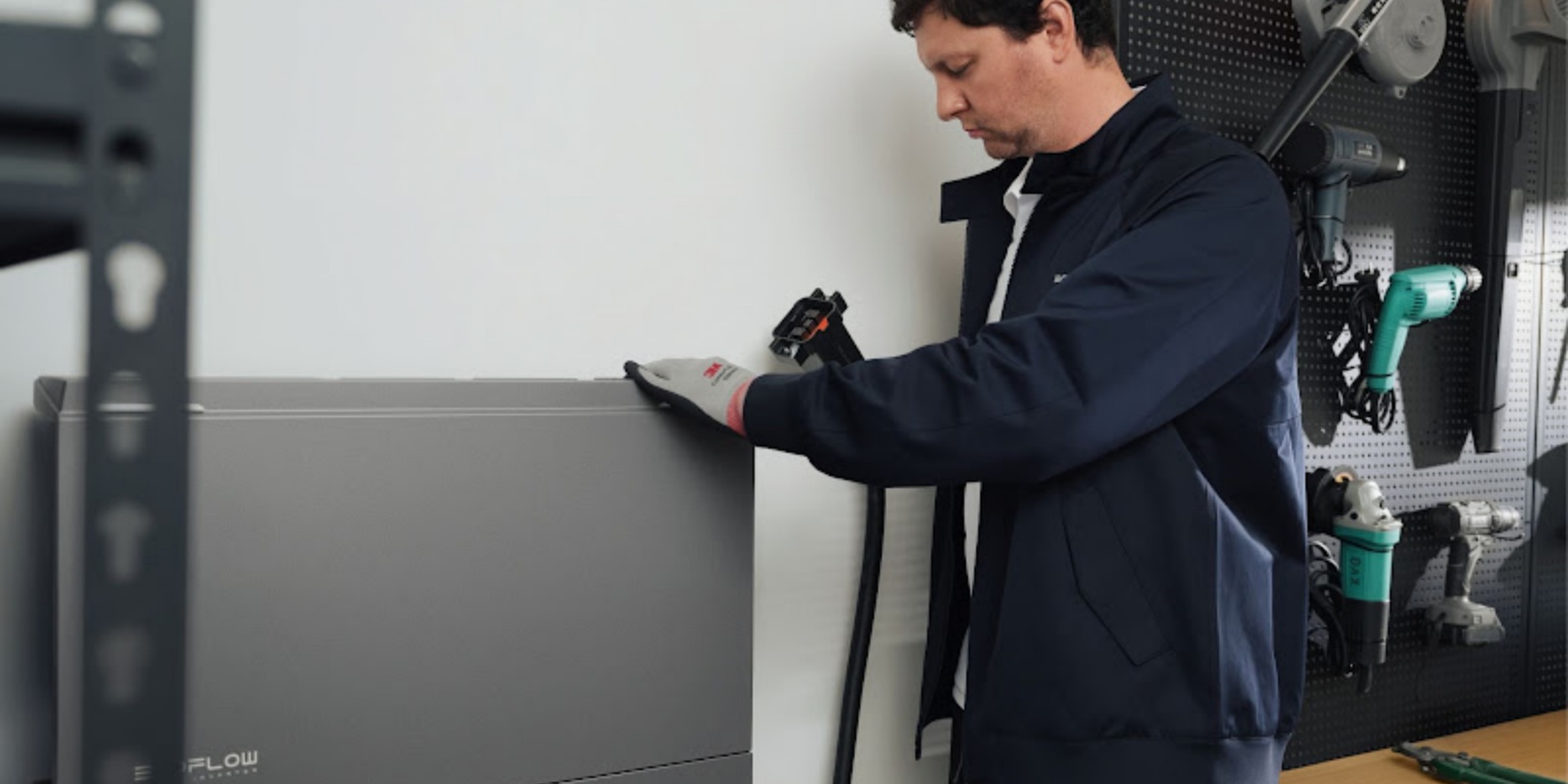
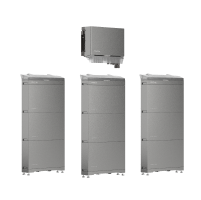
The biggest hurdle in the UK is our variable weather and complex architecture. The EcoFlow OCEAN 2 Plus is a masterclass in overcoming this. Its triple-independent MPPT design is a lifesaver for L-shaped roofs or semi-detached houses with separate garage elevations, ensuring every inch of sunlight is captured regardless of shading.
Furthermore, its 120V low-start voltage means it wakes up earlier on those grey British winter mornings than standard systems. With an integrated 72A backup, you won’t need to find space in a cramped utility cupboard for extra “backup boxes”, it offers a seamless UPS-level switchover during outages, making it the gold standard for UK retrofits.
Use Smart Displays for Energy Control
With the rise of “Time of Use” tariffs like Octopus Agile, managing energy manually is a headache. This is where the EcoFlow PowerInsight 2 shines. Its 11-inch touchscreen gives you a “cockpit view” of your home. It’s Matter-compatible, meaning it can chat with your smart thermostats and lights effortlessly. The built-in AI Energy OS is the real secret to ROI; it automatically schedules charging when prices are low and switches to battery when they spike, squeezing every penny of value out of your setup.
Integrate Whole Home Energy Management Systems
A unified system ensures your panels, battery, and appliances work as one cohesive unit, rather than a collection of disconnected gadgets.
Connect Modular Batteries for Scalable Power
The beauty of modern energy? You don’t need a crystal ball to get started. Modular systems let you buy a setup that fits your budget now, then add to it later – when your family grows, or you swap the petrol car for an EV. It’s energy that grows with you.
Take the EcoFlow OCEAN 2 Plus. It’s designed for the quirks of British homes. Standard systems struggle with shading on L-shaped roofs or the split orientation of a semi-detached house. This one uses a 3-way MPPT design, so each panel works at its best. It also handles our grey skies – the start-up voltage is down at 120V, so it catches weak morning light much earlier than rivals. Squeezes more out of a winter’s day.
Installation is straightforward, too. No bulky external backup box. It fits neatly into a tight utility cupboard or under the stairs – the usual spots in UK homes. And if the grid cuts out during a storm? The switchover is instant – zero flicker. Your Wi-Fi and appliances won’t even blink.
How to Start Your Solar Journey Today
Switching to renewables sounds like a big move. Tackle it in stages, and it’s actually pretty straightforward.
Assess Your Household Energy Consumption Needs
Before buying a single panel, grab your last few energy bills. Understanding your kilowatt-hour (kWh) usage during different seasons helps you size a system that covers your base load without being over-engineered. This evaluation is also the first step in calculating how long does it take for solar panels to pay for themselves based on your specific energy savings.
Check Local Government Solar Tax Incentives
The UK government currently offers a 0% VAT rate under the current scheme expiring 2027 on solar panels and battery storage installations for residential properties. This is a massive upfront saving that significantly shortens your break-even point.
Select Proper Panel Locations for Sunlight
While south-facing roofs are the “gold standard,” East/West orientations are fantastic for capturing the morning and evening peaks when most families are actually home and using power.
Consult Professional Installers for System Setup
Always look for MCS-certified installers. Not only does this ensure a high standard of safety, but it’s often a requirement if you want to sign up for the Smart Export Guarantee (SEG) to get paid for your excess power.
Schedule Regular Maintenance for Maximum Output
Solar is largely “set and forget,” but a quick annual rinse of the panels (to get rid of that British road grime or salt air) and a professional check-up every few years will keep your efficiency levels pinned to the max.
Schedule Your Free Consultation Today!
What kind of product or solution are you interested in?
Conclusion
Going solar makes good financial sense for UK households these days. Pair something efficient like the EcoFlow OCEAN 2 Plus with the PowerInsight 2’s smart scheduling, and even a rainy Tuesday can still work for you. You save money, keep the lights on during a blackout, and cut your carbon footprint, all without changing a thing about your day.
FAQ
1. How to Use Solar Panels During a Power Outage in the UK?
You need a system with a “gateway” or “backup” function to use solar during a blackout. Most standard grid-tied systems shut down during a cut for safety, but with a 0ms switchover system, your home stays powered without you even noticing the grid went down.
2. Will My Solar Panels Work on a Cloudy Day?
Yes, solar panels work on cloudy days by using “diffuse” sunlight. While they won’t produce as much power as they do in direct midday sun, modern high-efficiency panels are specifically designed to harvest energy even under the typical British grey sky.
3. Which Is Better, A Grid-Tie or Off-Grid Solar System?
For most UK homeowners, a “Grid-Tie with Battery Storage” (Hybrid) is the best option. It allows you to stay connected for backup while maximizing your own solar usage and earning money by selling surplus energy back to the grid.
4. How Much Space Do You Need for a Solar Battery?
Modern batteries are quite compact; the EcoFlow OCEAN 2 Plus is designed to fit into narrow UK utility spaces or garages. Because it integrates many components into one unit, it takes up significantly less room than older, modular lead-acid setups.
5. Do Solar Energy Systems Require a Lot of Maintenance?
No, solar systems are remarkably low-maintenance because they have no moving parts. A simple check every year to ensure panels are clean and a professional electrical health check every 3-5 years is usually all that’s required.

