
Solar power cost analysis in 2026: Why solar energy and home storage are on the rise in the UK
The solar power cost for UK homeowners has dropped significantly over recent years, making rooftop panels and home battery storage a practical choice for reducing electricity bills. As hardware prices continue to fall and energy rates remain volatile, storage solutions from EcoFlow are helping households take control of their energy spending.
Learn what the cost of solar power might look like in 2026 and how solar home storage is becoming a quintessential upgrade.
How solar power cost per kWp is calculated in the UK
The cost of solar power in the UK depends on a mix of regulatory frameworks, government policy, and market forces. The solar price per kW varies based on several factors:
Roof type: Complex roofs like slate with steep pitches make installation more difficult and costly.
Mounting method: Integrated systems that require removing roof panels are pricier, while retrofit setups that don’t need waterproofing are cheaper.
Inverter choice: Higher-quality inverters cost more upfront but could save money in the long run.
Installer fees: Installation costs vary regionally. Accredited groups charge more but also often provide better warranties.
Considering these factors, the average cost of solar panel installation in the UK for 2026 is estimated at £1,400 to £1,600 per kWp for 4-10 kWp PV systems.
How much does solar power save?
A typical UK home with a 4 kWp solar system generates about 3,400 kWh annually. Without a battery, at an import price of £0.25 per kWh and an export rate of £0.09 per kWh, you save around £297.50 by consuming your solar energy directly. You also earn about £198.90 from exporting surplus power to the grid. The cost of solar energy per kWh is therefore considerably lower than buying from a supplier.
Simply put, each kWh your panels produce is nearly three times more valuable when used yourself.
Understanding the solar payback period
The solar payback period is the time required for savings and export income to cover the initial investment. In the UK, payback ranges from 7 to 12 years, depending on installation quality and self-consumption levels.
Solar battery storage: how adding a battery strengthens your return
Adding a battery to your system significantly increases self-consumption by enabling storage of excess power. Here’s how it works.
Why storage raises self-consumption
Without storage, homeowners can only use part of their power directly, feeding surplus back into the grid at a lower rate than imported electricity. Storage enables the use of excess energy at night, increasing home solar utilization.
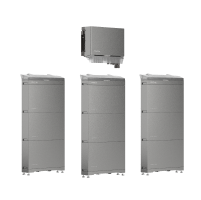
Adding a battery can increase self-consumption by 20%-50%, depending on size. Systems like EcoFlow PowerOcean offer modular, scalable batteries. EcoFlow HEMS optimises when to store, use, or export energy based on your habits. PowerInsight 2 provides real-time visual tracking of your home's energy use as an all-in-one monitor.
Typical battery sizing and effects on savings
Savings grow with larger batteries, but only up to a point. For UK homes with 4-6 kWp solar panels and typical usage, a 5-10 kWh battery offers the best savings.
Efficiency matters too—losses during energy transfer can cut into savings. A good Battery Management System (BMS) monitors and balances cells, boosting efficiency up to 97% and maximising your savings.
Time-of-use tariffs
Batteries help homeowners strategically time their use of grid energy to cut electricity costs. Suppliers charge more during peak hours, so you can programme your battery to charge from the grid when prices are low.
Studies show that combining solar with batteries and scheduling use around time-of-use tariffs can reduce electricity costs by 20-60%.
Policy and market factors shaping green solar costs in 2026
Policy tools like tax incentives, export payments, grants, and decarbonisation goals affect the economics of green solar energy—here’s how.
Zero VAT until 2027
The 0% VAT on solar panels in the UK lessens upfront costs, speeds up payback, and improves profitability for residential and commercial projects. This policy mainly applies to small domestic solar PV systems and some larger utility-scale installations, typically requiring MCS registration.
SEG payments
SEG payments reimburse homeowners for exporting surplus energy to the grid, though they’re less generous than feed-in tariffs. Some suppliers offer flat rates up to 5.5p/kW, while flexible tariffs provide 4-9p/kWh off-peak and 10-15p/kWh during peak times, encouraging exports and providing consistent earnings.
Grants and local support
The UK offers several grants for solar panels and subsidies that make green solar more accessible to homeowners. These include cash incentives, capital subsidies, and community grants that complement VAT relief.
Grid decarbonisation and national targets
Grid decarbonisation and targets aim to boost renewable energy with specific solar goals and a “roof first” approach prioritising solar. To meet these goals, the government promotes financial mechanisms, electrifies heating and transport, and reduces carbon intensity.
How to check if solar is cost-effective for your home
Solar panels aren’t always the most cost-effective solution for your particular home. First, you must note your energy habits, available financing options, and home setup before making a final decision.
Roof suitability
Your roof’s physical characteristics determine whether a solar panel will be most efficient for your energy production. An optimal roof would be south-facing, as it receives the most sunlight throughout the day. It should also be free of obstructions, such as billowing trees, chimneys, or neighbouring buildings.
Usage profile
This step entails matching your solar generation curve with your consumption habits. An ideal solar home should operate its appliances during peak generation hours, typically between 10 AM and 4 PM. Another factor to consider is whether you have an electric heating system that can accept surplus energy.
Export assumptions
Unused energy, when not stored in a battery, returns to the grid for a small payment. However, the benefit of SEG is much lower than what you’d save by using your own energy. Some providers offer higher rates during peak times, depending on your region.
Battery consideration
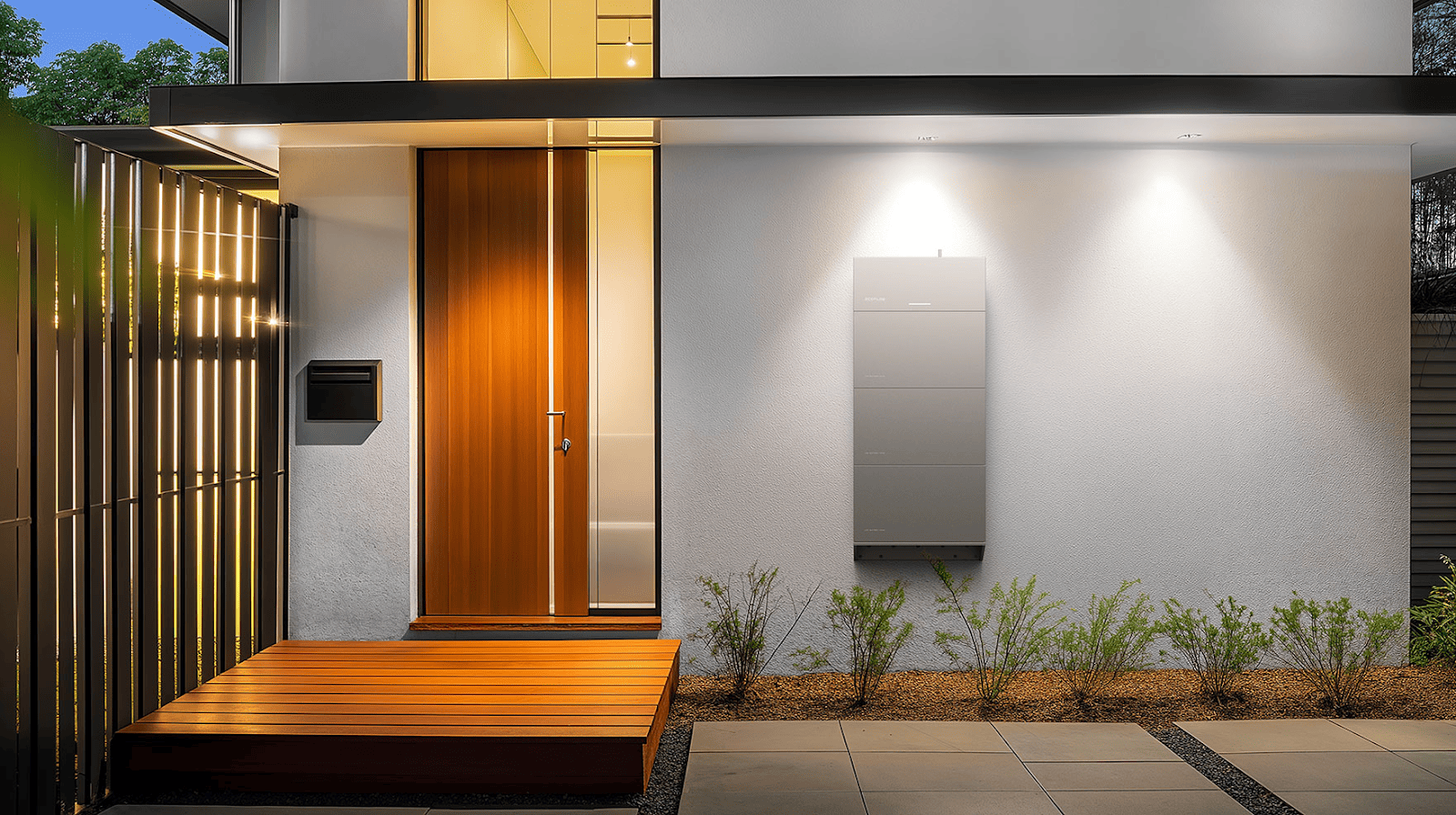
A home battery boosts self-consumption, especially for those with high evening energy use. It stores excess solar power instead of exporting it to the grid at a lower rate. With PowerOcean, managing your solar and prioritising home use is simple. You can start with 5 kWh and expand up to 45 kWh as your needs grow.
Schedule Your Free Consultation Today!
What kind of product or solution are you interested in?
Solar power energy pros and cons for UK homeowners
Solar power offers compelling benefits to many UK homeowners, but it isn’t for everyone. Let’s weigh the advantages versus the disadvantages below.
Pros
The main advantage of a solar system is reducing grid reliance and boosting energy savings, often over £100 annually. You gain more control through time-shifting, charging your battery during off-peak hours.
Since you generate your own energy, there are no price fluctuations. Modern systems also have lifespans of 25 years or more, with warranties to match. Although installation can be costly, hardware prices are steadily decreasing.
Cons
Owning a solar system involves a significant initial cost and variable energy output. The upfront price, including a battery, ranges from £6,000 to £13,000. Your savings depend on your energy usage, location, and roof condition—for example, winter months or poor roof orientation can reduce energy production.
If you rely on SEG payments, your breakeven point depends on your supplier. Rates vary from £0.03 to £0.15 per kWh, with the best tariffs often requiring importing electricity from that supplier.
Despite these factors, solar is generally cost-effective for most UK homes. Adding storage with PowerOcean can increase self-consumption and reduce reliance on the grid. Contact EcoFlow to learn how we can help set up a solar and battery system for your home.
FAQ
Do solar panels work effectively even in the UK’s cloudy weather?
Yes, solar panels can work well in the UK weather because they are very efficient and diffused sunlight still produces energy. Although they produce less energy in winter, a properly installed and maintained solar system can still work effectively.
How much does a residential solar system cost, and what is the payback period?
A typical 4 kW residential solar system for a 3-4 bedroom home costs between £6,500 and £8,500 including installation. The estimated payback period for a well-maintained system ranges between 6 and 10 years.
Is a battery essential for a solar system to be cost-effective?
While it isn’t necessary to have a battery for your solar system to be cost-effective, it can increase power and utility savings by storing surplus energy for later, providing access to a high-paying dynamic tariff, and providing backup power.
Do I need planning permission to install solar panels on my roof?
No, you don’t typically need planning permission to install solar panels on your roof, as they are considered a “permitted development.” However, exceptions may include Conservation Areas, Listed Buildings, or World Heritage Sites.
How much can I earn from the SEG?
Rates with SEG vary significantly by supplier and typically range between £0.04/kWh and £0.15/kWh. Your overall earnings will depend on how much surplus energy you’re able to sell back to the grid and which supplier or tariff you choose.

