
Solar Panel Battery: How It Works, Costs and How to Choose the Right System
Solar panels can help cut electricity bills, but most of the power they generate comes during the day, when household demand is often low. By the time you’re cooking dinner, heating your home or running appliances in the evening, solar output has usually dropped. A solar battery lets you store unused electricity for later instead of sending it all back to the grid. This guide explains how solar batteries work, what they cost in the UK and how to choose the right size for your home.
Key Takeaways
Bridge the daytime generation gap: A home battery stores the solar power you generate during the day, so you can run heavy appliances during expensive evening peaks without buying from the grid.
Pick the setup that suits your home: New installations can go for a space-saving DC-coupled all-in-one system, while AC-coupled systems are the flexible option for retrofitting onto existing solar panels.
Put flexible tariffs to work: Pair a battery with a dynamic or time-of-use tariff and it charges automatically overnight at off-peak rates, keeping winter costs remarkably low.
The right size beats maximum capacity: When sizing a battery, balance usable capacity against continuous power output, so it can handle several high-wattage appliances running at once.
How Do Solar Batteries for Solar Panels Work?
With solar battery storage, electricity generated during the day can help power your home in the evening.
A solar battery stores the electricity your panels generate but your home doesn’t use right away. Here’s how power moves between your panels, appliances, battery and the grid over the course of a day.
Solar Panels Generate Electricity From Sunlight
Rooftop photovoltaic (PV) cells absorb solar radiation and generate direct current (DC) electricity whenever daylight hits the roof. Even under typical grey British skies, modern monocrystalline panels harvest ambient, diffuse light to maintain steady generation across morning and afternoon hours.
Household Appliances Use Solar Electricity First
Electricity always follows the path of least resistance. Before any power travels into storage, generated electricity is routed straight into active domestic loads—keeping refrigerators running, home office laptops charged, and laundry appliances spinning during midday generation windows.
Excess Solar Electricity Is Stored in the Battery
Once the home’s immediate demand is met, any surplus generation goes into the battery instead of leaking straight back to the national grid for modest export payments. The system charges steadily through the afternoon, building up a reserve for the evening peak.
The Battery Supplies Stored Electricity When Solar Generation Is Low
In the evening, when solar generation drops and household electricity use increases, the battery supplies stored power through an inverter. If the battery can’t meet demand or runs out of charge, the home draws the remaining electricity from the grid.
What Types of Solar Panel Battery Systems Are Available in the UK?
In the UK, most home solar batteries use either a DC-coupled or an AC-coupled setup. The main difference is how they connect to your panels and inverter—which matters especially if you already have solar installed.
| System Type | Best Suited For | Round-Trip Efficiency | Inverter Configuration | Retrofit Feasibility |
|---|---|---|---|---|
| DC-Coupled | Brand-new solar + storage setups | Higher (~90%–94%) | Single hybrid inverter manages panels & battery | Requires replacing existing string inverter |
| AC-Coupled | Retrofitting existing solar arrays | Round-Trip Efficiency: High (~88%–90%) | Dedicated battery inverter sits alongside solar inverter | Highly flexible for retrofits; compatibility depends on the existing inverter, metering and electrical setup |
DC-Coupled Batteries
In a DC-coupled setup, the solar panels and battery share a single hybrid inverter. Power from the panels flows straight into the battery as direct current, without repeated conversions, so round-trip efficiency is higher. Because it relies on a shared inverter, this is the standard choice for brand-new installations where panels and storage go in together from the start.
AC-Coupled Batteries
An AC-coupled unit runs on its own dedicated inverter, completely independent of the existing solar string inverter. Power from the panels is converted to alternating current (AC) for household use, and any surplus is converted back to DC to charge the battery. These double conversions bring minor efficiency losses, but AC coupling makes adding storage to an established solar array effortless without disturbing existing Microgeneration Certification Scheme (MCS) inverter setups.

How Much Does a Solar Panel Battery Cost in the UK?
For a new solar-and-storage installation, our install solar panels cost guide explains the wider PV budget alongside battery costs.
Solar battery prices in the UK vary with storage capacity, battery type and installation requirements. A smaller system costs less upfront, while larger batteries and electrical upgrades push the total higher. Here’s what to budget for.
Solar Battery Prices Depend on Storage Capacity and Battery Type
Expect home storage hardware to range from £2,500 to £9,000+, depending on capacity and depth of discharge ratings:
Compact systems (3–5 kWh): £2,500 to £4,200. Suitable for small terraced properties and flats with lower electricity baseloads.
Standard family systems (6–10 kWh): £4,500 to £7,000. Sized to cover everyday cooking, evening entertainment and lighting for semi-detached homes.
Large multi-module setups (12–20 kWh+): £7,500 to £11,000+. Ideal for detached homes running electric vehicles (EVs) or air source heat pumps.
Solar Battery Installation and Additional Upgrade Costs
Installation and electrical upgrades typically add £800 to £2,000. That covers connecting the battery to the consumer unit, fitting isolation switches and setting up smart metering. Older homes may also need earthing or main fuse upgrades. In the UK, systems up to 3.68 kW per phase generally fall under G98 and can be notified to the Distribution Network Operator (DNO) after commissioning. Larger systems usually need G99 approval before installation.
How Do You Choose the Right Solar Panel Battery for Your Home?
Choose a solar battery based on your household’s electricity use, the appliances you need to power and whether you plan to expand your storage capacity later on.
Assess Your Household's Daily Energy Consumption
To put your meter readings in context, see how many kWh does a house use, then size storage around your own evening demand.
A smart meter or detailed utility bill shows your baseline electricity use in kilowatt-hours (kWh). Subtract your daytime baseline from your total daily use to work out your typical evening-to-morning requirement. Sizing a battery around that evening figure avoids paying for storage capacity you won’t use, while making sure the home stays off-grid through dinner and bedtime.
Compare Battery Usable Capacity and Continuous Power Output
Battery capacity decides how much energy you can store, while continuous output decides how many appliances can run at once. A 2 kW battery, for example, may struggle to run a heat pump, induction hob and kettle together, and will pull extra power from the grid. A system rated 5 kW or higher takes that load in its stride.
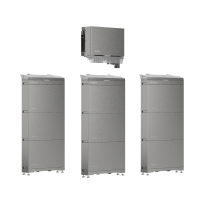
If you’ve got a bigger household, an awkward roof layout or plans to expand your solar later, it’s worth choosing a battery with more flexibility. The EcoFlow OCEAN 2 Plus Single Phase has 3 independent MPPT trackers, so panels on different roof sections or facing different ways are each managed properly. It also supports modular expansion, allowing you to add storage as your needs grow. For households wanting to lean less on the grid and have backup power on hand, that makes it a sensible pick.
Check Compatibility With Your Existing Solar Inverter
Connecting a DC battery means checking whether your existing solar inverter supports bidirectional storage management. Older standard string inverters can’t manage battery charging cycles directly; in that case, an AC-coupled unit saves you the costly job of ripping out and replacing working hardware.
Evaluate Battery Chemistry, Lifespan and Warranty Coverage
Lithium Iron Phosphate (LiFePO4 or LFP) has become the gold standard for domestic energy storage. Compared to traditional nickel-manganese-cobalt (NMC) chemistries, LFP cells run cooler, resist thermal degradation, and easily deliver 6,000+ operational cycles at 90% or greater Depth of Discharge (DoD). Look for warranties covering at least 10 years with a guaranteed retained capacity of 70% or higher.

How Can You Get the Most Out of a Solar Panel Battery?
A home energy ecosystem can coordinate solar generation, storage and household loads to help you use energy more effectively.
Installing a battery is only part of the equation. When you charge it, how much power you keep in reserve and how you use stored electricity can all affect your savings. A few adjustments can help you make better use of your system.
Use Smart Tariffs to Optimise Battery Charging and Discharging
Dynamic and time-of-use tariffs can help reduce charging costs when your battery and tariff are compatible. Agile Octopus prices vary every half hour, with peak pricing usually between 4 pm and 7 pm; it does not offer a guaranteed cheap overnight window. Check current rates, eligibility and battery settings before scheduling charging, as savings depend on your tariff, losses and household demand.
Set Battery Reserve Levels for Backup Power Needs
Severe weather can trigger localised power cuts. Most storage management platforms let you set an Emergency Power Supply (EPS) reserve threshold, often 20% to 30%. A reserve only supports selected circuits during an outage if the installation has compatible backup hardware and appropriate wiring. Runtime depends on available charge and connected loads; medical equipment requires a separately assessed backup plan.
Monitor Battery Performance and Household Energy Consumption
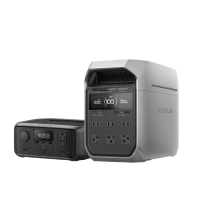
Effective energy management relies on clear, real-time insight into generation, consumption and storage patterns. To get the most value from solar storage, homeowners need to track where power is going at any moment, confirming whether daytime arrays are meeting instant demand, checking surplus storage levels, and verifying that evening reserves can carry the household overnight. The EcoFlow PowerInsight 2 simplifies this by presenting complex energy flows on an intuitive 11-inch touchscreen. By bringing solar generation, live household demand and battery operating metrics together in one clear interface, it takes the guesswork out of energy management. Homeowners can check real-time system performance at a glance and fine-tune appliance schedules to cut unnecessary grid reliance.
Schedule Your Free Consultation Today!
What kind of product or solution are you interested in?
Conclusion
A solar battery helps UK households use more of the power they generate, rather than buying it back from the grid later. Whether it’s worth it depends on how you use energy, the battery size, installation costs and your tariff. Before picking a system, work out how much power you typically need in the evening and whether features like expandable storage, backup power and smart energy monitoring would actually be useful in your home.
FAQs
Is a Solar Battery Worth It for UK Homes in 2026?
A solar battery can be worthwhile, but financial returns depend on installation costs, household demand, import and export tariffs, and battery efficiency. Qualifying home battery installations benefit from temporary 0% VAT until 31 March 2027. SEG does not set a universal 2p–5p/kWh rate; compare your supplier’s export offer with the value of storing electricity before estimating payback.
Can You Add a Home Battery to Existing Solar Panels?
Yes. An AC-coupled battery can often be added to an existing rooftop solar system without replacing the original solar inverter. It connects through a separate battery inverter, but compatibility, metering, switchboard capacity and grid connection requirements must be checked before installation.
What Size Solar Battery Do I Need for My Home?
An average UK three-bedroom household typically needs 5–10 kWh of battery capacity to comfortably cover demand after dark. If your home runs an air source heat pump or charges an EV overnight, you may need a modular system sized between 12 and 20 kWh.
What Maintenance Is Required for Solar Battery Systems?
Solar battery systems need virtually no day-to-day physical maintenance beyond visual checks and keeping ventilation grilles dust-free. System health, cell balancing and firmware updates are all handled automatically by the internal Battery Management System (BMS) over your home Wi-Fi.
Does a Solar Battery Work on Cloudy Days?
Yes. A solar battery works reliably on overcast days, because panels still generate electricity from diffuse ambient daylight. Output is lower than on a bright summer afternoon, but any power generated above your home’s instant base load keeps topping up the battery.

