
Install Solar Panels Cost in the UK (2026): Full Price Breakdown & Savings Guide
By 2026, renewable energy in the UK is more accessible than ever. Technology continues to improve, and supportive tax policies are helping homeowners make the switch.
This guide is based on 2025–2026 UK installer pricing benchmarks, MCS-certified contractor data, and real household usage patterns across England and Wales. It breaks down current installation solar panel costs, the key factors that influence pricing, and how much you can realistically save on your annual electricity bills—all while accounting for the UK’s famously unpredictable climate.
How Much Does It Cost to Install Solar Panels in the UK?
If you just want a rough figure to work with, most UK homeowners should budget somewhere between £5,000 and £12,000 for a full solar PV setup. That covers the vast majority of semi‑detached and detached homes across the country.
For a typical three‑bedroom house, a 3kW to 5kW system usually hits the mark. When you talk to installers, you’ll hear them mention cost per watt – currently around £1.30 to £2.20. Determining how many solar panels are needed to power a house is the first step in calculating these upfront costs. It’s a handy way to compare quotes, no matter the system size.
| Home Size | Typical System Size | Estimated Cost (Inc. Installation) |
|---|---|---|
| Small (Flat/Terrace) | 2kW - 3kW | £3,500 – £5,500 |
| Medium (Semi-detached) | 4kW | £6,000 – £8,500 |
| Large (Detached) | 6kW+ | £10,000+ |
What Affects the Cost of Installing Solar Panels?
Those averages give you a rough starting point, but no two Victorian terraces or modern new‑builds are the same. Several things will push your final quote up or down.
System Size and Energy Needs
The more power you use, the more panels you’ll need. A retired couple in a bungalow won’t need nearly as much as a family of five with two electric vehicles charging on the drive.
Type of Solar Panels
A few years back, homeowners had to choose between monocrystalline and polycrystalline. By 2026, the industry has pretty much switched over to high‑efficiency N‑Type tech – think TOPCon and HJT. While the engineering behind what is a solar cell has become more complex, these newer panels perform noticeably better when light levels drop, which is a real advantage under the UK’s famously grey skies.
They may cost a bit more upfront than older stock. But they degrade slower and run more efficiently, so they pump out more power over their 25‑year lifespan. In the long run, that adds up to much better value for money.
Roof Type and Installation Complexity
A nice simple south-facing slate roof is about as cheap as it gets for installation. But if your roof has tricky angles, needs fancy scaffolding, or comes with fragile clay tiles, the labour costs will soon creep up.
Battery Storage (Optional but Increasingly Popular)
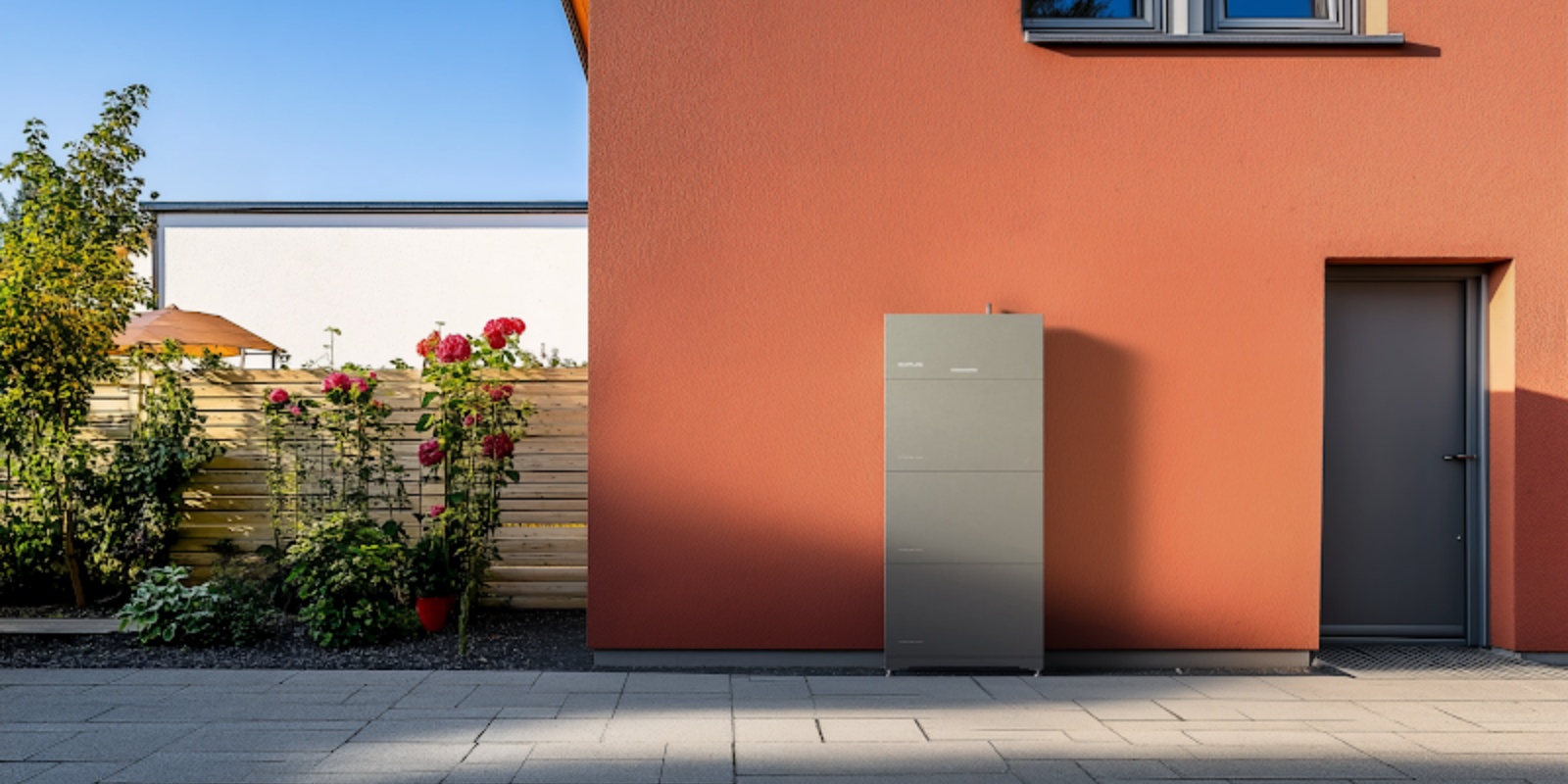
In the past, adding home battery storage was often seen as essential for maximizing ROI. Given that UK homes are famously compact, finding space for bulky indoor kit can be a headache. This is where the EcoFlow PowerOcean shines. Its IP65 water and dust resistance means it’s perfectly happy living outdoors, freeing up precious cupboard space inside while making retrofitting older homes much simpler. Its modular design is also a huge plus—you can start with 5kWh and scale up to 45kWh as your family grows. Plus, with a 15-year warranty and a built-in heating system for those frosty British winters, it secures your investment for the long haul.
Location in the UK
Labour rates aren’t fixed. You’ll typically pay more for installers based in London and the South East than those up in the North of England or Scotland. That said, some local grants in certain regions can help balance it out.
.png)
Solar Panel Installation Cost Breakdown (Detailed Pricing Table)
To see where your money actually ends up, it helps to look at the bill of materials. Here’s how a typical £7,000 installation usually splits out:
| Component | Estimated Cost | Notes |
|---|---|---|
| Solar PV Panels | £2,500 - £3,500 | The actual "glass" on the roof. |
| Inverter | £800 - £1,200 | Converts DC to AC for home use. |
| Mounting System | £500 - £800 | Rails and hooks to secure panels. |
| Labour & Scaffolding | £1,500 - £2,500 | Professional MCS-certified installation. |
| Battery (Optional) | £2,500 - £5,000 | Varies based on capacity and brand. |
Are Solar Panels Worth It? Real Savings & ROI Example
The real question is how long it takes to pay for itself. With energy prices where they are today, the break-even point has never been closer.
Average Annual Savings & Payback Period
Based on typical UK installer benchmarks and household energy usage data, a standard 4kW system can save a UK household anywhere from £400 to £900 a year. How much you actually save depends on whether you use the energy yourself or send it back to the grid.
To maximize these returns, many homeowners now invest in a home energy management system to automate their savings and track production in real-time. Compared to relying entirely on grid electricity at ~30p/kWh, solar can effectively reduce your electricity cost to below 10p/kWh over time—especially when paired with battery storage.
To get the most from your setup, you need to see what’s happening. A device like the EcoFlow PowerInsight 2 lets you monitor your generation and home consumption in real time. When you spot that you’ve got spare solar power, you can run your dishwasher or charge your EV right there and then. That way, every watt gets used properly – and your payback period gets shorter.
Real UK Household Case Study
Consider a semi-detached home in Birmingham. By installing a 4kW system for £7,000, they reduced their grid reliance by 50%. When combined with home battery storage and SEG payments, they are on track to recoup their investment in roughly 7 to 9 years.
Impact of Battery Storage & Exporting Energy
Without a battery, you might export 60% of your energy because you aren’t home during the day. With a battery, you keep that energy for the evening, significantly increasing your “self-consumption” and doubling your annual savings.
How to Choose an Installer & The Roadmap to Solar
Choosing the right person for the job is just as important as the hardware itself.
Why MCS Certification Matters
Always ensure your installer is MCS (Microgeneration Certification Scheme) certified. Without this, you won’t be eligible to sell your excess electricity back to the grid via the Smart Export Guarantee (SEG). It also guarantees the work meets strict UK safety and quality standards.
The Typical Timeline
Survey: 1–2 hours for a site visit.
Quote: Usually received within 48 hours.
Installation: 1–2 days (including scaffolding).
Commissioning: Final checks and paperwork usually take a week.
Solar Panels vs Other Energy Solutions (Cost Comparison)
Solar panels work well for most homes, but plenty of UK homeowners still weigh them up against other low-carbon options. To help you decide where to put your money, here’s a quick run‑down of the most popular energy solutions in 2026:
| Feature | Solar PV Panels | Air Source Heat Pumps | Traditional Grid Only | Hybrid (Solar + Battery) |
|---|---|---|---|---|
| Upfront Cost | £5,000 – £12,000 | £10,000 – £15,000 | £0 (Ongoing bills) | £10,000 – £17,000 |
| Primary Benefit | Reduces electricity bills | Decarbonises heating | No setup required | Maximum independence |
| Maintenance | Very low (Cleaning) | Annual servicing | N/A | Low |
| Lifespan | 25+ Years | 15–20 Years | N/A | 15–25 Years |
| Best For... | Daily appliance use | Homes replacing gas boilers | Renters/Short-term stays | EV owners & heavy users |
UK Solar Panel Grants, Incentives & Financing Options
The government is still keen to meet Net Zero targets, which means there are several ways to soften the financial blow.
0% VAT: The UK government has extended the 0% VAT relief on energy-saving materials, meaning you don’t pay the usual 20% tax on your solar installation.
Smart Export Guarantee (SEG): Energy suppliers are legally required to pay you for the renewable electricity you export back to the National Grid.
Financing: Many installers now offer “Solar as a Service” or monthly payment plans, allowing you to pay for the system using the money you save on your bills.
Schedule Your Free Consultation Today!
What kind of product or solution are you interested in?
Conclusion
Putting solar panels on your roof in 2026 is still one of the best moves UK homeowners can make to get on top of their energy costs. Yes, the upfront spend, somewhere between £5,000 and £12,000, isn’t pocket change. But when you add up 0% VAT, SEG payments, and the long‑term reliability of systems like the EcoFlow PowerOcean, it stacks up as a pretty clever financial decision. Pick the right size for your home and keep an eye on how you use your power, and you’ll end up with a greener house and a noticeably lighter monthly bill for years to come.
FAQ
1. Do solar panels increase home value?
Yes, solar panels typically increase a UK property’s value by 2% to 5% as buyers increasingly prize energy efficiency and high EPC ratings.
2. Can I install solar panels myself in the UK?
You can physically install them, but you must have a certified electrician sign off the work, and you won’t be eligible for SEG payments unless the installation is MCS-certified.
3. What maintenance costs should I expect?
Maintenance is minimal; you should budget roughly £100–£200 every few years for a professional cleaning and a health check of the inverter.
4. Do I need planning permission for solar panels in the UK?
In most cases, solar panels fall under “Permitted Development,” meaning you don’t need planning permission unless you live in a listed building or a conservation area.
5. Will solar panels work in cloudy weather?
Solar panels still generate electricity on cloudy days using diffused light, though their output will be lower than in direct, bright sunlight.

