
Solar Energy Efficiency: What Affects It and How to Improve It
Solar panel efficiency decides how much electricity your system squeezes from the sunlight hitting your roof. But in the UK, roof orientation, shading, weather and system losses often matter just as much as the efficiency figure on the panel itself.
This guide explains how solar efficiency is measured, what shapes output through the year, and how UK homeowners can boost generation, raise self-consumption and get more from their solar investment.
Key Takeaways
Panel vs. system efficiency: Modern UK panels typically hit 20–23% efficiency, while real-world system performance comes down to shading, orientation and electrical losses.
Temperature matters: Panels perform better in cool, sunny weather, shedding roughly 0.3–0.4% of rated power per °C above a 25°C cell temperature.
Seasonal variation: Around 70–75% of UK solar generation lands between April and September, with far lower output in winter.
Upgrade wisely: Where roof space allows, adding panels usually beats replacing working ones on cost.
Battery storage: Batteries lift solar self-consumption rather than panel efficiency, helping you dodge expensive grid purchases.
What Is Solar Energy Efficiency and How Is It Measured?
Solar panel efficiency tells you how much sunlight a panel turns into electricity, but not how much power the whole system will actually deliver.
What Does Solar Panel Efficiency Mean?
Solar panel efficiency is the share of sunlight hitting a PV panel’s surface that gets turned into usable electricity. A panel rated at 21% converts 21% of the solar irradiance falling on it into direct current (DC), the rest escapes as heat or reflects away.
How Is Solar Panel Efficiency Calculated?
Manufacturers rate solar panel efficiency under Standard Test Conditions (STC): irradiance of 1,000 watts per square metre (W/m²), a cell temperature of 25°C and an air mass of 1.5 (AM1.5).
Efficiency (%) = [Maximum Power Output (W) ÷ (Panel Area (m²) × 1,000 W/m²)] × 100
Take a modern residential panel measuring 1.72 m × 1.13 m (1.94 m²) with a rated output of 430 W that lands at roughly 22.2%. Likewise, a 400 W panel covering 1.82 m² comes in at around 22.0%.
What Is the Difference Between Solar Panel Efficiency and Solar System Efficiency?
Panel efficiency only measures raw DC production at roof level. Whole-system efficiency, by contrast, accounts for the real-world losses on the way to your three-pin sockets:
DC-to-AC conversion losses inside your inverter
Electrical resistance across cable runs
Dust, pollen or microscopic debris on the glass
Mismatched panel orientations and temperature swings
A solar system’s actual output depends on more than panel efficiency. Inverter losses, shading, wiring, temperature and other operating conditions all shape how much electricity reaches your home. System performance ratio (PR) is often a more useful gauge of overall system performance than simply comparing panel efficiency ratings. Unlike panel conversion efficiency, performance ratio compares actual energy output with the theoretical output under the available solar irradiation, helping identify losses across the system.
What Is a Good Solar Panel Efficiency Rating in the UK?
Across modern UK domestic installs, an efficiency rating of 20–23% counts as strong, dependable performance. Budget poly-crystalline panels from years gone by often sat at 15–17%, while today’s high-end monocrystalline N-type (TOPCon or heterojunction) modules routinely clear 22%.
What Factors Affect Solar Energy Efficiency?
Solar output varies with sunlight, temperature, roof orientation and system design.
Sunlight Intensity and Daylight Hours
UK solar panels generate more electricity during the longer, brighter days of spring and summer. In June, British skies deliver up to 16 hours of daylight and strong irradiance, letting systems run near peak output. By December, daylight windows shrink to under eight hours and the low sun angle drags daily generation right down.
Temperature and Weather Conditions
Contrary to popular belief, solar panels favour bright, crisp afternoons over scorching summer heatwaves. Most crystalline silicon panels have a power temperature coefficient of around −0.3% to −0.4% per °C. As cell temperature rises above the 25°C reference used in standard testing, power output generally falls, assuming other conditions remain unchanged.
Roof Orientation, Tilt Angle, and Shading
Orientation and pitch dictate how square-on the sun strikes your array:
Orientation: True south-facing roofs deliver the highest overall annual yield, though east-west splits work brilliantly for balancing morning kettle boils and evening cooking routines.
Tilt Angle: A pitch between 30° and 40° captures optimum year-round solar energy across England, Wales, and Scotland.
Shading: Shadows from dormers, chimneys, or overhanging oak trees don’t just dim individual cells; in unoptimised string systems, shading on a single panel can drag down the output of the entire array.
Solar Panel Type and Quality
The underlying silicon technology sets the baseline for module performance:
Monocrystalline Panels: They typically deliver high module efficiency (around 20–23% or more), making them a popular pick for UK homes short on roof space. Low-light performance varies by cell technology and manufacturer.
Polycrystalline Panels: Built from multiple melted silicon fragments; less efficient (15%–17%) and gradually phased out of modern UK roofs.
Thin-Film Panels: Flexible and lightweight, but lower in efficiency (10%–13%), demanding far more roof area for equivalent output.
Inverter Efficiency, Wiring, and System Losses
Inverter efficiency affects how much solar electricity your home can actually use. High-quality string or hybrid inverters operate at 96% to 98% efficiency. Inadequate cable sizing, lengthy DC wire runs, or budget inverters introduce voltage drop and thermal losses, silently sapping your total generation.
Dirt, Ageing, and Solar Panel Degradation
Rain removes much of the surface dust, but bird droppings and stubborn dirt may still affect output, yet persistent bird droppings, urban grime, and roadside soot form stubborn deposits that block light. Furthermore, solar panels gradually lose output as they age. Many manufacturers offer 25- to 30-year performance warranties, with guaranteed output often around 85–90% or higher at the end of the warranty period. Actual degradation depends on the panel technology and operating conditions.
How Does Solar Panel Performance Vary Throughout the Year in the UK?
Solar power in the UK is distinctly seasonal, though winter generation remains far from zero.
Seasonal Solar Energy Output in Summer and Winter
A significant proportion of annual solar electricity generation in the UK occurs between April and September, although the exact share varies by location, weather conditions and system configuration. A standard 4 kWp domestic array often produces 15 to 22 kWh on a long June day, compared to 2 to 5 kWh on a grim December afternoon.
| Season | Typical Generation Share | Daily Generation (4 kWp Array) | Solar Angle & Conditions |
|---|---|---|---|
| Spring (Mar–May) | 25% – 30% | 10 – 16 kWh | Moderate angles, crisp air, cool panel temps |
| Summer (Jun–Aug) | 40% – 45% | 15 – 22 kWh | High solar elevation, long daylight hours |
| Autumn (Sep–Nov) | 15% – 20% | 5 – 10 kWh | Declining daylight, lower sun trajectory |
| Winter (Dec–Feb) | 8% – 10% | 2 – 5 kWh | Low solar arc, short daylight windows |
Solar Panel Performance on Cloudy and Rainy Days
Solar panels do not require unblemished blue skies to generate power; they absorb diffuse sunlight penetrating cloud cover. On an overcast afternoon in Manchester or Glasgow, solar output may fall significantly compared with clear-sky conditions. Depending on the system size, weather and household demand, the electricity generated may still help cover some essential household loads.
Regional Differences in Solar Energy Generation Across the UK
Geography plays a notable role in total annual yield. The South Coast of England (such as Cornwall, Sussex, and Kent) benefits from roughly 1,000 to 1,100 peak sun hours annually. Central England and Wales achieve approximately 900 to 1,000 hours, whereas Scotland and Northern Ireland average 800 to 900 hours, still proving viable for substantial annual bill reduction.
Typical Annual Electricity Generation From UK Solar Panels
Understanding how many kWh a house uses each year helps homeowners compare household electricity demand with the potential output of a solar panel system. A properly sited 4 kWp residential system in the UK may generate around 3,400–4,200 kWh annually, depending on location, roof orientation, shading and other system conditions. However, annual generation alone does not determine savings, as the amount of electricity used directly at home also matters.

How Can You Improve Solar Energy Efficiency at Home?
Improving solar performance starts with reducing shading, checking system losses and maintaining the panels.
Choose High-Efficiency Solar Panels for Your Roof
When skylights, vents or awkward valleys eat into your roof space, go for high-density monocrystalline modules (21.5%+). Premium panels pack more wattage per square metre, squeezing the most output from a limited footprint.
Optimise Solar Panel Positioning and Reduce Shading
Get your installer to model shadow paths across all seasons using specialist software. If nearby chimneys or trees cast unavoidable shade, pair your panels with microinverters or DC power optimisers so the unaffected panels keep generating at full strength.
Keep Solar Panels Clean and Well Maintained
British downpours rinse off everyday dust, but solar panel cleaning may still be necessary when bird droppings, lichen, moss or fallen leaves build up on the surface. An annual inspection can help identify stubborn deposits, especially on shallower roofs where rainwater may not wash dirt away effectively.
Use Efficient Inverters and Monitor System Performance
Make sure your inverter is sized accurately to your array, oversizing or undersizing pushes it out of its peak efficiency window. Pick models with rapid Maximum Power Point Tracking (MPPT) channels so they adapt smoothly to shifting cloud cover.
Monitoring individual components can help homeowners understand how their solar system performs, while a home energy ecosystem provides a broader way to consider solar generation, household electricity demand and energy storage together. Looking at these elements as part of one household energy setup can help homeowners identify when electricity is being used, stored or exported and where changes to their energy habits may be useful.
Minimise System Losses With Proper Installation and Maintenance
Choose an appropriately qualified installer, preferably one certified under the Microgeneration Certification Scheme (MCS), to ensure that DC string design, cabling and inverter placement are assessed in accordance with applicable standards and manufacturer requirements.
Improve Solar Self-Consumption With Battery Storage and Smart Energy Management
Solar generation in the UK generally peaks around midday, while household demand tends to climb in the evening. Without battery storage, surplus solar gets exported to the grid, leaving homeowners buying power back after sunset.
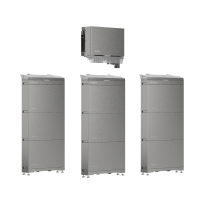
The EcoFlow OCEAN 2 Plus Single Phase helps UK households make better use of their solar by storing excess daytime generation for the evening. With expandable battery capacity and smart energy management, it cuts grid reliance and lifts solar self-consumption. Battery storage won’t boost panel efficiency, but it does help homeowners use more of what their panels produce.

Is Improving Solar Energy Efficiency Worth the Cost in the UK?
The financial benefits come down to the cost of the upgrade, the extra electricity generated, and how your household uses energy.
Additional Electricity Generation From Higher-Efficiency Solar Panels
Upgrading from 20% to 22.5% panel efficiency lets you fit roughly 12.5% more rated capacity into the same roof area, assuming similar panel dimensions and install conditions. That said, two systems both rated at 4 kWp won’t necessarily generate different amounts of electricity just because their panels carry different efficiency ratings.
Upgrading Existing Solar Panels vs. Adding More Panels
If your roof has spare, unshaded space, bolting on two or three standard panels usually beats stripping off working 250W panels to fit newer 400W ones. Replacing panels means scaffolding, rewiring and disposal costs, rarely worth it for the modest efficiency gain alone.
Electricity Bill Savings With Solar Battery Storage
A solar battery can store surplus electricity generated during the day for use in the evening, when household demand may be higher and solar output lower. Homeowners comparing storage options can explore solar battery storage to understand how battery storage may help them use more of their own solar generation. The potential savings depend on factors such as battery capacity, household electricity use, import and export tariffs, and system efficiency.
The Impact of Electricity Tariffs and the Smart Export Guarantee on Solar Savings
Solar savings in the UK come down to your import tariff, your Smart Export Guarantee (SEG) rate and when you actually use the power. Take an import rate of 24.5p/kWh against an SEG rate of 5p/kWh using solar directly saves you far more than exporting it. That said, higher export tariffs and battery efficiency losses can shift the maths on storage.
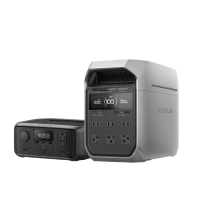
The EcoFlow PowerInsight 2 lets homeowners track solar generation, household consumption and battery levels in real time through a visual dashboard. With a clearer picture of energy use, households can shift heavy loads into peak solar hours and make smarter calls on what to import, store or export.
Schedule Your Free Consultation Today!
What kind of product or solution are you interested in?
Conclusion
Boosting solar efficiency starts with picking the right panels, cutting shading and keeping the system well maintained. For UK homeowners, roof orientation and seasonal sunlight also shape how much a system generates. Battery storage and energy monitoring help you use more of what you produce, especially in the evening. Before upgrading, weigh the potential savings against the installation costs to see what stacks up for your home.
FAQs
Do Solar Panels Lose Efficiency Over Time?
Yes, panels degrade naturally by around 0.4–0.5% a year, so a quality tier-1 panel will still be churning out roughly 85–90% of its original rated capacity after 25 years.
Are Solar Panels More Efficient in Cold Weather?
Yes. Solar PV cells run more efficiently in cool conditions, falling temperatures widen the semiconductor’s bandgap, which lifts the cell’s open-circuit voltage (Voc). So long as light levels hold steady, a crisp, clear spring or autumn morning lets silicon panels convert light into electricity far more efficiently than a hot summer afternoon.
Can Solar Panels Generate Enough Electricity in the UK Winter?
Panels keep generating right through British winters, but output drops to around 10–15% of peak summer production, thanks to shorter daylight windows and a lower sun.
Does Solar Battery Storage Increase Solar Panel Efficiency?
No, storage doesn’t change the physical conversion efficiency of the panels, but it gives your home’s self-consumption ratio a big lift by keeping surplus power for the evening.
What Is the Best Roof Direction for Solar Panels in the UK?
A due south-facing roof pitched between 30° and 40° gives the highest total annual yield in the UK, though east–west orientations also work well for morning and evening use.

