
Solar Devices: Types, Uses and How to Choose the Right One
Solar devices cover a lot of ground from roof-mounted panels and home batteries to garden lights and portable chargers. Some turn sunlight into electricity, others use it to heat water or run small appliances. What suits you depends on where you’ll use it, how much power you need, and whether you want something you can carry about or something fixed in place. This guide runs through the main types, what each one’s for, and what to check before you buy in the UK.
Key Takeaways
Solar devices include PV panels, batteries, solar lights, solar thermal systems and portable chargers.
A device’s rated output tells you how much power it can supply; its capacity tells you how much energy it can store.
For home backup, solar panels and a compatible battery can store daytime generation for use later or during an outage.
UK daylight and weather affect how much solar energy you can collect, so check performance across the seasons.
Before installing a fixed system, check compatibility, installation requirements and any planning or electrical rules that apply to your property.
What Are the Different Types of Solar Devices?
Solar devices do different jobs: some generate electricity, some store it, and others turn sunlight into heat. Knowing which category a product belongs to makes it easier to compare options.
Solar Photovoltaic (PV) Devices
Solar photovoltaic devices use panels to convert daylight into electricity. The familiar example is a rooftop solar PV system, which can supply power to a home and send surplus electricity to the grid or a compatible battery. Smaller PV panels are also used with portable power stations, garden equipment and some outdoor gadgets. Output varies with panel size, orientation, shading and weather. Solar panels can still generate electricity on a cloudy British day, though output is lower than in bright direct sunlight.
Solar Energy Storage and Backup Devices
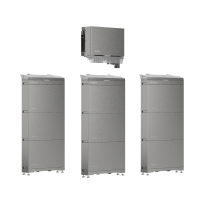
Solar batteries store electricity for use when the panels aren’t producing enough, such as in the evening. A battery may also be configured to provide backup power during a grid outage, but backup depends on the system design and installation. A standard grid-connected solar setup may switch off during an outage for safety. For UK households looking to use more of their own solar generation, a home storage system can connect to solar panels and store surplus energy. For example, the EcoFlow OCEAN 2 Plus Single Phase is a home energy storage solution that can be connected to solar panels. With a backup configuration, it can support selected household loads during a grid interruption. In a dual-tower setup, storage capacity can be expanded up to 96 kWh per inverter. The practical backup you get depends on the system configuration, battery capacity and which circuits are connected.
Solar Lighting Devices
Solar lights collect energy during the day and use it after dark. Common options include garden lights, security lights, shed lights and portable lanterns. They’re handy where running a cable would be awkward, such as along a garden path or at the end of a driveway. For reliable evening lighting, look at the panel size, battery capacity, brightness and how many hours the light can run after a full charge. A shaded spot may leave the battery short of energy, especially during short winter days.
Solar Thermal Devices
Solar thermal systems use sunlight to heat water or another fluid. In a home, a roof-mounted collector can contribute to hot water production, usually alongside a conventional boiler or another heat source. Solar thermal is different from solar PV: it produces heat directly rather than electricity. Whether it suits a property depends on roof space, hot water demand, existing heating equipment and installation costs.
Solar-Powered Charging Devices
Solar chargers and power banks use small PV panels to soak up energy for phones, cameras and other USB devices. Some camping setups pair a foldable solar panel with a portable power station, so you can store power and keep using it after dark. These products come in handy when there’s no mains power around, but charging can take longer than plugging into a wall socket. Check the device’s actual output and the charging input your phone or power station supports. A compact panel may top up a phone over a day, but it won’t keep several devices charged in poor weather.
What Are Solar Devices Used For?
The same technology can serve very different needs, from a few garden lights to household energy storage. Start with the job you want the device to do, then choose the type and capacity to match.
Powering Everyday Household Appliances and Electronics
A rooftop PV system can help power appliances such as fridges, washing machines and lighting while the panels are generating. Smaller solar setups are better suited to lower-power electronics, or to charging a battery that can run devices later. Timing matters. Running a washing machine during the day may let you use more of your own solar electricity, while a battery can shift some of that energy into the evening. Check an appliance’s running power and, for equipment with a motor or heating element, its starting or peak demand too. EcoFlow’s home energy ecosystem shows how compatible solar, storage and household energy equipment can work together.
Supporting Camping, Outdoor Activities and Off-Grid Living
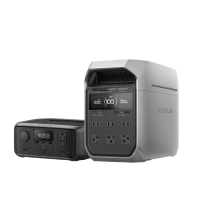
For a weekend at a campsite, a solar lantern or small panel can help keep a phone, head torch or camera charged without relying on a mains hook-up. A portable power station can run larger items, but its usable capacity and output determine how long it will last. Think about the full trip: how many devices need charging, how often you’ll be able to set out the panel, and whether you’ll be camping under trees or in a sunny field. In the UK, a compact panel may collect less energy on a grey day, so it helps to arrive with the battery already charged.
Providing Backup Power During Electricity Outages
A battery can keep selected household equipment running when the grid goes down, provided the system is designed for backup. For a household in a village outside York, that might mean keeping the router, a few lights and the fridge powered while the family waits for supply to return. It may not be practical to run every appliance at once. Before choosing a system, decide which circuits or appliances matter most. A qualified installer can advise on backup arrangements and safe connection to the home. Solar panels may recharge a battery during an outage if the system supports it, but the amount of power available will depend on daylight, panel output and household use. Comparing solar battery storage options can help you match usable capacity and backup capability to those essential loads.

How to Choose the Right Solar Device for Your Needs
A product that suits a garden shed may be no help during a power cut, while a home battery is far more than most people need for a weekend away. Compare products against the task, the space available and your likely energy use.
Assess Your Energy Needs and Intended Use
Make a short list of what you want to power and when you’ll use it. For a camping trip, that might be a phone, a lantern and a camera. At home, you may want to store daytime solar generation for evening use or keep essential appliances running during an outage. For electrical devices, check the wattage and estimate how many hours you’ll use them. Multiply power in kilowatts by hours of use to estimate energy consumption in kilowatt-hours (kWh). For example, a 100 W (0.1 kW) device used for five hours consumes 0.5 kWh, before accounting for conversion losses. For a whole-home system, understanding how many kWh does a house use can help put your own meter readings into context.
Compare Power Output and Energy Efficiency
Power output, measured in watts (W), tells you how much a device can supply at a given time. Battery capacity, usually shown in watt-hours (Wh) or kilowatt-hours (kWh), tells you how much energy it can store. These figures answer different questions: can the device run your appliance, and for how long? Also check charging speed, conversion losses and performance in the conditions where you’ll use it. A panel’s headline output is usually a rating under test conditions, not a promise of what it will produce on a cloudy afternoon in Manchester.
Consider Portability and Installation Requirements
Portable chargers and foldable panels are easy to move but may have limited output. A rooftop PV system or home battery needs a suitable location, electrical connections and professional installation. If you rent, live in a listed building or own a home in a conservation area, check the relevant permissions before arranging fixed equipment. Rules vary across the UK. In England, some domestic solar installations may fall under permitted development, but exceptions and conditions apply; listed buildings and protected areas can have additional requirements.
Check Compatibility With Your Existing Devices
Before buying, confirm that the solar device works with your appliances, battery, inverter and charging cables. Check the voltage, plug type, connector and supported charging input. A panel may physically connect to a power station but still exceed its supported voltage or fail to charge it efficiently. For a home system, an installer can check compatibility with existing solar panels, the consumer unit and any battery or backup equipment. Ask which circuits will remain powered during an outage, as this may differ from the system’s normal operation.
Compare Purchase Costs and Long-Term Value
The cheapest product may not be the best fit if it has too little capacity or needs replacing quickly. Compare the upfront price with expected use, warranty terms, battery replacement costs and installation expenses. For a home system, consider how much electricity you use during the day, how much surplus you export and how much you could use after sunset. Eligible small-scale generators in Great Britain may receive payment for exported electricity through a supplier’s Smart Export Guarantee (SEG) tariff, but rates and eligibility vary by supplier. Check current terms before building projected savings into your budget.

How to Maximise the Performance of Solar Devices?
Pick the right device and you still need to place it well and use it sensibly. After all, small tweaks, such as moving a garden light out of the shade, or running appliances while your panels are generating can make a real difference.
Position Solar Devices to Maximise Sunlight Exposure
Place portable panels where they have a clear view of the sky and are not shaded by trees, fences or buildings. If the panel can be tilted, adjust it to face the sun as it moves, while keeping it stable in windy weather. For fixed rooftop panels, roof direction, pitch and shading all affect generation. A local installer can assess the roof and estimate expected output for the property rather than relying on a generic figure.
Monitor Energy Generation and Consumption
For households with rooftop solar and a home battery, generation figures alone don’t show whether the energy is being used well. It also helps to see how much the home consumes and when the battery charges or discharges. That information can reveal whether shifting laundry, dishwashing or EV charging to sunnier hours would make better use of available solar power. EcoFlow PowerInsight 2 is a home energy monitoring terminal with an 11-inch touchscreen. It brings solar generation, household consumption and battery charge and discharge data together on one display. It also supports Matter 1.4 for connecting and controlling compatible smart home devices, so users can view energy flows alongside some elements of their home automation.
Maintain Solar Devices and Protect Battery Performance
Keep panels clear of leaves, dirt and bird droppings, following the manufacturer’s cleaning guidance. Check cables and connectors for damage, and store portable equipment in a dry place when it isn’t designed to stay outdoors. For batteries, follow the recommended temperature and charging conditions. Avoid leaving a battery in a very hot car or an unheated shed during a hard frost unless the manufacturer says it is suitable. Good storage habits can help protect performance over time. For practical solar panel cleaning methods, check access and follow the panel manufacturer’s instructions.
Adjust Solar Device Use to Seasonal Changes and UK Weather Conditions
Solar generation changes through the year. Longer, brighter days can produce more electricity, while short winter days and persistent clouds reduce output. Solar panels still work in overcast conditions, but it’s sensible to allow for lower generation when planning how much energy a device can provide. In summer, you may be able to charge a portable battery during the day and use it in the evening. In winter, prioritise essential devices, keep backup batteries charged from the mains when needed and avoid assuming a small panel will replenish a large battery quickly.
Schedule Your Free Consultation Today!
What kind of product or solution are you interested in?
Conclusion
Solar devices cover a wide range of needs, from a light beside the back door to a solar and battery system for the whole home. Choose based on what you need to power, how much energy it uses and where the device will operate. For a fixed home installation, check compatibility, backup requirements and local planning considerations; for portable equipment, pay close attention to output, capacity and expected charging conditions.
FAQs
Can you get paid for extra solar power in the UK?
Yes, eligible households in Great Britain can earn money for the electricity they export, through a supplier’s Smart Export Guarantee tariff. Rates, eligibility and payment terms differ between suppliers, so compare current tariffs and check the scheme rules before you sign up.
How long does a solar battery last?
Most solar batteries last around 10 to 15 years, depending on the chemistry, how you use them, temperature and warranty terms. Check the manufacturer’s warranty and any capacity or cycle guarantee when you compare systems.
Are solar-powered devices safe to leave out in the rain?
Only if the product is rated for outdoor use and its weather rating suits the conditions. Check the IP rating and the manufacturer’s instructions, and keep charging ports and connectors protected as directed.
Do solar panels push up home insurance in the UK?
They can affect your policy, but it depends on your insurer and the installation. Tell your insurer before or after fitting, as your policy requires, and ask whether the panels are covered for damage, theft and storm damage.

