
The Ultimate Guide to Maximizing Air-to-Water Heat Pump for Hot Water Production and Heating (2026)
Investing in an air to water heat pump is a significant step toward a sustainable home. It provides efficient, renewable heating and hot water by transferring heat from outside air into your home’s water system. However, to truly benefit from it, keeping peak air to water heat pump efficiency is essential—from temperature setting to maintenance.
Why air to water heat pump efficiency varies with temperature
The performance of an air to water heat pump is directly linked to the water temperature it produces, as efficiency increases when flow temperatures are kept lower. Known as the Coefficient of Performance (COP) and Seasonal Coefficient of Performance (SCOP), these values represent how effectively the system converts energy into usable heat.
Basically, you have to be on the lookout for the sweet spot for efficiency typically lies between 35 °C and 55 °C, which comfortably supports radiators and underfloor heating systems.
When flow temperatures are pushed higher, efficiency falls sharply, making your system work harder and increasing how much energy does the average house use per day. Weather compensation, also known as the heating curve, helps to balance this automatically by adjusting flow temperatures in line with outdoor conditions.
PowerHeat comes equipped with advanced weather-compensation features, ensuring consistent indoor comfort while avoiding unnecessary energy use. This makes it easier for homeowners to strike the right balance between efficiency and warmth in everyday use.
Comparing water to water heat pump and water to air heat pump
While an air to water heat pump draws warmth from outdoor air to heat water, a water to water heat pump extracts heat directly from groundwater or a water source, making it highly efficient but more complex to install. On the other hand, a water-to-air heat pump transfers heat into air ducts, providing warm air instead of water-based heating.
Compared with these systems, the air-to-water model like EcoFlow’s PowerHeat offers the most practical solution for UK homes, integrating smoothly with radiators, underfloor heating, and domestic hot water.
Improving air to water heat pump efficiency for space heating
Maximising space heating efficiency means fine-tuning your system to run steadily at the lowest possible temperature. The starting point is to tune the heating curve by beginning with the factory default and gradually lowering it until the rooms just achieve the target setpoint, which can be even more cost-effective when paired with the likes of a dedicated Octopus heat pump tariff.
This avoids overheating while ensuring comfort. Running your system steadily is far better than allowing it to cycle on and off frequently, which reduces efficiency and causes wear. Using the right emitters makes all the difference, with larger radiators or underfloor heating enabling comfortable living at lower flow temperatures. Finally, hydraulic balancing plays a key role in avoiding short-cycling.
By setting the correct temperature, adjusting pump speeds, and balancing circuits properly, your system circulates heat evenly and efficiently. Together, these strategies help an air to water heat pump such as PowerHeat, deliver steady warmth at the lowest cost.
Optimising air hot water system for domestic use
Getting the most from an air source heat pump hot water system relies on choosing the right cylinder and managing settings carefully. Cylinders must be heat-pump-ready, with large coil areas or plate exchangers that can efficiently transfer energy at lower flow temperatures.
Setting water temperatures wisely is also critical. Domestic hot water for everyday use can be stored at moderate levels, but periodic boosts to 60 °C are essential to guard against the threat of pneumonia and legionella bacteria. Smart scheduling can make a noticeable impact, with reheats programmed during warmer parts of the day or in alignment with off-peak energy tariffs.
EcoFlow PowerGlow works seamlessly with PowerHeat, ensuring easy scheduling of hot water cycles. By integrating these with the PowerOcean storage system, you can use stored renewable energy to power your air source heat pump hot water production even when the sun isn't shining.
An immersion heater should also be utilised strategically, particularly for hygiene boosts and peak demand. By combining the right equipment with smart planning, families can keep their air source heat pump hot water system running both safely and economically.
Smart monitoring with the EcoFlow App and PowerInsight
Homeowners aiming to reduce running costs should focus on tracking performance and taking advantage of a dynamic electricity tariffInstalling heat and electricity meters makes it easy to measure the seasonal performance factor (SPF), helping households see how their air to water heat pump is working across the year.
Time-of-use tariffs are particularly valuable, allowing major heating loads or DHW reheats to run during off-peak hours, where electricity is both cheaper and greener. Shifting hot water production to these times can lead to significant savings in both cost and carbon footprint.
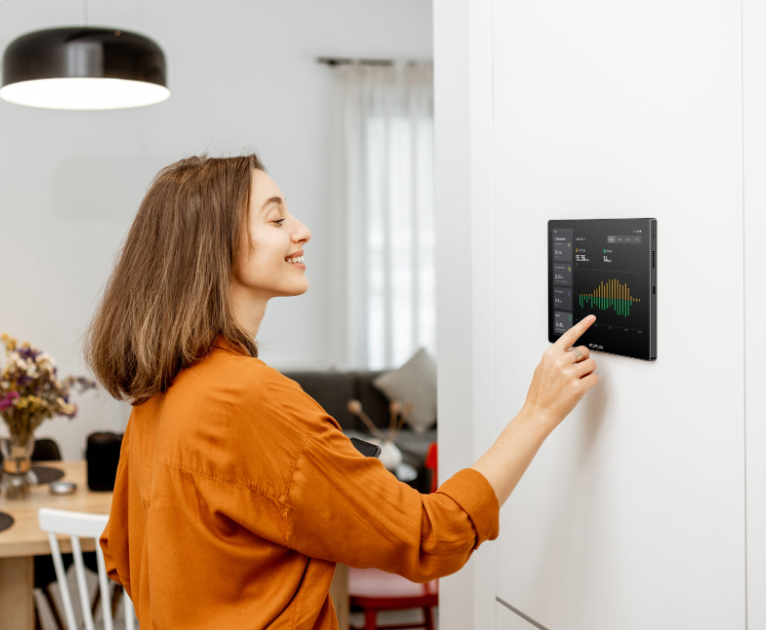
EcoFlow also supports this with PowerInsight and the EcoFlow application, central components of its Home Energy Management System (HEMS). These tools allow homeowners to monitor and adjust their PowerHeat, PowerGlow, and PowerOcean systems through a single, intuitive interface from anywhere in the world..
By monitoring your air source heat pump water temperature via tools like PowerInsight, you can ensure the system isn't running hotter than necessary, which is the quickest way to drain efficiency.".
Maintenance tips for sustained system efficiency
To keep performance high, regular air-to-water heat pump maintenance is of absolute necessity. The outdoor coil must be cleaned regularly, and the unit kept free of leaves, particles of dirt, pet fur, debris, or snow that could potentially restrict airflow.
System flushing, alongside routine cleaning of filters and magnetic traps, prevents sludge buildup and maintains continuous and smooth operation. It is also important to check condensate drains and defrost pathways to ensure there are no blockages that could affect efficiency during the colder seasons.
Maintaining long-term performance requires yearly service. Expert inspections ensure that system controls, pump speeds, and flow rates are maintained in the proper configuration, avoiding problems that could slowly and subtly reduce efficiency.
With EcoFlow PowerHeat, homeowners benefit from smart diagnostics, making it easier to stay on top of servicing schedules and performance alerts. By combining regular and responsible appliance care with up-to-date and a real-time energy monitoring platform, households can sustain reliable heating and hot water at the lowest possible cost.
Your 2026 air to water heat pump efficiency checklist
To simplify the task of running an efficient heating system, homeowners can follow a straightforward checklist. Flow temperatures should always be set as low as possible without sacrificing comfort. Weather compensation should be used instead of frequent manual adjustments, allowing the system to work in line with changing outdoor conditions.
A more sustainable solution is to upgrade emitters if specific rooms require greater flow temperatures. Immersion heaters should only be used when absolutely necessary for hygienic purposes, and domestic hot water scheduling should always be in line with available tariffs.
Finally, annual servicing must not be overlooked, and keeping logs of service checks and system settings can help track long-term performance. By following these steps, households can make sure their air source heat pump water temperature and hot water system continue to run reliably and efficiently.
Schedule Your Free Consultation Today!
What kind of product or solution are you interested in?

Maximising your air hot water system
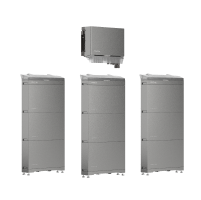
An air to water heat pump achieves the best results when operated steadily at lower flow temperatures, ensuring consistent comfort and lower electricity bills. Hot water efficiency depends on the right cylinder or hot water tank alternatives, smart scheduling, and safe setpoints that balance hygiene and energy use.
Monitoring performance, using tariffs wisely, and keeping up with servicing all help secure long-term savings. With EcoFlow PowerHeat at the centre of your home system, supported by PowerGlow and PowerInsight, households can enjoy sustainable comfort with confidence.
FAQ
1. How can I improve the efficiency of my heat pump?
Make sure your heat pump’s maintenance and airflow are regularly observed. Clean your filters, check your vents, and make sure your outdoor unit is free of debris or dust. Adjust your temperature settings accordingly as well.
2. How often should I service my air source heat pump?
Heat pump systems are quite easy to maintain. Annual servicing is recommended to ensure your heat pump maintains efficiency, correct flow rates, and give reliable performance year-round. Annual servicing also extends your heat pump’s lifespan.
3. Can a heat pump provide both heating and hot water?
Yes. Air-to-water systems like PowerHeat are designed for space heating and domestic hot water when paired with a suitable hot water cylinder. Modern units can also be integrated with smart control systems so you can manage it more efficiently.
4. What is the ideal flow temperature for an air-to-water heat pump?
For best efficiency, flow temperatures usually work best between 35 °C and 55 °C. Lower settings reduce electricity use while still providing comfortable heating through radiators or underfloor heating.
5. Does underfloor heating improve heat pump efficiency?
Yes. Underfloor heating works very well with lower flow temperatures, which helps an air-to-water heat pump run more efficiently and maintain stable indoor comfort with less energy.

