
How Does a Hot Water Heater Tank Work With Your Home Heating System?
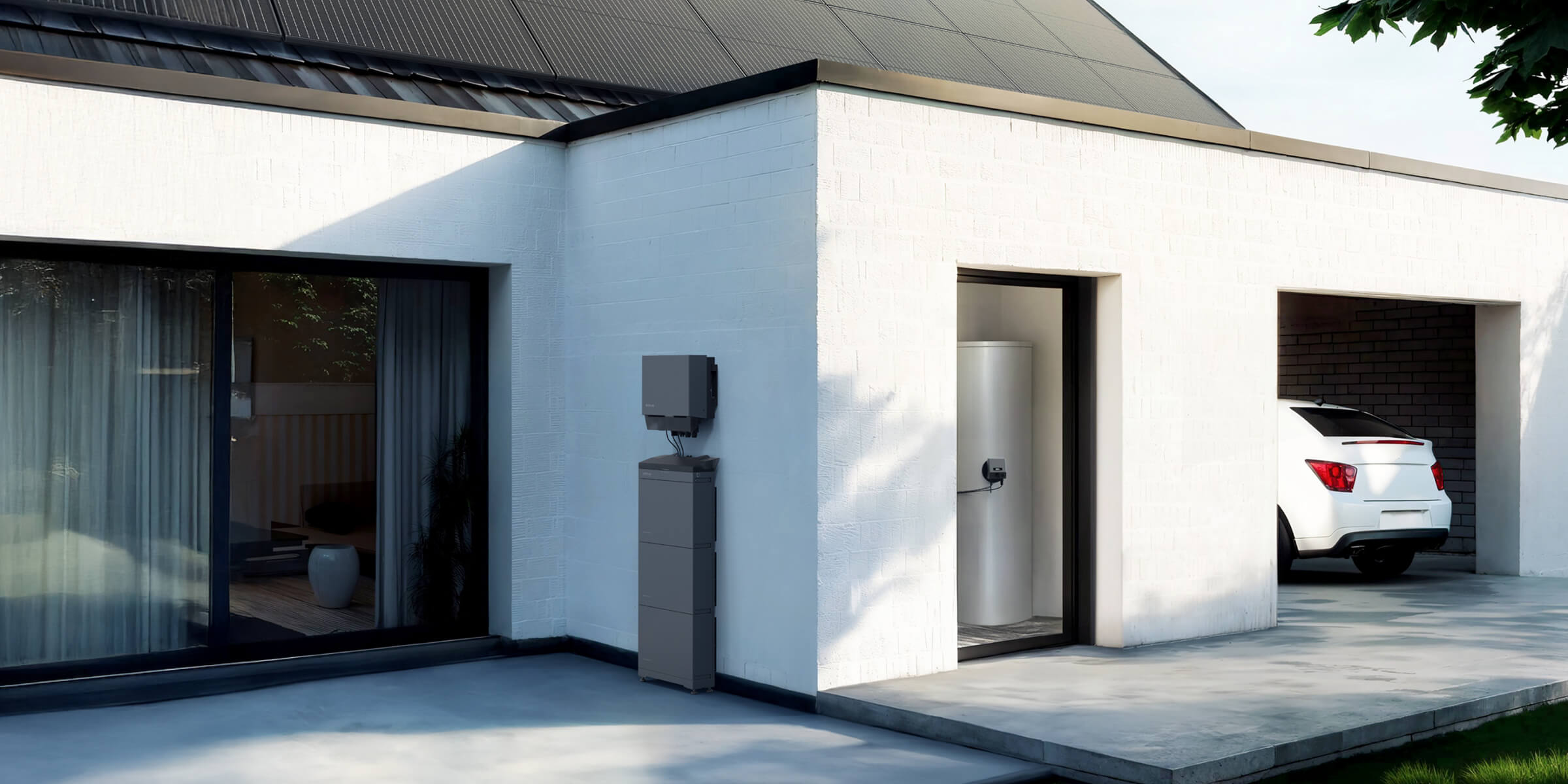
A hot water heater tank is a key part of any reliable home heating system. Whether connected to a boiler, a household immersion heater, or a heat pump, it stores and delivers hot water on demand. But how does a hot water tank work with your heating system? This 2026 guide breaks down your setup so you can keep your home comfortable and running efficiently.
What Is a Hot Water Heater Tank?
A hot water heater tank, or a hot water cylinder, is an important part of many UK heating systems. Basically, it stores pre-heated water so you can use hot taps and showers whenever you need them without waiting for the water to heat up each time you use it.
Inside the tank, you will find key parts like the tank body, a cold-water inlet, the thermostat, hot-water outlet pipes, and one or more heating elements. This type of hot water storage tank is common in homes that use gas boilers or immersion heaters like EcoFlow PowerGlow for backup heating.
Unlike combi boilers that heat water on demand without storing it, hot water tanks and cylinders suit homes with high-demand periods. Think busy mornings and cold winter evenings when multiple taps run at once.
Types of Hot Water Heater Tanks and Cylinders in the UK
The best type of hot water heat tank depends on what your home system setup is. Here are the different considerations to look into:
Direct vs Indirect
A direct system heats the water right inside the tank. This setup creates a solar pv & immersion heaters similar to the PowerGlow. It is simpler to install than other systems but less efficient as a primary heat source. Electricity still costs more than gas in 2026. However, with solar-powered solutions like PowerGlow, you can harness solar power and electricity to provide heating to your home while staying cost-efficient.”
Indirect systems use a central heat source like a traditional gas boiler or a modern air source heat pump to heat water through a coil inside the tank. The heated water is then stored and used when needed. This makes indirect systems the most common and energy-efficient option for UK homes.
Vented vs. Unvented
Vented systems are gravity-fed from loft cold-water tanks. They’re known for their affordability and reliability, but are also known to suffer from lower water pressure, especially for upper floors and multi-level buildings. However, a simple water pump can boost pressure so the water can reach upper floors easily.
Unvented systems, on the contrary, connect directly to the mains supply to give you a stronger water flow and consistent water pressure throughout your home. These systems also tout safety-oriented parts like expansion vessels or pressure relief valves to ensure safe and stable usage.
How Does a Hot Water Tank Work?
Hot water tanks work as cold water enters the cylinder through an inlet pipe. From there, it is heated either indirectly through a coil connected to the boiler, or directly by an immersion heater thermostat-controlled element if you have a hot water cylinder with immersion heater setup.
The thermostat ensures the water temperature stays around 50–60°C, which is hot enough for comfort but cold enough to prevent scalding.
Once the water is heated, the insulated tank holds it until you use and turn on a tap, at which point the hot water exits from the outlet, and cold water refills the tank—keeping the heating cycle going. When needed, draining your hot water heater tank on a regular basis removes sediment buildup and preserves your system's efficiency and lifespan.
How Your Hot Water Heater Tank Integrates with Your Boiler and Heating System
Your hot water heater tank works together with your eco friendly central heating systems to deliver comfortable heat and efficiency across your household. In most UK heating setups, an indirect system is used where the boiler heats water with a coil inside the tank.
If your boiler is off during summer or a maintenance period, an immersion heater inside the tank can act as a backup. It operates independently, so you still get hot water even when the main system is down.
For eco-conscious households, pairing EcoFlow PowerHeat with solar energy for household allows you to heat water efficiently from room temperature. This reduces the energy required compared to traditional methods.
Also, smart home power management like timers and thermostats can feature zoned heating, which gives you the ability to only heat water when and where it’s needed. With zoned heating, the result is a consistent hot water supply, which reduces boiler strain and long-term operational costs.
Sizing and Efficiency: Matching Your Needs
Choosing the right heating tank size is a must if you want to balance overall comfort and system efficiency. As a simple rule of thumb, consider planning for about 35-45 litres of capacity per person in your household.
To give you a rough example, a typical bath uses around 80-100 litres, while showers average around 30-50 litres. Also, keep in mind that larger households, especially in colder northern UK climates, might benefit from slightly larger tanks to maintain a steady hot water supply in the cold winter months.
To help keep energy use checked, always set your thermostat between 48–60°C, which is hot enough to prevent bacterial growth like Legionella, but not so hot that you waste power or risk scalding.
You can also add the importance of insulation in achieving a good epc rating around your tank and your pipes to minimise heat loss if they are not already covered. Upgrading to an unvented system is another option if you need stronger flow and faster hot water replenishment times.
For households that want to go green, pair your tanks with solar panels or an air source heat pump like EcoFlow PowerHeat to significantly reduce your energy bills. If you want to be self-sufficient, EcoFlow's solar power storage solutions like PowerOcean can integrate with smart immersion heaters to act as a backup solar power for home.
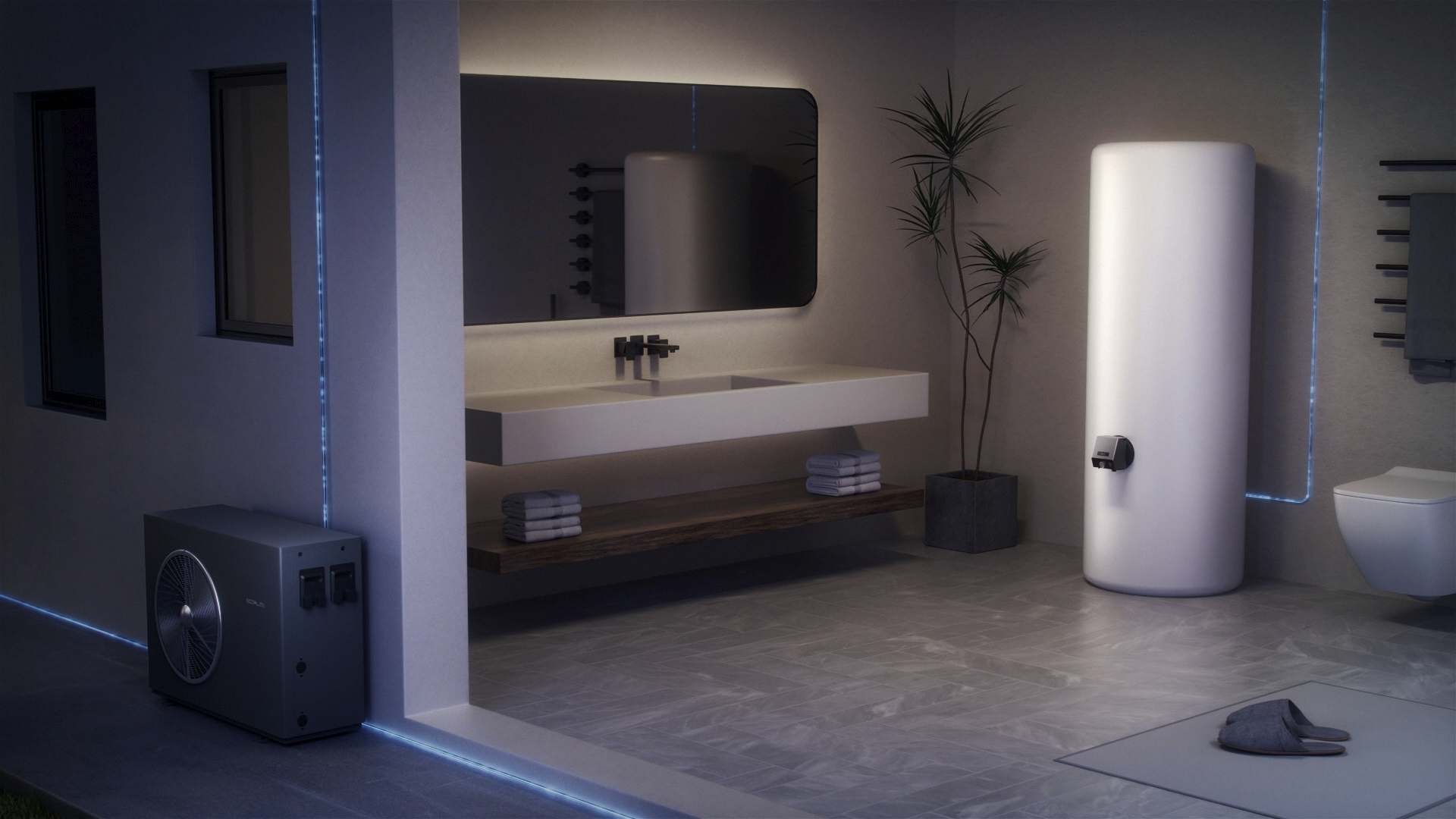
Maintenance: Keeping Your Heating System Running Smoothly
Proper maintenance improves your heating system’s lifespan and long-term performance. Here are the important upkeeps you need to monitor regularly:
Routine Checks
You can start by testing your thermostat once every few months to check if the system heats accurately and doesn't strain in the process. Every 2-6 months, check for leaks, drips, or unusual noises which can point to issues.
Draining Hot Water Heater Tank
Draining the hot water in your tank is also a form of maintenance that goes a long way to prevent issues in the long term. Start by switching off the power or gas, then attach a hose to the drain valve and empty the tank fully.
By draining and flushing, you can remove mineral deposits that reduce efficiency and clog pipes and valves. Draining is especially important in hard-water regions where limescale builds up quite fast.
Immersion Heater Tank Maintenance
If you have a hot water tank with immersion heater, consider replacing heating elements every 3-5 years to maintain optimal performance. In limescale-prone areas, descaling your immersion system keeps heating fast and extends element life.
Professional Tips
Even with utmost care, annual servicing with qualified technicians is still required. They’ll check the safety valves, thermostats, and even insulation. To improve efficiency, you can also add smart timers that heat water during off-peak hours to lower your energy bills while maintaining comfort.
Schedule Your Free Consultation Today!
What kind of product or solution are you interested in?


How To Get the Most out of Your Hot Water Heater Tank
Now that you know how a hot water cylinder works and how it connects with your heating system, you can take steps towards a more eco-friendly and reliable hot water supply.
To take that efficiency further, EcoFlow’s sustainable heating solutions like PowerGlow and PowerHeat are designed to keep your home comfortable in every season.
Get a free consultation on EcoFlow installers with our team today and find out how EcoFlow can make your home smarter, better, and more comfortable.
FAQs
What’s the difference between vented and unvented hot water cylinders?
Vented cylinders draw cold water from a loft tank and operate at low pressure. Unvented units are fed straight from the mains with high pressure and include safety devices like expansion vessels and pressure relief valves.
How long does it take to heat a hot water tank?
It depends on size and the heating method. A 150 to 200 litre indirect cylinder typically takes around 1 to 2 hours to reach 55 degrees using a gas boiler. Electric immersion heating is slower and more costly, especially for large volumes of water.
How often should the cylinder be flushed?
Draining your hot water heater tank once a year is standard. In hard-water regions, we recommend flushing and draining twice yearly to help remove sediment and limescale, to maintain heat efficiency and avoid element strain.
Can a hot water heater tank work with a heat pump?
Yes. Many hot water tanks work well with heat pumps, especially indirect systems. The tank stores heated water for later use, helping improve comfort and making the most of efficient low-carbon heating.
Is an immersion heater useful if I already have a boiler?
Yes. An immersion heater can act as a backup when the boiler is off or under maintenance. It is also useful for topping up hot water during periods of high demand.

